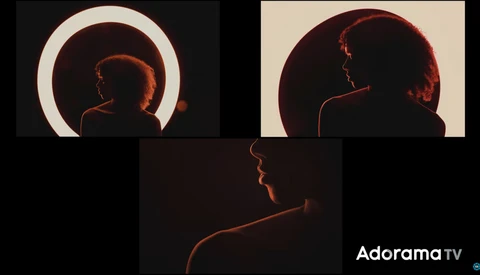
Submit Your Best Images With Unique Shadows
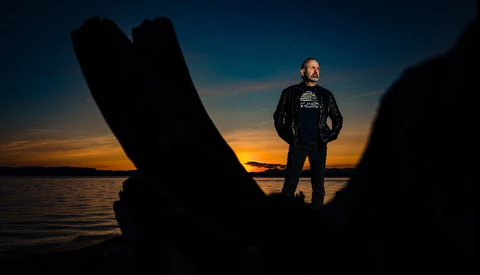
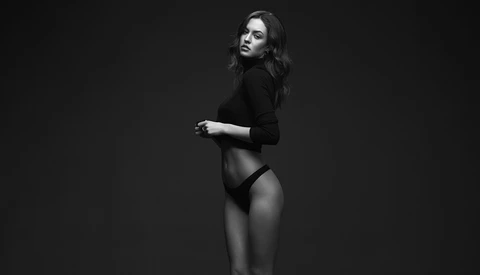
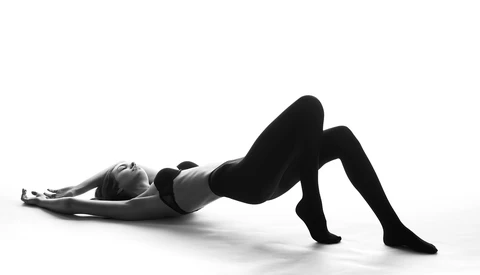
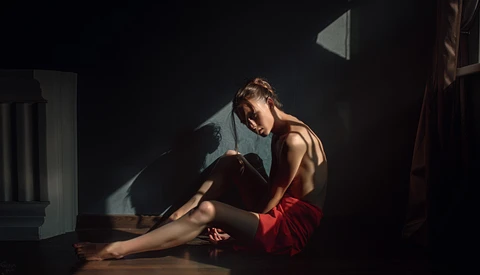
In this week's contest, we want to see images that focus on the absence of light. We want to see the unique ways you've used shadows in your photography.
Submit Your Best Images With Unique Shadows
In this week's contest, we want to see images that focus on the absence of light. We want to see the unique ways you've used shadows in your photography.
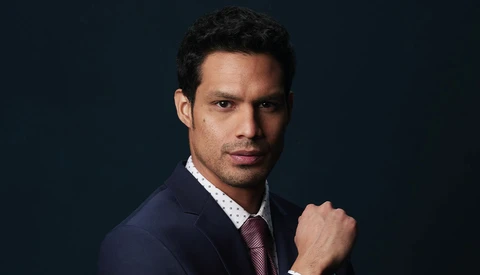
Most professional headshot photographers use strobes for their studio work, but of course, that does not mean you can't use continuous or even natural light for your work. This excellent video tutorial from the one and only Peter Hurley will show you how to use both natural light and continuous lighting for taking headshots.
When it comes to lighting for portraits, we mostly focus on learning how to light our subjects; after all, that is what the eye is drawn. But a complete image involves accounting for how the background is lit as well, and that can be the difference that makes your photos truly professional.
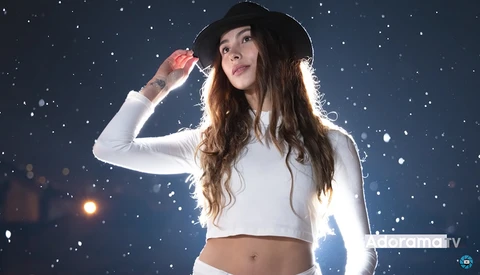
It is not something we do often, but shooting portraits in the rain can be a great way to give your images a different look that captures the eye. This excellent video tutorial will show you how to light and shoot compelling portraits in the rain.
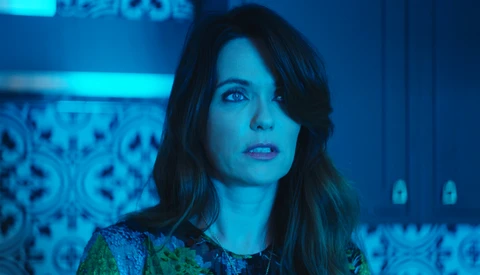
She Dies Tomorrow has been celebrated for its unsettling sensibilities and unorthodox filmmaking techniques. Independent Spirit Award-nominated cinematographer Jay Keitel's work on the film is one of the main factors in the film's moody success. I recently had the chance to ask Keitel a series of questions about his approach to filmmaking on She Dies Tomorrow.
Whisky bottles are a favorite subject for product photographers and this shot adds an interesting twist: the bottle and tumblers are impossibly balanced on one another. How was it achieved?
When we learn about lighting, we most often focus on the quality of the light and all the things that contribute to that. However, light can be more than just that which gives you the correct exposure and renders your subject in a flattering manner.
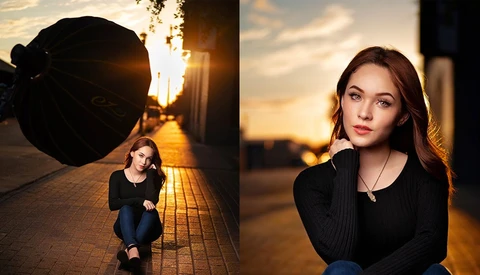
Outdoor portraits with a dramatic sky behind the subject are a popular and timeless look, but usually require an off-camera flash to get a proper exposure on your subject. If you are new to working with artificial lighting, this excellent video tutorial will show you how to use off-camera flash to balance ambient light and produce a compelling portrait.
Mastering light can mean many things, from the manipulation of natural light through to how to setup multiple strobes for a specific look. However, there are a few more niche techniques that are both incredibly fun and rewarding. One of these is light painting.
Having a strong enough grasp on lighting to control your surroundings — no matter what they may be — can be a powerful tool. Here is a brief tutorial on how to make your indoor portraits look like they were taking outdoors.
When working with lights, be they artificial or natural, the tendency when starting out is to light from the front, or at least at 45 degrees. But if you want to create something moodier, using your main light source as a backlight is possibly the quickest way to get something interesting.
“I only shoot natural light. I’m a natural light photographer.” I can’t even begin to count how many times I’ve heard some variation of this statement. It doesn’t get any less silly each time I hear it, though. Why would anyone want to box themselves into doing only one thing?
The inverse square law is one of the most fundamental and important concepts in lighting, and as such, any photographer working with artificial light should have a good understanding of it. If you are new to it, this helpful video tutorial will show you everything you need to know, from the way the law works to the practical consequences it has on your photos.
There is a common misconception about strobe lighting that might be holding back your images, and it's an easy one to make. Here is a concise and clear explanation of the problem.
Lighting holds the keys to the overall feel of an image for the most part, particularly with portraiture. In this video, you will see behind-the-scenes of a dramatic, moody portrait shoot with some tips on how to replicate the style yourself.
Great portraiture can be created with anything from natural light to a studio full of the most expensive equipment, but if you — like most photographers — are closer to the natural light setup than a high-end studio, perhaps this video might show you just what you can produce with one, cheap light.
There are few types of video more valuable than a good behind-the-scenes, particularly when it walks you through the process. Jump backstage in this tutorial to see how this beautiful, fine art portrait was taken with four lights and a purpose-built set.
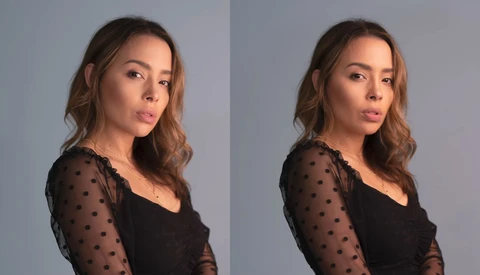
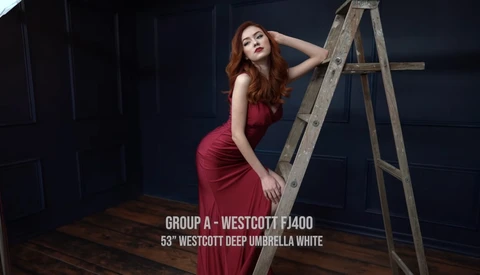
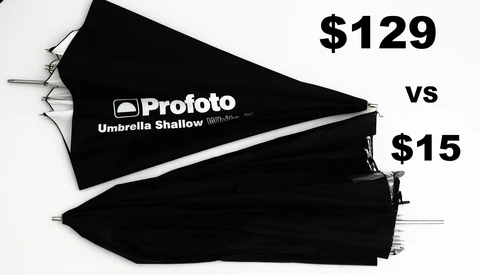
How do you know if an umbrella costing $100 is any better than the $5 one? It's quite hard to tell the difference in terms of light quality, especially if you're a beginner. But I assure you, expensive light modifiers are quite different from the regular cheap ones. That difference is noticeable only after you've used them for some time.
How do you position your artificial light sources?
Portrait lighting does not always have to be expensive or overly complicated. This excellent video tutorial will show you a professional portrait lighting setup that only requires two speedlights, two shoot-through umbrellas, and a reflector.
One of the quickest and easiest ways to completely change an image and make it more memorable is to add a flash.
The Godox ML60 light gives you a whole lot of features that can really improve your lighting when you’re a run and gun type of shooter, or want constant light on location. I mean, it can run on a battery, and has a handle.
We're being treated to another short-form behind the scenes tutorial from Nathan Elson. This time, Elson is taking us into the studio to show us his techniques for using a single light to create soft even light across a subject.
My favorite light for shooting landscapes is definitely sidelight. Still, I won’t let the position of the sun stop me from photographing great locations. You shouldn’t, too. There are plenty of options to become creative.
The number of affordable lighting products available from Godox has exploded in the last few years. If you’re not sure which modifier will best suit your work, check out this in-depth video to help you make your choice.
Photography, like most crafts, has a number of strands to it. To become a master of the craft, there is a lot of ground to cover, but there are certain skills that will pay dividends for the rest of your career.
Soft lighting is often more flattering, but if you are new to working with strobes, it can be a bit tricky to create it in a natural way. This excellent video tutorial will show you a one-light setup that will help you create soft light that is flattering and suitable for a range of portraits.
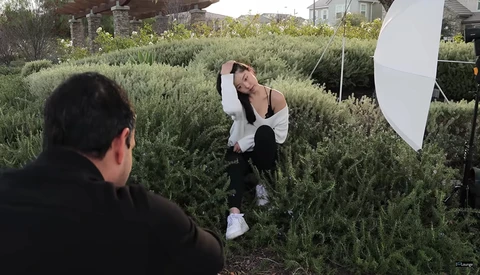
There are few times more enjoyable to shoot during than golden hours, but the lighting can be tricky too. This video will help you with some important tips for using a flash and balancing it perfectly during a sunset.
On Saturdays and Tuesdays, live photography streams broadcast on Olympus U.K.'s Facebook page. This week’s Tuesday video, a High Key photography tutorial, was presented by Gavin Hoey and is now available as a video.
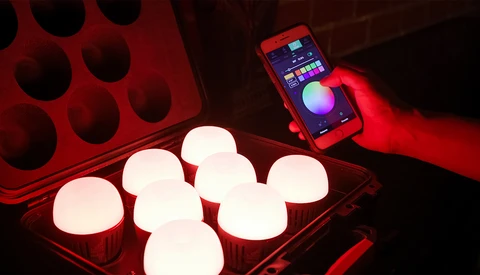
Aputure has released a number of cost-effective and innovative lights for photographers and videographers in the last few years. Now, one of their most popular lights (and most innovative for that matter) can come as a complete solution.
Given the global pandemic of COVID-19 (and the year that shall not be named), I very quickly found out that I am indeed, contrary to previously held opinions, an extrovert (and not an introvert). But given the situation, I wasn’t photographing people. What could I make that would work well with the images I already create?
Photographers generally avoid on-camera flash whenever they can, but there are situations in which you will not have another option. For those situations, there are certain things you can do to make the light look more natural, and this helpful video tutorial will show you what they are.
Lighting modifiers are a necessary tool for working with artificial light, but they can be quite expensive, and building a library can quickly drain your wallet. However, the humble umbrella is highly affordable, and you might be surprised by the shots you can create with them. This fantastic video tutorial will show you how to create professional profits using an umbrella.
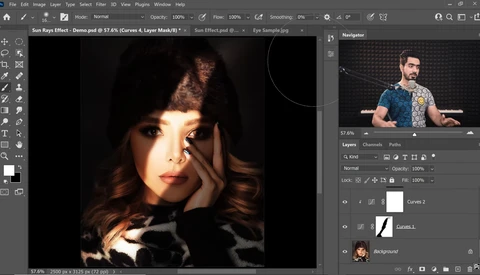
Learn how to create a sun ray effect in Adobe Photoshop in this brief but effective tutorial.
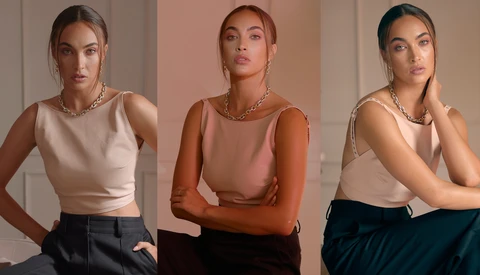
Roberto Valenzuela is a Canon Explorer of Light and is constantly pushing himself and others to learn the possibilities of light. In a recent project, he set out to take images of a single model with three different types of light (natural, flash, and strobe), and I asked him to talk us through the results.
A little different from the last handful of episodes, Nathan Elson’s How I Got the Shot, Episode 7, moves into a darker-toned portrait set marked by its emphasis on moody overhead lighting.
Elson’s SetOne of my favorite parts of Elson’s videos is the wide-angle view that he shares of his entire set. In this case, we get to see exactly where Elson places his lights.
Nathan Elson is back with another installment of his "How I Got the Shot" short-form tutorials. This time, Elson is sharing his process for creating an image using light reflected from his seamless as his key.
One area of photography that seems to be avoided by many newcomers is the use of a flash or strobe. I believe this is partially due to the additional cost of equipment and the learning curve involved; I know it was for me. Flash photography is undoubtedly one of those areas that require experience to be good at it.
Strobe lighting can seem quite daunting for the uninitiated, but once you get past any fear you might have and just dive into it, it really isn't that complicated. This straight-to-the-point introduction to strobe lighting is a great place to start.
You can do quite a lot with natural light, but if you want to truly take full control of your photos, learning how to work with artificial light is the way to go. If you are wondering how to get started, this excellent video tutorial will guide you through the process of shooting outdoor portraits using a speedlight and affordable shoot-through umbrella.
The high-key look is quite popular in a variety of applications, as it produces a bright, punchy image that instantly draws the viewer's eye to the subject. You do not always need powerful strobes to achieve it, however.
Soft light is great for portraiture, offering a flattering rendering of your subject's features. This great video tutorial will show you how to create ultra-soft light for portraits.
A lot of photographers struggle when they first start working with off-camera flash. One of the most fundamental and crucial techniques you will need to master is balancing your strobes and ambient light. This excellent video tutorial will show you how to do just that.
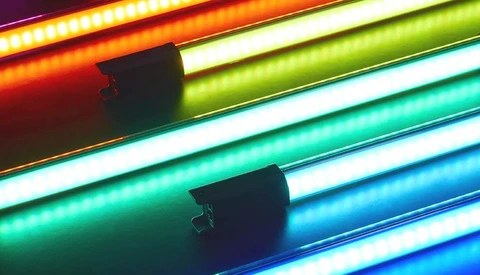
Whether you’re a photographer or videographer, you know the difference lighting can make in creating a compelling shot. While there are dozens of tools and techniques you can leverage in your next shoot, the Godox TL60 tube light might offer the creative possibilities you’re looking for, particularly for video work. Want to see what makes it so special?
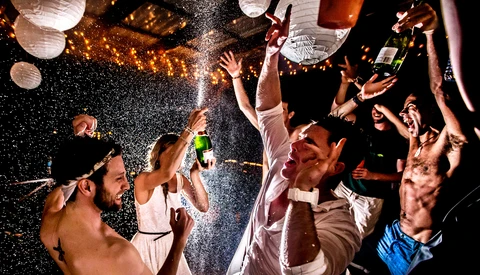
Reception lighting is where most photographers struggle the most. The chaos of the dance floor mixed with low-light shooting conditions make for a constant struggle. But these six lighting setups will help you take your reception images to the next level.
Using multiple lights can enable complex and innovative creative opportunities that simply would not be possible with just a single light or natural light. This fantastic video tutorial will show you how this dramatic nighttime portrait was lit with three lights.
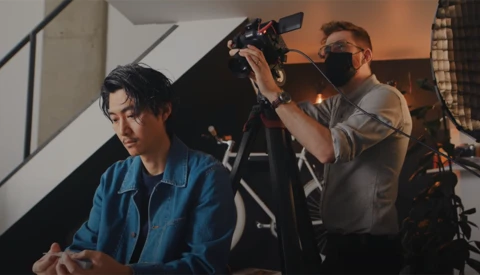
YouTube filmmaking has become more common and easier nowadays, but can you make your videos stand out by making them more “cinematic?”
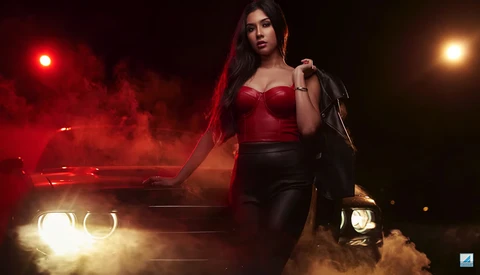
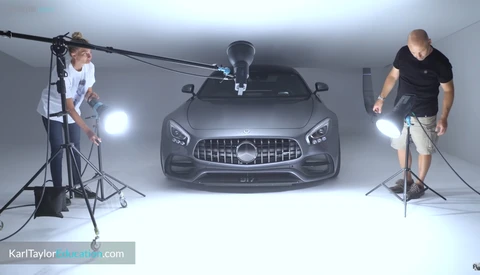
Automotive photography is attractive to us petrol-heads, but it's not the easiest genre to get into. Here are ten tips for taking better pictures of cars and motorbikes.
Though many shots are properly exposed from corner to corner, there are times where you want a darker scene, particularly if you're simulating nighttime. Here are five techniques for doing just that.
When it comes to portraits, one of the most important decisions you can make is the choice of modifier. This great video will show you three common modifiers (softbox, parabolic umbrella, and umbrella) along with a lot of helpful example photos to show you how they will render your subject.