How To Decide if a New Camera Is Right for You
With so many strong options in the market and so much noise surrounding each release, how do you know which camera system is right for you?
With so many strong options in the market and so much noise surrounding each release, how do you know which camera system is right for you?
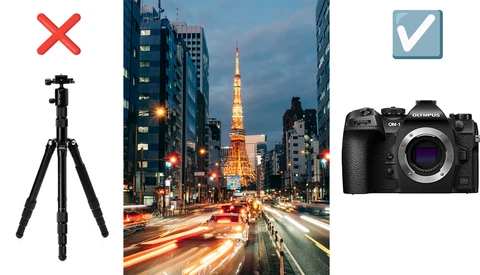
I’m never taking a tripod on vacation again. Last year I took a lightweight compact travel tripod to Japan but never used it once. This was because shooting long exposures on the OM System OM-1 was a breeze. The camera boasts incredible 7 stops of image stabilization, increasing to 8 stops with compatible lenses.
If it’s not on paper, it’s not a real photograph. You must’ve heard this sentence at least once in your photographic journey. For many, it rings true. The best way to appreciate our captures is to hold them on a physical paper. But how to best print at home? Which printer to get? How to use it?
It’s a cliché but true nonetheless—old habits die hard. Following the same routine day in and day out because it’s what we know and are comfortable with can lead us into a rut of our own making. In a creative process like photography, repetition and routine can easily become a recipe for bland.
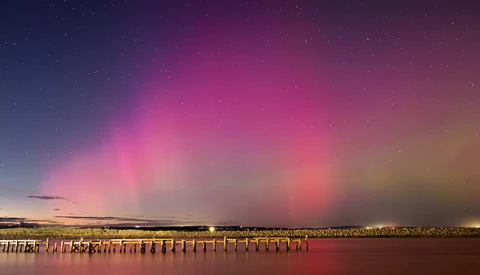
There are two powerful areas we can use to take our photos to the next level. Yet, they are rarely written about in photography articles.
In this second collaborative article co-written with Polish artist and photographer Maya Kot, we discover the power of using the elements and principles of art in our photos.
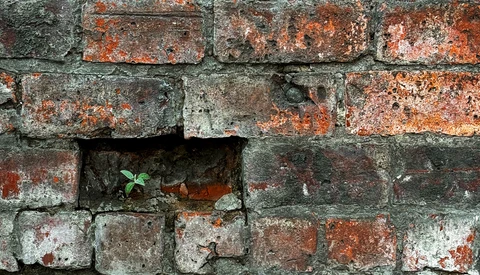
Amidst the hustle and bustle of daily life, finding avenues for relaxation, exercise, and enjoyment is crucial for maintaining mental and physical well-being. Photography is a practice that can be more than just a hobby or a profession but also a therapeutic tool. This article discusses how photography can add value, peace, and well-being into your life.
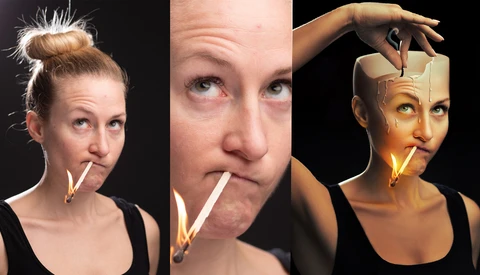
Have you been taking the same images with slight variations over the last few years? Have you seen new technologies shake up the photography world, yet largely kept your distance from them? Today, the esteemed Kristina Sherk from Shark Pixel shares with us one such tool that can revamp the work you've been putting out.
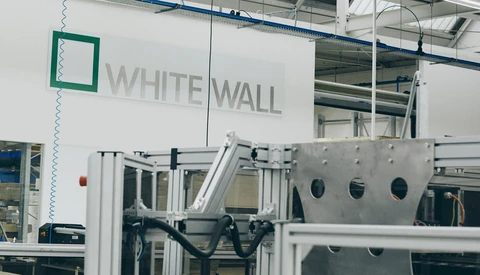
Named the world’s best photo lab, WhiteWall is in constant pursuit of excellence in the physical reproduction of photographs. How do they do it, what motivates them, and is there really a difference? I took a trip to WhiteWall’s factory in Germany to find out.
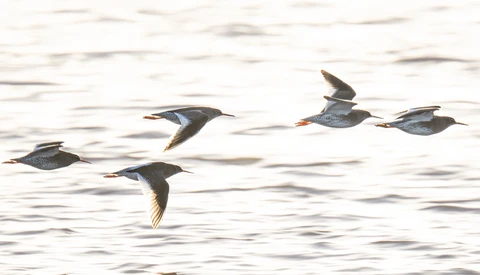
How much of a difference does AI-based subject detection make to your photography? The technology should increase our hit rate, but how much of a difference does it make?
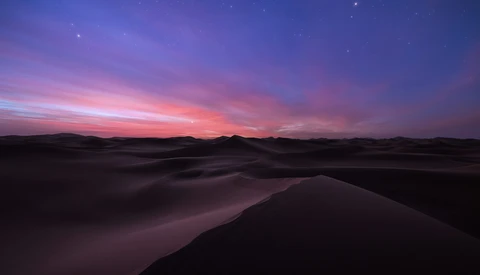
In this article, I share five photo editing techniques in Photoshop you can use to create better night photos.
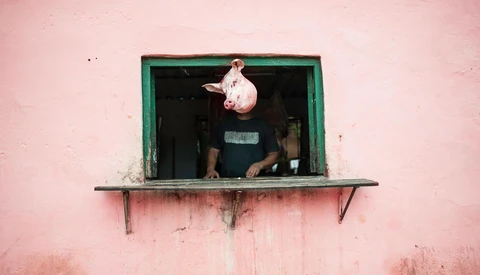
We've all needed help on the path to becoming photographers. Did some great advice help get you there? Advice may help you out of a bind or may help you to understand something you can't quite get the hang of. Of course, advice may also lead you down the wrong road. So, once you receive advice, you have to determine the value of the guidance. Is it good or bad advice?
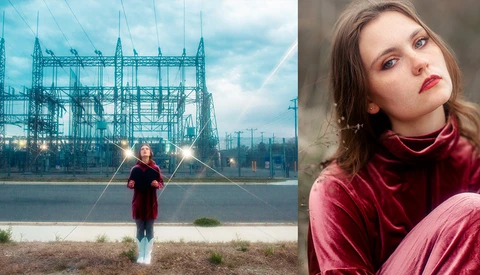
I’ve been seeing Prism Lens FX filters everywhere and have been curious about what they're actually like to shoot with. There are so many interesting filters available that it’s hard to know which ones are worth the investment. So, here’s a comparison of the Lucid Dream FX Filter and the Moody FX Filter.

Stop motion animation is a great technique for creating attention-grabbing content to promote a brand or your own photography, or even just for fun. In this article, I am going to show you how to shoot and assemble a series of still images to create an eye-catching stop motion animation.
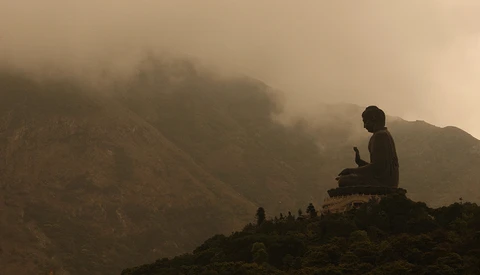
Sometimes, the benefit of photography goes well beyond the pretty pictures.
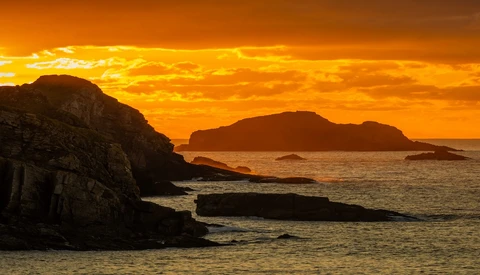
Throughout my photography journey, I've encountered various mistakes that have served as valuable learning experiences, ultimately shaping my understanding and approach to the craft. In this article, I'll share some of these mistakes, how you can avoid them, and how they've contributed to my growth as a photographer.
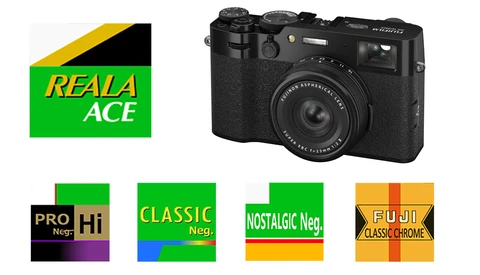
One of the things I was most excited about when I saw the launch of the Fujifilm X100VI was the new color film simulation Reala Ace. I was keen to find out how this new film sim compares to other favorites on X Series cameras.
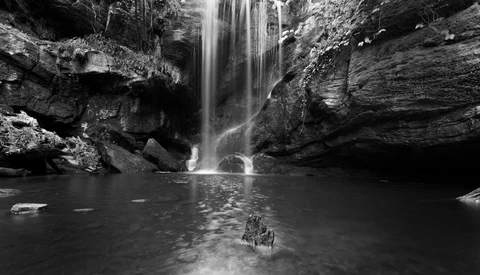
If you want to elevate it to a higher level, then there is an essential approach to your photography that you should embrace. Known for thousands of years, but nonetheless elusive, here's an approach to photography you can adopt, used by masters in all fields.
In today’s article, I’ll share a few thoughts on what has and has not proven to be worth the investment for me as a photographer.
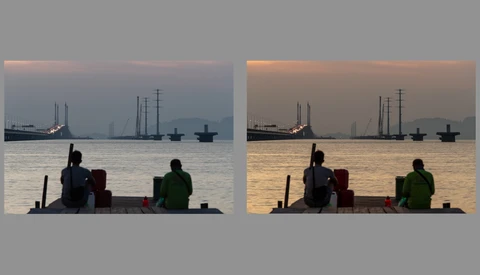
In today's fast-paced world of photography, managing the post-processing workload efficiently is almost a non-negotiable skill, especially when we are all guilty of shooting too much, only to suffer when dealing with large quantities of images.
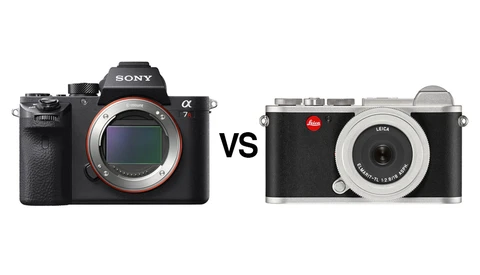
Switching gears in the world of photography can often feel like a leap of faith. The high cost of doing so doesn’t help either. Therefore, the decision to switch from one camera system to another is not taken lightly.
In Part 1 of this article, we discussed the competitive landscape that photographers face in today's digital age, where the easily accessible smartphones can challenge even the most skilled professionals to distinguish their work. Now, it's time to take those principles and build up an even stronger branding and marketing strategy.
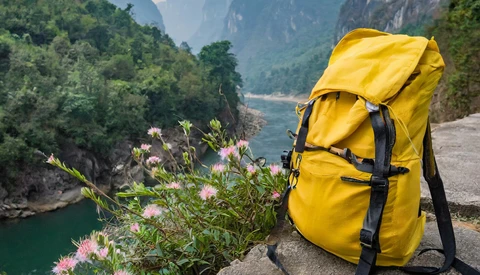
Today, it is common for a small company of 1-3 employees to design, create, and market a product without outsourcing any part of the process. Hiring someone from outside to market or sell the product is not an option for a small organization that must be conscious of how every penny is spent.
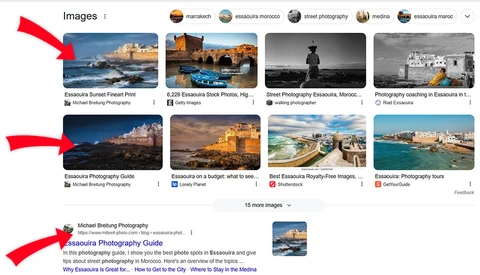
A few months ago, I wrote an article about how to get your website to the top of Google. I talked about the importance of search engine optimization, content strategies, keyword research, and search intent. If you put your SEO foundation in place following that article, you are ready to create content that will rank on Google.
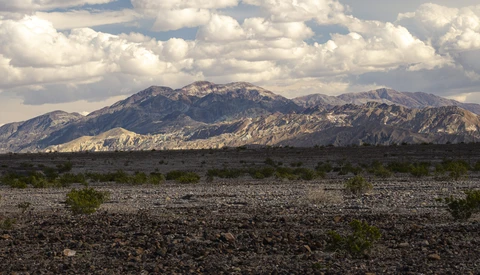
Whether to share locations in landscape photography is a frequent topic of discussion in landscape photographer communities. People get frustrated when they ask where a photo was taken and the photographer won’t tell them. Are they gatekeeping, or are they trying to protect the natural landscape?

When manufacturers give specifications of lenses, there is a lot of detail that is meaningless to many consumers of their products. When we writers review them, we tend to give the same information. Here’s a method I think would be much more helpful to most photographers.