
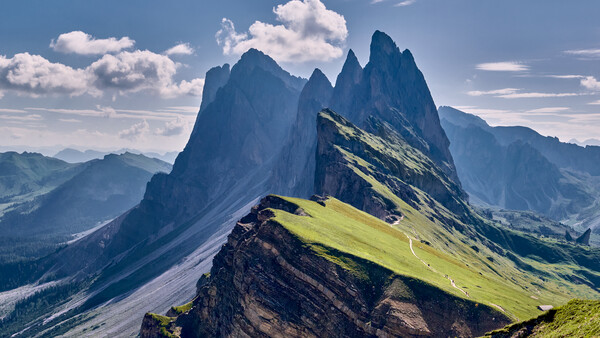
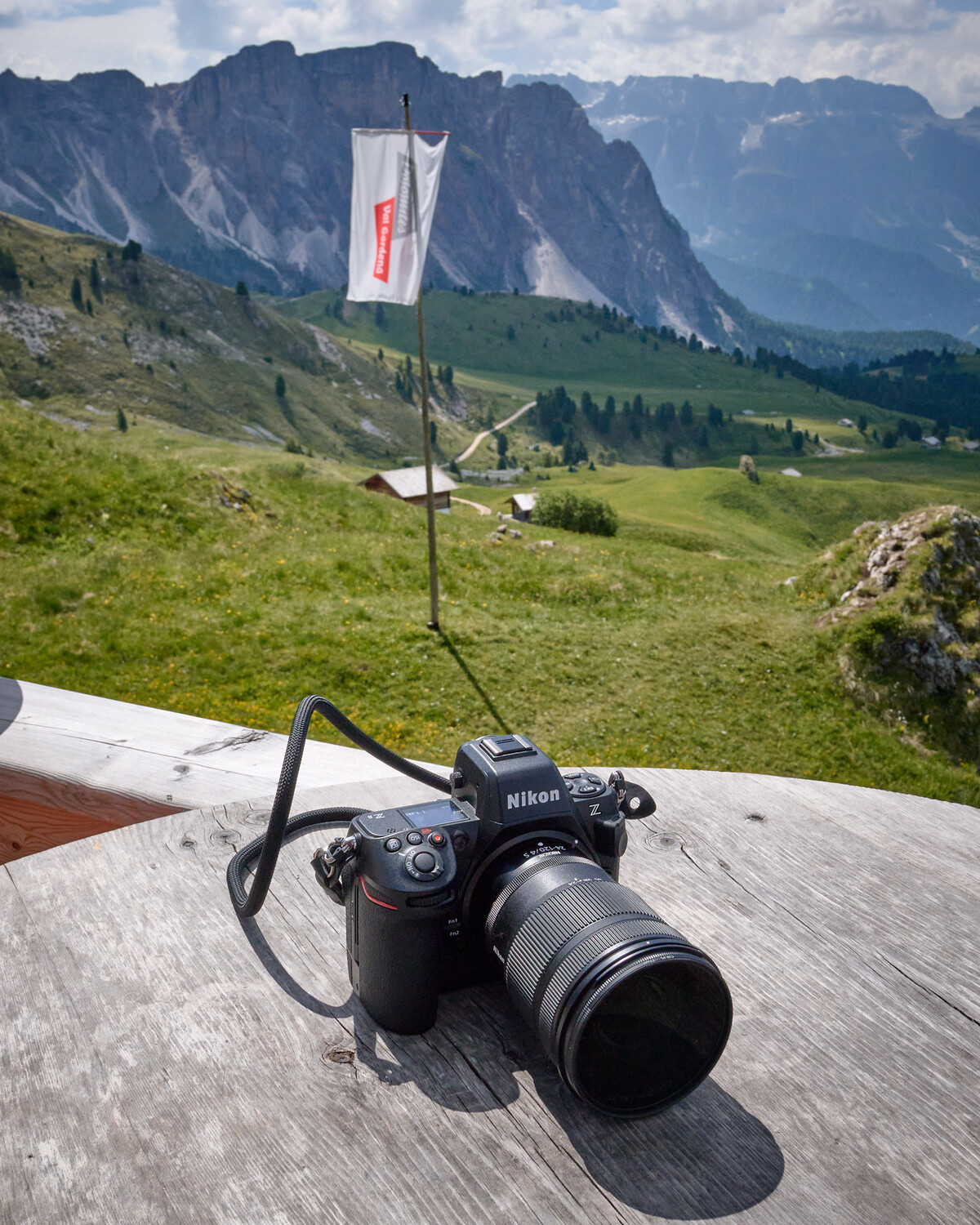
A couple of months back, Panasonic kindly allowed me to take the new Panasonic LUMIX L10 to the Italian Dolomites, with the rather simple brief of finding out what it was like as a travel companion. I wasn’t traveling with the L10 alone. Alongside it was my Nikon Z 8.
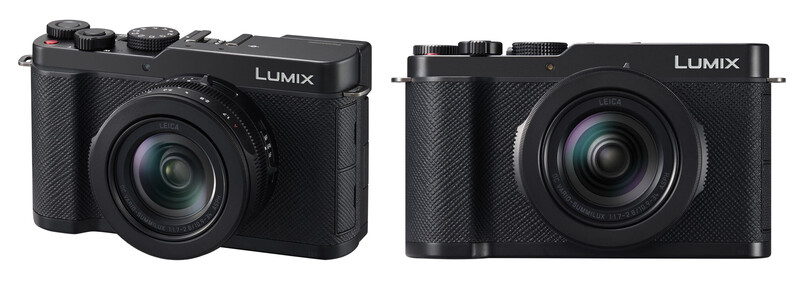
At first glance, putting the two cameras in the same camera bag seems a little unfair. The Z 8 is a substantial full frame camera, measuring approximately 144 x 118.5 x 83 mm and weighing around 910 g with its battery and memory card. The LUMIX L10, by comparison, comes in at 127.1 x 73.9 x 66.9 mm and 508 g ready to shoot.
Those numbers might not sound particularly dramatic on paper, but when you’re walking for hours, carrying everything you need for a day’s photography on your back, they start to mean something rather different. Weight becomes a consideration every time you lift the backpack. That was really the reason I was interested in taking the LUMIX L10 with me. That, and capability. Was the LUMIX L10 capable of capturing good images if I went on a long hike? Or if I simply wanted a capable travel companion to take anywhere, no matter the destination?
Not a Replacement
I wasn’t looking for a replacement for the Z 8. I already knew what the Nikon could do, and if I wanted the maximum flexibility and image quality from a landscape system, the answer was sitting in my camera bag. What I wanted to discover was whether the L10 could offer enough of that photographic experience in a considerably smaller and lighter package. A travel camera isn’t necessarily about having the smallest camera possible. For me, it is about finding the point where size, weight, capability, and, ultimately, the desire to take photographs come together. The L10’s fixed LEICA DC VARIO-SUMMILUX 24-75mm equivalent f/1.7-2.8 lens certainly looked promising in that respect, giving me a useful range without having to worry too much about missing photo opportunities.
First Impressions
My first impression of the LUMIX L10 was simply how small and light it felt. This, of course, sounds like an obvious observation, but coming from the Nikon Z 8, the difference was immediately noticeable. It was the sort of camera that I could pick up and carry around without really thinking about it, which is a rather important quality in a travel camera. I have fairly large hands, so I did initially consider buying a thumb grip to give me a little more purchase on the camera. In the end, I decided against it for this trip. However, I would highly recommend a thumb grip, and perhaps an additional grip if you were purchasing the camera.
The Menu System
The menu system was fairly straightforward once I had spent some time getting familiar with it. As with most cameras, there was an initial period of figuring out where Panasonic had decided to put everything, but after that it became reasonably intuitive. I also programmed a couple of the C-function dials to suit the way I thought I might use the camera. And then promptly didn’t use them.
The Lens
Most of my photography was shot in aperture priority, with the aperture controlled directly from the lens. It was a very natural way for me to work and, perhaps because the camera was being used as a travel companion rather than as a replacement for my main system, I found myself appreciating that simplicity. The lens itself also has an aspect-ratio control, something that proved useful on a couple of occasions. It’s one of those features that you don’t necessarily think about until you have it physically available, but being able to change the aspect ratio this quickly encouraged me to consider the composition slightly differently. If it hadn’t been there, it would’ve simply been a case of going into the menu and changing it, nothing difficult about that. But this was a “new toy” feature, and I enjoyed having and using it.
The zoom mechanism is not what I would describe as quick. It isn’t painfully slow either, but there is a noticeable deliberateness to the way it moves through its range. In another type of photography, that could potentially become frustrating, particularly if I were photographing subjects that were moving unpredictably. Mountains, valleys, and distant peaks have the rather useful habit of remaining relatively stationary while you decide how you want to photograph them. So in this instance, the speed of the zoom simply wasn’t an issue.
LCD
The fully articulating LCD was another feature I appreciated. It was bright and easy to see during daylight, and there were certainly occasions when being able to position the screen away from the body was useful. Yet, despite having a perfectly good screen available, I found myself using the electronic viewfinder for most of my photography. That wasn’t really because the viewfinder was necessarily better for composing an image. It was more deliberate than that, as I found myself enjoying that feeling of being immersed in the moment.
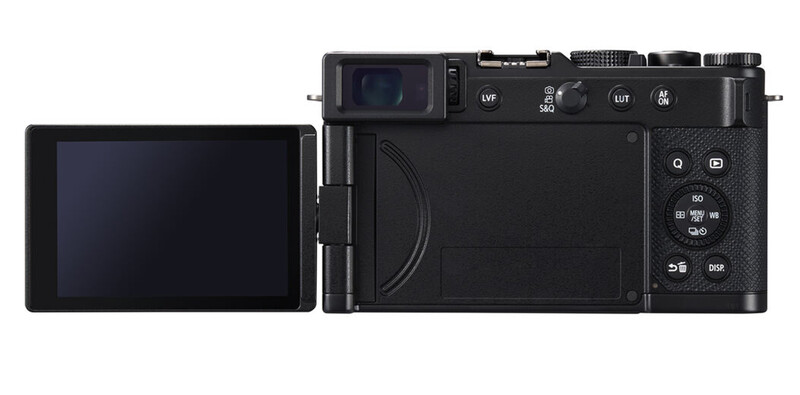
Image Quality
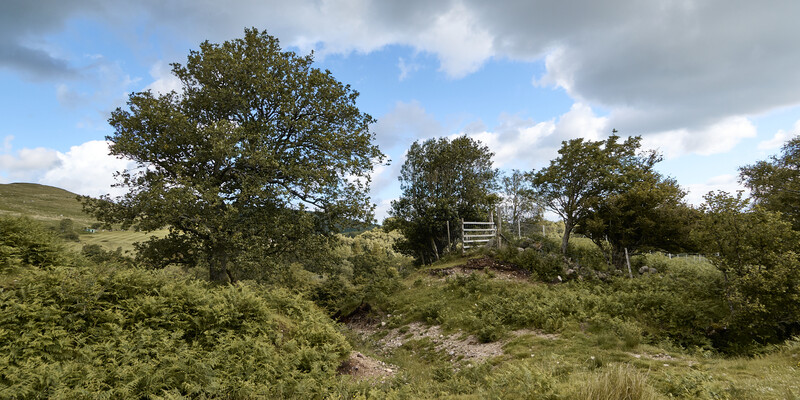
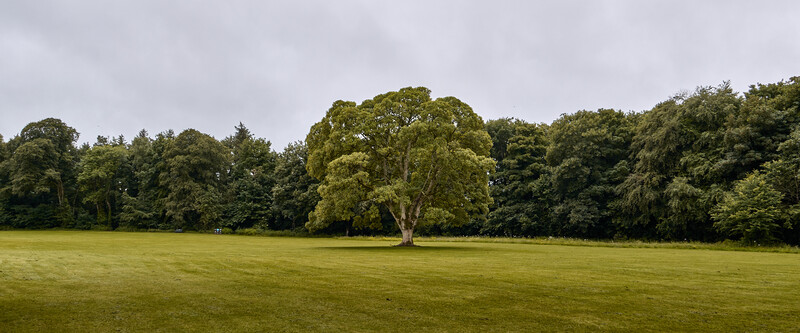
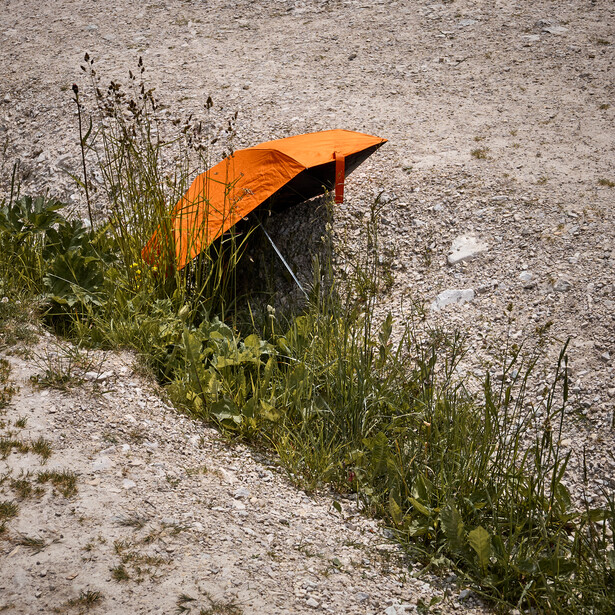
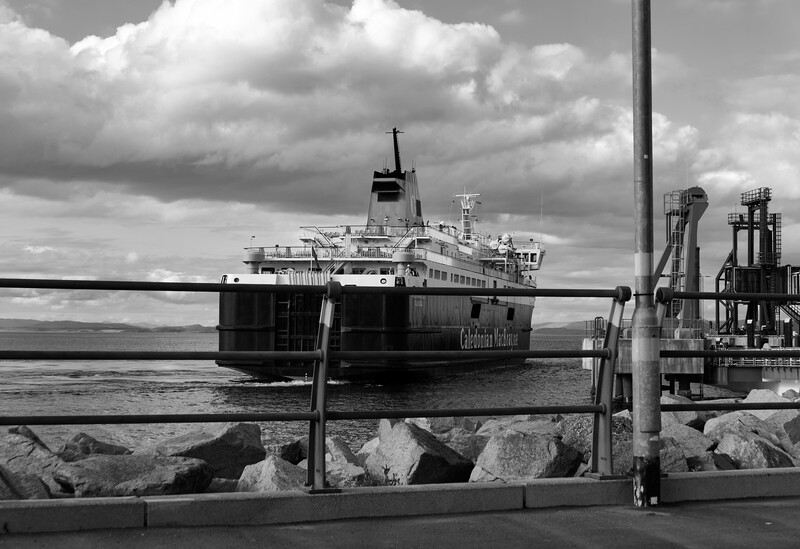
Perhaps this time I’ll let the images throughout the article speak for themselves rather than talk too much about image quality. You can judge for yourself what the Micro Four Thirds sensor is capable of. I’ll admit I was initially a little apprehensive, having spent so much time with larger sensors, but in reality, I’ve been very happy with both the images and, more importantly, the moments this little camera allowed me to capture.
What Makes a Good Travel Camera?
For me, a travel camera should, in essence, be just that: a camera for traveling. That might sound obvious, but I think it is surprisingly easy to lose sight of what that actually means when we start comparing cameras by specifications. A travel camera shouldn’t necessarily be the smallest camera you can buy, nor does it need to have every feature imaginable. It should be small enough to pack easily, light enough that you don’t resent carrying it, straightforward enough that you can pick it up and use it without thinking too much, and capable of producing great, if not excellent, image quality. And of course, it should make you want to take photographs.
It should be the camera you reach for when something catches your eye while walking down a street. When the light suddenly falls across a landscape. When you notice a small detail that everyone else has walked straight past. Those moments rarely announce themselves in advance, and if the camera is buried at the bottom of a bag, or too cumbersome to carry around comfortably, there is a good chance that moment will simply disappear. This is where I found the L10 particularly successful.

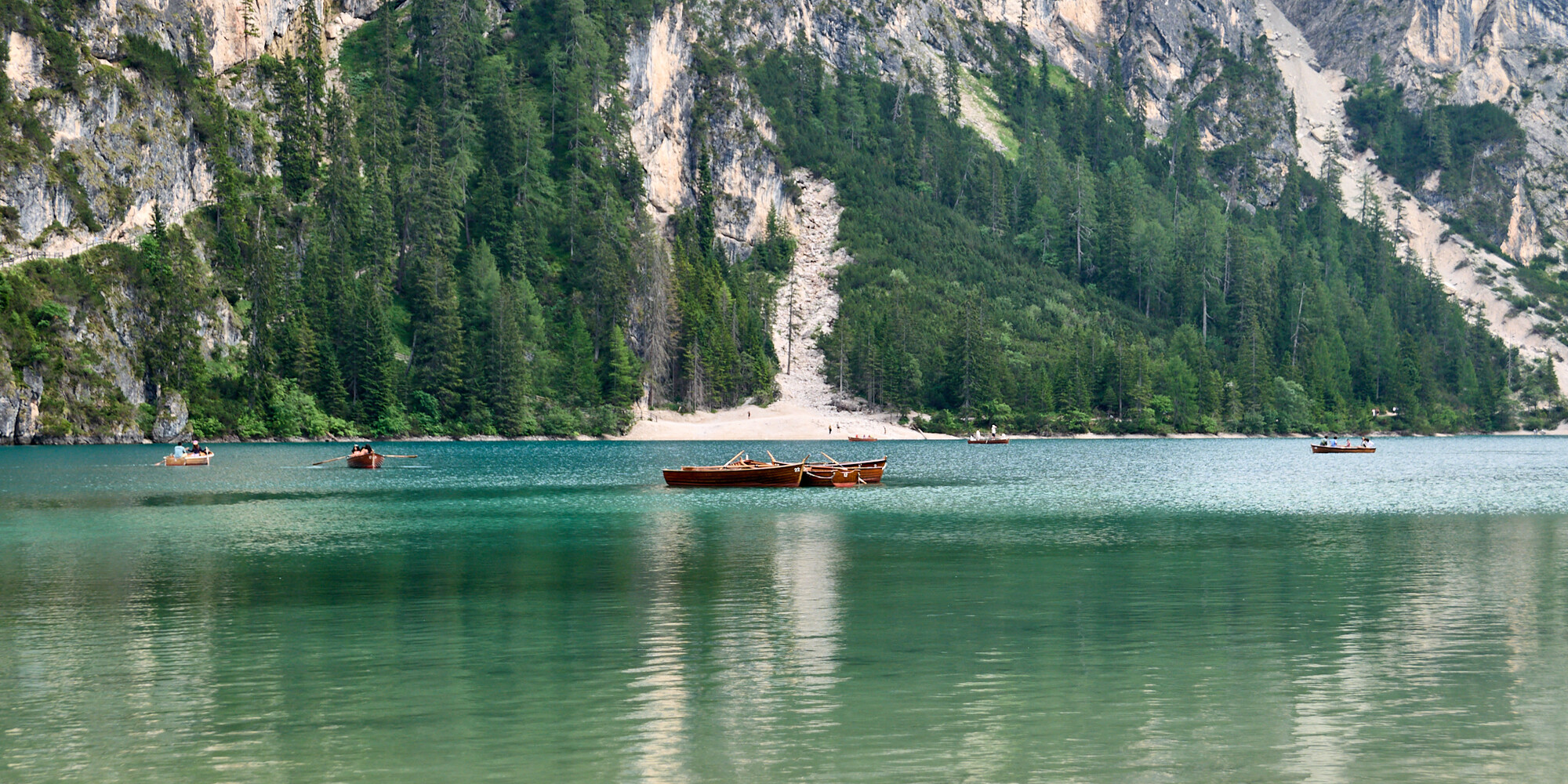
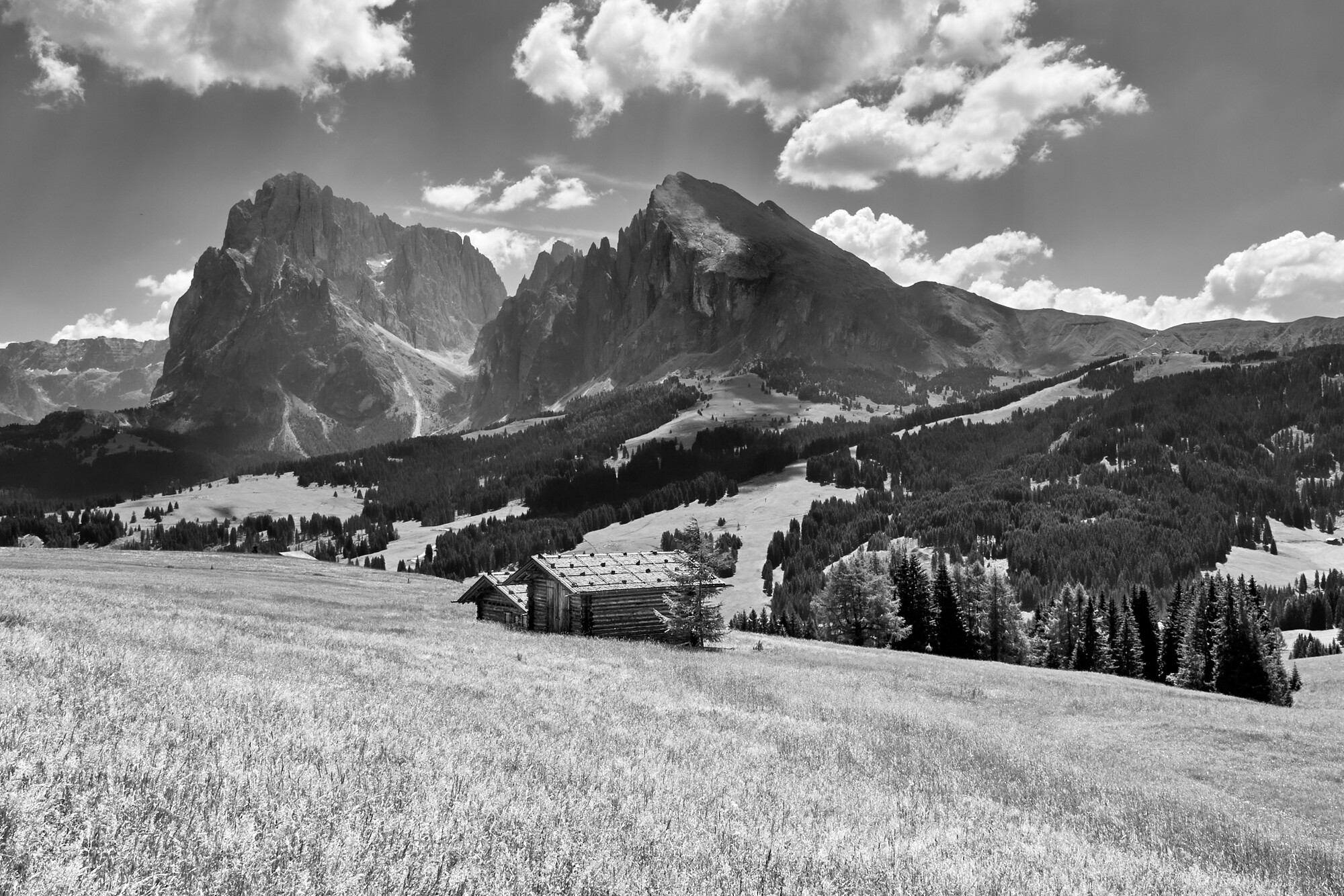
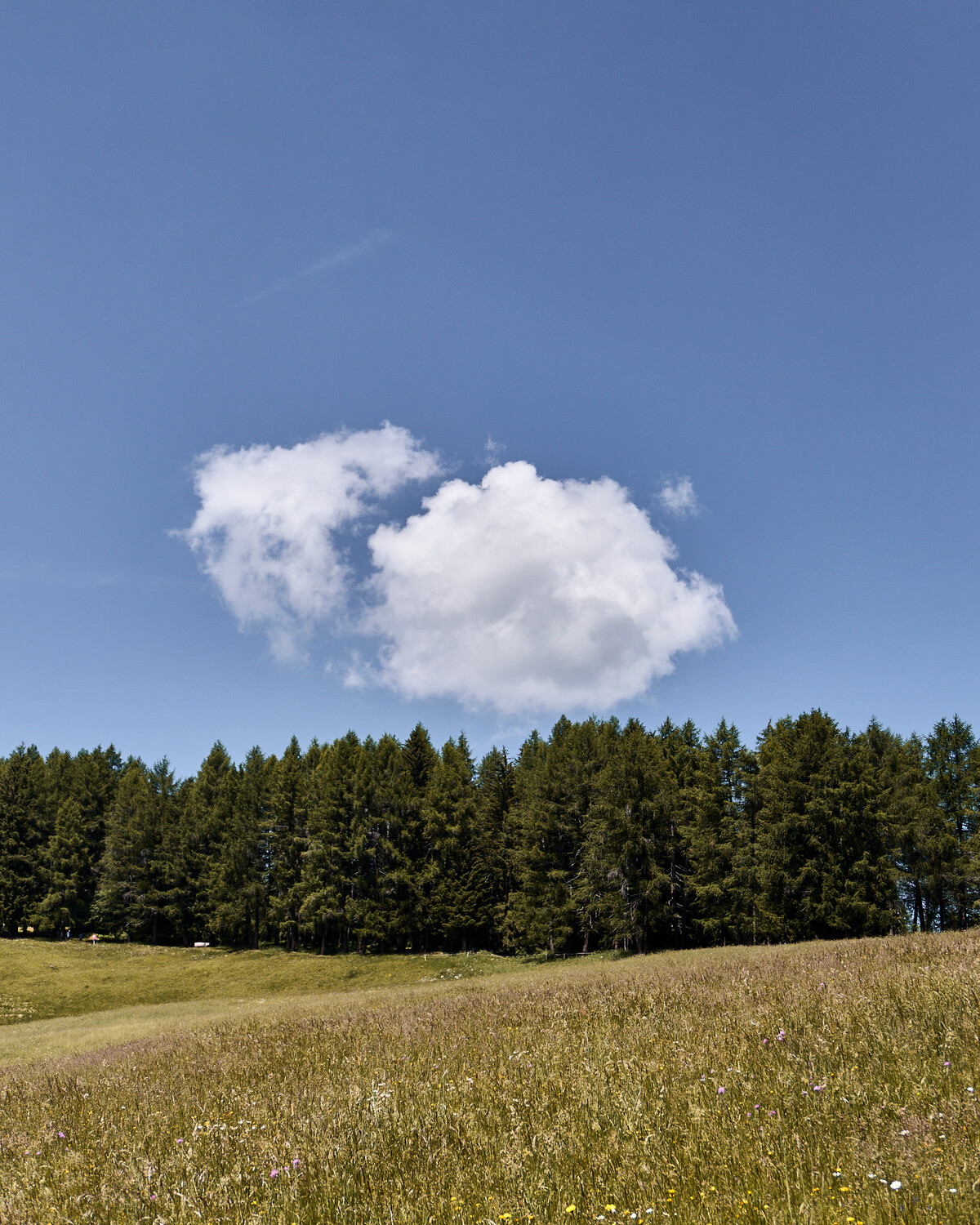
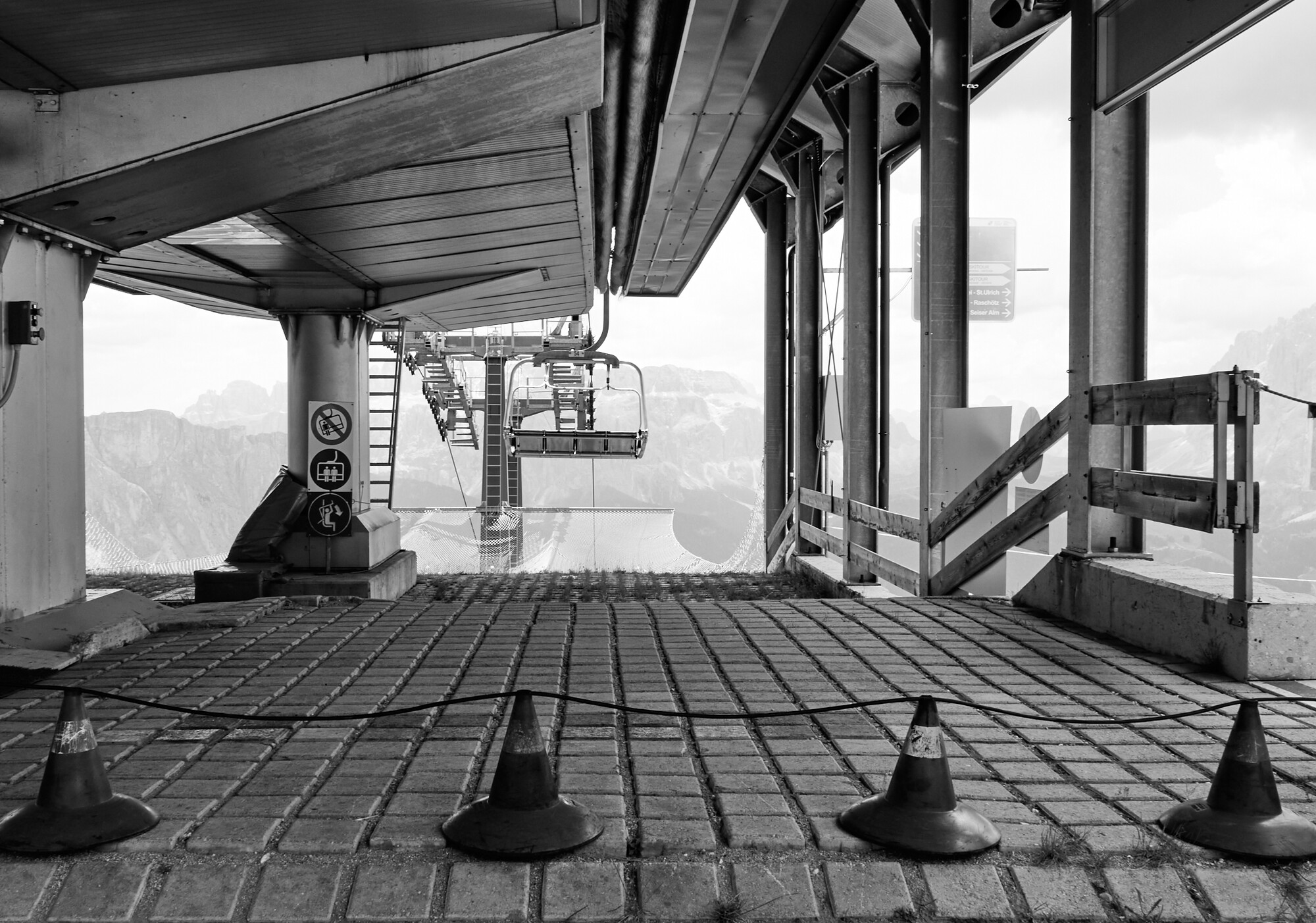
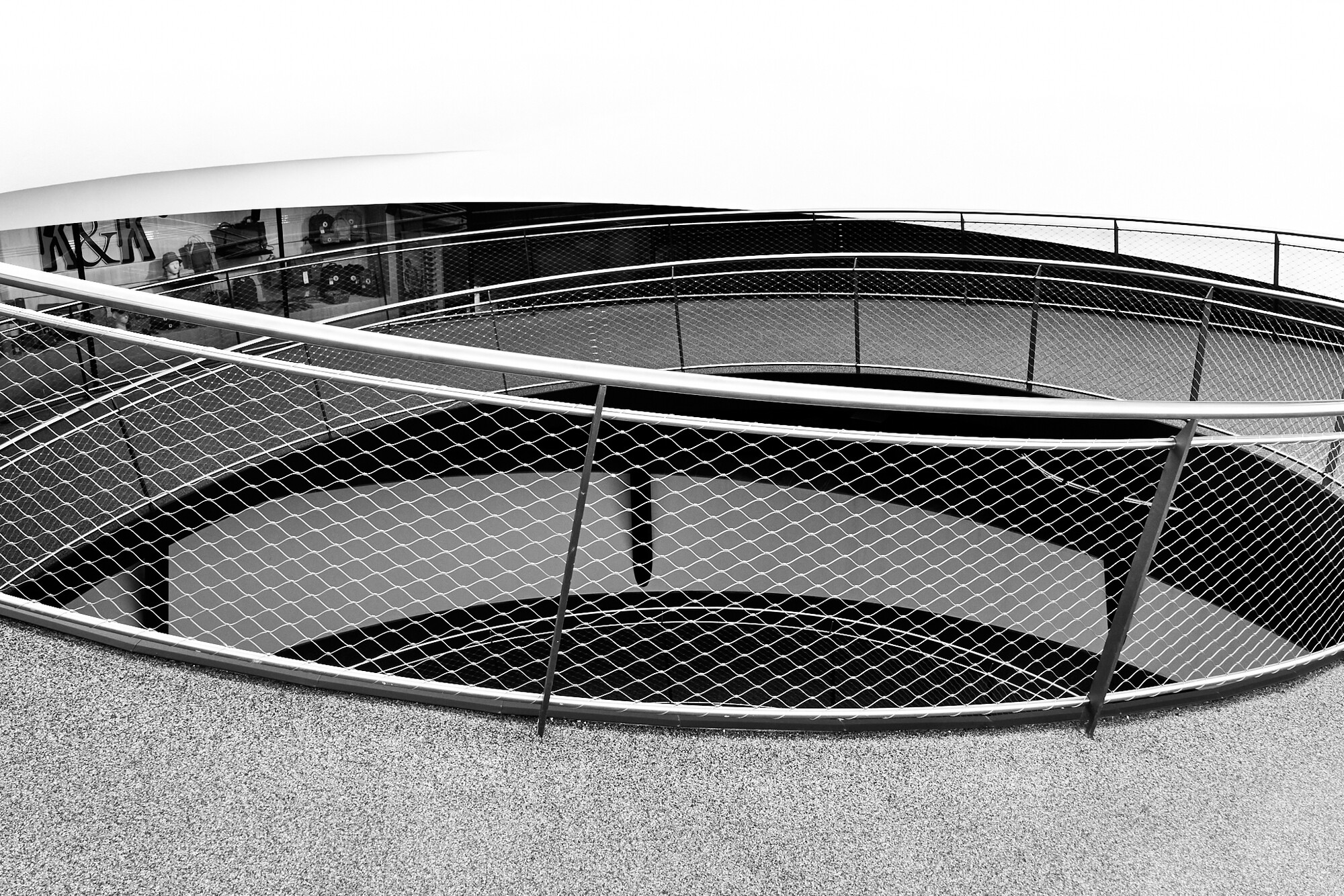
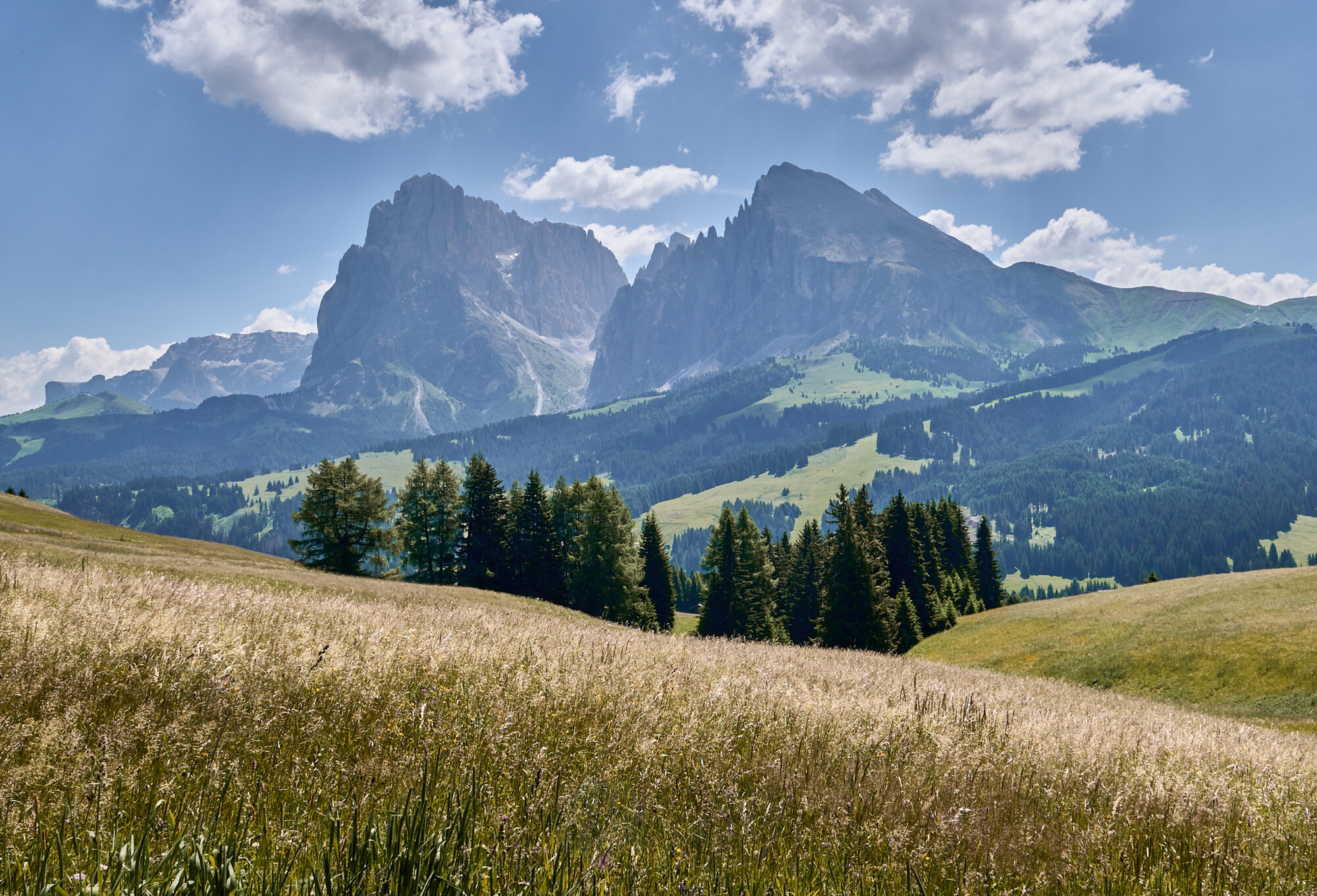
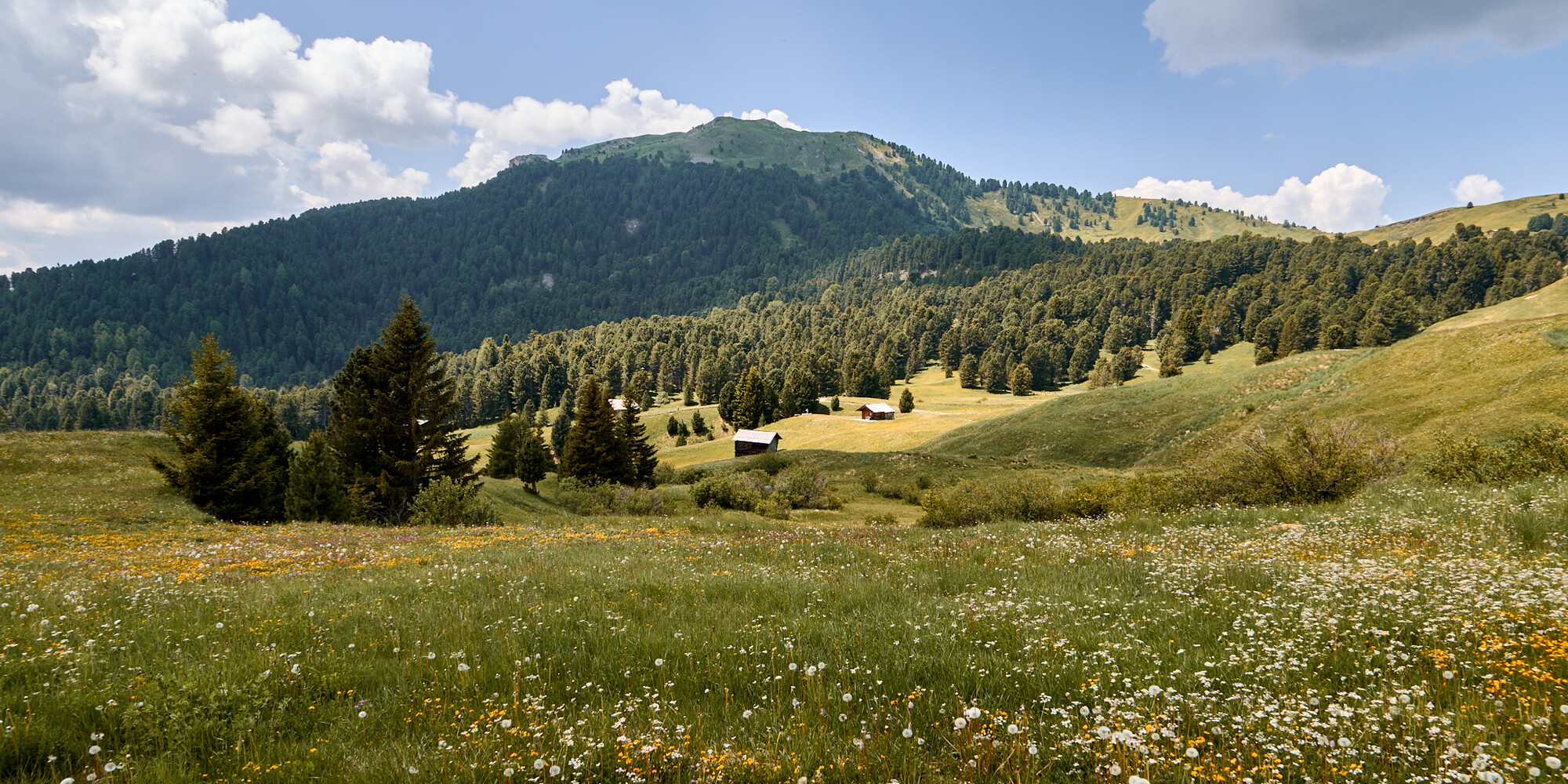
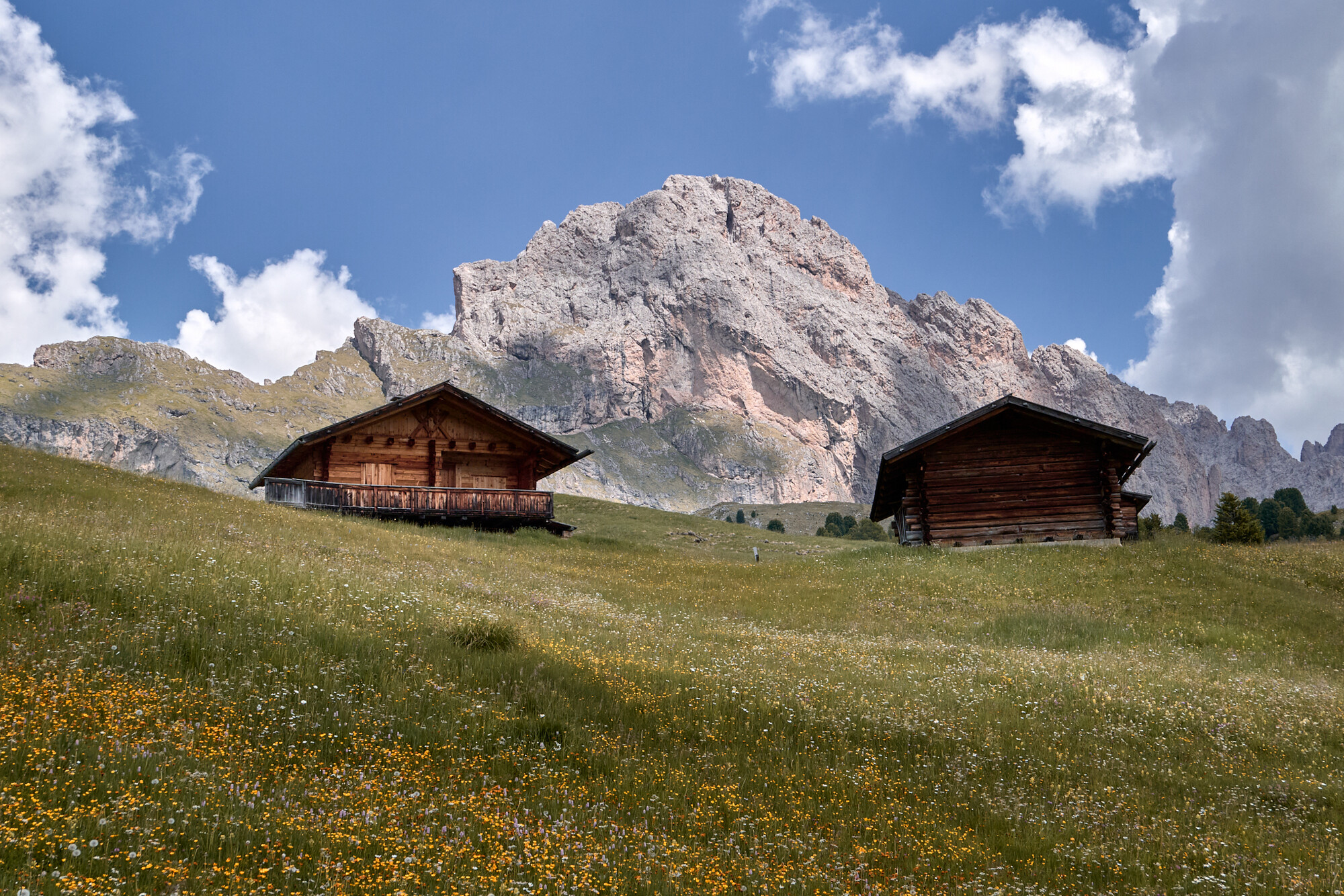
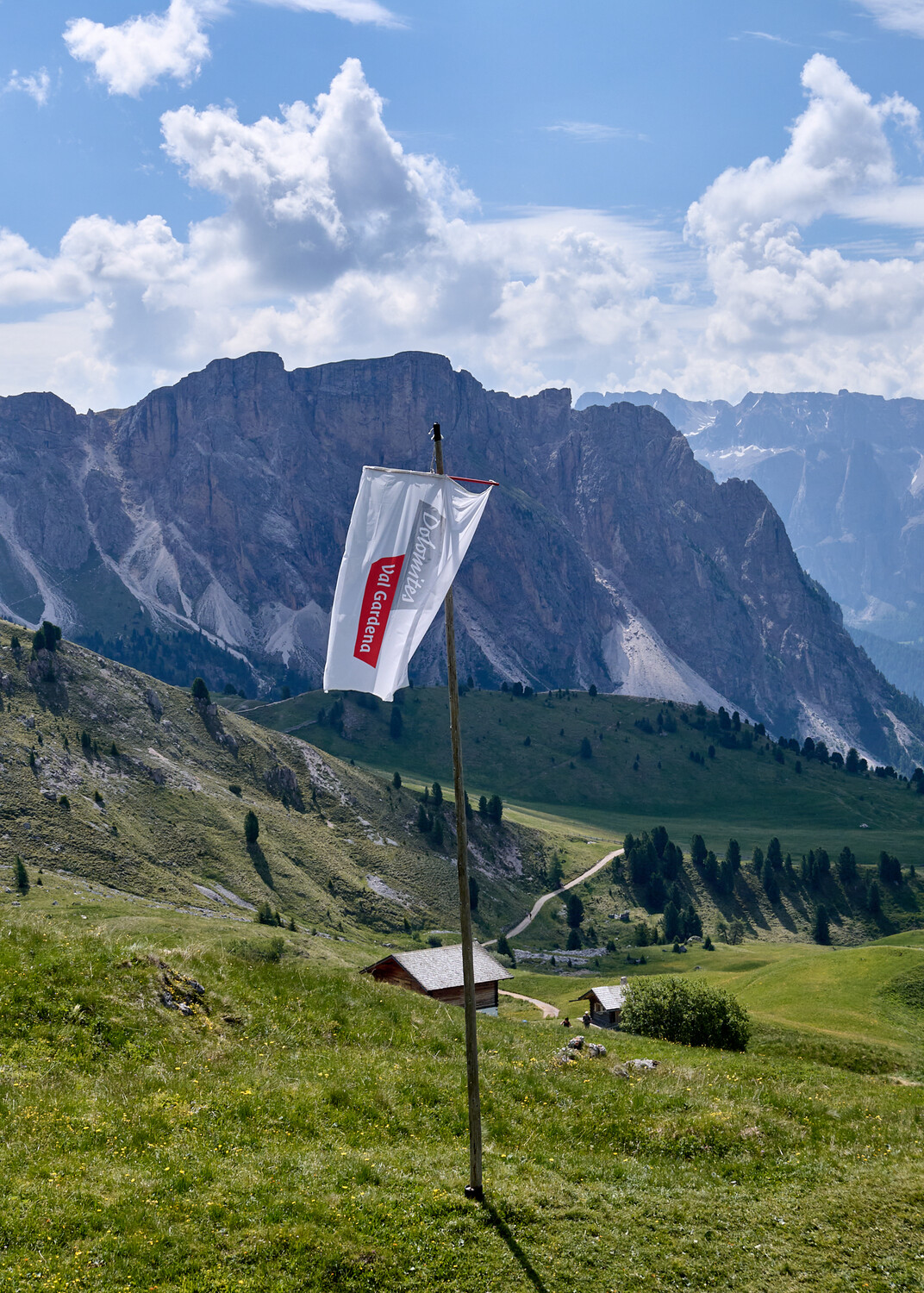
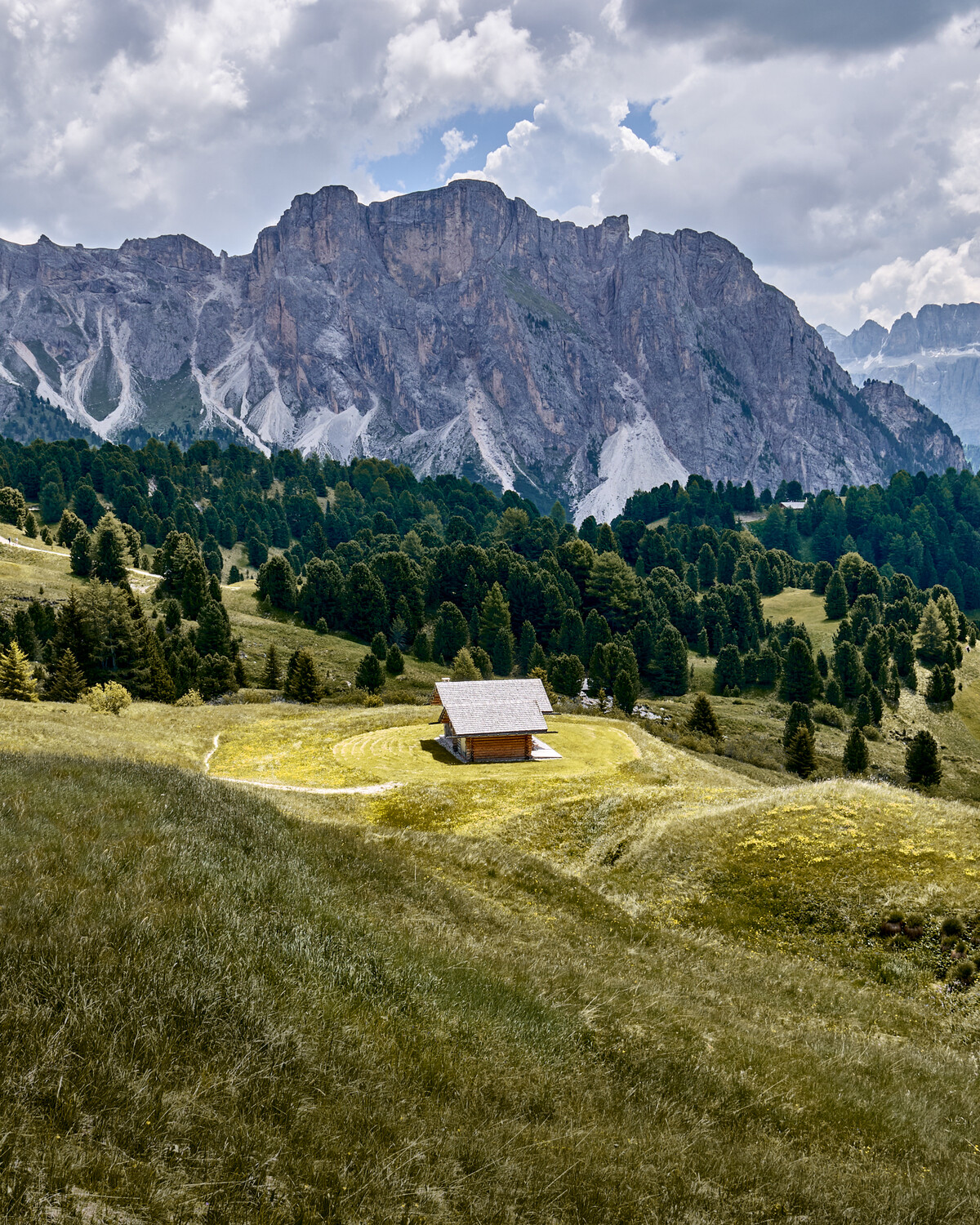
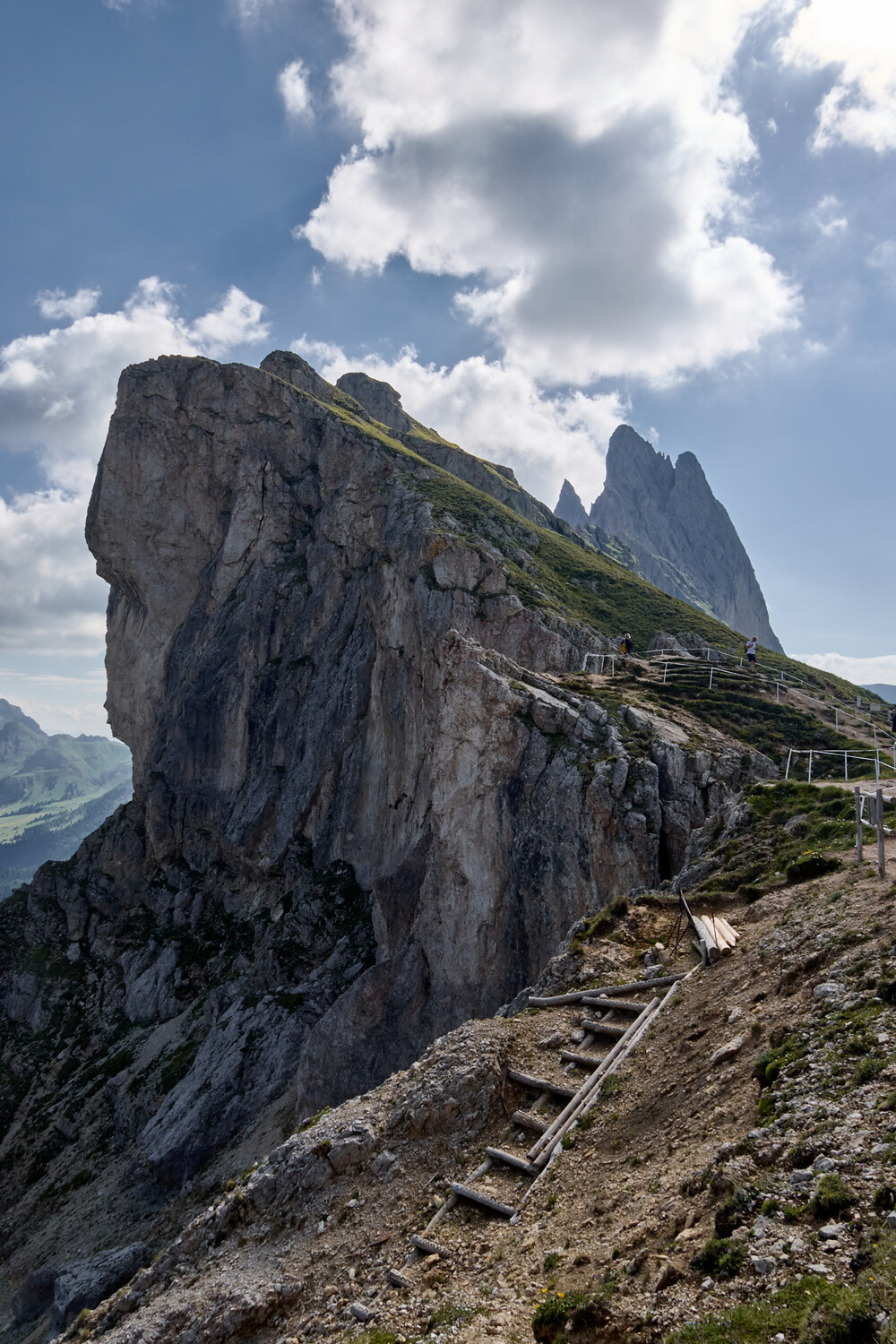
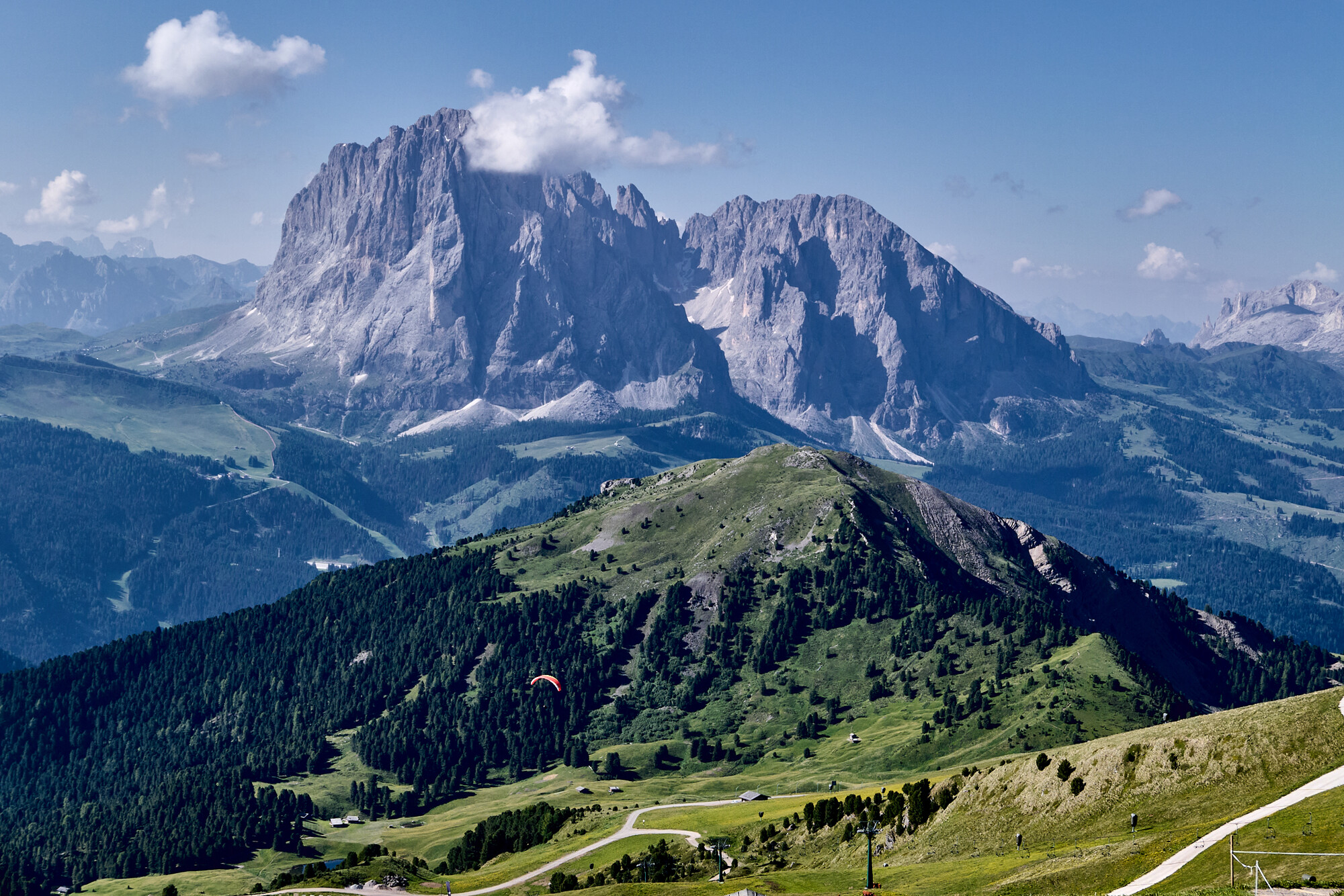
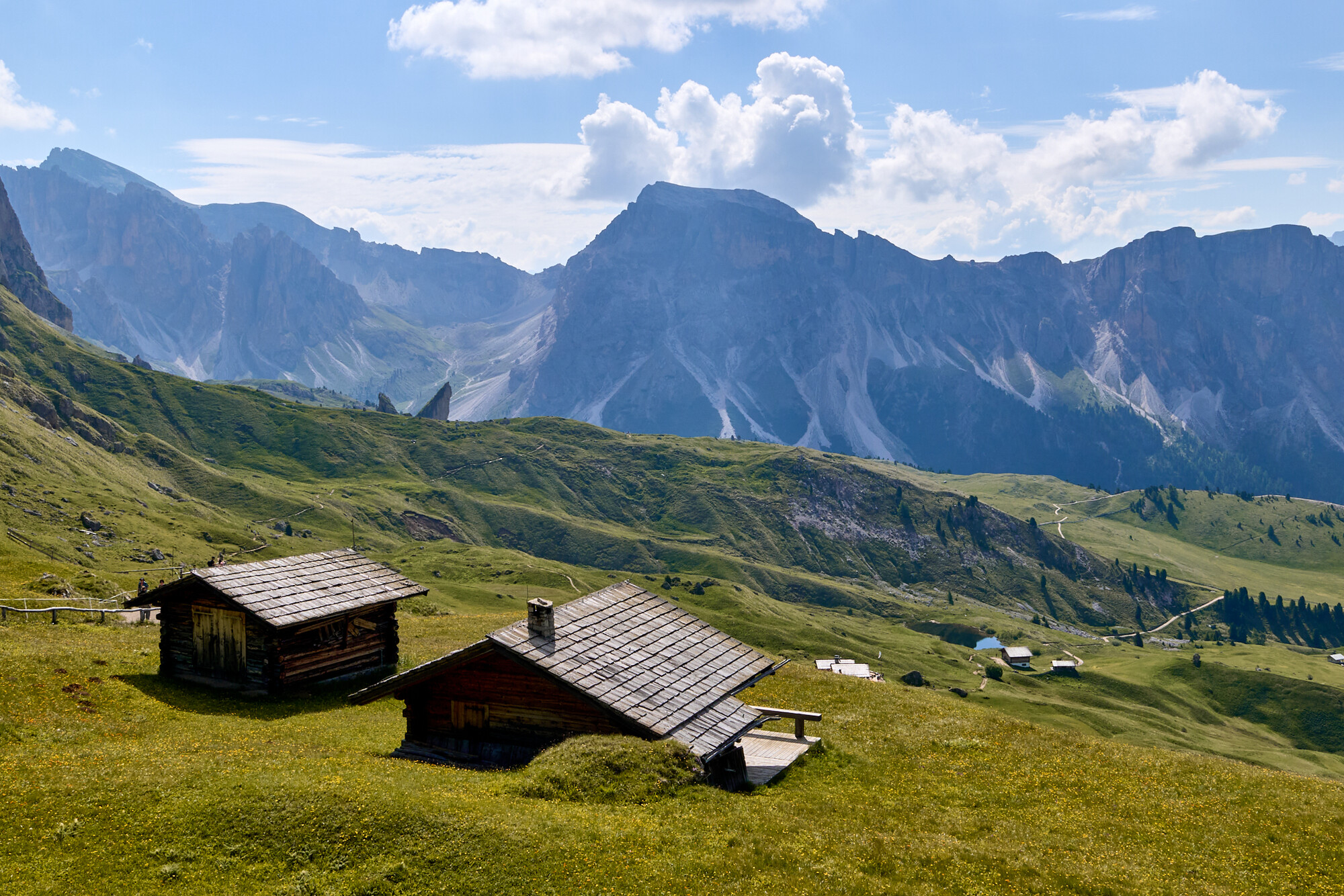
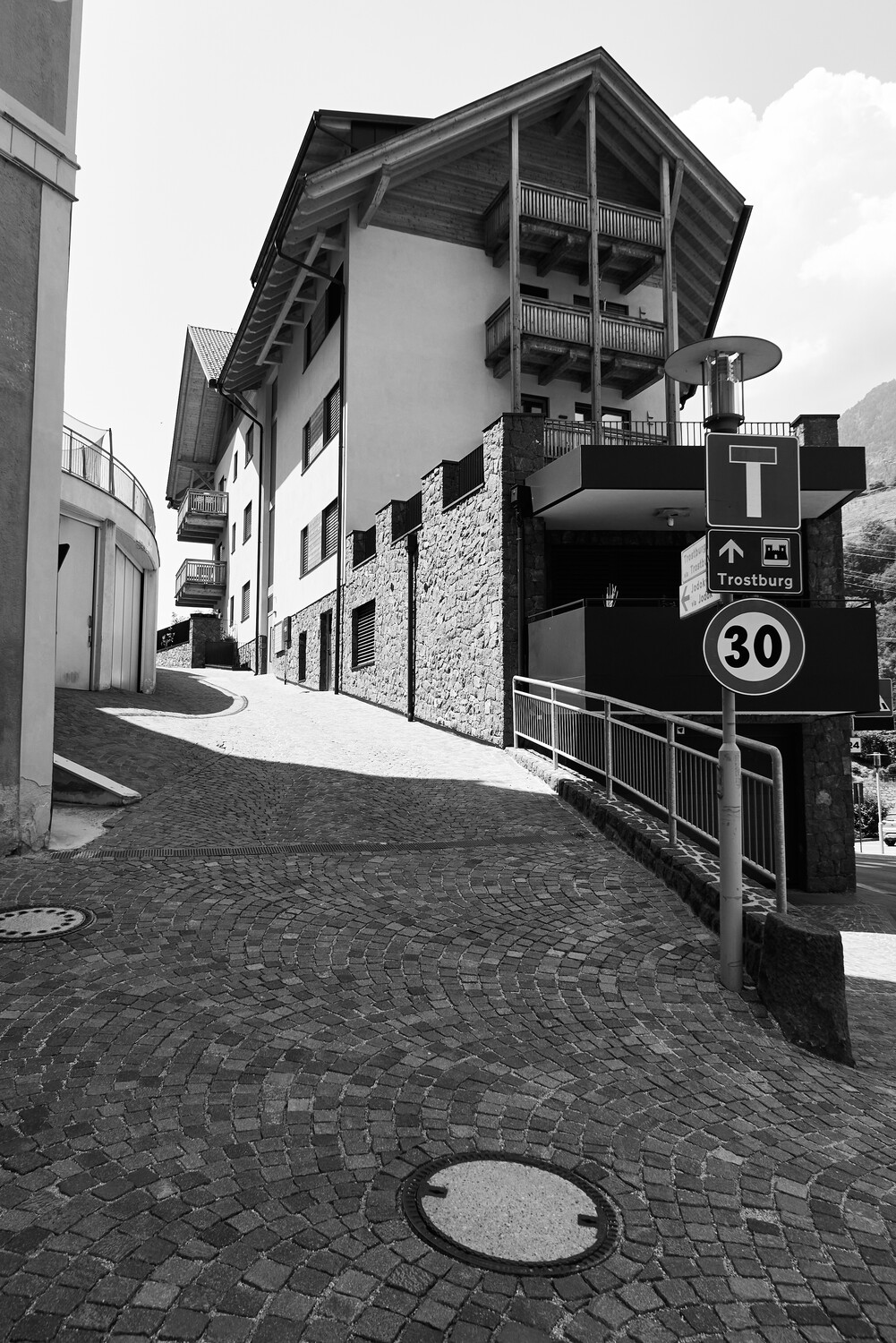
A few of the images captured in the Dolomites with the Lumix L10
Size and Quirks
I was experimenting with where I could physically put the camera when walking around, including various pockets, simply because it was small enough for that to become a realistic possibility. And that, in itself, says quite a lot about the camera’s appeal as a travel companion. And yes, there were, inevitably, a few quirks when doing this.
Occasionally, I’d reach into my pocket, pull the camera out, bring it up to my eye, and discover that I’d somehow managed to knock one of the dials onto a different setting. But I can’t really blame the camera for that. I was deliberately trying to see just how portable I could make the L10, and pockets aren’t exactly precision-engineered camera bags. So, if I suddenly found myself photographing at a completely different setting from the one I’d intended, it was usually my fault and not that of the camera.
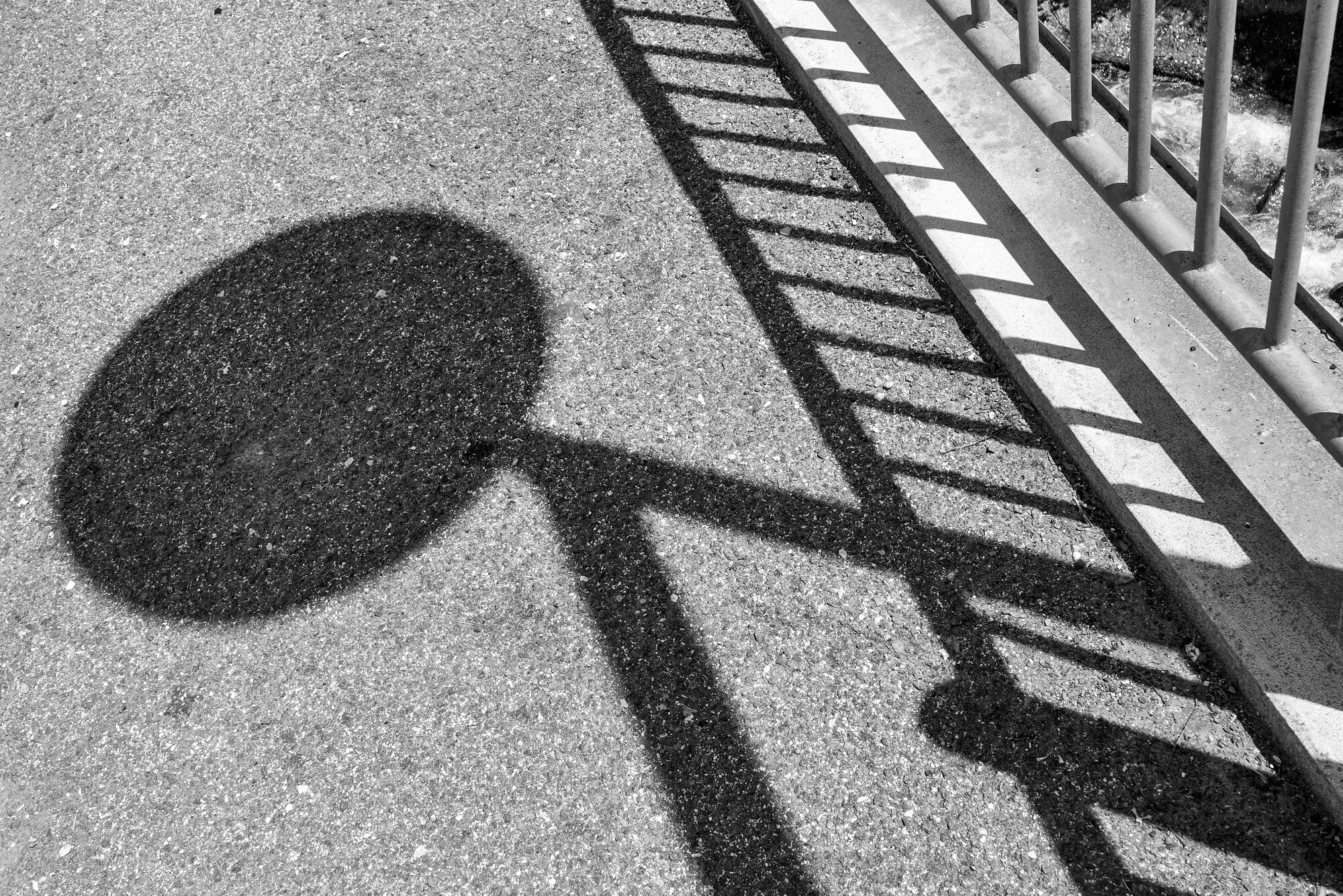
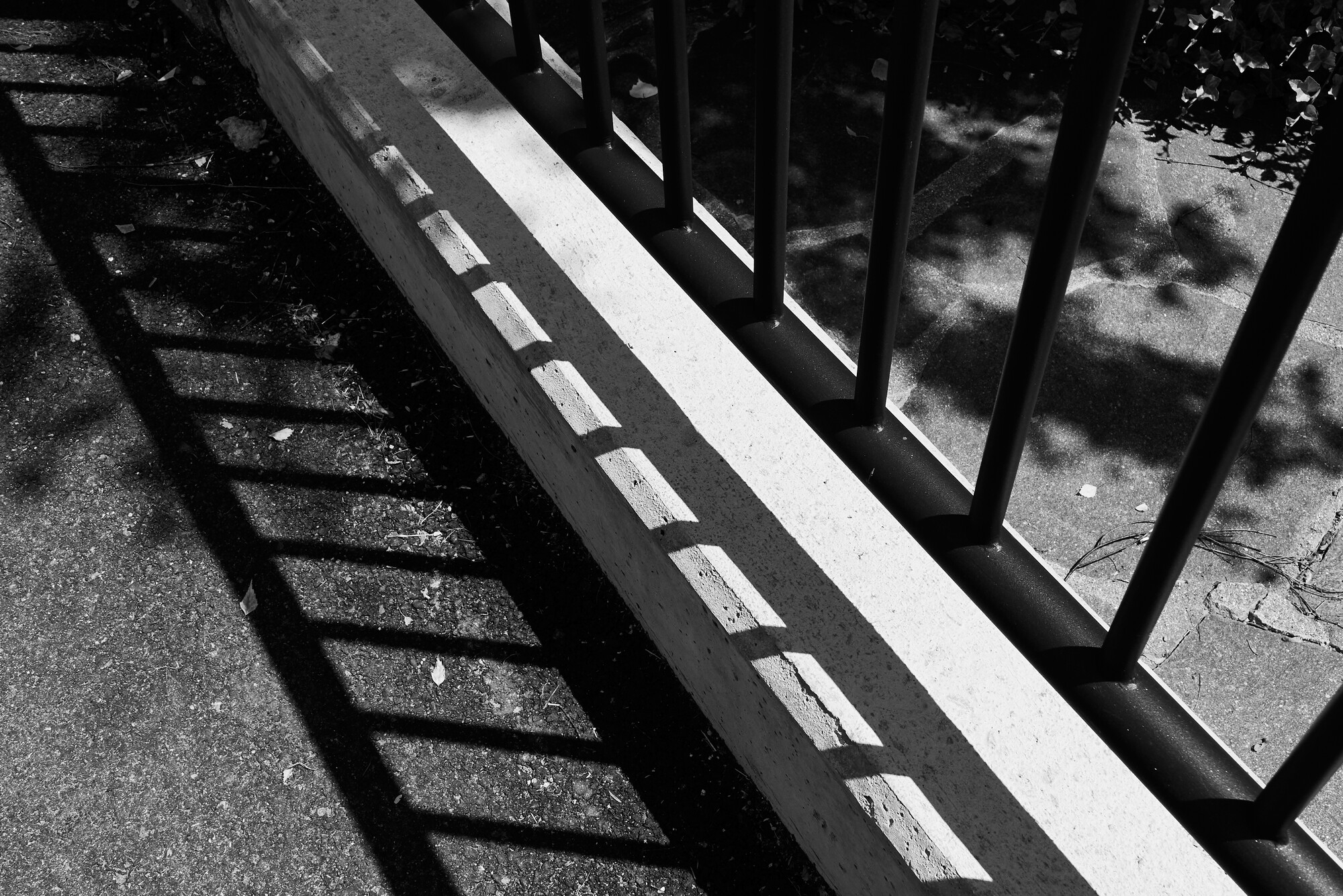
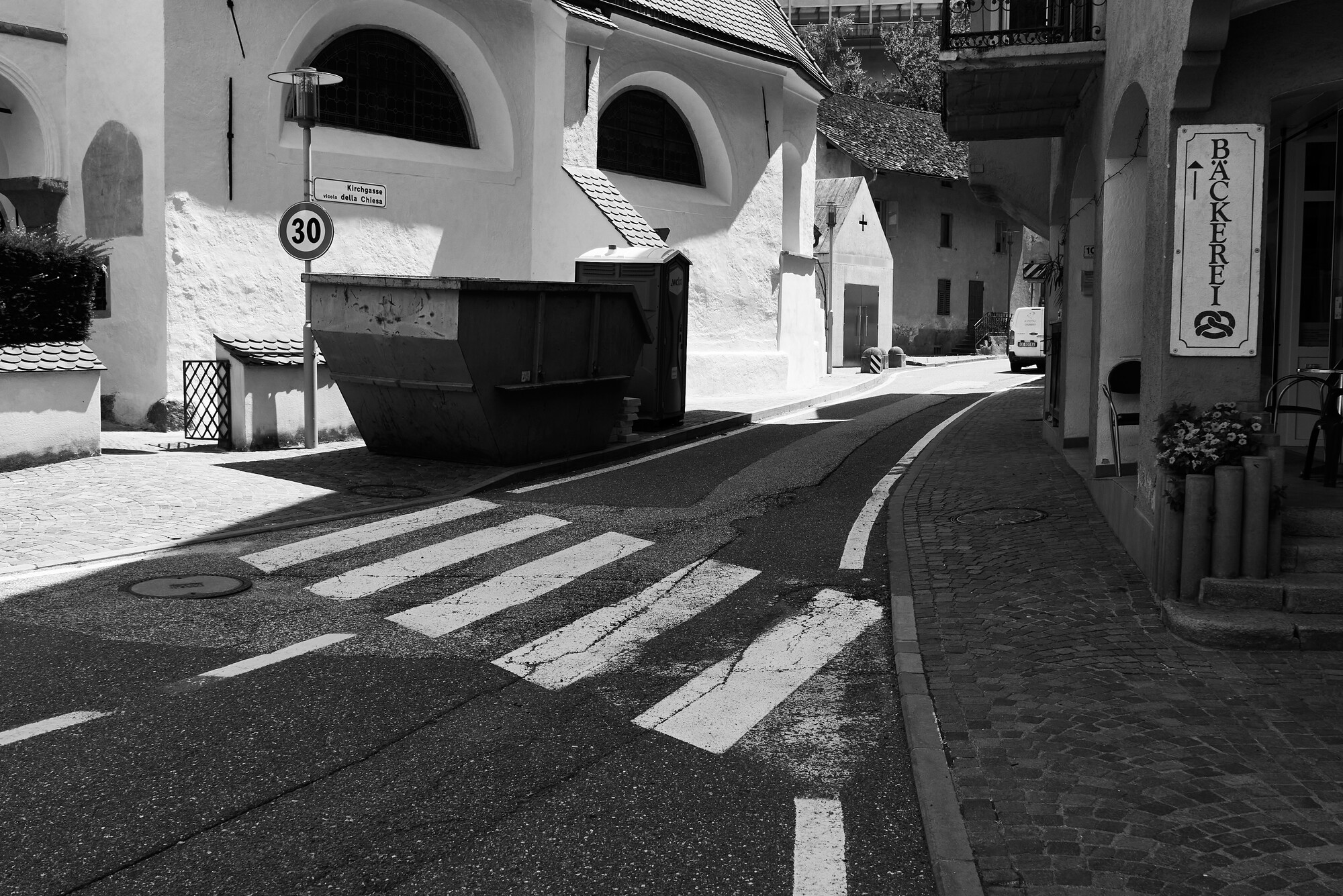
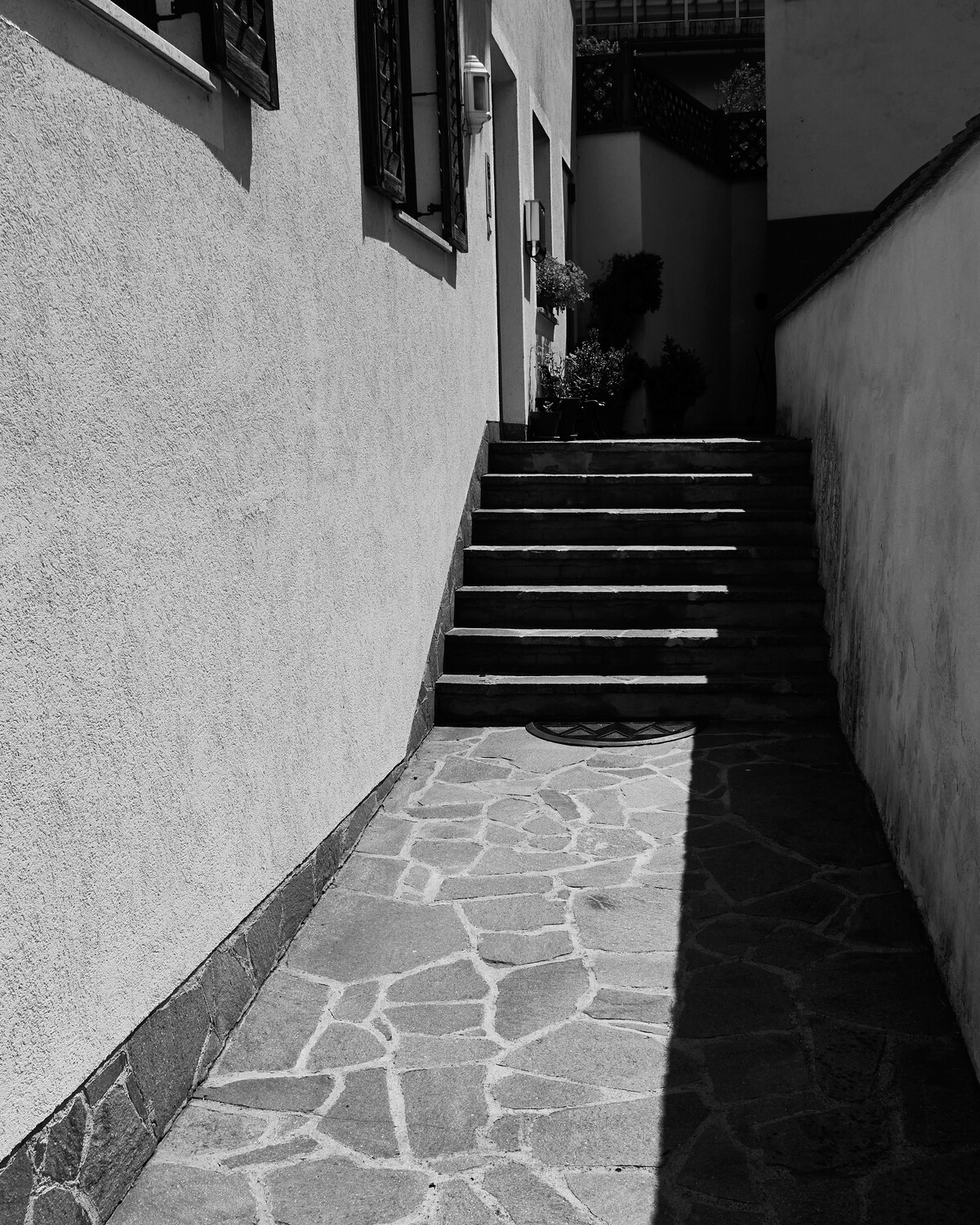
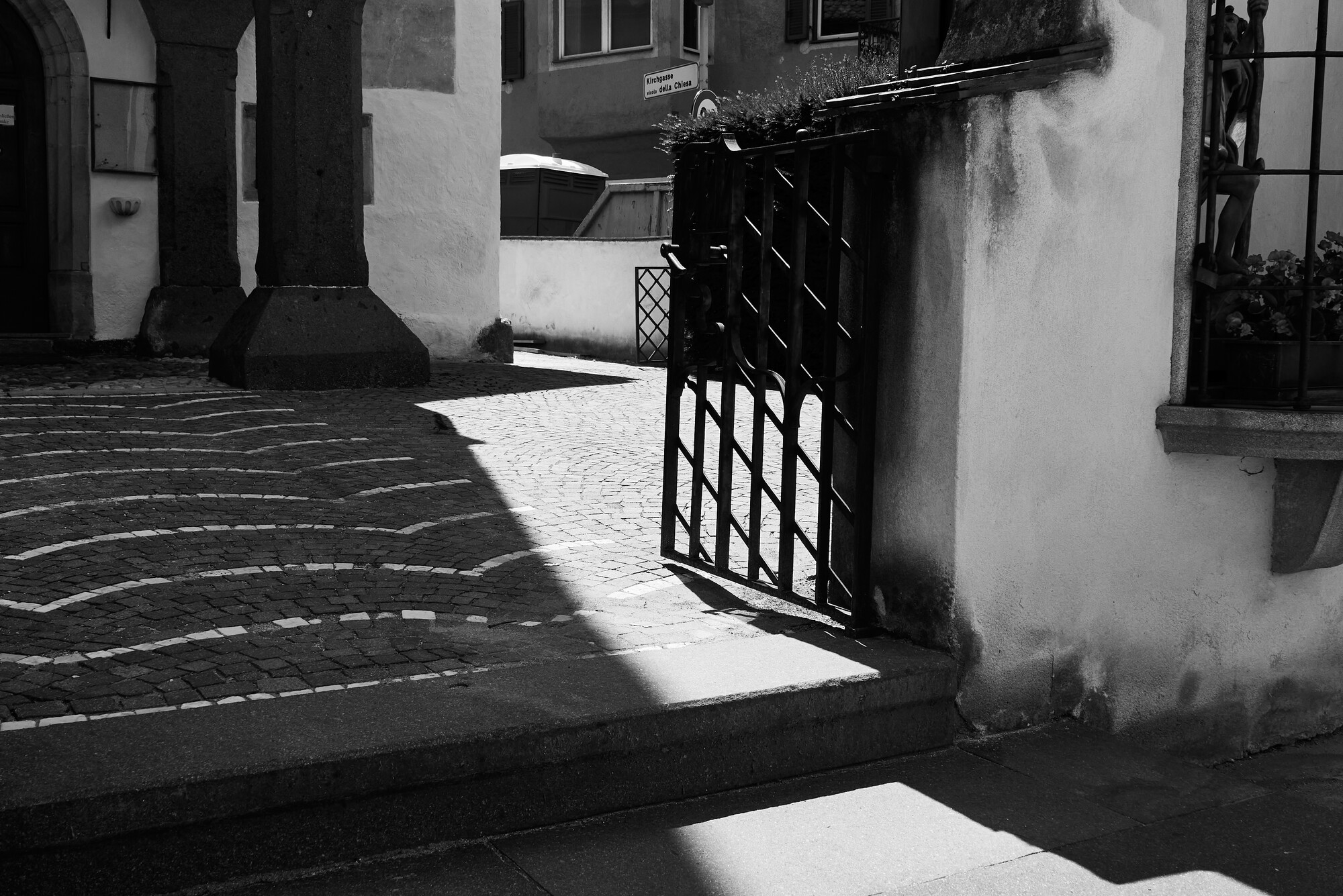
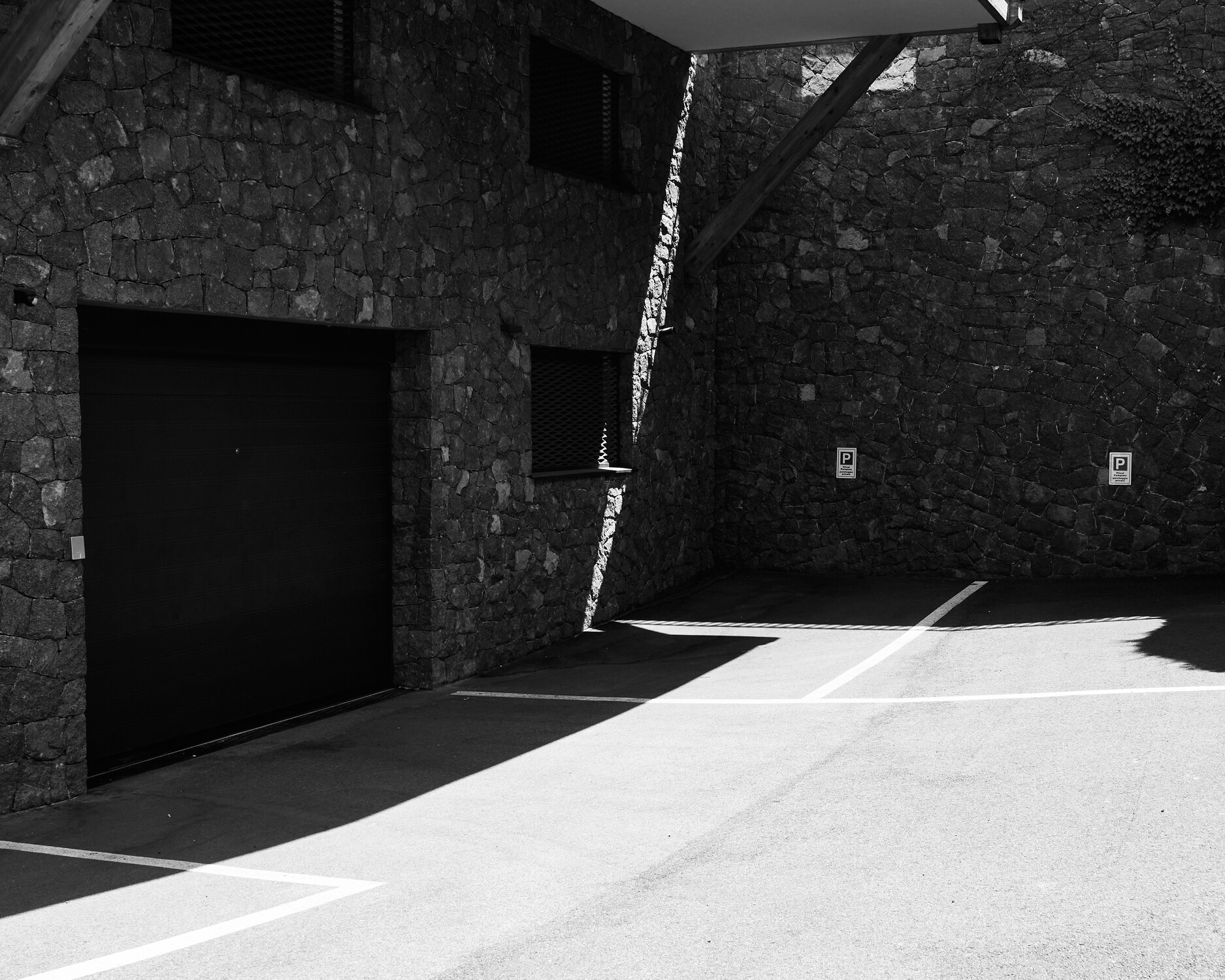
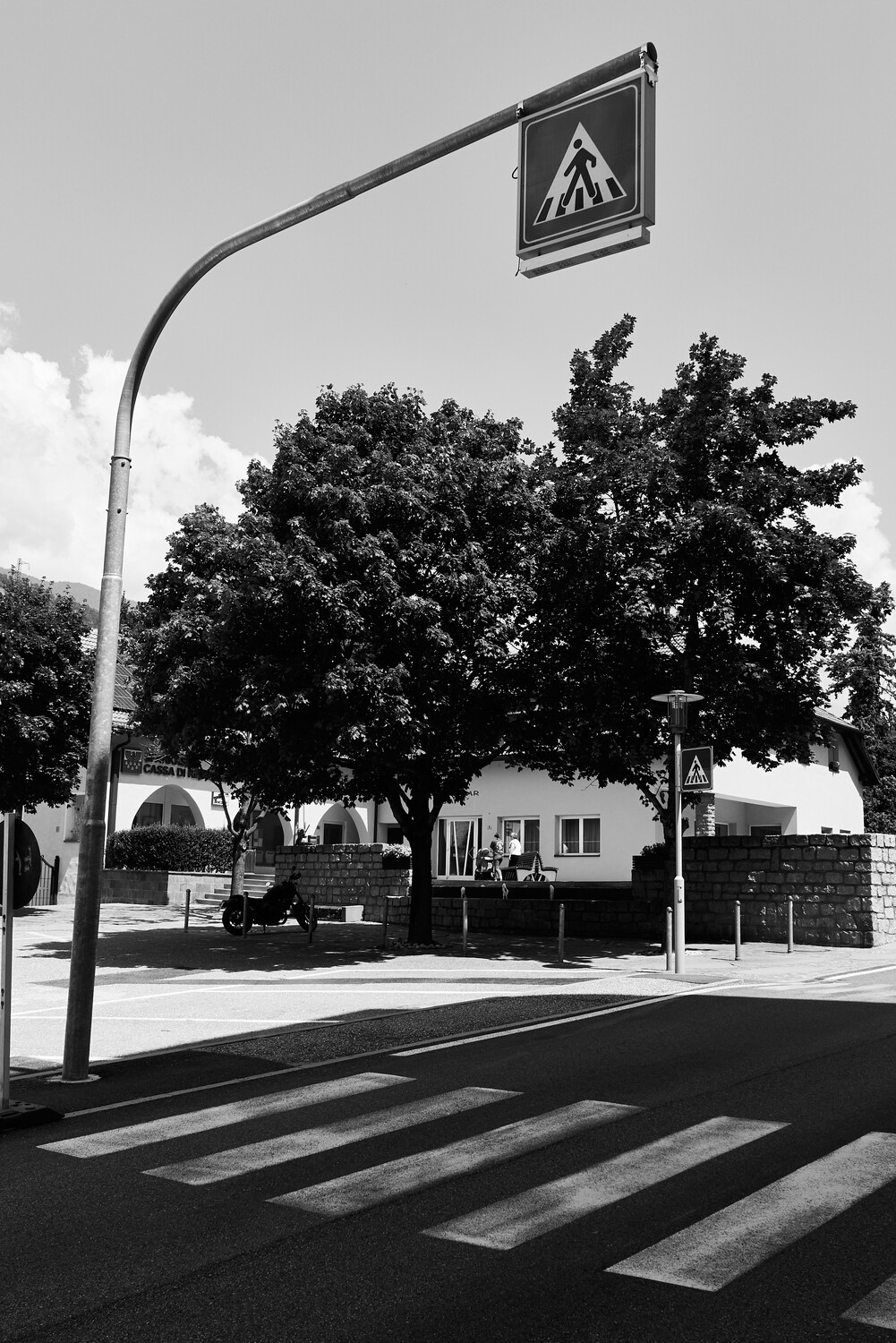
A great feature of the camera was being able to retain the last focal length used by the camera. That may sound like a relatively minor addition, but it became very useful during my time with the camera. The ability to have the lens return to a certain focal length I had previously been using saves a little time and removes another small interaction between seeing something and making the photograph. The best travel cameras, in my opinion, aren’t necessarily the ones that offer the most. They’re the ones that get out of the way. You see something. You pick up the camera. You compose. You make the photograph.

Conclusion
I can’t honestly compare the LUMIX L10 directly with cameras such as the Fujifilm X100VI or the newer Fujifilm X-E5. I haven’t used either camera to make that comparison, and these two cameras are among the most talked-about compact cameras for travel photography. Both are extremely popular, and both are clearly very capable cameras. What I can talk about, though, is my experience with the L10. And for me, that experience was a positive one.
I took the L10 to the Dolomites alongside a Nikon Z 8, initially thinking of it very much as a secondary camera. Something smaller to carry when I didn’t want the weight and bulk of my usual system. What I hadn’t really anticipated was how often I would actually want to use it.
In a way, I suppose with a travel camera you become less conscious of the equipment and perhaps a little more conscious of the environment around you. You’re walking, looking, noticing. The camera is there when you need it, rather than becoming the reason for the walk. I also found myself photographing differently with it. Not dramatically differently, but enough to notice. The limitations of a fixed lens and relatively modest zoom range encouraged me to work within what I had rather than constantly thinking about what lens I might need next. In many situations, that simplicity was actually quite refreshing.
For a full feature rundown of the Panasonic LUMIX L10, take a look at this article here from Alex Cooke.
A travel camera isn’t about replacing your main camera. A travel camera occupies a different space. It doesn’t have to be the best camera you own. It simply has to be the camera you are happy to have with you. If this camera sounds like an inviting travel camera for you, you can check out the Panasonic LUMIX L10 here.



Join the Fstoppers community for free
-
Post comments and join in the discussions
-
Browse the site ad-free
-
Share your work and get featured in the community
-
Compete in the photo contests for fun and prizes
1 Comment
If the L10 were MFT I'd buy in a heartbeat as I am heavily invested in the Lumix ecosystem. Having owned an LX100ii with sensor dust I'll not again trust a camera with a fixed-mount lens, especially a telescoping one.
I recently picked up an OM-5ii paired with 17mm/1.8 as my travel/camping/rucking camera. Learning a new menu really does take a toll but I wanted Live ND so worth the effort. So far very happy with my new addition.