

Starting in film photography means making a choice before you ever press the shutter: which film to load. The wrong stock can make a beginner's early rolls frustrating and expensive, full of muddy colors and missed exposures. The right stock is forgiving, widely available, affordable enough to shoot freely, and consistent enough that you learn from your mistakes instead of wondering whether the film was the problem. These five fit that description better than anything else on the market, and between them they cover bright daylight, saturated landscapes, mixed and low light, and the two classic black-and-white looks every new shooter should try.
A quick note on price: film costs fluctuate constantly with supply, so treat any description here as relative rather than a quote. What matters more for a beginner is that all five are reasonably accessible compared with many premium or specialty films.
1. Kodak Gold 200
Kodak Gold 200 is the film most longtime shooters recommend to someone buying their first roll, and for good reason. It is a daylight-balanced color negative film with a warm, slightly golden color rendering that flatters skin, landscapes, and the kind of sunny, casual scenes most beginners shoot first. At ISO 200 it is best suited to bright conditions, where it delivers fine grain, smooth detail, and pleasant warmth without looking artificial.
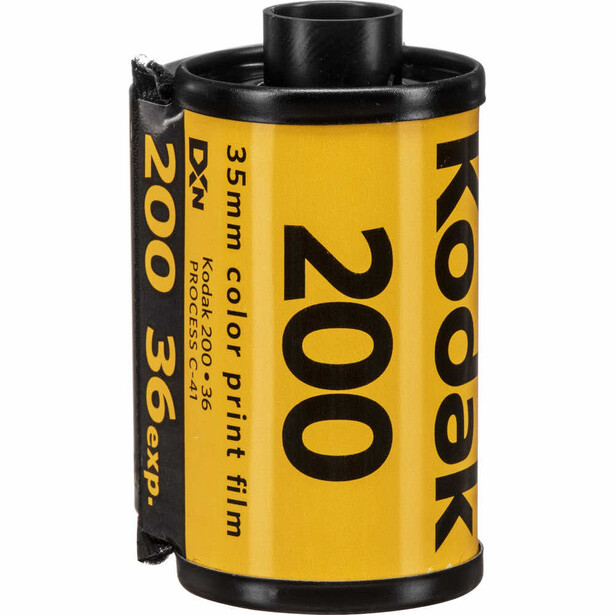
The appeal for a beginner is the combination of forgiveness and price. Gold has wide exposure latitude, meaning it tolerates being slightly over or underexposed and still produces a usable image, which matters when you are still learning to meter. It is one of the cheaper color films available, often sold in three-roll packs that bring the per-roll cost down further, and it is stocked nearly everywhere, including in 120 medium format for anyone shooting a larger camera. Load it on a sunny day, expose for the shadows, and it is very hard to get a bad result.
2. Kodak Ektar 100
Kodak Ektar 100 is the film to reach for when you want color that pops off the print. It is a low-ISO color negative film with the finest grain of any color film on this list and intensely saturated, vivid color, especially in blues and greens, which is why it has long been a favorite for landscapes, architecture, and travel. It is often described as the closest negative film to the look of slide film, delivering rich, punchy color while still processing in standard, inexpensive, widely available C-41 chemistry.
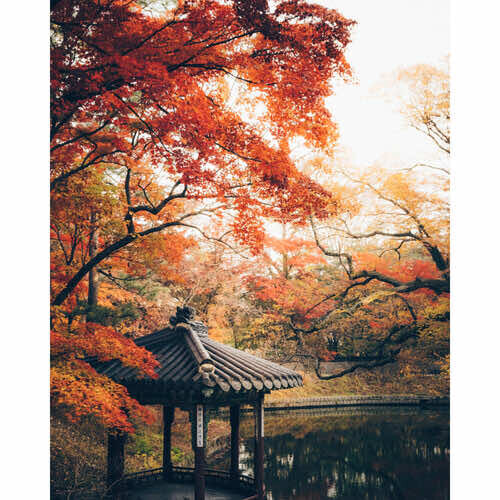
The honest caveat is that Ektar asks a little more of you than Gold does. Its exposure latitude is narrower than the other color films here, though still far more forgiving than any true slide film, so it rewards careful metering and is happiest in good light. It can also render skin tones slightly warm or red, which makes it more of a landscape and scenery film than a portrait one. Shoot it in bright conditions on a subject with strong color, meter carefully, and it produces some of the most striking images a beginner can make. At ISO 100 it pairs well with a tripod or sunny days, and it is available in both 35mm and 120.
3. Fujifilm 400
Fujifilm 400 is the versatile, do-everything color film to keep loaded when the light is uncertain. Its ISO 400 speed handles mixed and lower light far better than a slower film, letting you shoot indoors, in overcast conditions, and into the evening with faster shutter speeds and less risk of blur. One thing worth knowing: the Fujifilm 400 sold today is made in the USA and is widely reported to share its emulsion with Kodak's consumer color films, so it renders with warm color in the Kodak style rather than the cooler, greener look of the older Fujifilm Superia it replaced. Do not buy it expecting the classic Fuji palette.
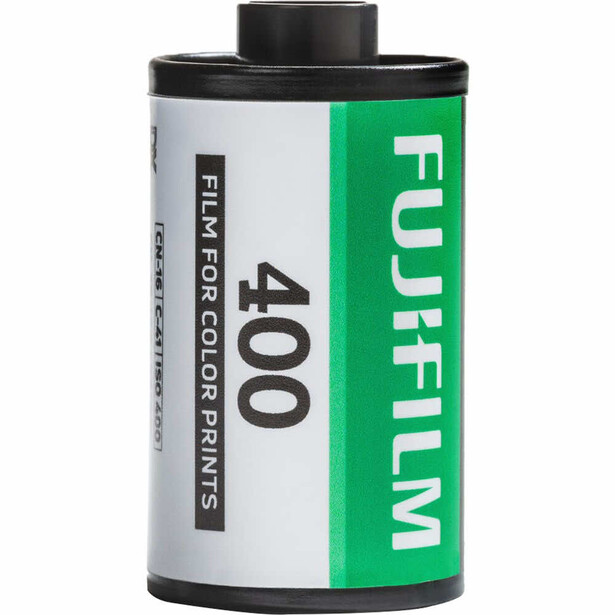
What it offers a beginner is speed and value. It shares the wide latitude that makes a film beginner-friendly, it is frequently sold in three-roll packs that make it one of the better values in color film, and it is stocked by many major film retailers. For a new shooter who wants an affordable color film a stop faster than Gold that adapts to almost any lighting, this is the one.
4. Kodak Tri-X 400
Every beginner should shoot black and white early, because it teaches you to see in terms of light, contrast, and tone rather than color, which sharpens your eye in a way that carries back into all your photography. Kodak Tri-X 400 is the place to start. Introduced in 35mm and 120 formats in 1954 and still the world's best-selling black-and-white film, it is a high-speed panchromatic stock with a distinctive grain structure, deep rich blacks, and bright highlights that give images the dramatic, timeless look long associated with photojournalism and street photography.

What makes Tri-X beginner-friendly is that it delivers that contrasty, classic look straight out of the lab, so your first black-and-white rolls come back already looking the way you imagined black-and-white film should. It has wide exposure latitude, responds well to push processing if you want to rate it faster in low light, and is available in both 35mm and 120. It is rated at ISO 400, so like Fujifilm 400 it handles a broad range of lighting rather than demanding bright sun.
5. Ilford HP5 Plus 400
Ilford HP5 Plus is the other classic black-and-white film, and it is worth shooting alongside Tri-X precisely because the two differ in a way that teaches you something. Where Tri-X arrives with punchy contrast baked in, HP5 Plus is flatter and lower in contrast straight from the scanner, with exposure latitude so wide that beginners routinely find every frame on the roll came out usable, even shots taken in dim churches or fading evening light.
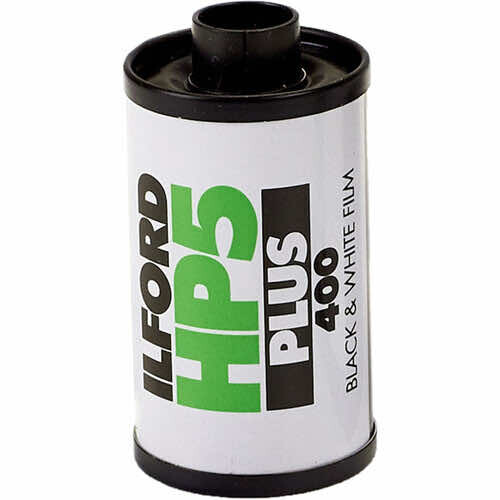
That flatter starting point is a feature, not a flaw: it gives you more room to add contrast to your taste in editing or printing, and it makes HP5 one of the most forgiving films of any kind for a new shooter still learning to meter. It is rated at ISO 400, typically a little cheaper than Tri-X, sold everywhere in 35mm and 120, and pushable to higher speeds as your skills grow. Tri-X for drama out of the box, HP5 for forgiveness and flexibility: shoot both, and you will quickly learn which black-and-white look is yours.
How to Choose Between Them
If you shoot mostly outdoors in good light and want one film to start with, choose Kodak Gold 200. When you want saturated, fine-grained color for landscapes and scenery and are ready to meter a little more carefully, load Kodak Ektar 100. If you want a single color film that adapts to unpredictable lighting, choose Fujifilm 400 for its higher speed and strong multipack value. And when you are ready for black and white, try Kodak Tri-X 400 for its dramatic, high-contrast classic look and Ilford HP5 Plus for its forgiving, flexible flatness.
Whichever you choose, the most important advice for a beginner is to shoot one stock repeatedly until you understand how it responds, rather than switching films every roll. Consistency teaches you faster than variety, and any one of these five will reward the photographer who sticks with it.
If you want to strengthen the fundamentals that matter just as much on film as on digital, the Fstoppers Photography 101 tutorial walks through exposure, composition, and light from the ground up, and those skills are exactly what determine whether your first rolls come back the way you hoped.





Join the Fstoppers community for free
-
Post comments and join in the discussions
-
Browse the site ad-free
-
Share your work and get featured in the community
-
Compete in the photo contests for fun and prizes
No comments yet