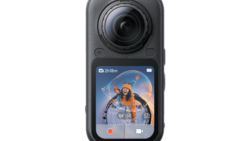
An action camera with a Micro Four Thirds lens mount is not something you see every day, and the GoPro Mission 1 Pro ILS puts one in your hands for $699. Interchangeable glass, 8K OpenGate, and a 1-inch sensor in a body this small opens up options that a fixed-lens action camera can't touch.
Josh Sattin shares his first impressions after shooting with a unit GoPro sent over, using the LA 9mm f/2.8 lens that came with it. He shot everything in 8K 4:3 OpenGate using the GP Log 2 profile at max bit rate, with EV set to 0.0 and no ND filter, letting the camera handle exposure. Sattin likes GoPro's color and finds the image clean, sharp, and easy to grade, though he notes it lacks texture and gives the lens most of the credit for how good the footage looks. The dynamic range reads as decent, stronger in the shadows and weaker in the highlights at that neutral EV, which points to some room for experimentation around negative exposure values depending on the scene.
The Mission 1 Pro ILS shares the same 1-inch sensor, resolutions, and frame rates as the fixed-lens Mission 1 Pro, so you get 8K 30 and 4K 120 in OpenGate, plus 8K 60, 4K 240, and 1080p 960. The lens mount is the only real difference between the two bodies. There are no electronic contacts, which means fully manual lenses only, and you set the focal length in the camera menu so stabilization works correctly. Sattin flags the tradeoffs plainly: no autofocus, no waterproofing, no horizon lock, and a limited pool of lenses since focus-by-wire and electronically controlled aperture designs are out. In exchange, you gain closer focusing and control over depth of field, both things a fixed action camera lens can't give you.
The interchangeable lens sits inside a bigger conversation about small sensors and cinematic control that has been building for years. Sattin's comparison to the original Blackmagic Pocket Cinema Camera is a useful frame, because both cameras ask you to build around them with accessories rather than handing you a finished tool. That approach fits anyone who plans a rig once and shoots with it repeatedly, which is why his instinct that this works best as a crash camera lands so well. Strap it into a tight space, plug in a monitor to set your shot, unplug, hit record, and let it run. If you already own manual Micro Four Thirds glass and think in terms of controlled setups rather than run-and-gun grabs, the math starts to make sense, especially at a price that undercuts most dedicated cinema bodies.
Living with the camera brought out the friction. The rear screen is fixed and small, so pulling critical manual focus means holding it up awkwardly, which pushed Sattin toward the Media Mod for its mic array, time code, and micro HDMI out, then an Atomos Shinobi II monitor mounted with a SmallRig bracket for a usable image. The build gets cumbersome fast, and the record button placement makes one-handed shooting tricky. Battery life impressed him, running through only about a third of a charge across a long session. He also spotted a strange blocky, flashy pattern in the highlights on a pre-production unit, along with the absence of built-in exposure tools like a waveform, histogram, or zebras, though GoPro's forthcoming Mission Monitor app promises more help there.
Watch the video above to see Sattin's sample footage and hear where he thinks this odd little camera goes next.

Join the Fstoppers community for free
-
Post comments and join in the discussions
-
Browse the site ad-free
-
Share your work and get featured in the community
-
Compete in the photo contests for fun and prizes
No comments yet