An everyday camera comes down to a short list of things you actually care about: size, weight, how much it hurts if it gets stolen, and whether the files are fun to edit. Most gear roundups skip the honest part and just tell you what to buy.
Chris Tellez walks through the cameras he's carried everywhere over the past year or two and explains what works and what doesn't about each one. His actual goal is a little different from most buying guides. Rather than telling you which camera to purchase, Tellez wants you to figure out what you're looking for in a daily shooter. He starts with the honest answer that your phone is probably your best bet, then moves into the cameras worth considering if you'd rather not use it. The lineup runs from a small older mirrorless body up to a full frame Leica and a couple of film options.
The Fujifilm X-T10 opens the video as his surprise favorite for value. He pairs it with a tiny 7Artisans 28mm f/2.8 manual lens, though his go-to glass for it is the Fujifilm 35mm f/2, one of the small primes people call Fujicrons. Tellez makes the case that everyday shooting forgives weak autofocus, since you're rarely in a situation where a missed frame is a disaster. Fujifilm's colors and film simulations do the rest. The X-T10 uses an older sensor, so he points out that a newer body in the same form factor unlocks the current Fujifilm recipes. For price and size, this is the one he'd steer most people toward.
From there the video gets into tradeoffs. The Nikon Zf is the camera Tellez built his channel on, and he loves the full frame files, but he's blunt that it's too big for everyday carry once you load it up. His fix is a small lens like the Nikon 28mm f/2.8 to keep things manageable. Then there's the Leica Q, which he traded an SL2 to get. He's honest about the flaws: continuous autofocus is bad, battery life is short, and the price makes him nervous about walking through sketchy alleys in Poland with it. The single-point autofocus is fine, the macro mode is genuinely useful at weddings, and you can run cheaper Lumix batteries instead of the Leica-branded ones.
The 40mm focal length runs through nearly every recommendation here, and that's worth pulling out on its own. Tellez calls it a sweet spot, and there's a reason so many photographers land there for a walkaround lens. It sits between the 35mm reportage look and the 50mm portrait feel, wide enough to catch a room and tight enough to isolate a subject without backing up. If you're building a one-lens kit, testing a 40mm before you commit to anything else saves you from buying three lenses to learn you only reach for one. The wider point Tellez keeps circling is that the lens shapes the everyday experience as much as the body does, which is why he names a small prime for every camera on the list rather than treating the sensor as the whole decision.
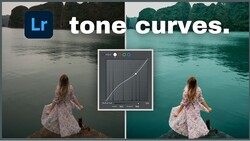
He also covers the Canon 60D with the Canon 40mm f/2.8 pancake as a genuine recommendation for anyone who still wants a DSLR and the slap of a mirror. Its SD card slot, long battery life, and low replacement cost make it the camera he'd trust in a place he might get robbed. The film pick is the Konica Big Mini, a pocketable 35mm f/2.8 point and shoot he admits is a little pricey but real fun. He gets into which cameras he'd least recommend and why, plus a couple of editing profiles and presets he uses to get Fujifilm-style color out of his other files.
Watch the video above to hear Tellez rank all of these and reveal which one he's actually packing for Poland.
Join the Fstoppers community for free
-
Post comments and join in the discussions
-
Browse the site ad-free
-
Share your work and get featured in the community
-
Compete in the photo contests for fun and prizes
No comments yet