Carrying a small camera to a place like Malibu sounds casual, but it exposes how you shoot when nothing else gets in the way. The choices you make in the field usually echo later when deciding what images deserve space on your website.
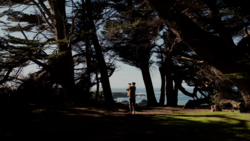
Coming to you from Samuel Elkins, this reflective video follows an evening shooting coastal light with the Fujifilm X100VI and casual conversations about creative direction. The focus stays on moving light, low tide, and reacting instead of chasing a plan. There’s also time with the Sony RX1R III, which creates an easy comparison between two fixed-lens full frame and APS-C cameras used in the same conditions. You hear how portability changes decisions, especially when walking beaches instead of setting up shots. This section quietly sets up the larger point about editing, without spelling it out.
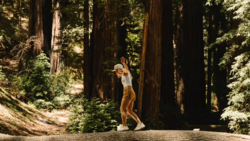
The video then shifts toward something many people avoid, choosing what actually belongs in a portfolio. Elkins walks through recent projects, not as highlights but as raw material to be trimmed down. One set starts with 154 images and ends with roughly 30, and even that still feels like a lot. You see landscape frames, portraits, travel images, studio work, and macro details all competing for attention. The emphasis stays on removing repeats and near-duplicates instead of hunting for technical flaws. The message lands hard without sounding instructional: showing less makes everything clearer.
There’s a practical breakdown of how to separate images meant for a front page from those better kept in organized archives. That includes tagging images by category so they’re ready when an agent or client asks for specific subjects. Personal favorites don’t automatically earn front-page placement, even when they are strong frames. Elkins points out how a photo that feels subtle might fit better next to existing work than a louder image that pulls focus. This part raises uncomfortable but useful questions about taste, restraint, and consistency. You’re left thinking about which images stay because they feel new versus which stay out of habit.
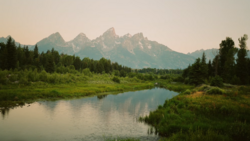
The video also touches on working with different tools for different stories, including medium format files from a Fujifilm GFX100 II used alongside smaller cameras. Macro details from a beekeeping project get the same scrutiny as wide scenes from Tahoe. Studio furniture images sit next to environmental portraits, forcing clear decisions about balance and range. Nothing gets padded out just to hit a number. The thread running through all of it is intentional reduction, even when the work was fun to make. Check out the video above for the full rundown from Elkins.

Join the Fstoppers community for free
-
Post comments and join in the discussions
-
Browse the site ad-free
-
Share your work and get featured in the community
-
Compete in the photo contests for fun and prizes
No comments yet