
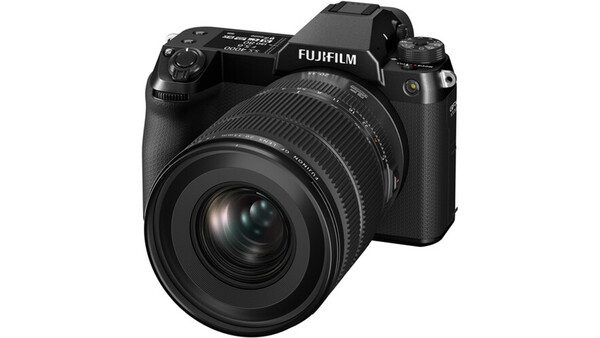
So you’re wondering if high megapixel counts actually matter or whether the hype is blown out of proportion. Well, here are three simple scenarios when it may be worth the extra investment.
If you have read any of my previous work, it’s likely you know that, when it comes to still photography, I’m pretty much a Nikon man. My Nikon Z 9 is more than enough for everything from my personal work to my professional advertising campaigns. Sure, 45 MP isn’t 100 MP. But, for my specific use case, I find the benefits of the speed of operation of my Nikon to far outweigh the benefits of higher megapixels.
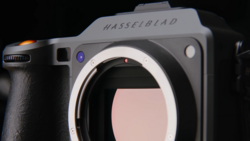
Of course, that knowledge was hard-won. I invested in the original Fujifilm GFX100 when it first came out. I won’t rehash any of my many previous reviews of that camera. And, I’m not going to be doing a compare-and-contrast article with the newer Fujifilm GFX100 II version today. If you want my 30-second opinion on the difference between old and new, the GFX100 II makes several upgrades, including a smaller body and some increased speed of operation. It’s still medium format, so it’s never going to be as fast as a small full frame camera. But it does seem like an improvement over what I used to own. The actual image quality remains the best I’ve ever seen from a camera. The colors are absolutely spot-on. That is both a function of resolution and color bit depth, which also surpasses most other mirrorless options on the market.
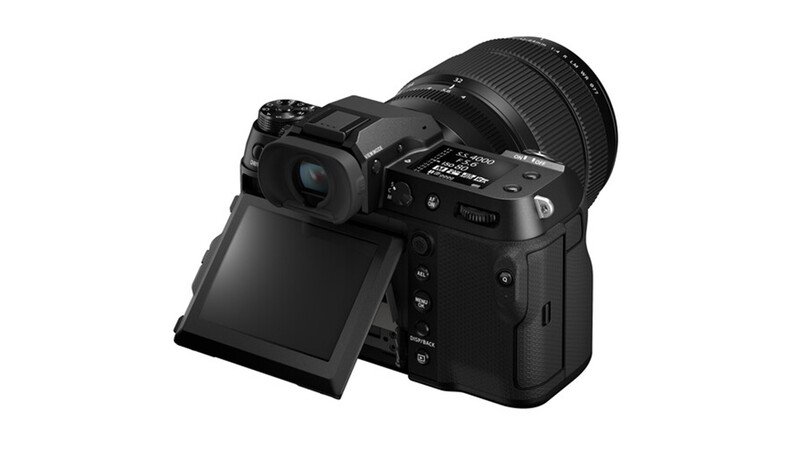
I should also explain that this isn’t the original article I was planning to write. The reason I originally rented out the camera in the first place was for a very specific commercial campaign, which I was expecting to shoot last month (details on that in a moment). I was going to use the GFX100 II for the job and write a detailed report on the day-to-day. But when that job was canceled at the 25th hour, my original raison d’être faded away.
Still, I always find it interesting, when spoiled for options in terms of cameras to choose from, which cameras I decide to pick up when. Generally, I lean toward the fastest and least complicated tool to meet the minimum requirements of a particular job. I always find a way to surprise myself when I opt for Camera A over Camera B, or I obsess over what Camera C can do on paper, but find myself unexpectedly reaching for Camera Z in real life, even if Camera Z is the least fancy on specs alone.
The best camera is always the one that best fits your specific needs, not the one everyone else has proclaimed to be the best on the internet. And I chose the GFX100 II for that particular job for a very particular reason. And the very reason I knew the GFX100 II would have been the right tool for the job ties into the question I want to answer today: Just when is it that you actually need a high-megapixel medium format camera?
Well, here are three reasons why high megapixels might be a legitimate need, as opposed to just a function of gear acquisition syndrome, depending on your use case.
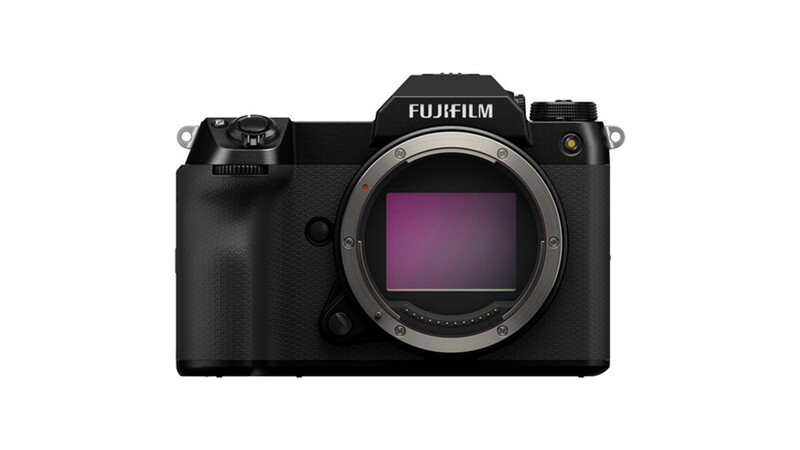
You Need to Zoom In
I mentioned this already, so let's get this out of the way upfront. 100 MP is a lot of megapixels—like, a lot. Pure megapixel count matters in two very specific circumstances. Either you need to print huge—like really, really huge, like side-of-the-building huge—or you need to crop aggressively.
For a good old-fashioned billboard, 40–50 MP is more than enough, especially because they are likely being viewed from a distance. Actually, things like oversized in-store displays or transit-station billboards, which are often viewed up close, can benefit far more from extra detail to start.
One circumstance where you absolutely are never going to need high megapixels is social media or digital posts. That’s not to say there isn’t a small marginal difference with more megapixels. But I'd argue the medium format sensor size and tonal response of the GFX100 II come more into play here, in terms of changing the vibe of the image, than the megapixel count. A cell phone display (though not strictly measured in megapixels) is about 3 MP. If we were doing the 1-to-1 math to compare capture megapixels vs. your ultimate output, it’s easy to see why you don’t really need to run the megapixel race if your final output is only going to be in the digital realm. By the time an image is resized for a phone screen, the overwhelming majority of those captured pixels are simply thrown away. Any remaining differences come from sensor size, lens rendering, and tonal response—not from whether the original file was 24 MP, 45 MP, or 100 MP.
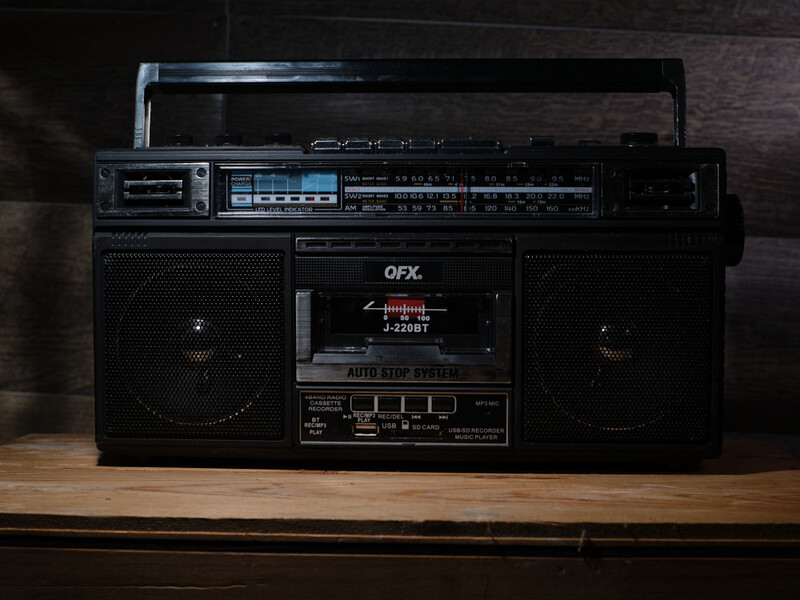
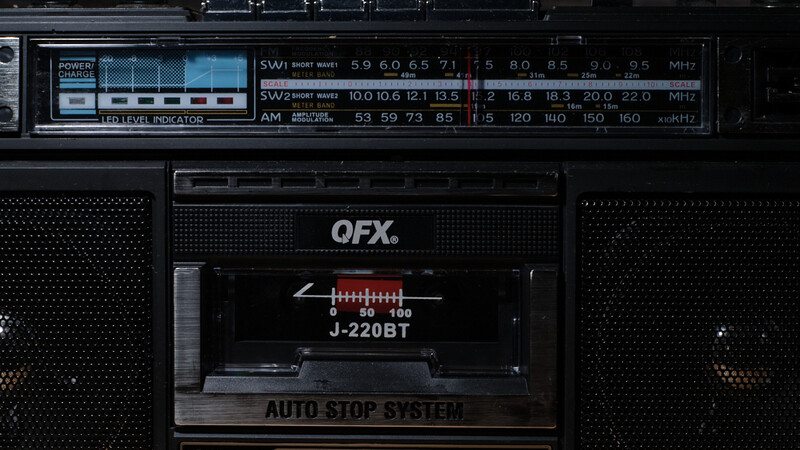
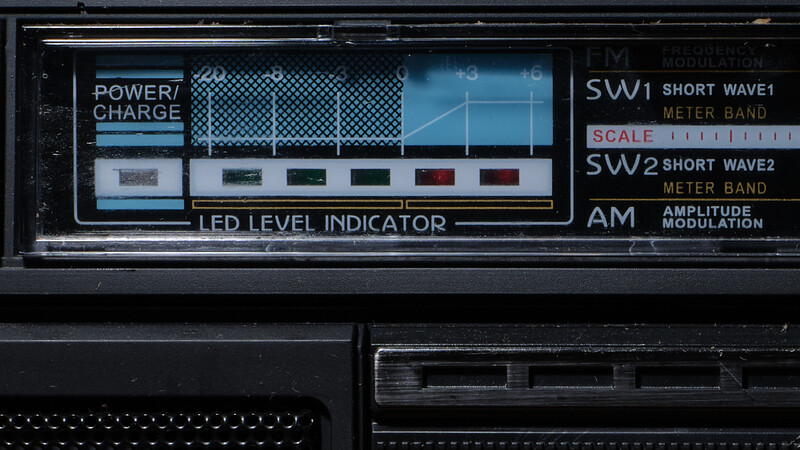
Still, having a great deal of megapixels to start with in your initial image does allow you to push in further and further without losing detail when going to a smaller output platform. Consider these three images of my trusty and well-used boombox. The first image is the full-resolution image. The second is a pretty tight crop. And, in the third, I’ve cropped way in. You can see how the image will still retain a reasonable amount of detail when viewed on your computer or phone screen.
Cropping
Continuing on the last point, it’s easy to dismiss the need to crop or zoom in as simply the function of an undisciplined photographer making decisions after the fact. But the truth is that there are a myriad of reasons why you actually should shoot a bit wider than necessary and leave yourself options in post. Specifically, if you are doing work for a client, that client may very well need to use that asset on a number of different platforms. Perhaps the full image is going to be used in a print ad, but they are also going to need to crop the image to 2.39:1 for a specific billboard or turn a horizontal into a vertical for an in-store display.
I just shot another campaign last month where the images would be used for everything from web banners to billboards above the freeway. The images needed to be cropped an endless number of ways, many of which even the client wasn’t yet sure of at the time of production. So, providing options wasn’t a lack of vision; it was insurance.
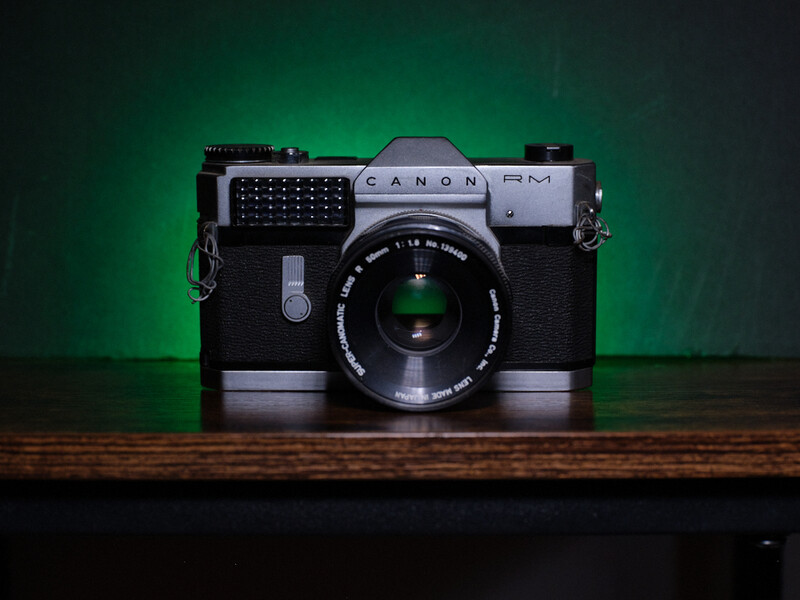
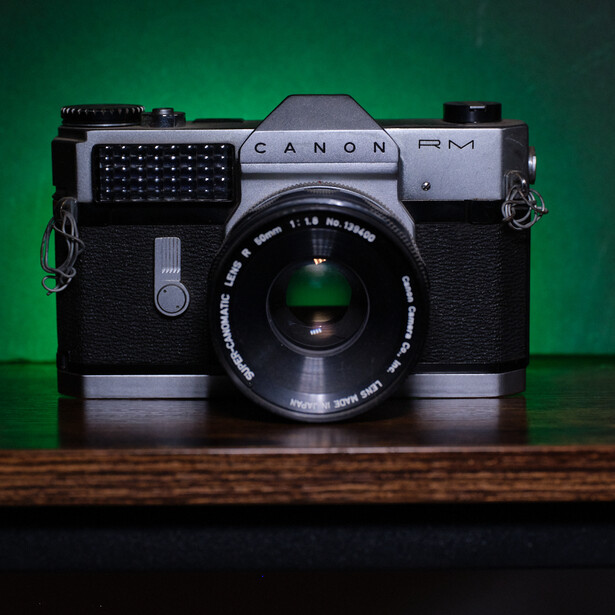
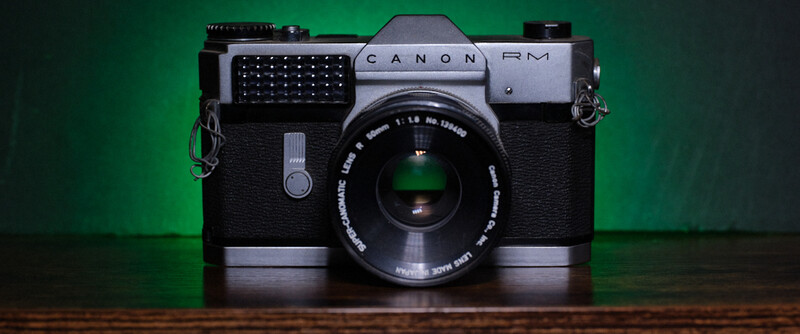
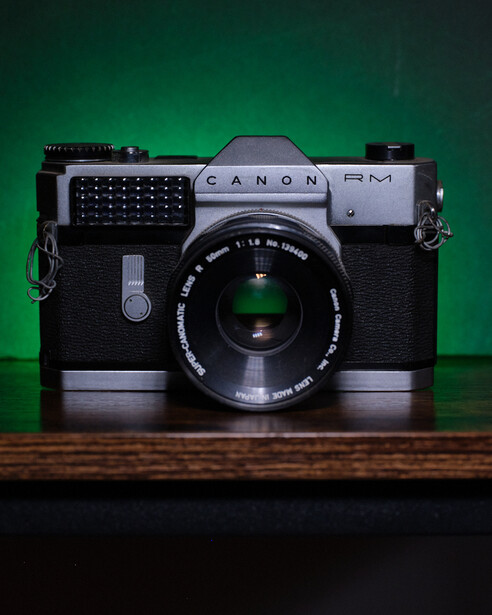
In the example below, you can see how having a lot of original megapixels allows you to offer your client multiple cropping options from the same base image. The additional crops also still retain a solid amount of enlargability because you began with such a large digital negative in the first place. Note that these aren’t the campaign images—only a simplified example. And no shade intended by having a Canon camera as the subject, as the camera pictured is 60 years old, and thus I'm guessing not a threat to GFX100 II market share.
VFX
So, those first two points are fairly obvious and, depending on your use case, may be either quality-of-life improvements or non-negotiables for your client base. As I mentioned before, I find my smaller-megapixel cameras to be more than adequate for 99% of the professional work I am asked to perform. But, late in the month, I bid on a campaign that included one very specific and unique element that made choosing a high-resolution camera like the GFX100 II not only the desired option, but also the most practical one.
I don’t do very much VFX work or composite work. It’s not a moral objection; I simply don’t find I need to use it in the majority of my work. But this time, I was bidding on a very high-profile job that would have depended heavily on visual effects and compositing. It was both stills and video, and to give you an idea, the VFX budget alone was likely going to surpass the total budgets of the majority of campaigns I shoot in any given year.
To be clear, I was not going to be doing all that composite work myself. I needed to bring on a top-level post house to do the type of heavily detailed work that the client was requesting. So neither that responsibility nor the money generated from that line item would be landing with me. But still, as the person capturing the original still assets on which the compositing would be done, I knew I needed to provide the post house with the absolute most detailed and flexible raw ingredients that I could.
Having more native megapixels and a denser file makes it far easier for the post house to be able to find the edges and mask the necessary elements of the image they’ll need for the composite. Sure, you can composite with almost any image. But the more pixels, the more detail. The more detail, the more finite the post house can be with their selection. All that leads to a better final product. Because my job is to provide clients with the best possible end product, starting with a better input is step number one.
As I said, I didn’t get that job, so I can’t show you the result. And I am absolutely not a compositing wizard. But even in this simple example below, I was able to quickly pull a selection of the foreground element in Adobe Photoshop and layer in a new background.
If you’re looking to level up this kind of lighting-and-compositing thinking for commercial work, The Hero Shot: How to Light and Composite Product Photography is a strong, practical reference: The Hero Shot: How to Light and Composite Product Photography.
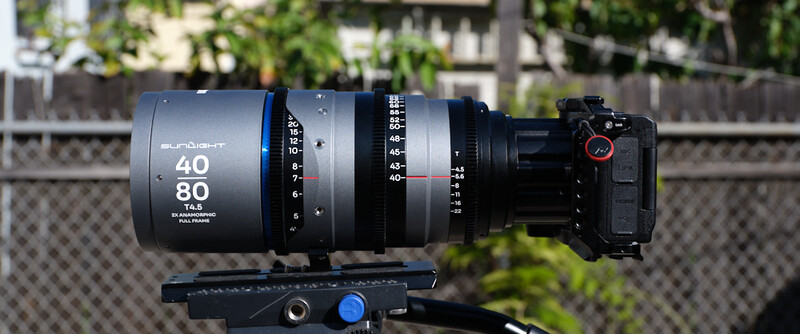
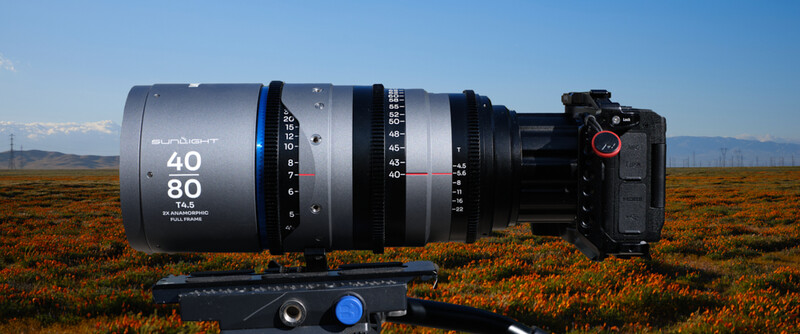
The composite is hardly perfect, but you get the point. If I were to give a professional post house the same starting images, their ability to manipulate them would have been endless. So, were I to be the type of artist that frequently needed to do high-detail and high-resolution compositing for commercial work, that would be a use case where the resolution of a camera like the Fujifilm GFX100 II would make a tangible difference to workflow and likely be the right tool for the occasion.



Join the Fstoppers community for free
-
Post comments and join in the discussions
-
Browse the site ad-free
-
Share your work and get featured in the community
-
Compete in the photo contests for fun and prizes
1 Comment
I have owned a 100 megapixel camera now for about a year and a half and there's no way in hell I would part with it. The one big advantage that no one really thinks about is it actually allows you to carry far less lenses? Everyone bangs on about how big GFX cameras are but in reality I can go out with a fairly light 35 to 70 which is 28 to 58 and I can shoot at 200 mm and still get a 25 megapixel file yeah 25 megapixels that same 25 megapixel camera you're shooting with. Any landscape photography it just brings in detail and it really makes you feel like you're standing there and you just do not get that with a 24 megapixel camera. I'm sorry but you don't. .... I know what you're gonna say. I bet the file sizes seriously storage has never been cheaper. It's as cheap as chips now to buy fairly large chunks of storage. That's not a reason not to own it either. Yes you do need some beefy hardware to run Lightroom with 100 megapixel camera that's the only downside that I can see..