The pressure to nail every frame is one of the most common things that stalls creative growth. A decades-old classroom experiment reveals exactly why that pressure works against you, and what actually produces better images over time.
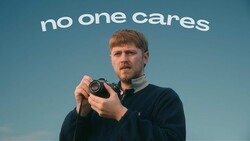
Coming to you from Max Kent, this sharp, no-nonsense video opens with a real experiment conducted by photographer Jerry Uelsmann in the 1960s. Uelsmann split his photography class into two groups: one focused on theorizing and planning to capture a single perfect shot, the other simply tasked with taking as many photos as possible. By the end of the semester, the high-volume group had produced dramatically stronger work. The perfection group, for all its planning, turned in mediocre results. Kent uses this as the foundation for a broader argument about how volume and experimentation are what actually move the needle.
The comparison to social media is one of the more grounding points Kent makes. When you scroll Instagram or flip through a photo book, you're seeing a curated highlight reel, not the thousands of frames that didn't make the cut. Kent is direct about this: those rejected frames aren't failures. They're the process. Without them, the standout shots don't happen. He also addresses the counterargument head-on, acknowledging that yes, some people are more skilled, but anyone who has reached a high level will tell you they got there by shooting constantly, not by waiting for perfect conditions.
Where the video gets particularly practical is in how Kent handles the real obstacle: actually finding time to shoot. He doesn't suggest quitting your job or traveling the world. Instead, he talks about building intentional, low-pressure windows into your existing schedule. A half-hour lunch break two or three times a week. A walk at the end of the day with a camera. A weekend trip with the kids where you also happen to be shooting. The goal isn't to manufacture great shots in those windows. It's to shift out of the perfectionist mindset and into something more playful and exploratory. That distinction matters more than most people realize, and Kent explains the mechanics of it clearly in the video.
He also brings in a point that reframes how you measure progress. After ten years of shooting, Kent says he counts maybe ten photographs he'd genuinely call 10 out of 10. That's not a discouraging stat. It's an honest one. And it shifts the question away from "am I hitting perfection consistently?" toward something more useful: are your photos showing your actual identity and perspective? Are they cohesive? Do they tell a story? Kent touches on his own experience editing a photo book, where technically strong images didn't make the final cut simply because they didn't fit the narrative, a reminder that quality in photography isn't always what you think it is. Check out the video above for the full breakdown from Kent.




Join the Fstoppers community for free
-
Post comments and join in the discussions
-
Browse the site ad-free
-
Share your work and get featured in the community
-
Compete in the photo contests for fun and prizes
No comments yet