Your best photos can disappear when your mood drops, even if the light is perfect and the location is right. This video is about the quiet forces that steer what you notice, what you ignore, and what you bring home.
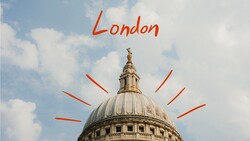
Coming to you from Roman Fox, this candid video starts with Fox in London on the last day of 2025, standing under a gray sky that ruins the sunrise plan he built his morning around. He even booked a hotel near Covent Garden hoping to catch the right light, then has to admit it did not pay off. Instead of turning it into a gear rant or a technical breakdown, he lays out five lessons that sit underneath all that. The first one is blunt: mood and state of mind change what you see and what you shoot, and your work shows it. He describes days where he walks around stuck in his own head and comes back with nothing he likes, with the streets still moving around him.
Fox does not keep that idea abstract, and that is where it gets useful. He talks about trying to avoid the nonstop noise of news and social media when the world feels heavy, while also admitting that empathy makes it hard to block everything out. When your attention is pulled toward what is wrong, you stop scanning for the small moments that usually make street work come alive. Then he shifts into something unexpected: two travel shows that hook him even though the subject matter is not his thing. He names “Parts Unknown” and the “Long Way” series, then asks a simple question about why they work so well on him when he does not care about the food or the motorcycles.
His answer is not “production value” or “story structure,” even though he nods to the fact that pros make those shows. He thinks the core is the hosts’ romantic view of the world, the habit of treating little details like they matter. That is the part you can steal without copying anyone’s style, because it is a choice you can make while walking. He frames it as a mental posture: letting yourself be moved by ordinary scenes instead of treating the day like a checklist. He even catches himself wondering if what he just said is “even English,” and you can tell he is talking it out while the city wakes up around him.
Then Fox gets more provocative, and it is the kind of advice people argue with. He says photography should be in second place when you are out for yourself, and the main goal should be having a good day. If you come home with one or two strong images, great, but he does not want the day’s success tied to whether he got “the shot” or posted something right away. He draws a hard line between paid work and personal work, and he makes it clear he is talking about the second one. You hear the alternative mindset in his examples: the pressure to manufacture a masterpiece on demand, the push to prove the day was “worth it,” the tight mental grip that makes you miss what is right in front of you.
Another idea he shares is one you will recognize if you have ever looked back at a year of work and felt confused by it. Fox says good shots come in bursts, not on a clean monthly curve. He talks about a month where several favorite frames show up, then a long dry spell where everything feels flat, then another cluster later on. He offers a few possible causes without pretending he can reduce it to a formula, and he leaves space for the role of pure timing. Near the end, he talks about burning himself out by stacking too much travel with too little rest, to the point where he does not even want to touch the camera, then he heads into a POV stretch that shows how he reacts when the light finally starts cooperating in the city. Check out the video above for the full rundown from Fox.

Join the Fstoppers community for free
-
Post comments and join in the discussions
-
Browse the site ad-free
-
Share your work and get featured in the community
-
Compete in the photo contests for fun and prizes
1 Comment
Alex wrote:
"Fox says good shots come in bursts, not on a clean monthly curve. He talks about a month where several favorite frames show up, then a long dry spell where everything feels flat, then another cluster later on."
I so relate to that.
For me, I think it all has to do with the lifecycles of the wildlife that I photograph, much more than my mood or attentiveness.
I will always be able to get good bird photos during the spring courtship and nesting season. I will have dry stretches of bird photography in the late summer and early autumn, when the birds are undergoing molt and their plumage is not as colorful or robustly feathered as it is in the winter and spring. Furthermore, many species that I like to photograph fly away after nesting and don't come back until the following spring, so many of my preferred subjects are thousands of miles away for 8 months every year.
I will always be able to get good deer photos during the autumn rut. I will have dry stretches of deer photography from January through June, when the bucks have shed their majestic antlers and haven't begun to grow new ones yet.
I will always be able to get good photos of rattlesnakes during the summer months when they are above ground and active. I will have very dry stretches of rattlesnake photography from late September through early May, when the snakes are hibernating deep underground and inaccessible to me.
So for me and the kind of photography I do and the types of photos I prefer, what the guy in the video says about the boom and bust periods is true. But the reasons he gives for them does not apply to me, because the photography I do is mostly subject-dependent and not so much me-dependent.
EDIT: I just saw this article's title, and realized that for wildlife photography, the best shots actually do show up on schedule! Ha!