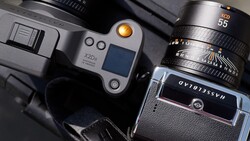
The Fujifilm GFX100RF is a 100 megapixel medium format camera built for detail, depth, and serious files. Is it right for you?
Coming to you from Sam Bassett of Opticalwander, this reflective video follows one last walk through London with the Fujifilm GFX100RF before it changes hands. You see what 100 megapixels really gives you in the street. Heavy crops still hold together. Tight slices pulled from wide frames still feel intentional, not desperate. That flexibility changes how you shoot. You can stay wider, keep context, and decide later how close the final frame should feel. In fast-moving situations, that margin for error is hard to ignore.
You also get a clear look at how the camera handles quick, reactive work. Shutter speed is locked at 1/500 s. ISO and aperture float. Exposure compensation does the fine-tuning. It is essentially shutter priority without the friction. That approach keeps things sharp when people move through Regent Street or step into light under an archway. When a panning shot comes up, the shutter changes and everything else follows. Simple, fast, controlled. If you tend to overthink settings on the street, this method is worth trying.
The medium format sensor is only part of the story. Fujifilm’s film simulations and strong JPEG output get attention too. You can shoot raw and shape the file later, or lean into JPEG and even use the built-in crop options to punch in without stepping closer. That front dial crop feature gives you different framing options in camera, which pairs well with a wide field of view. Still, the real surprise in the video is not dynamic range charts or color science talk. It is a moment that unfolds without warning: a fall. A frame captured at the exact split second before everything changes. It is uncomfortable and honest. You see how quickly street work can shift from composition to concern for someone’s safety. The camera becomes secondary, but it still records a moment that will never repeat.
Then comes the twist. The image from that incident ends up being the last photo taken with the GFX100 RF. Not because the camera failed. Not because the files disappointed. It gets sold the same day. You watch the handoff. You hear the reasoning. The decision is not about image quality. It is about size, weight, and space in a crowded bag. A smaller camera, used more often, wins. The GFX100RF is praised for how it feels, how it renders, how it performs. It simply does not fit the current rhythm. That tension between ultimate quality and everyday practicality runs through the entire walk.
There is also a forward-looking question raised about where this line could go. If Fujifilm ever shrinks this concept into something closer to the X100 series in form factor, the trade-offs get interesting. Medium format depth and resolution in a truly compact body would change how often a camera like this leaves the house. For now, you are left weighing 100 megapixels against portability, cropping freedom against bag space, and emotion against logic. Check out the video above for the full rundown from Bassett.




Join the Fstoppers community for free
-
Post comments and join in the discussions
-
Browse the site ad-free
-
Share your work and get featured in the community
-
Compete in the photo contests for fun and prizes
1 Comment
The GFX100RF just feels overkill for street photography. I get the well worn cropping argument of high MP cameras but I personally prefer a smaller camera with more manageable files and just shooting in the moment rather than making cropping decisions later, just feels more spontaneous. Each to their own though.