Film photography isn’t just about getting the shot right. It’s about managing a process filled with quirks, habits, and mistakes that even experienced shooters still make. You’ve likely loaded a roll, fired off a few frames, and realized something went wrong—not with your skill, but with your setup or attention. These are the kinds of lessons that only come with time and repetition.
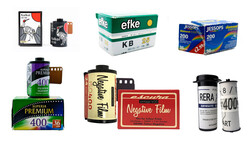
Coming to you from Els Vanopstal, this thoughtful video explores five common film photography mistakes that persist even after years of experience. Vanopstal starts with one of the most avoidable errors: forgetting what film is already in the camera. When you use multiple film bodies, this happens more than you’d think. She mentions once believing her Praktica was broken because it stopped advancing after eight frames, only to realize it held a short test roll she’d used earlier. Keeping a simple notebook or label system can save you the trouble of guessing whether a camera is empty or mid-roll. It’s a basic fix, but one many skip until it costs a full shoot.
Vanopstal then moves on to a mistake that happens right after loading new film: forgetting to reset the camera’s settings. You might insert an ISO 400 roll after shooting ISO 200 and forget to change the dial, overexposing the next few frames. She recommends taking a moment before every session to check every setting, from ISO to exposure mode, and even confirming the camera isn’t still in a multiple exposure mode from a prior experiment. She mentions her Yashica once thought it was five frames into a roll when it wasn’t, leading to missed shots. A simple reset could’ve prevented it. These are the kinds of mechanical habits that separate consistent results from unpredictable ones.
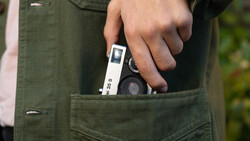
Another issue Vanopstal highlights is the physical side of mistakes. With SLRs, what you see through the viewfinder is what the camera sees. But with rangefinders, point-and-shoots, and toy cameras, that’s not always true. She’s caught herself with a finger blocking the lens or pressing against the shutter release just enough to stop it from firing. These are small errors, but they can ruin a frame without you realizing it. The takeaway isn’t about skill; it’s about awareness.
Then there’s winding. Vanopstal admits she sometimes forgets whether she’s wound the film or not, especially with cameras like her Yashica or Lomography Sprocket Rocket, which allow double exposures. Forgetting can lead to blank gaps or overlapping frames, both of which can be frustrating when you see your scans later. While some modern film cameras prevent this mechanically, most older models rely on your attention.
The final point in her video isn’t about mechanics; it’s about mindset. Vanopstal reminds you that film photography isn’t about chasing perfection. It’s about slowing down, learning to see, and appreciating the act of shooting itself. Every roll holds a rhythm, and the more you focus on process over outcome, the better your work becomes without forcing it. Check out the video above for the full rundown from Vanopstal.


Join the Fstoppers community for free
-
Post comments and join in the discussions
-
Browse the site ad-free
-
Share your work and get featured in the community
-
Compete in the photo contests for fun and prizes
No comments yet