You don’t need a shelf full of cameras to make strong images, yet it’s easy to end up with one. The real question isn’t which model is best, but why you own what you own.
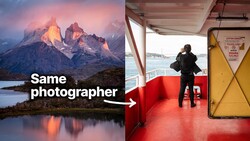
Coming to you from James Popsys, this reflective video walks through his personal lineup of cameras. Popsys is blunt about it. One camera is enough. Two, if paid work demands a backup. Beyond that, every extra body becomes cost, complication, or both. Switching between different systems can slow you down. Buttons move. Menus change. Moments pass while you check a setting you thought you memorized.
The newest addition, the Sony a1 II, stands out. Popsys admits it is not great value for most people. The specs overlap heavily with less expensive options. Yet in Antarctica, features like pre-capture, a stacked sensor, and high-speed burst shooting at 50.1 megapixels proved hard to ignore. You may not need 30 frames per second or blackout-free shooting often, but when wildlife moves fast, limits show up quickly. That tension runs through the whole discussion. Advanced tools are compelling. They are also expensive. Every dollar tied up in gear is a dollar not spent on travel, printing, or time away to shoot.
Then there is the Fujifilm GFX100S II and its 102-megapixel files. Popsys calls it one of the best cameras he has ever owned. The files are rich. The ergonomics feel right. Large prints look beautiful. He runs a Canon PRO-2600 that prints 24 inches wide, and even larger prints go through a lab. Still, he questions whether 100 megapixels are necessary when strong images made at 16 or 20 megapixels already print well at substantial sizes. The GFX system cannot match the Sony for autofocus speed or features like pre-capture. For his work, the Sony covers more situations. That makes keeping both harder to justify.
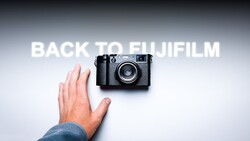
At the smaller end, the Fujifilm X100VI and Ricoh GR IIIx compete for everyday use. The X100VI is not pocketable in the same way, but Fuji colors and a familiar shooting experience have grown on him. The GR IIIx slips into a pocket with a 40mm equivalent lens and produces lovely files, yet lacks weather sealing and does not always feel enjoyable day to day. Taste changes with time. Experience with a brand changes it too.
One of the strongest points is about customization. The Sony a1 II, despite complex menus, becomes simple once set up. Dedicated buttons control pre-capture, autofocus modes, subject recognition, minimum shutter speed, burst rate, and aspect ratio markers. When a camera bends to your preferences, friction drops. When friction rises, even a well-designed camera starts to feel distant. That insight alone is worth hearing directly. Check out the video above for the full rundown from Popsys.



Join the Fstoppers community for free
-
Post comments and join in the discussions
-
Browse the site ad-free
-
Share your work and get featured in the community
-
Compete in the photo contests for fun and prizes
No comments yet