
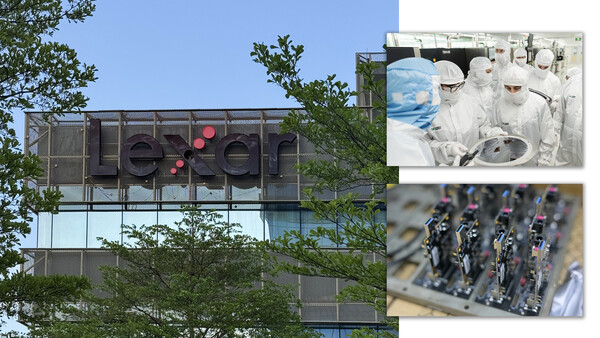
Like many digital creators, I've always justified paying more for quality memory, whether that be SD cards, CFexpress cards, or SSDs. Higher-end memory storage is faster, more reliable, and widely trusted. But I never really stopped to consider why that trust exists. That changed when I recently traveled to China to visit Lexar's facilities as part of their 30th anniversary. Seeing the process firsthand gave me a completely new perspective, and in this article, I will share what I took away from that experience.
I've always cared deeply about the longevity of images, both as a photographer and as the person in my family responsible for preserving our family archive. For me, that's often meant focusing on print, at the end of the preservation process. I've spent years visiting print labs, gaining an understanding of color management and print types, thinking about what it takes for a photograph to last beyond a screen. But in focusing so much on the end of the process, I'd overlooked something far more fundamental: the beginning, before your image is captured.
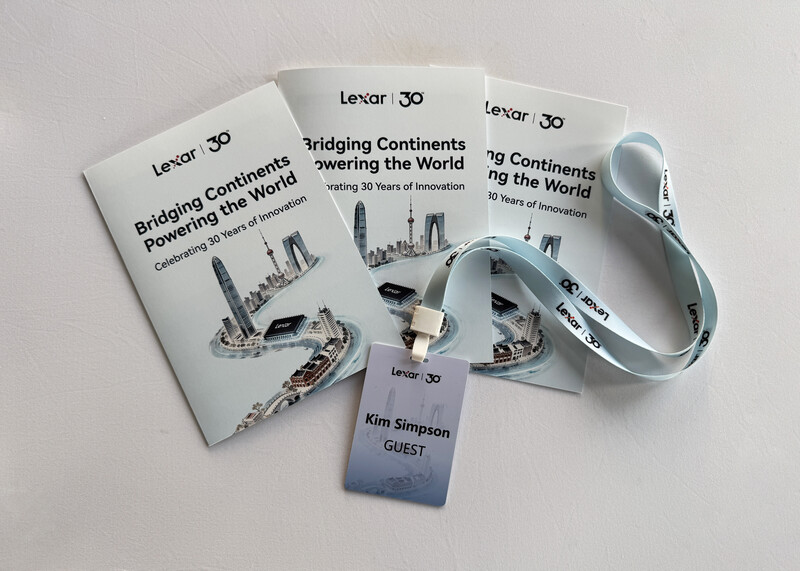
I used to think the most important parts of my kit were the camera body and the lens. In reality, I have been viewing photography from the wrong perspective. The most important component is that tiny device sitting inside, ready to store every image and video. Your work is entrusted to a chip no bigger than a fingernail.
For the first time, I saw the very start of the image-making process when I was invited to China for a look inside Lexar's research, development, and production processes. Visiting Lexar's research and development labs in Zhongshan and their production facilities in Suzhou gave me a firsthand view into a part of the process I had never fully considered. This made me realize that if we care about the longevity of our images, we can't just think about how they're displayed or printed; we must think about how they're stored from the very beginning.
Understanding the Wafer
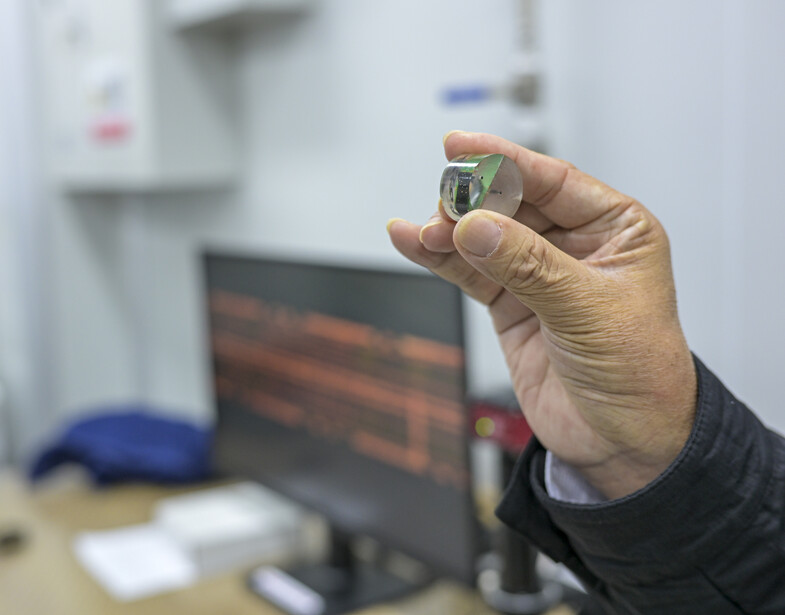
At the heart of every memory chip is a wafer. A wafer is a perfectly engineered, mirror-like disc of silicon. It is flawless, ultra-thin, and manufactured with extraordinary precision. This is the true starting point for almost all modern storage technology, from microSD cards to high-speed SSDs.
During my visit to Lexar's production facilities, where I had direct access to the manufacturing process, it became clear that the wafer really is the foundation of everything. Each one contains tiny memory units known as dies (or chips), created by building up microscopic circuits layer by layer across its surface.
Once completed, the wafer is carefully sliced into these individual dies. Each one is around 30 microns in thickness, thinner than a human hair, yet capable of storing huge amounts of data. To increase capacity, these dies are then stacked, and this vertical stacking is what allows modern memory cards and SSDs to pack massive storage into such compact forms.
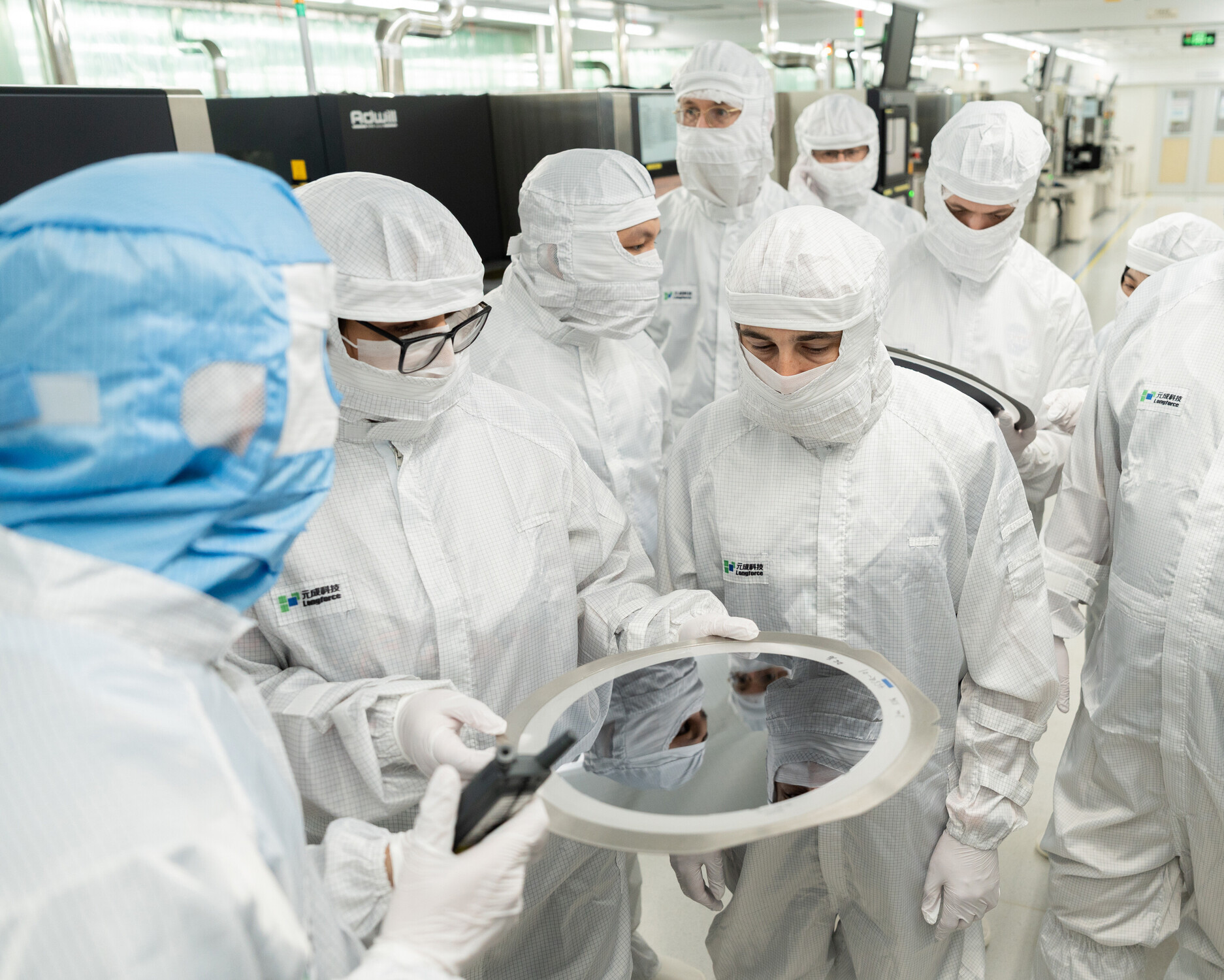
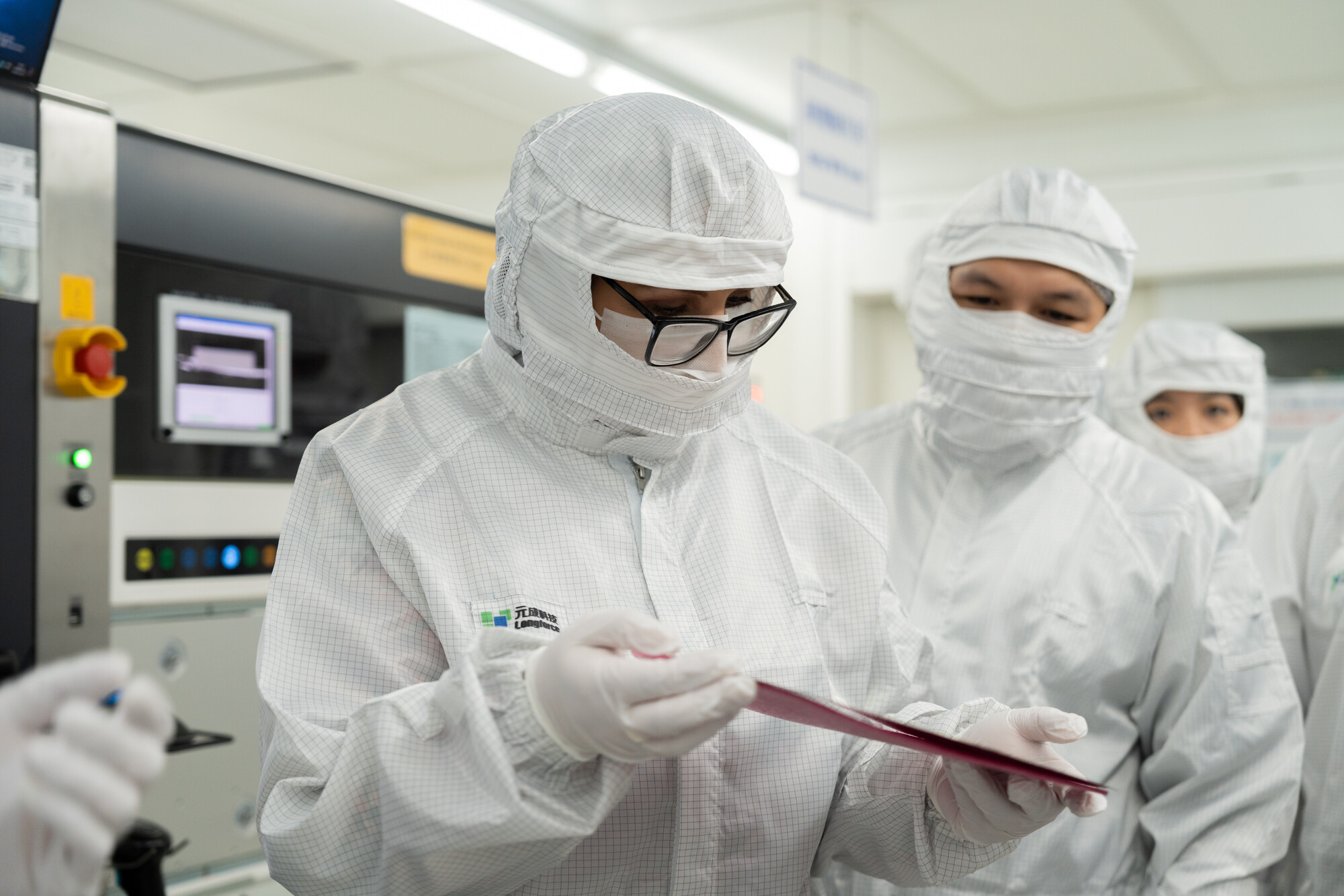
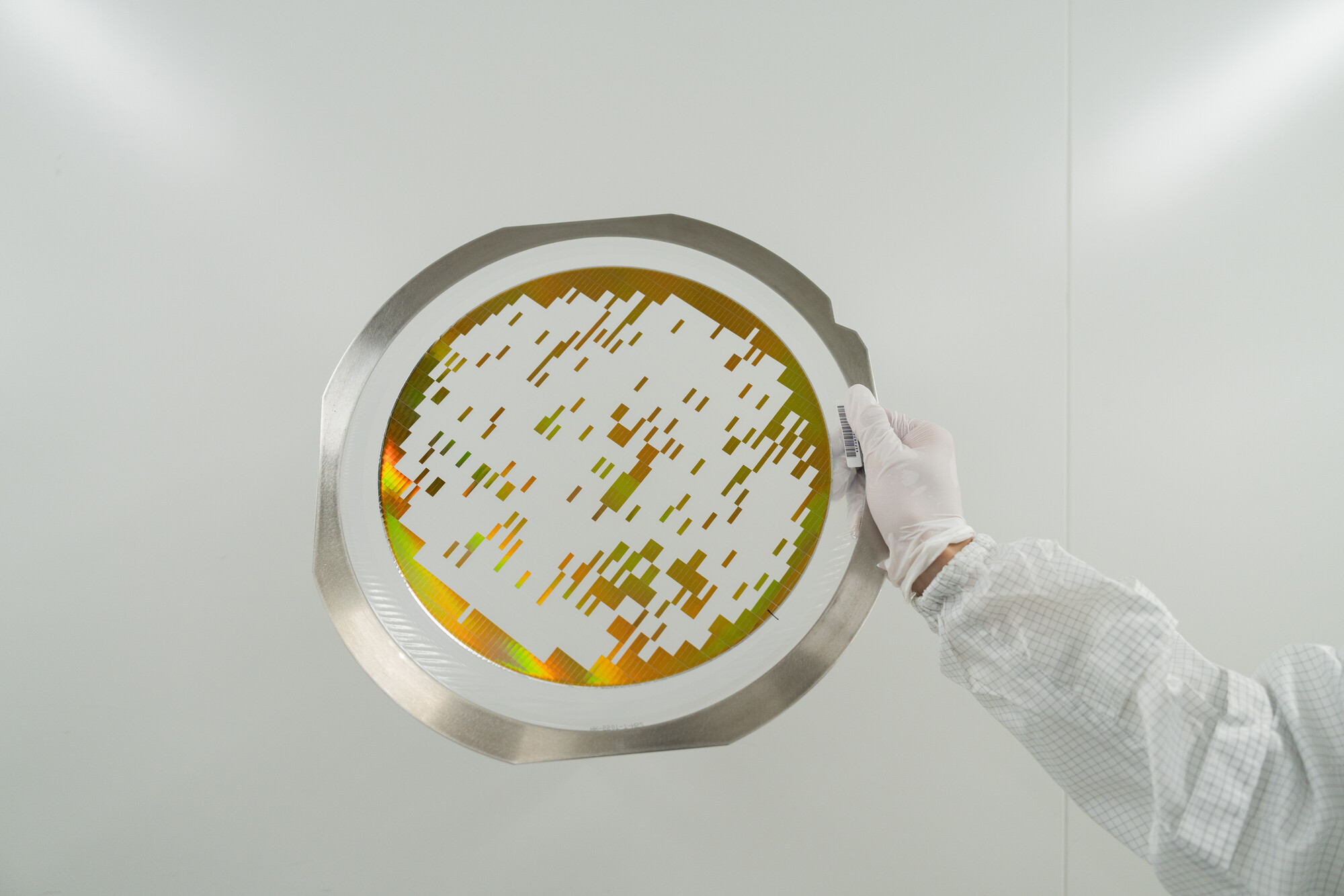
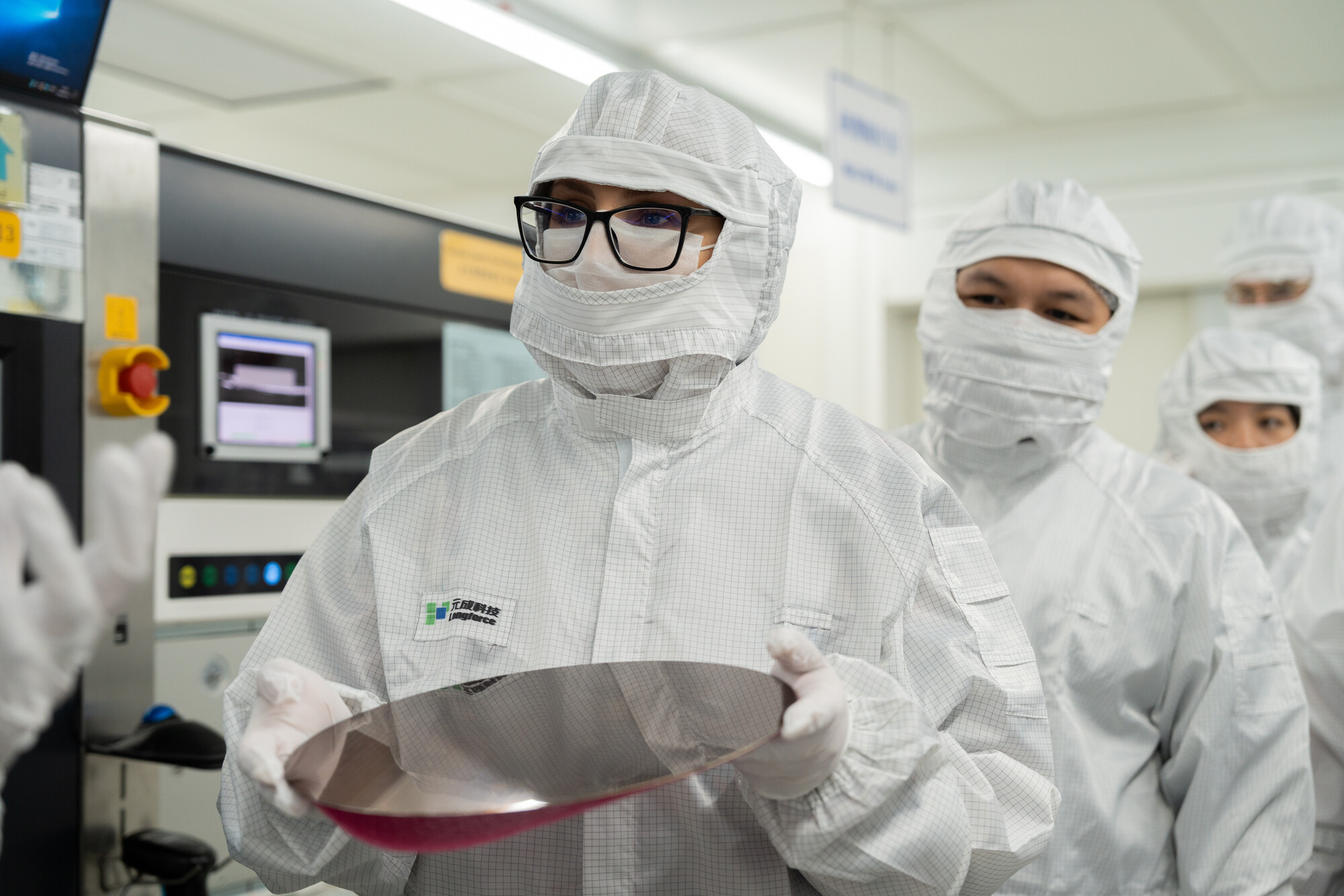
Carefully holding and inspecting a wafer inside the Lexar production facility
Testing That Pushes Products to the Edge
Only the highest-quality dies make it to become Lexar memory products. This is a key reason why not all memory is equal. Two cards may look the same, but in practice, one may fail when you need it most, while the other performs consistently under stress.
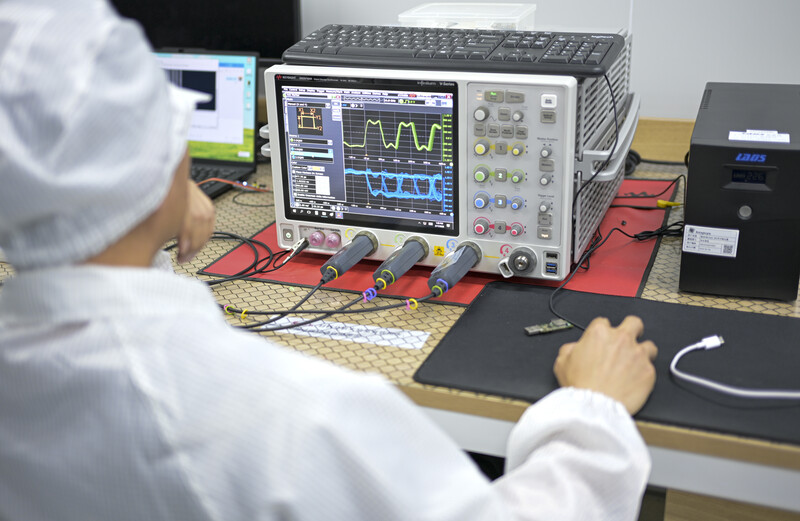
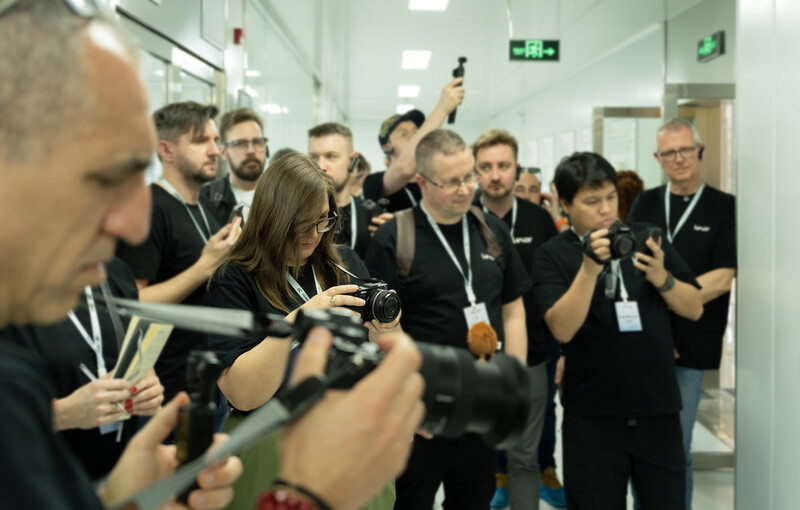
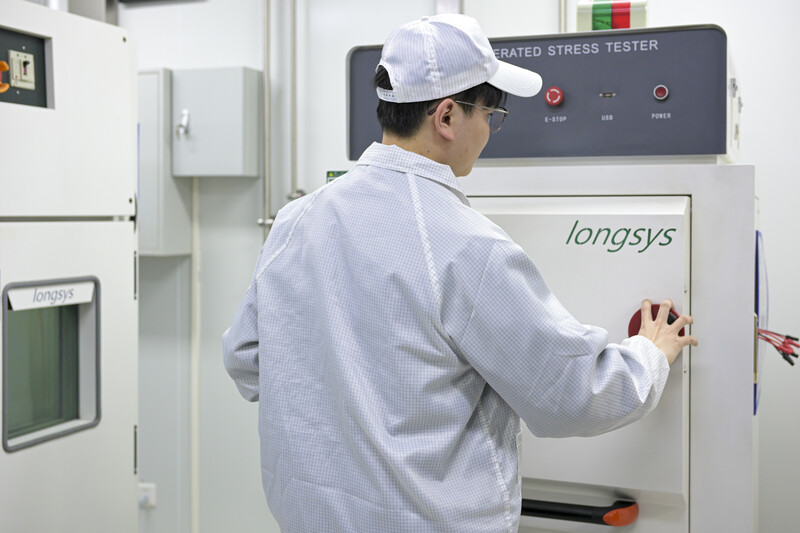
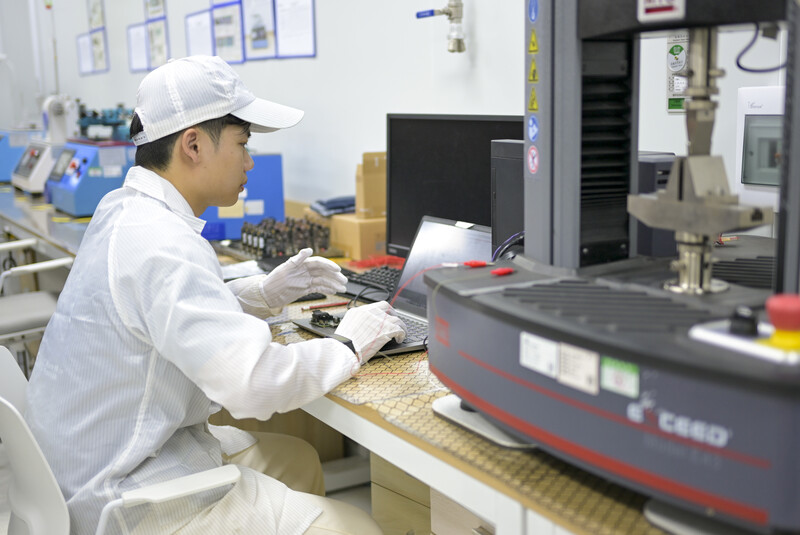
In Zhongshan, I walked through Lexar's quality labs, filled with machines designed to simulate failure. Cards and SSDs were subjected to repeated power loss, exposed to extreme heat and cold, humidity, and repeatedly drop-tested to push these products far beyond normal use, replicating extreme conditions beyond what users encounter in the field. This might seem excessive, but that's exactly the point: memory cards and SSDs are being tested to ensure they don't fail when you're under pressure. All of this ensures that your data stays safe when a battery dies mid-shoot, if you remove a card too early after downloading, if you're shooting in harsh climates, or in other scenarios that push your hardware to its limits.
The Legacy Behind the Process
Any digital creator has heard of the Lexar name, but you might not know much more beyond that. Spending time inside their labs gave that name far more context. Founded in California in 1996, Lexar now marks 30 years of developing and refining flash memory technology. Over that time, they've played a role in pushing capacity and performance forward, from early CompactFlash cards through to today's high-speed SD, microSD, and CFexpress formats.
What stood out to me wasn't just the milestones, but how that history connects directly to what I saw during my visit. The precision in wafer production, the selection of high-quality chips, the industry-leading developmental milestones, and the level of testing all reflect years of leadership in the field of flash memory.
Trust Is Engineered
Before this trip, my trust in memory products lacked proper education on the subject. Now, my trust feels different. It's built on the precision of wafer production, the selection of high-quality chips, the intelligence of controllers, and the rigorous testing that ensures these devices survive the types of use that users demand.
There's a difference between assuming quality and witnessing it. Seeing wafers, watching chips get selected, and watching stress tests in action transformed abstract ideas into real understanding. I now value memory not just for speed or capacity, but for the assurance that my work is safe from the start.
Speed is, of course, important, both read and write speeds, along with buffer clearing. Consistency matters just as much, if not more. A card that performs well under ideal conditions but struggles when stressed isn't reliable. What I look for now is stability, protection of data, and peace of mind, no matter the conditions.
Memory as Responsibility
Memory products carry responsibility. They don't just store files; they store weddings, documentaries, and creative breakthroughs. The difference between a cheap card and a professional-grade card isn't always visible until something goes wrong. That's why premium memory should not be considered a luxury; it is an investment in protecting your work and your legacy.
Final Thoughts
Visiting Lexar's facilities during their 30th anniversary has been a revealing experience, and one that gave real context to a subject I had long taken at face value. What was once just one of a handful of trusted names on a card or SSD is now backed by knowledge gained from this research trip.
Seeing the wafers, the selection process, and the relentless testing made it clear that Lexar has a genuine dedication to protecting and safeguarding the work we trust to these devices. What stood out most during this visit wasn't just the technology, but the intent behind it. The focus on pushing products to the brink of failure, refining processes, and ensuring that what ends up in your camera, or as part of your workflow, can withstand genuine use speaks directly to that commitment.
As photographers and creators, we often think about the end result of long-term storage of prints, portfolios, and finished films. But this experience has prompted me to remember that safeguarding starts much earlier, at the point where your scene or subject first becomes data. If that foundation isn't solid, nothing that follows really matters.
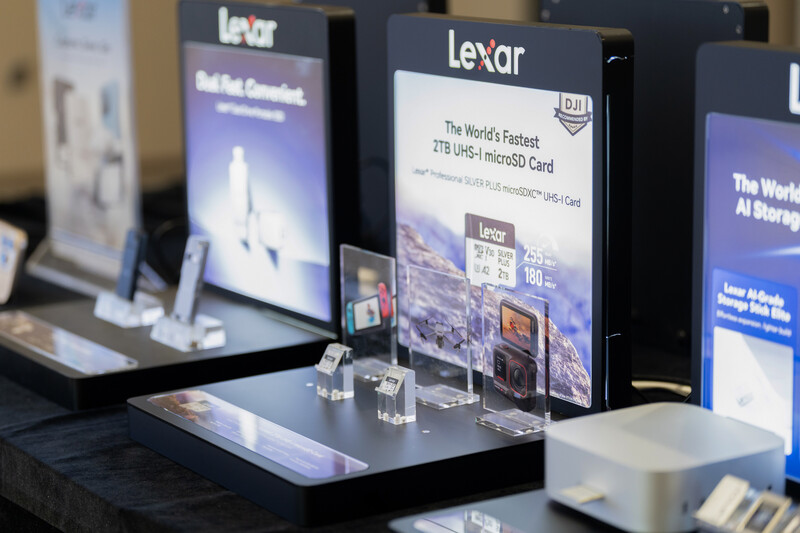
Investing in quality Lexar SD cards, CFexpress cards, or SSDs isn't solely a decision based on speed or capacity. It's about decades of development, and trusting that your work is protected from the moment your storage device is created. And as someone who has witnessed this process firsthand, it's a trust that feels far more meaningful, making sure your digital files are safe.




No comments yet