
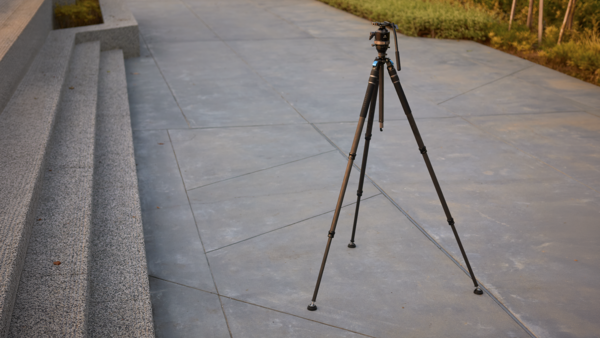
As someone who relies heavily on a geared head for precise hospitality work, the increasing demand for speed and video applications has left me considering how to integrate a hybrid ball head system into my professional workflow. Specifically, I was looking for a unit that acts as a traditional fluid head, yet retains the multi-axis freedom of a ball head for dynamic still photography—all without lugging around two different support systems. This is where I came across Sirui’s latest BH-60 hybrid head and SVS60 tripod, promising to solve both of these industry issues with a single, highly adaptable setup.
Build Quality
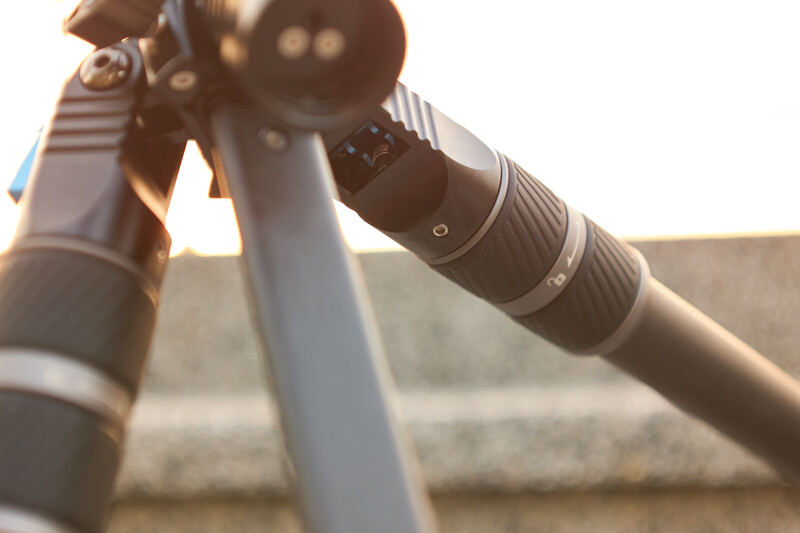
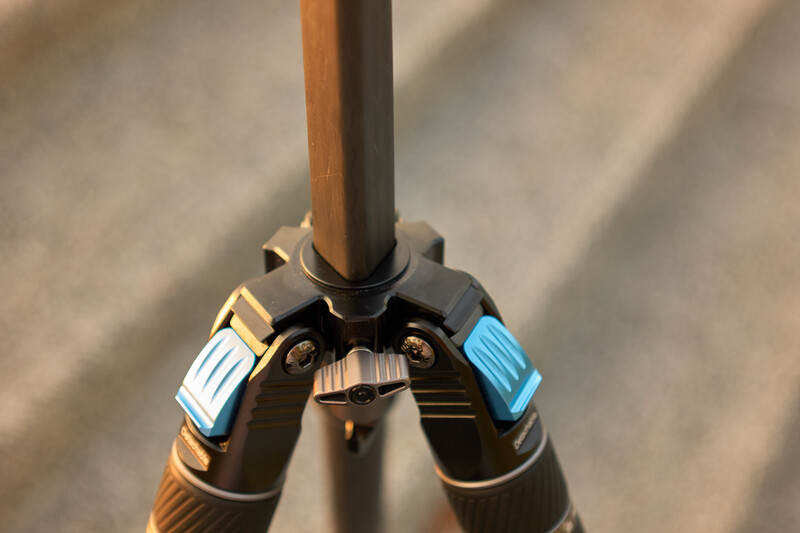
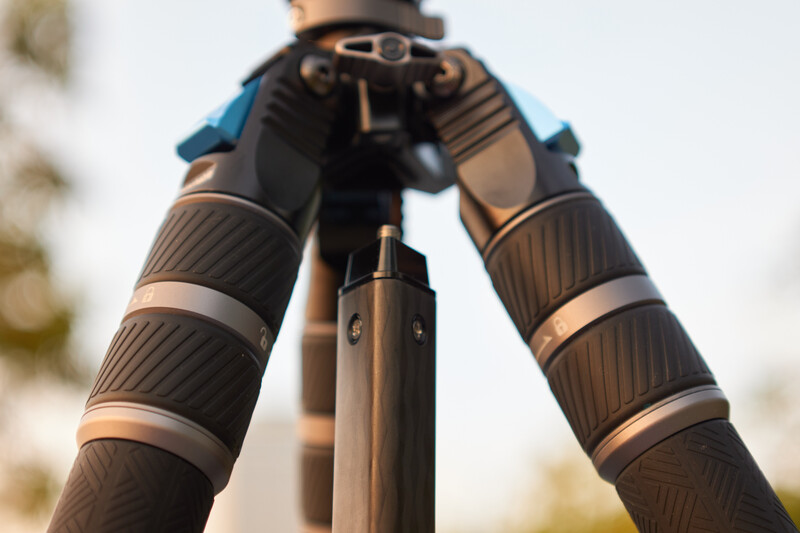
At first glance, the Sirui SVS60 and BH-60 combination doesn't look drastically different from other traditional setups. That is, until we look closer into the details. On the legs, there is only one main twist lock at the top of each tripod leg and no visible lock to release the third leg section. That is because the SVS60 is designed as a rapid-release tripod where a single main lock controls the overall tripod height by releasing the two lower leg sections simultaneously. Two of the upper leg sections feature rubberized grips, providing a secure place to pull the tripod up or push it down to your desired height. During height adjustments, the upper segments remain entirely stationary while you extend or retract the lower tubes, and this provides a stable platform to add additional mounting points for friction arms.
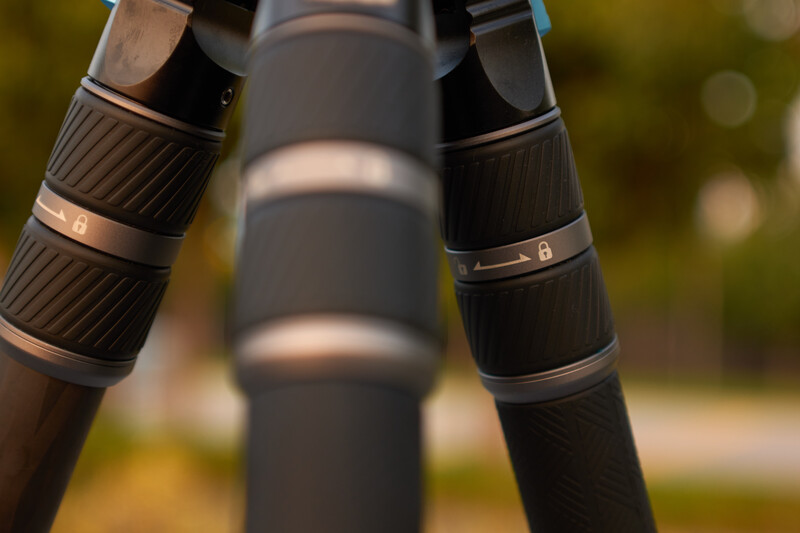
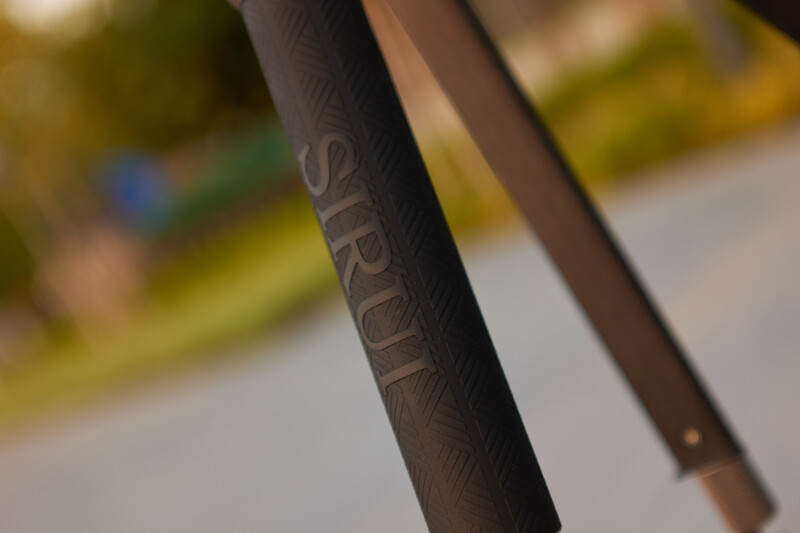
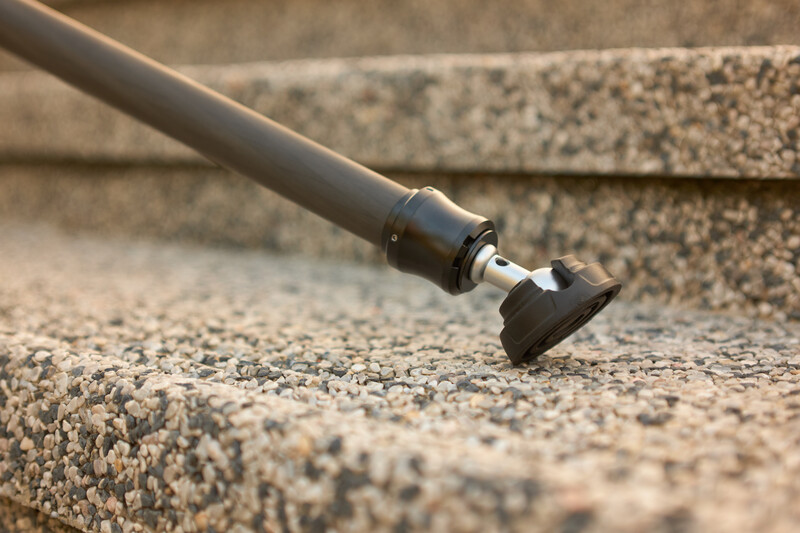
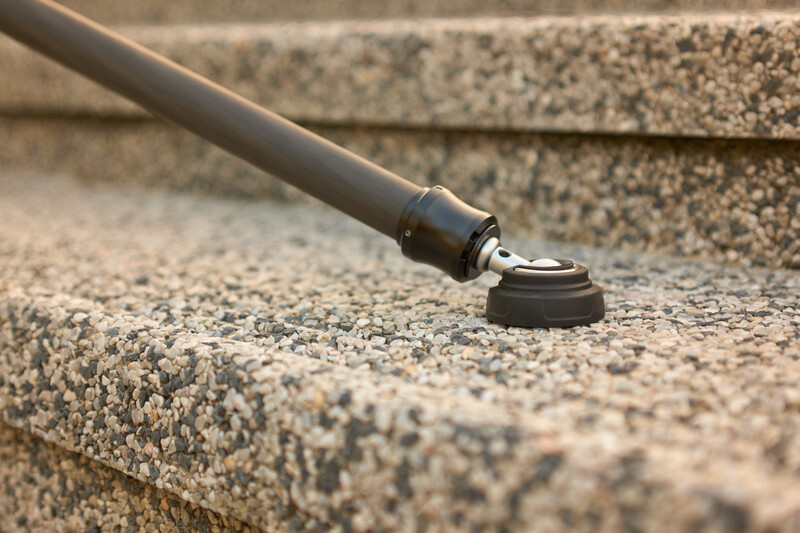
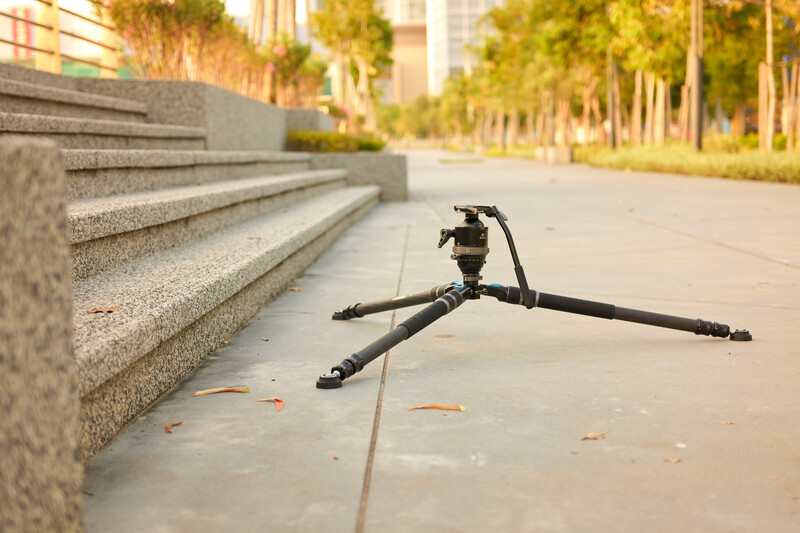
The tripod legs are built from multilayer carbon fiber, starting with a reassuringly thick 30.3 mm outer tube that tapers to 18.6 mm at the lowest segment. With a weight of 2.3 kg and a folded length of just 66 cm, it has a payload rating of 8 kg and a maximum height of 164 cm with the center column extended, or approximately 134 cm with it retracted, from a minimum of 19.5 cm when all three legs are splayed open. All three legs of the SVS60 can be detached and transformed into individual monopods using the SVM-B quick-release base or tabletop tripods using the SVS-3L short leg attachments. However, you must be aware of the tiny set screws behind the apex that need to be loosened with the provided Allen key before detaching the legs. Since both leg detachment and the main twist lock work in the same direction, I would recommend tightening these screws when you are not using it as a monopod so you do not accidentally detach the legs when you only intend to release the lock. You can also find rotatable, wide anti-slip rubber feet that provide extra traction on smooth floor surfaces. They can also be changed into metal spikes for secure footing on loose dirt or sand. Note that these wide anti-slip rubber feet can be a little frustrating to deal with, as they require extra fiddling to flatten out against the floor when deploying the tripod.
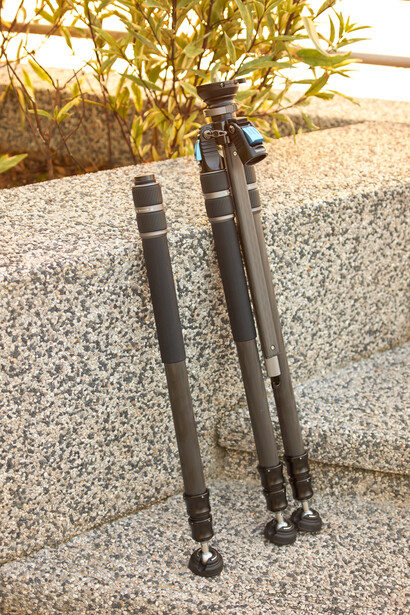
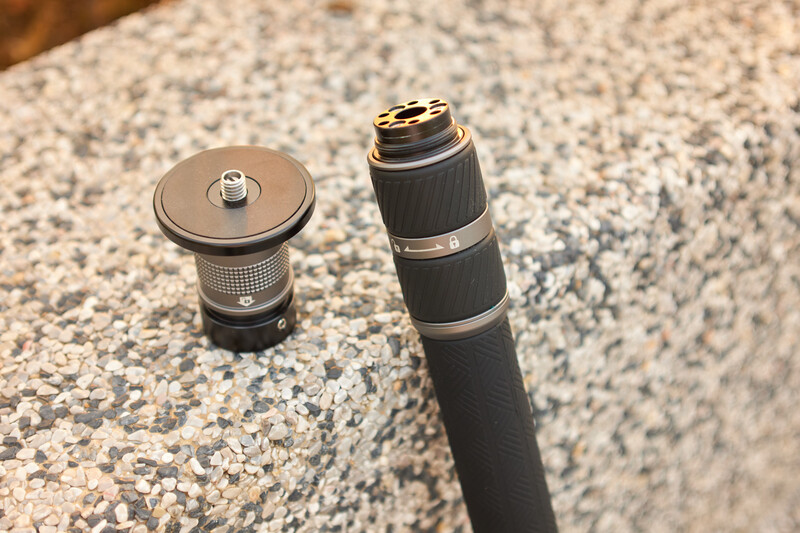
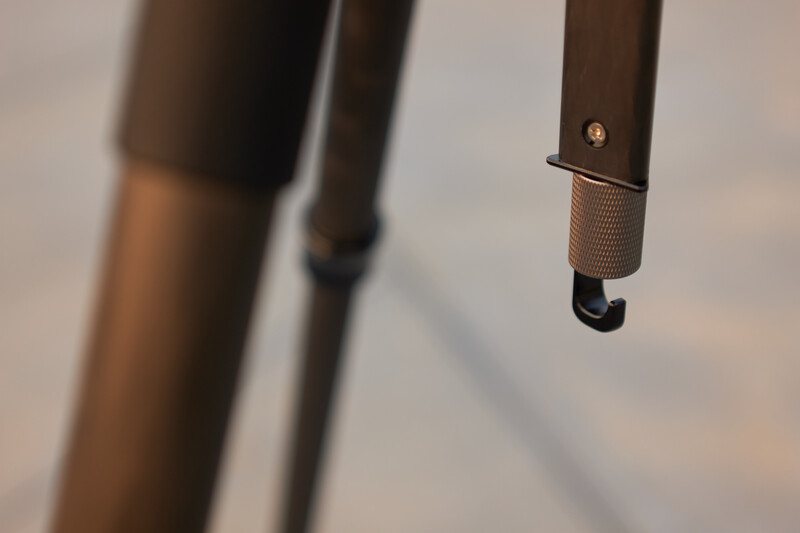
The SVS60 also has quite a slim and narrow footprint at only 70 mm, largely due to its triangular carbon fiber center column. This smart design choice helps reduce the overall collapsed circumference compared to having a traditional round center tube. While the footprint is good for transporting, the advantage quickly diminishes when in use. The clearance between the legs and center column is not really enough for your fingers to release the main twist lock comfortably when used at its default position. Speaking about the center column, I do like the mechanical operation of how it works. Rather than forcing you to swap in a dedicated short column for ground-level shots, you simply rotate the screw where the hook is to remove the entire column. The only caveat is that it will be slightly more cumbersome to invert the center column with a heavier setup. The hook can also be used to increase stability by hanging a sandbag to weigh the tripod down. Tip: You are going to really need this when using the ball head in video mode.
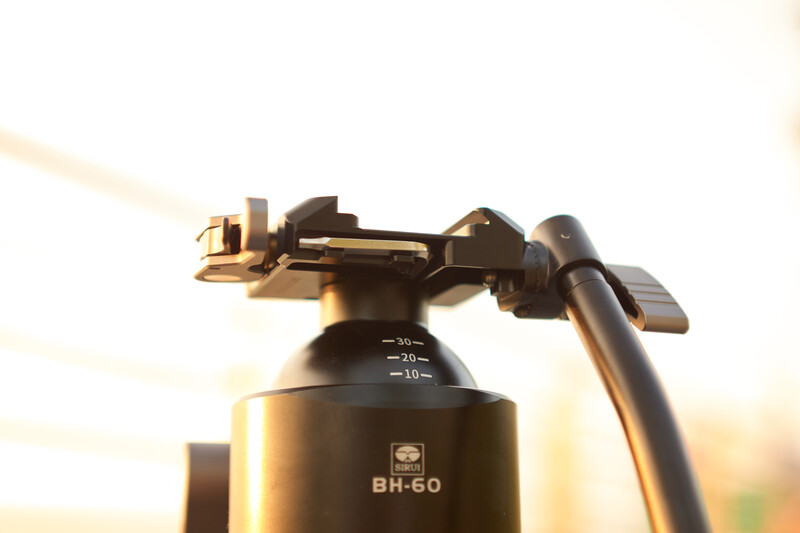
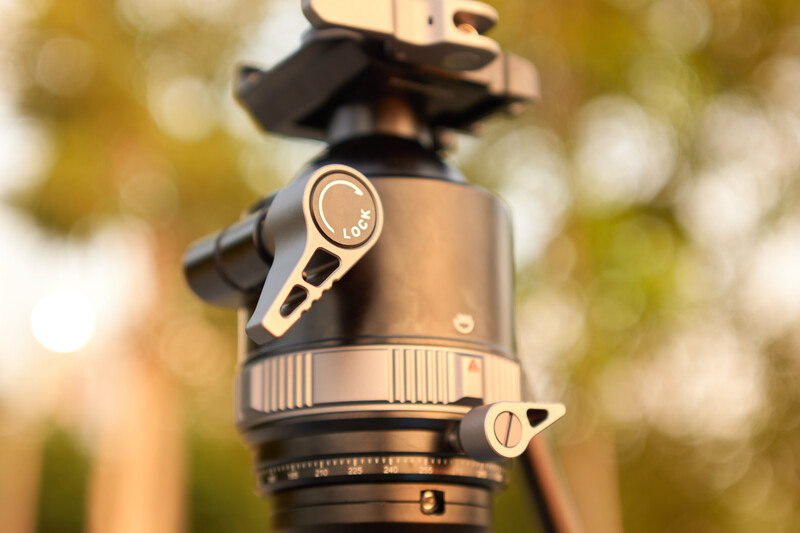
When combining the SVS60 with the BH-60 head, which is machined from aluminum alloy, it will add another 0.95 kg to your entire setup. The tripod's 8 kg load rating leaves approximately 7 kg after accounting for the head, although the complete kit is rated for a 5 kg working load. The BH-60 itself is rated to hold up to 20 kg statically in photography mode, while its counterbalance mechanism is rated for 5 kg. Though, you should be mindful that the 5 kg working load does feel a little low considering how big the setup is and can potentially be a bottleneck. But judging by how camera setups have been shrinking in recent years, it should be sufficient unless you are working with heavier cinema rigs, in which case this might not be suitable for you. Looking past its limitations, the BH-60 is a beautiful head with engraved wording and a logo giving it a premium look. Underneath the head's mounting plate, you will find a cleverly hidden magnetic dual-sized Allen key that can be used to tighten the quick-release plate and every visible hex bolt on the tripod—including adjusting the dual-lock camera quick-release lever. Dialing in the BH-60 is mostly a joy; the main friction lock knob is one of the nicest I have ever used, offering buttery-smooth resistance. Pro tip: If the quick-release locking lever ends up facing directly outward when fully tightened down, you can pull it outward to rotate its position to a better placement.
Features
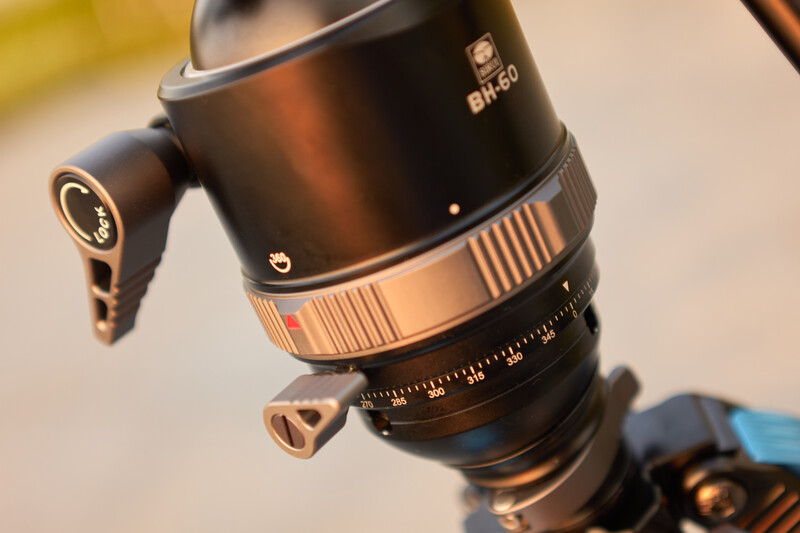
The core appeal of this setup is how Sirui’s BH-60 successfully combines the functions of two different types of tripod heads into one integrated unit. Using a dedicated one-click mode selector ring, you can rapidly switch between still and video applications without disassembling your setup or swapping gear. Note that there is a buffer dot in the middle where you level the head, presumably to engage the internal gearing mechanism before switching from default ball mode to pan-tilt mode. The ring cannot be fully rotated to switch modes if the head is not leveled.
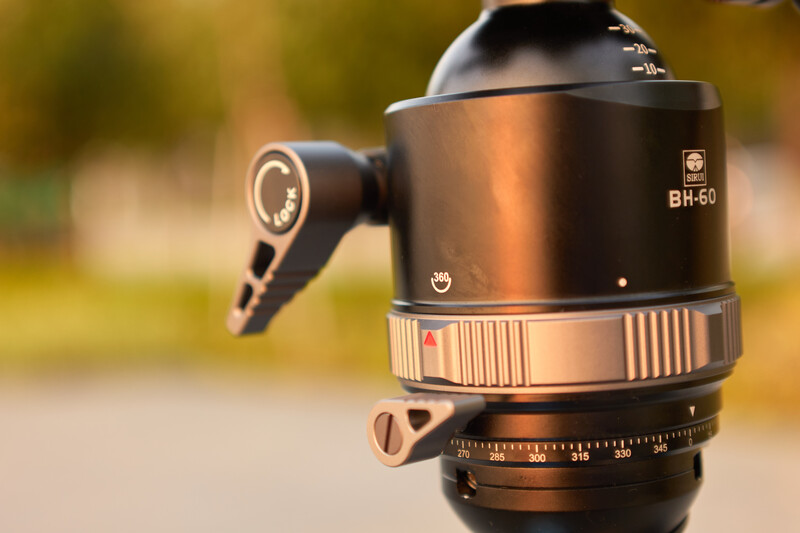
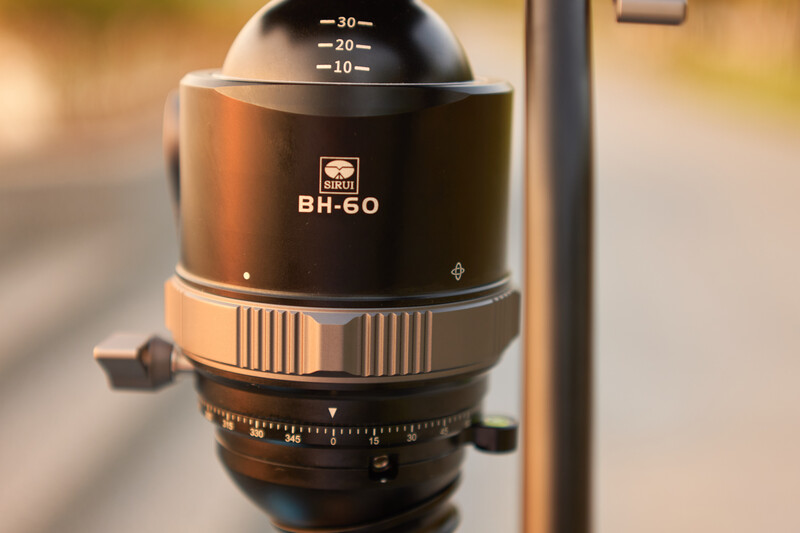
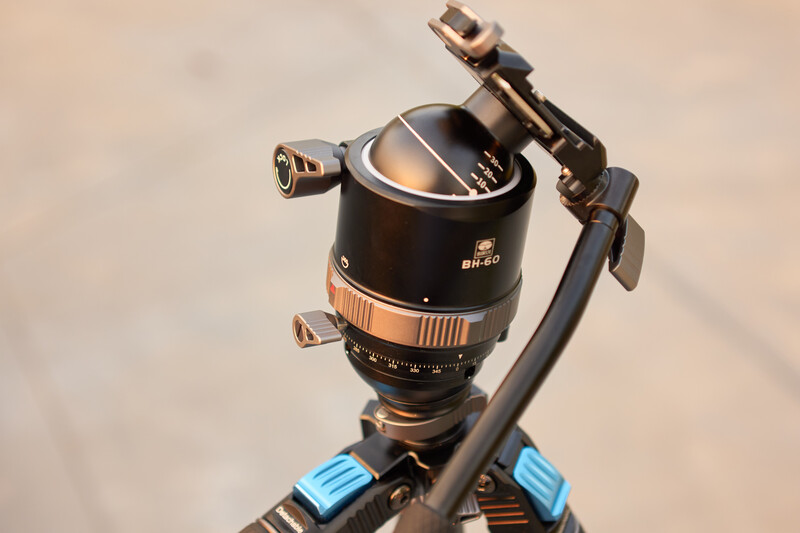
In the 3D Photography Mode (Omni-Ball), the head operates like a traditional ball head, providing full 360° movement. When you switch over to the 2D Video Mode (Pan-Tilt), the roll axis will be locked. The tilt range of -40° to +40° is supported by mechanical damping and a counterbalance mechanism. This helps the camera return toward its balanced position, although the actual behavior depends on the camera's weight and balance. There is also an included 230 mm detachable control handle that provides you with excellent leverage in driving these movements for smooth video panning. It can easily be removed when you need a tighter footprint.
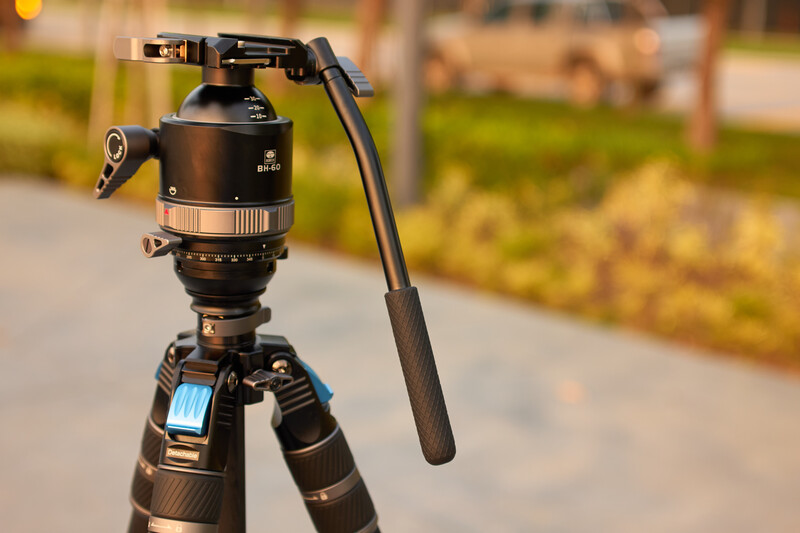
Next are the SVS60 legs, which feature a rapid one-step height adjustment system. Instead of dealing with multiple latches, a single twist-lock control on each leg allows you to extend or collapse both leg sections simultaneously. Setting the tripod stance is just as fast. Each tripod leg features three fixed leg angles (21°, 50°, and 78°) for quick position adjustments. The best part is that it also utilizes a semiautomatic button that automatically locks itself in place when you go from wide to narrow. Though if you are going from the narrowest to widest stance, it does not lock itself at the 50° stance.
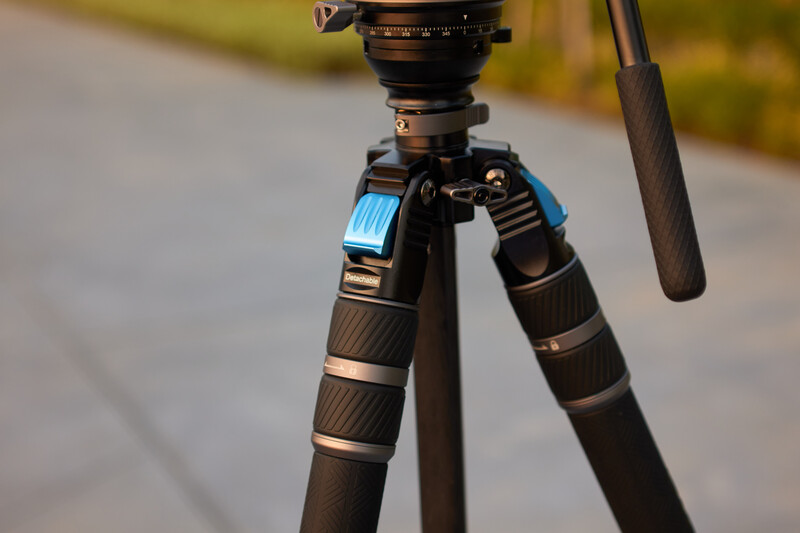
The tripod also features a built-in leveling bowl. By unlocking a flip lock, you can manipulate the half ball via the bottom handle to achieve up to ±15° of adjustment, allowing you to instantly level the head even when the legs are not perfectly even on the ground. This eliminates the need for tedious micro-adjustments of individual leg heights. You can also find two bubble levels—one on the tripod apex and one on the far side of the head—to help you keep things level. Unfortunately, both are quite small and are not very accessible with how things are designed to operate.
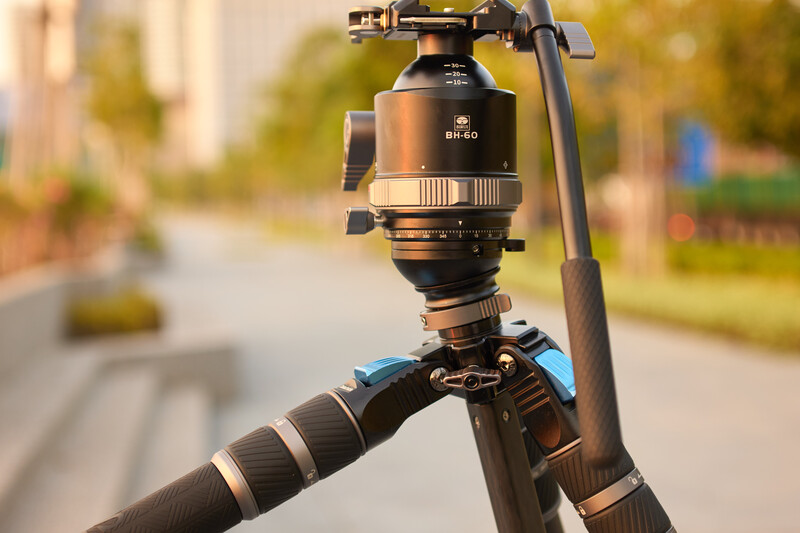
The BH-60 head utilizes a standard Arca-type quick-release system, making it widely compatible with most L-brackets, telephoto lens support plates, and the plates we use for gimbal attachments. Since the head is designed for direct compatibility with longer Arca-Swiss plates catering to video usage, the direction in which the camera mounts onto the head can be a little odd if you are trying to use the L-bracket and the control handle together. Note that in video mode, you will also not be able to roll the camera sideways since the roll axis will be locked in this mode.
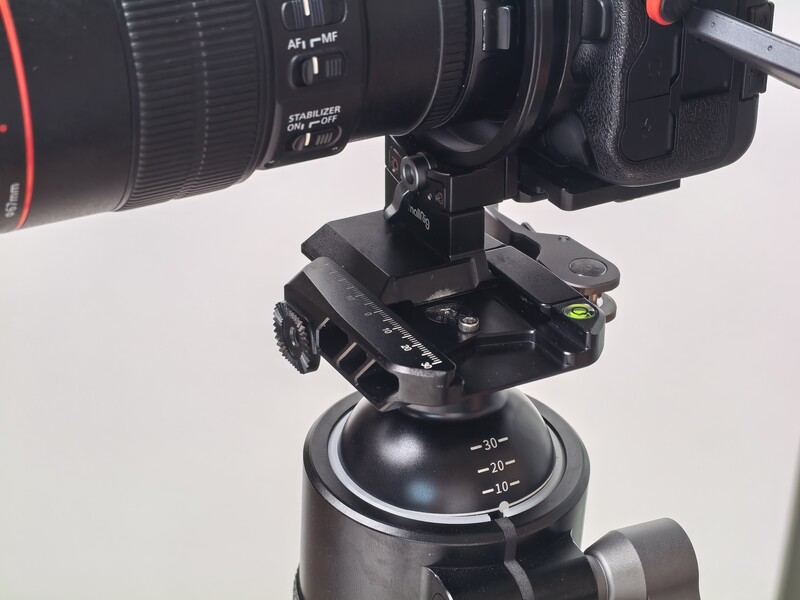
You can also find an independent panoramic lock with a 360° scale at the bottom. It provides unrestricted 360° panoramic rotation that is independent of the ball movements. This allows you to perform axis rotation (a broader and more precise rotation) separately when you need more precision.
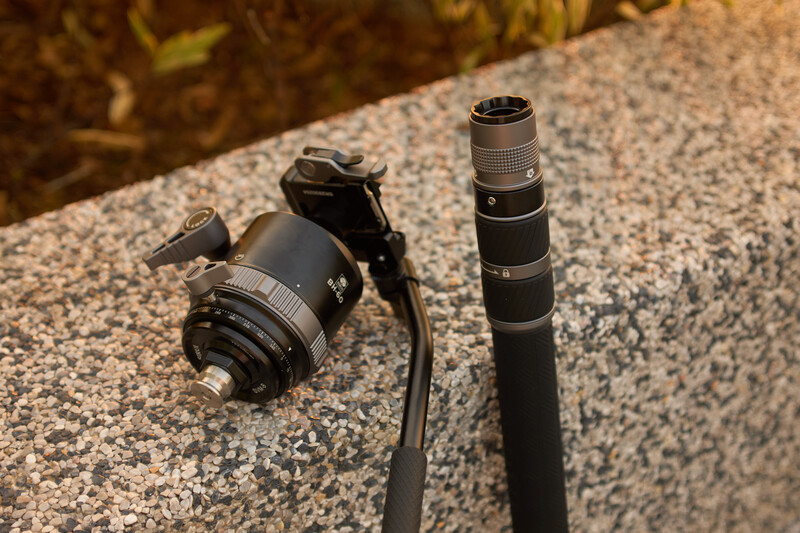
If you are using one of the legs as a monopod, the included SVM-B mounting plate features a brilliant automatic locking mechanism for quick detachment. You only have to pull the collar down once to loosen and release the entire ball head attachment. When you are ready to remount, you simply hold your heavy equipment with both hands and drop it directly onto the receiver—the plate snaps and locks automatically. This allows you to move between high and low monopod setups almost instantly with the SVM-LF. You can also find the self-adaptive thread size on the tripod and SVM-B adapter that seamlessly switches between 3/8-inch and 1/4-inch threaded connections, allowing you to mount anything from the BH-60 to a gimbal stabilizer or a phone clamp.
Real-World User Experience
To be frank, I have a major pet peeve with using ball heads, and I try to avoid them as much as possible because the last thing I need is for that slight sag upon locking to ruin the precise framing I just spent time building in-camera. But because the demand for video is increasing, the need for a more flexible head also increases. This is where I think the BH-60’s hybrid head concept has convinced me to give it a try. Despite having my fair share of skepticism, the locking mechanism did an excellent job of holding its position without much sag. Though on the more telephoto end of things, sag can be amplified. As a trade-off, I can seamlessly transition into video applications using the mode selector ring from our precisely dialed-in master frame.
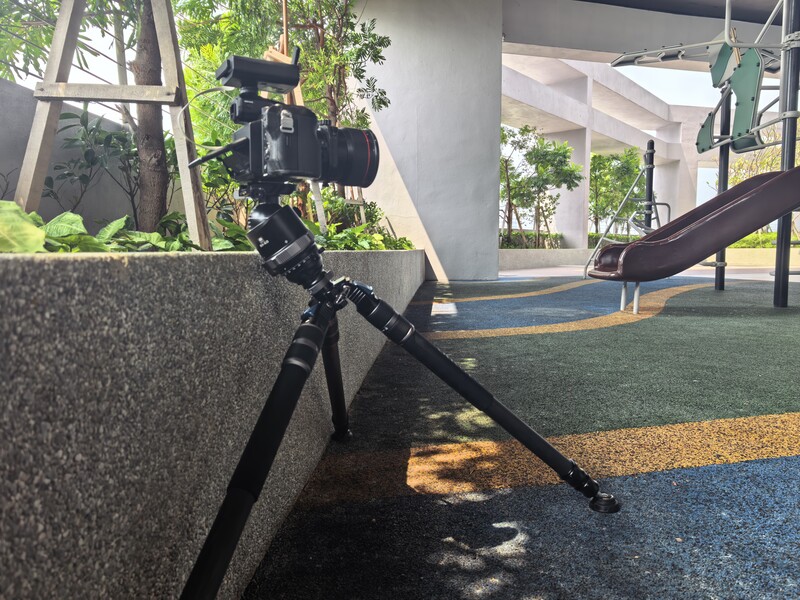
While the concept of a hybrid head is brilliant in reducing the burden of hauling multiple heads, the execution in the 2D Video Mode still has some distinct quirks. This is because the unit acts more like a standard ball head with added tilt damping, rather than a true fluid head. Although it has a mechanical counterbalance system, I found that it would not reliably hold its position off-axis without manually tightening it down. You can play with the tightening knob to mimic the drag, but I'm not sure if it'll wear out the tightness in the long run. Furthermore, the tilt tension is also fixed and feels noticeably nonuniform due to the directional biomechanics of our human hands. This makes downward movements feel much more resistant than upward movements because it is simply easier to push downward than to pull upward. Not to mention, the resistance increases steeply as your angle becomes sharper. Extreme tilts with a smaller camera can actually tip the entire tripod, causing the tripod to feel less stable than I had hoped. Remember to hold down on the apex near the center column when executing aggressive movements. Thankfully, the BH-60 ball head did lock off the roll axis to prevent unnecessary skewing of footage.
Now let’s talk about my initial reaction to the built-in leveling bowl on the SVS60. To me, it initially felt redundant to have a leveling bowl directly beneath a ball head that already offers omnidirectional movement. However, in practice, it provides a fantastic two-step positioning workflow that closely mimics how I operate my geared heads (minus the precision). The bowl takes care of the global horizon line, allowing me to use the ball head purely for more precise compositional framing. You can also use the leveling bowl to squeeze out a bit more tilt angle, reaching about 55 degrees in video mode—though the head's 2D Video Mode still cannot reach a full 90-degree tilt. If you shoot vertically, you are definitely going to have to rely on an Arca-Swiss-compatible L-bracket or a horizontal-to-vertical cage.
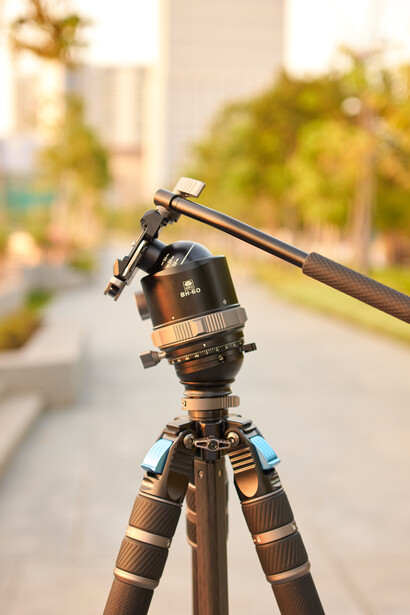
The SVS60 rapid-system tripod legs, on the other hand, left me with mixed feelings regarding their operational fluidity. The one-step twist locks do save significant time and physical energy during the initial setup, but that advantage quickly diminishes once heavy equipment is mounted. Instead of extending one leg at a time while the others provide support, you now have to lift the entire weight of the rig at once and rely on gravity to deploy the legs. You also have zero control over which leg section deploys first, though from observation, the thinnest section seems to drop down first—which isn’t what I prefer, but it's not a big deal breaker. Ideally, I would want a lock that could release the legs by section, so that we can have more control over which leg section we are using (in this case, I would prefer the middle-section tube to come down first). Furthermore, there is no tactile way to guarantee you have achieved full leg extension. If the internal tubes ever get stuck with sand or dirt, retracting or extending them will become incredibly troublesome, as your only recourse will be tilting the tripod sideways and yanking the tubes out manually.
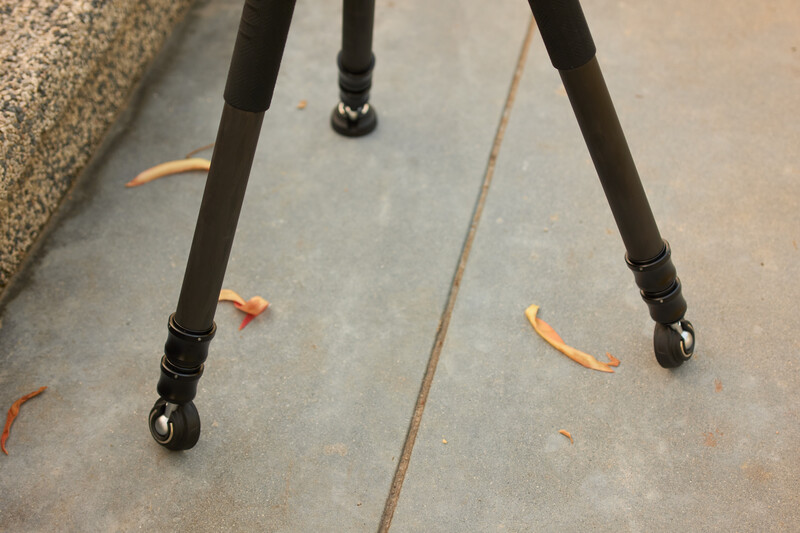
The real annoyance hits even deeper when it is time to pack up. There is no physical way to manually grab and retract the legs upward while locking them in place with one hand. Your only options are to awkwardly hold the tripod upside down to let gravity do the work or forcefully push the entire setup downward into the ground. Pushing down can be frustrating too when the legs are set wide, forcing you to partially close the legs first. Overall, I do think that the idea of rapid leg deployment is smart, but at its current stage, it needs further refinement to make it more intuitive to operate. Currently, the mechanism feels much more suited for a monopod than a heavy-duty three-legged tripod.
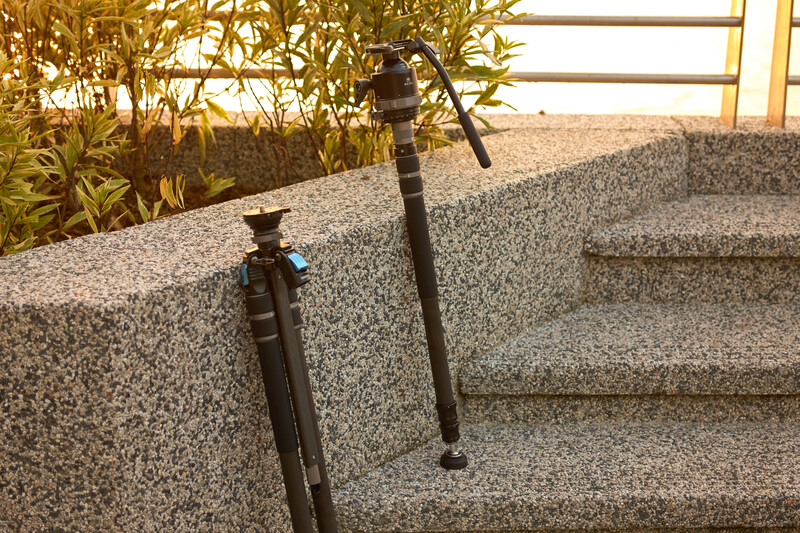
Summary
What I Liked
- The hybrid BH-60 head brilliantly consolidates both 3D photography ball head and 2D mechanically damped video head applications using a one-click mode selector ring.
- The highly modular SVM-B quick-release ecosystem and detachable legs ensure the setup is incredibly versatile and ready for quick monopod conversions.
- The ingenious center column design allows you to simply detach the bottom ballast hook to drop the camera right to the floor for low-angle shots without needing a separate short column.
- The built-in leveling bowl pairs excellently with the ball head, offering a fantastic two-step global horizon-leveling workflow without having to micro-adjust individual legs.
- The dual-lock quick-release safety mechanism provides vital peace of mind against accidental drops.
- The cleverly hidden magnetic Allen key ensures you always have the right tool to tighten any loose screws on the fly.
What Could Be Improved
- The gravity-dependent, one-step height adjustment system lacks tactile feedback and makes retracting the legs frustratingly unintuitive, as you must either flip the tripod upside down or awkwardly force it into the ground.
- The leg extension and monopod detachment mechanisms should use different locking styles—such as clip locks for height and a twist lock for the monopod—to prevent accidentally unscrewing the entire leg during routine adjustments.
- Enhance the twist lock to release tripod legs by section for more control over the precision of height deployment.
- The head's 2D Video Mode has a limited tilt range and cannot reach a full 90-degree tilt, while its locked roll axis requires an external L-bracket or cage for portrait-oriented shooting in that mode.
- The 2D Video Mode needs a true adjustable fluid drag system, as the current fixed, nonuniform tilt tension falls short of professional video requirements.
- The wide, rotatable rubber feet feel redundant and actively hinder the already tedious process of pressing the tripod down to retract the legs.
Final Thoughts
The Sirui SVS60 legs and BH-60 head combo is an ambitious piece of engineering. If you are coming into this looking for a flawless hybrid tripod that perfectly replaces both a high-end geared photo head and a fluid video head without any compromises, it is hard to fully recommend this current generation. The few operational quirks, especially the gravity-fed leg deployment and the limited tilt range in video mode, hold it back from being the ultimate all-in-one hybrid solution.
However, if you shift your perspective and look at this as a versatile and highly modular support system that just happens to feature a hybrid head, it becomes a much stronger recommendation. Do not get me wrong—this is still a very capable, well-built tripod that will absolutely get the job done on location. The rapid conversion from a tripod to a monopod, the ingenious low-angle center column detachment, and the robust Arca-Swiss quick-release ecosystem offer tremendous flexibility in a single package.
Ultimately, deciding whether this kit belongs in your gear bag comes down to a matter of priority. If your workflow demands absolute, uncompromising perfection in either pure photography or pure videography, you might find the ergonomic trade-offs frustrating. But if your priority is balancing versatility, reducing your travel footprint, and getting the best bang for your buck out of a single, highly adaptable modular system, this setup brings a lot of value to the table. As for pricing, the Sirui SVS60 legs go for $329, and the BH-60 head is priced at $219.




Join the Fstoppers community for free
-
Post comments and join in the discussions
-
Browse the site ad-free
-
Share your work and get featured in the community
-
Compete in the photo contests for fun and prizes
No comments yet