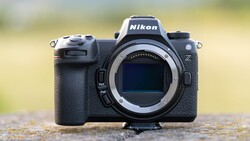
What makes the Nikon Z5 II mirrorless camera intriguing isn't what it promises on paper, but how it actually holds up in the field. For those who spend time photographing wildlife or capturing nature videos, getting a reliable and affordable camera is crucial, especially when considering the pricey alternatives out there.
Coming to you from Jan Wegener, this insightful video explores the Nikon Z5 II mirrorless camera from a wildlife perspective. When the Z5 II was first released, Wegener was skeptical about whether it could handle demanding scenarios like bird photography or wildlife videography. Yet, after rigorous testing in the wild chasing pelicans, photographing tiny plovers, and capturing stunning footage of soldier crabs, he discovered that this camera punched well above its weight class. The standout qualities were its compact, weather-sealed body, and the impressive image stabilization system, particularly when combined with Nikon’s longer lenses. Wegener could effortlessly handhold a 600mm lens and achieve smooth, stabilized footage, even at challenging focal lengths.
One concern Wegener addresses head-on is the autofocus reliability, particularly with moving wildlife. Although the camera boasts Nikon’s EXPEED 7 processor, the same found in the flagship Z8 and Z9, the autofocus occasionally jumped off target mid-burst, despite appearing locked onto the subject. While not a fatal flaw, it is a challenge that wildlife shooters need to anticipate. Wegener suggests a few techniques to mitigate this issue, which you'll want to see in action during the video. Another concern is the electronic viewfinder blackout, especially noticeable with fast-moving subjects or birds in flight. While manageable, it can complicate action photography.
Key Specs
-
Nikon Z lens mount
-
24.5-megapixel full frame CMOS sensor
-
Sensor-shift, 5-axis image stabilization
-
Native ISO range: 100 to 64,000 (photos), 100 to 51,200 (video)
-
Internal recording: UHD 4K up to 59.94 fps
-
Dual SD (UHS-II) memory card slots
-
3.2" tilting touchscreen LCD
-
Electronic OLED viewfinder with 3.69 million dots
-
Autofocus: 273-point phase detection, sensitivity -10 to +19 EV
-
Continuous shooting up to 30 fps (JPEG only), up to 15 fps in raw
-
Bluetooth 5.0 and Wi-Fi 5 (802.11ac)
Perhaps the camera’s biggest strength, as Wegener highlights, is video performance. Offering uncropped 4K footage at 30 fps, or cropped 4K at 60 fps, the Z5 II impressively shoots in 10-bit color, Nikon log, and even raw video, which dramatically expands flexibility during editing. The autofocus during video was notably more consistent, smoothly following subjects even through challenging environments like tall grass or erratic wildlife movements. Wegener captured memorable moments, such as glossy black cockatoos performing acrobatics, demonstrating just how capable this compact mirrorless camera can be for serious wildlife videographers.
Wegener's nighttime session photographing glossy black cockatoos demonstrated solid results even in poor lighting. Images maintained good detail and manageable noise levels, making the Z5 II suitable for twilight shoots or dense forest environments where available light is minimal.
Throughout his field tests, Wegener pairs the Z5 II with a range of Nikon lenses, highlighting how adaptable this camera is across different scenarios. It's particularly appealing for those who want to access Nikon’s renowned wildlife lenses without overspending on a high-end body. Check out the video above for the full rundown from Wegener.




Join the Fstoppers community for free
-
Post comments and join in the discussions
-
Browse the site ad-free
-
Share your work and get featured in the community
-
Compete in the photo contests for fun and prizes
6 Comments
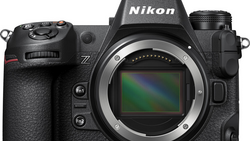
Thumbnail of this article about the Nikon Z5II shows a Canon R5II.
Oh heck, uploaded the wrong one. Thank you!
The z50ii doesn't have sensor stabilization
What do you mean it has 5 axis sensor stabilization giving 7 stops of stabilization.
"Reviews" like this makes you wonder how people decide between the various models. What I would want to know is just what the next model offers besides feature glut. And, what is the point of comparing the image quality of lossy compression files. Any camera could improve the image quality by offering JPEG-XL lossless compression files.
Pop up adds make it unreadable.