
Move over compact point-and-shoots. There’s a new in-demand camera on the scene — and it’s so small it fits in the palm of your hand. The hype surrounding the Kodak Charmera is real. Pre-orders have sold out not once, not twice, but three times in the last month. On the second-hand market, they’re selling for 2–5 times retail price, and camera stores are begging people to stop messaging them.
Even Kodak’s manufacturing partner, Hong Kong–based Reto, seems surprised by the demand for this new keychain camera. Alerts on their website warn of high demand and shipping delays.
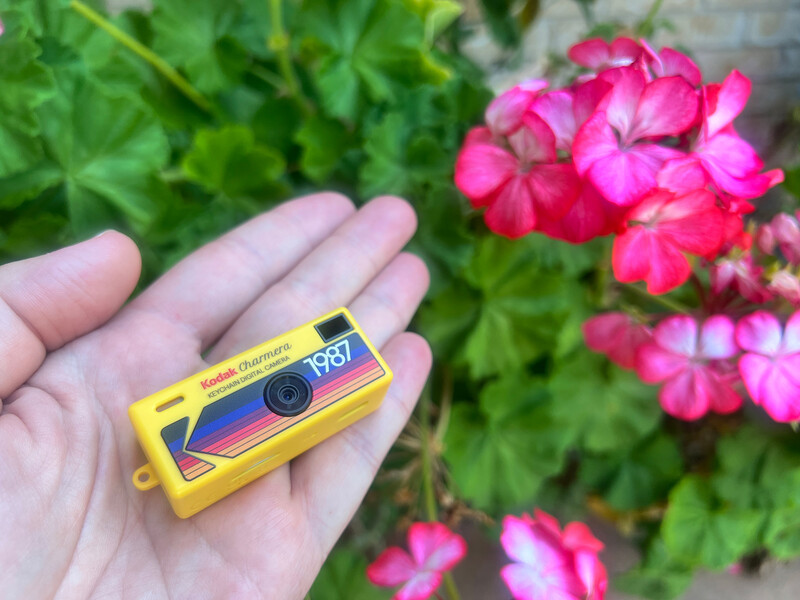
I was lucky to get in on the first round of sales; my full set of 6 cameras arrived two weeks later. Not all 6 were for me — I sold 5 to my photography friends at cost. Since it arrived, I’ve used my Charmera every day, and I have to say: it’s the most photography fun you’ll get for $30.
So what is the Kodak Charmera and why is it so popular?
Introducing the Kodak Charmera
The Kodak Charmera is a 1.6-megapixel toy digital camera using a ¼-inch CMOS sensor. It weighs just over an ounce (30 g) and is only 2.2 inches (58 mm) long.
A single Charmera retails for $29.99, making it far more affordable than other hyped cameras in recent times. The Charmera is fueling demand not only from photographers but from the general public, due to its competitive price point, collectability, and retro charm.
Filters and Frames
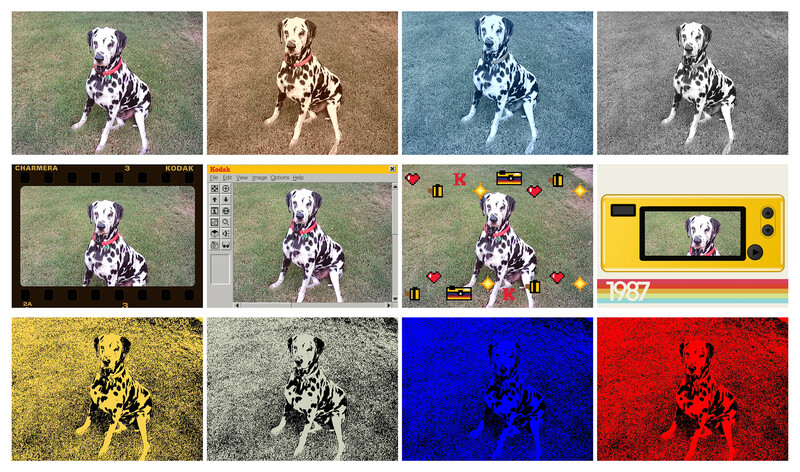
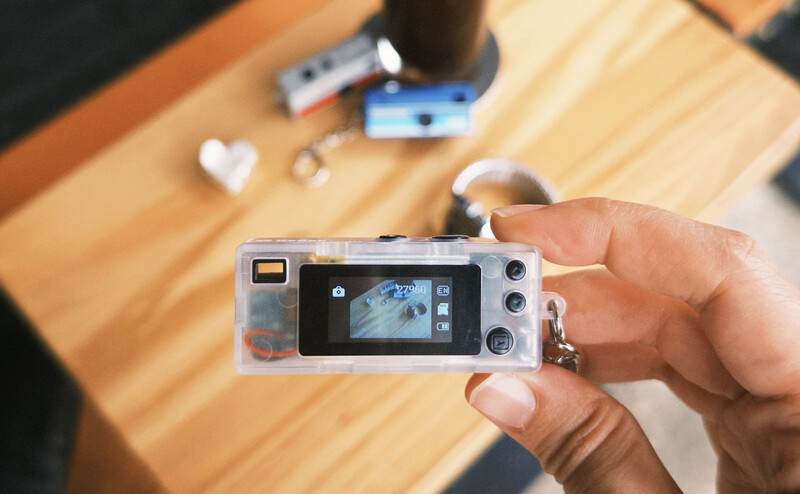
True to form as a toy camera, the Charmera comes with 12 “looks,” including a standard photo, 7 filters, and 4 frames. With the standard look, image quality is about what you’d expect from a 1.6-megapixel camera.

The filters and frames deliver the magic for this tiny camera. In addition to warm tone, cool tone, and black-and-white filters, the Charmera has 4 frames (icons, film, paint, 1987) and 4 pixel tone filters (red, blue, yellow, gray).
You can see the effect each of these looks has on the same scene in my video:
Although the Charmera has a minuscule viewfinder, composing on the LCD screen is better — it lets you see in real time as you switch between filters and frames.
The Charmera also takes video, which reminded me of choppy Super 8 footage. The frames and filters are not available in this mode.
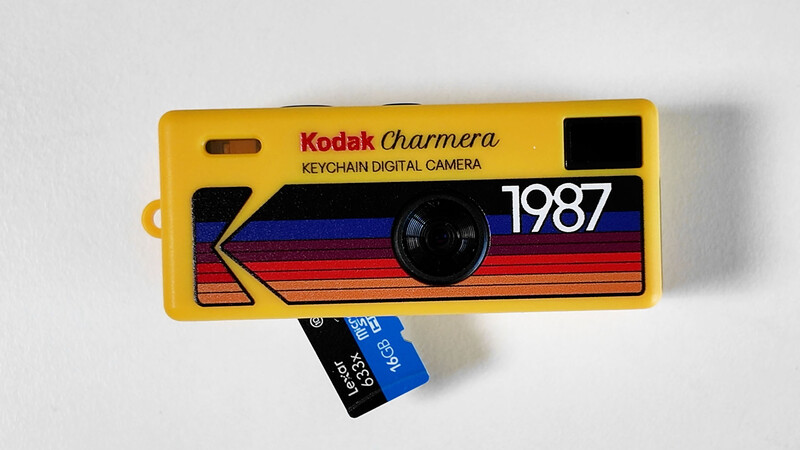
I put a 16 GB Micro SD card in mine a week ago, and despite taking a few hundred photos and a couple dozen videos, the Charmera informs me I still have enough space for another 54,000 photos. No, that’s not a typo.
The Labubu Factor
Another factor fueling the Charmera’s popularity is a modern twist. The marketing geniuses at Kodak and Reto have copied a popular formula: the Charmera is sold in blind boxes.
If you’re wondering what a blind box is: one answer is that they are the scourge of parents all over the world. This marketing technique is used for everything from Lego minifigures to Labubu to McDonald’s Happy Meal toys.
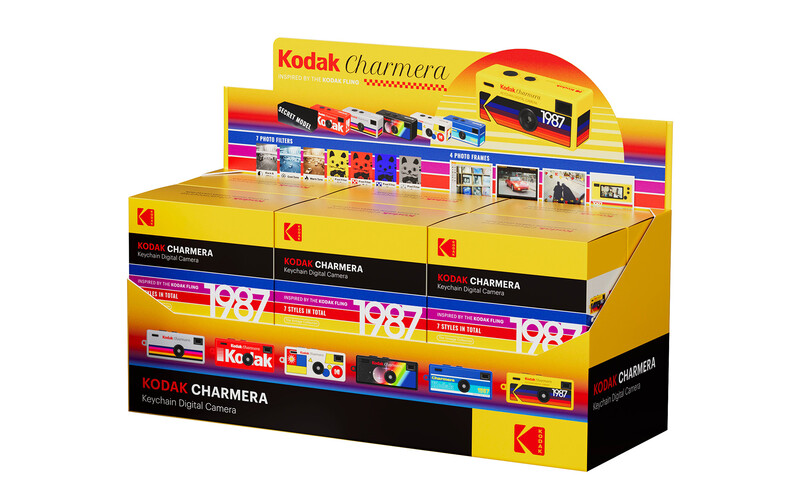
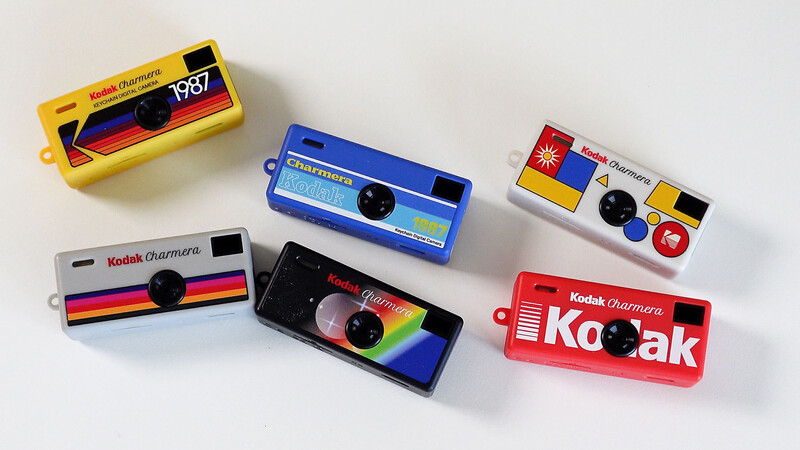
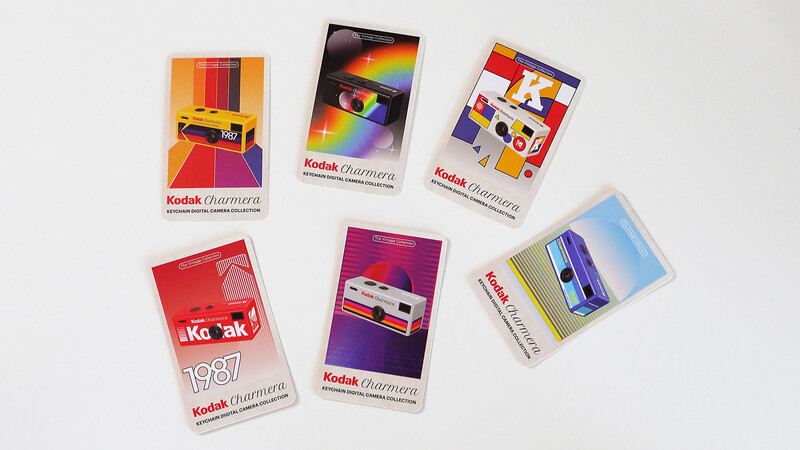
A more helpful answer is that each Charmera box contains one of 6 standard designs — there’s no choosing your favorite. You could end up with any of them. There’s also a 1 in 48 chance that you’ll land the special model, a semi-transparent Charmera. I’ve heard reports that these are commanding big money on second-hand markets.
If you’re trying to collect them all, you’re better off buying a complete set of 6: you’re guaranteed one of each standard model. There’s still a chance of landing the special model, with one of the standard cameras being replaced in the set.
Sensing some interest from my photography friends, I bought a set of six, unboxing all of them in a recent YouTube video:
Inspired by the Kodak Fling
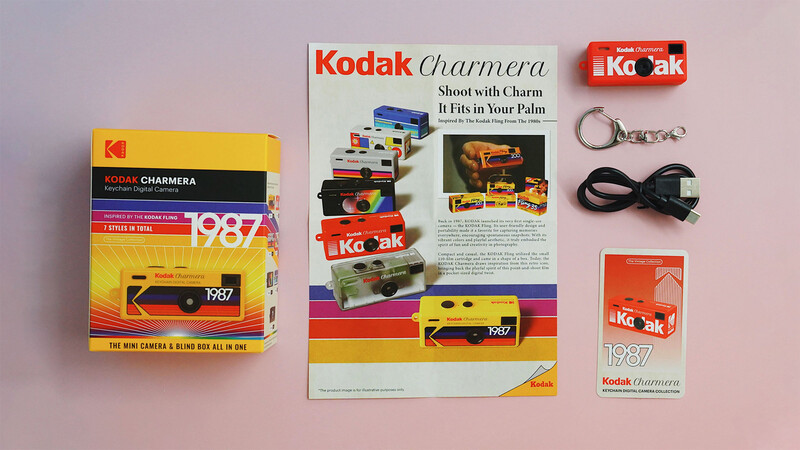
If you’ve been around for a while, the Charmera will look familiar. That’s because it takes inspiration from the 1987 Kodak Fling. In fact, one Charmera design looks very much like a Kodak Fling.
Barely bigger than a box of 110 film, the Fling was Kodak’s first disposable camera, changing casual photography forever. It was the ultimate grab-and-go solution for holidays, parties, or anyone who wanted to take a few snaps without buying a “real” camera.
Preloaded with a 110 Kodacolor film cartridge, the Fling sold for just $6.95 — undercutting competition from Fujifilm, which had beaten Kodak to the market the previous year.
Sold along with other disposable items at checkout like cigarette lighters and batteries, the concept was simple but brilliant: make photography affordable and effortless.
That same could be said of the Kodak Charmera: it’s fun, light, easily replaceable (once supply catches up to demand, that is) — and like the Fling, image quality is in the “cheap and cheerful” category.
The Fling was discontinued just two years later, but its larger sibling, the 35 mm Kodak FunSaver, dominated the booming disposable camera market of the 1990s.
Toy Cameras Are Having a Moment
Compact cameras have been in huge demand for the last five years, but now toy cameras are having a moment. So given the low-quality images they create, what’s with the fascination for them?
In January 2024, I reviewed the tiny Kenko Tokina DSC Pieni II toy camera. In my Fstoppers article, I cheekily asked "Is This the Worst Camera Ever Made?" Initially, I was a little disappointed with the article and accompanying video performance, but then a funny thing happened.
Ten months later, in November 2024, views on that video started to take off. So much so that it’s now one of my highest-viewed videos. I realized later that the increased interest coincided with the release of the second version of the Pieni. Why were so many people interested?
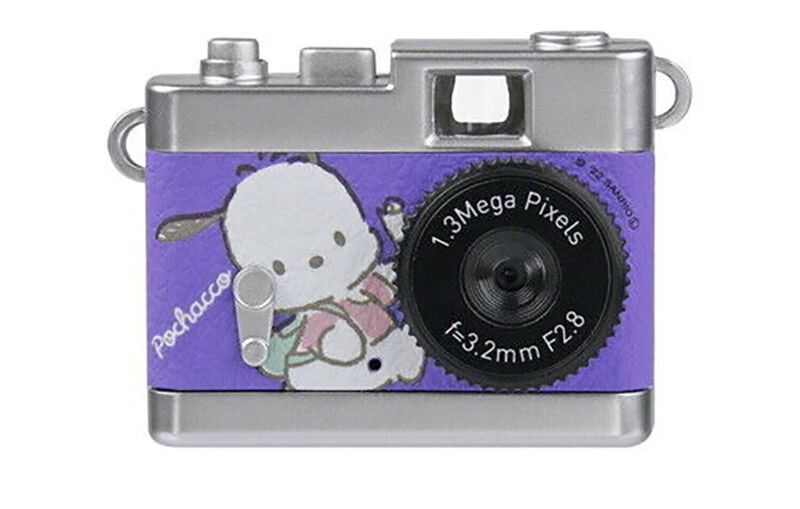
Since then, other toy cameras have appeared. In mid-2025, photography groups on social media were going crazy for the Chuzhao, a faux digital TLR.
It seems consumers are clamoring for ways to capture lo-fi imperfect photos, rather than the pixel-perfect images produced by today’s smartphones. Perhaps it’s also a reaction against the wave of AI-generated images flooding the web — a way of bringing back some primitive authenticity to photography.
In a way, this digital toy camera craze feels similar to the popularity of Lomography circa 2010. With the huge interest in the Pieni, the Chuzhao, and now the Charmera, it makes you wonder what’s next.

How To Get a Charmera
If you’re keen to get a Charmera after reading this, check out B&H Photo. If you're keen to learn what I've discovered using my camera, check out my Kodak Charmera Tips and Tricks.




Join the Fstoppers community for free
-
Post comments and join in the discussions
-
Browse the site ad-free
-
Share your work and get featured in the community
-
Compete in the photo contests for fun and prizes
4 Comments
They really should've made it look like an Instamatic 104. ;-)
Maybe that will be a future version!
Define “everyone”.
I really like the Charmera’s retro look, especially the frames — they give photos a very “finished” feel straight out of the camera.
Before buying, I actually tested some of the official Charmera-style frames using an online simulator
"charmera.app" to see how my photos might look. It helped a lot with understanding the overall aesthetic.
Great review, by the way — very balanced.