Shooting film in an era of instant digital feedback isn't a step backward; it's a deliberate choice that exposes real differences in how generations approach the craft. Understanding those differences can sharpen how you think about your own photography, regardless of which tools you use.
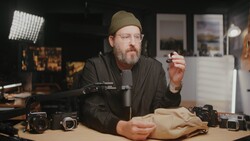
Coming to you from Michael Scott of ScottymanPhoto, this thoughtful video puts the generational gap in photography under a lens, tracing how the shift from analog to digital changed not just the tools but the mindset. Scott positions himself somewhere between old-school and contemporary, a self-described Generation X shooter who caught the tail end of the boomer era and watched the digital revolution unfold in real time. One of the sharpest points he makes is about intention: when every frame on a 35mm film camera cost money and the results didn't appear until days later, you thought harder before pressing the shutter. That friction wasn't a bug; it was the engine behind a certain kind of discipline. Scott puts it plainly: he'd rather hike two miles with a heavy pack and come home with one frame he's genuinely proud of than return with hundreds of forgettable shots.
He also draws a sharp contrast between how photographs were distributed and consumed then versus now. Artists like Ansel Adams spent days crafting a single image, and because there were so few of them, each one carried real weight. Now, billions of images are uploaded daily, and your photo might get a second of attention before someone scrolls past it. The scroll culture has changed the relationship between effort and reward, and Scott argues that this is exactly why so many people are turning back to film. There's a growing appetite for slower, more tactile processes, and it isn't just nostalgia driving it. It's a reaction to a world that has made photography almost entirely automatic, offloading exposure decisions, color processing, and now even content creation to software and AI.
The manipulation question is where things get particularly interesting. Scott acknowledges that darkroom manipulation has existed for decades, but today's tools, including basic Photoshop adjustments and AI-generated elements, operate at a scale and precision that have no historical comparison. The line between documentation and creation has shifted significantly. A photograph used to be treated as evidence of something real. Most people now view images with a degree of skepticism that would have seemed strange fifty years ago. Scott isn't condemning editing outright; he's pointing out that the volume and sophistication of manipulation have changed what a photograph means as an object.
What Scott covers in the video goes deeper than what's here, including his take on how access to information through resources like eBay and the internet has paradoxically made old-school techniques more accessible than ever, and where he sees the barrier to technical mastery today compared to past generations. Check out the video above for the full rundown from Scott.




Join the Fstoppers community for free
-
Post comments and join in the discussions
-
Browse the site ad-free
-
Share your work and get featured in the community
-
Compete in the photo contests for fun and prizes
1 Comment