

When you thought that $10,000 lens was expensive, wait until you see these camera systems that literally cost more than a Harvard education. These aren't your typical Instagram-worthy photography gear—they're the kind of setups that make your bank account weep and your spouse file for divorce.
1. Phase One XF IQ4 150 MP Medium Format Beast Mode
Expect to Pay: $120,000-$180,000
Remember when you thought spending $3,000 on a Canon 5D was a big deal?
Well, the Phase One XF IQ4 medium format system laughs at your peasant cameras while sipping champagne from a crystal glass worth more than your car. This Danish-engineered monster doesn't just take pictures. It captures the very essence of your soul and renders it in 151 megapixels of crystalline perfection. The Danes, apparently not content with just dominating high-end audio equipment and existential philosophy, decided to create a camera system that costs more than most people's annual salaries.
The heart of this system is the IQ4 151 MP digital back, which alone costs around $55,000. But that's just the appetizer. Once you add the XF camera body, a complete collection of Blue Ring lenses (28mm, 45mm, 80mm, 110mm, and 240mm), professional lighting equipment, and all the accessories needed to actually use this thing, you're looking at a price tag that could buy you a house in most of America. Or a small condo in California. Or a parking space in Manhattan.
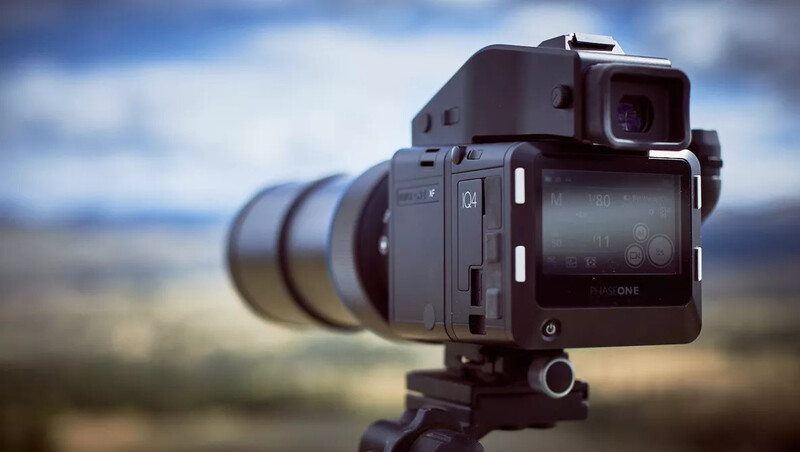
For starters, it features the world's first 151-megapixel backside-illuminated CMOS sensor—technology so advanced that it probably violates several laws of physics. The sensor is larger than most people's attention spans and captures images with such detail that you can practically count the pores on a model's face from across the room. The camera is so sharp it can probably capture your existential dread in 4:4:4 color space.
The system also includes Phase One's "Infinity Platform," which sounds like something Tony Stark would build but is actually just very fancy image processing. It has Capture One software built right into the camera, because apparently, regular photo editing software is for mere mortals. The entire system is so precise it can probably capture your hopes and dreams, though at this price point, you won't have many left. Fun fact: the camera's processors are so powerful they could probably run a small country's tax system.
Professional photographers who buy this system typically work in high-end commercial fashion, luxury automotive photography, or fine art—basically anywhere people have more money than sense. The image quality is so good that photographers using this system report being disappointed by their own eyesight afterward.
But here's the kicker: most of the photos taken with this camera end up on Instagram, where they get compressed to about a megapixel and viewed on a phone while someone's sitting on the toilet. It's like hiring an orchestra to play Happy Birthday at a toddler's party. It's technically magnificent, but wildly inappropriate for the audience.
2. Professional Astrophotography Observatory: Because Space is Expensive
Expect to Pay: $500,000
Ever looked up at the stars and thought, "I want to photograph those, but I also want to spend enough money to make Jeff Bezos nervous"?
Welcome to the world of professional astrophotography observatories, where the phrase "sky's the limit" takes on a terrifyingly literal meaning for your bank account. This is where middle-aged people in suburbia decide that photographing distant galaxies is a perfectly reasonable way to spend their children's college funds. Because nothing says "responsible adult" quite like owning a backyard structure that costs more than your house and only works on clear nights.
A complete professional observatory setup includes a massive telescope (think 16-24 inch aperture—bigger than most people's heads), a precision German equatorial mount that costs more than a Tesla, a motorized dome that opens like a Bond villain's lair, and enough automation to make NASA jealous. Companies like PlaneWave Instruments sell complete CDK telescope systems that start at around $200,000 and go up faster than a SpaceX rocket. The CDK1000, for instance, features a 1-meter aperture that can probably see into your neighbor's soul from three counties away.
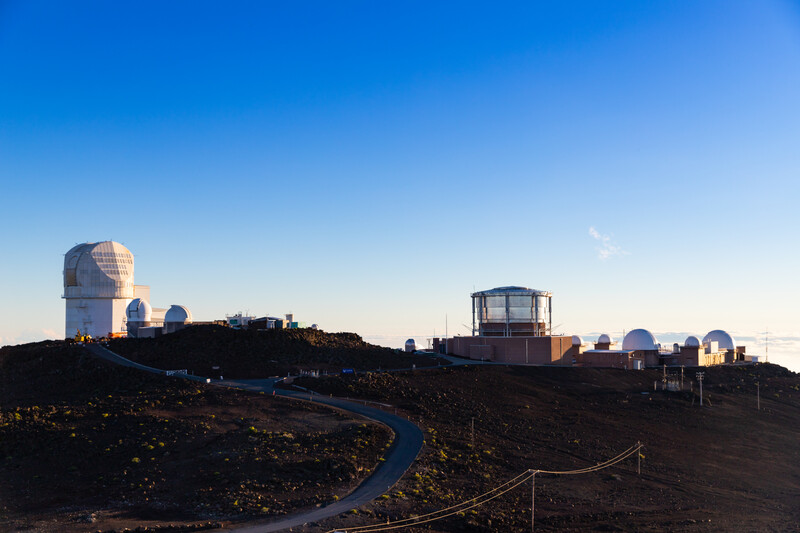
We're talking about a 12-18 foot diameter structure that rotates, opens, and closes automatically—basically a tiny planetarium for your backyard that your neighbors will assume is either a UFO landing pad or evidence of your mid-life crisis taken to astronomical proportions. The dome is so sophisticated that it probably has its own Wi-Fi network and demands to be addressed as "Observatory Unit Alpha-7." Some models even include automatic weather stations, because apparently your dome needs to be smarter than most college graduates.
Then there's the mount, which needs to track celestial objects with precision measured in arc-seconds. These aren't your grandpa's telescope mounts—they're engineered with tolerances that would make Swiss watchmakers weep. A high-end mount like a Paramount or 10Micron can easily cost $40,000. That's more than most people's cars, and it doesn't even have cupholders. The mount's computer has more processing power than the systems that got us to the moon.
Add in the imaging cameras (cooled CCD or CMOS sensors running $10,000-$30,000), filter wheels, focusers, guide scopes, and enough cables to power a small city, and you've got yourself a setup that costs more than most people's houses.
The irony? You'll spend more time fighting with software and dealing with cloudy skies than actually taking pictures. Weather becomes your nemesis. You'll develop an unhealthy obsession with meteorology and start planning vacations around lunar phases. But when you do get that perfect shot of the Andromeda Galaxy, you'll have bragging rights that extend to other galaxies. Plus, you can finally explain to your spouse why you needed to spend the equivalent of a luxury car on a hobby that only works at night.
3. Medical Endoscopy Imaging System: Surgery Meets Cinematography (Don't Forget Medical School!)
Expect to Pay: $1,000,000
Think Hollywood cinematography is expensive? Try medical cinematography, where the cameras cost more than a Marvel movie budget and the only audience is a surgeon trying not to accidentally remove the wrong organ.
Professional surgical endoscopy systems represent the bleeding edge of imaging technology—pun absolutely intended. These systems have better image quality than most movie theaters, except instead of watching superheroes save the world, you're watching someone's colon. The irony is that these cameras capture some of the most intimate human moments, but unlike a wedding photographer, the endoscopy camera operator doesn't get cake afterward, unless there's some left over at the nurses' station. Then again, you might not want cake after looking at your eighth splenic flexure of the day.
These aren't your typical "point and shoot" cameras. We're talking about complete surgical imaging suites that include 4K endoscopic cameras, specialized processors, ultra-high-definition monitors, recording systems, and enough cables to trip over during surgery (which would be very, very bad). Companies like Stryker, Olympus, and Karl Storz manufacture these systems, and they price them like they're selling pieces of the space station. The cameras are so expensive that hospitals probably have security guards specifically assigned to watch them.

The cameras themselves use sensors so advanced they probably have their own MD. They capture images in 4K resolution with color accuracy so precise that blood looks exactly like blood, which is apparently important in surgery. Who knew? The systems can distinguish between thousands different shades of pink, which sounds impressive until you realize that's more color sensitivity than most humans can even perceive. It's basically wasted on a species that still can't agree on what color that dress was.
The imaging chain includes specialized processors that can enhance, zoom, and analyze images in real-time, LED light sources that burn brighter than a thousand suns (but in a good way), and monitors so expensive they probably require their own insurance policies. Some systems even include AI-powered features that can automatically detect and highlight specific anatomical structures, because apparently even our cameras are smarter than us now. Now you can finally stop doom-scrolling WebMD and just stick a camera up your behind to know for sure. It's like having Dr. Google, but with actual credentials and a much better view.
But here's the real kicker: before you can even think about buying one of these systems, you need to spend another $300,000-$500,000 on medical school, residency training, and specialty certification.
So really, you're looking at nearly a million dollars just to point a very expensive camera at people's insides. At least the Phase One photographers get to work with subjects who appreciate good lighting and don't require sterilization between shots. Medical school debt combined with equipment costs creates a financial burden so crushing that most doctors spend their first decade of practice living like college students, except with more blood on their scrubs and fewer beer pong tournaments.
The most expensive medical imaging systems can reach $1 million or more when you factor in specialized surgical suites, robotic integration, and training. That's enough money to buy a decent house, a Ferrari, and still have enough left over to pay for therapy when you realize you've spent your life's savings on a camera that exclusively films the inside of people. The ultimate irony? After spending all this money on the world's most expensive camera system, most surgical videos end up being used for insurance documentation or medical student training—essentially, very expensive homework assignments that occasionally save lives.
4. Multi-Camera Motion Capture Array
Expect to Pay: $200,000-$500,000
Remember when Andy Serkis brought Gollum to life in Lord of the Rings? That groundbreaking digital character was created using motion capture technology that cost less than what it takes to buy a basic professional motion capture studio today.
Modern mocap systems have evolved from "expensive Hollywood toy" to "bankruptcy-inducing necessity" for anyone serious about capturing human movement in digital form. It's like evolution, but instead of developing opposable thumbs, we developed the ability to bankrupt ourselves in increasingly sophisticated ways.
Professional motion capture arrays from companies like Vicon, OptiTrack, and Qualisys can transform any space into a high-tech motion detection zone that would make Neo jealous. These systems use anywhere from 12 to 40+ cameras strategically positioned around a capture volume, each one tracking reflective markers with precision measured in fractions of millimeters. It's like having dozens of very expensive, very judgmental robots watching your every move. The cameras judge your dance moves harder than a panel of reality TV show judges and don't give you a golden buzzer for mediocrity.
A mid-range system with 16 cameras, software, and calibration equipment can easily run $200,000.
The cameras themselves cost $10,000 each, and that's before you add the industrial-grade computers, specialized software licenses, and enough technical support to launch a small startup. OptiTrack systems are somewhat more affordable, but "affordable" in motion capture terms still means "costs as much as your car." It's like shopping for luxury cars, except instead of getting a vehicle that can drive you places, you get cameras that watch you walk around in a room covered in ping-pong balls.
The real fun begins when you realize that professional motion capture requires a controlled environment with specific lighting, a dedicated capture space, and technical expertise that typically requires advanced degrees in computer science, biomechanics, or wizardry. Studios using these systems employ teams of technicians who spend their days placing tiny reflective balls on actors and troubleshooting why marker 47 keeps disappearing during the jump sequence. These technicians develop an almost mystical relationship with the reflective markers, able to diagnose tracking problems just by watching a stick figure representation of a human doing jumping jacks.
The applications range from Hollywood blockbusters to medical research, sports analysis, and video game development.
But here's the irony: most of the motion captured at these multi-hundred-thousand-dollar facilities ends up in video games where players immediately skip past the cutscenes to get to the explosions. It's like spending a fortune on a Michelin-starred meal just to Instagram it and move on. Professional athletes use these systems to analyze their performance with nanometer precision, then go back to playing sports the same way their great-grandfathers did, except with more expensive shoes.
The most advanced systems used by major studios can exceed $1 million when you factor in custom installations, multiple capture volumes, and integration with virtual production environments. At that point, you're not just buying cameras; you're building the foundation for the metaverse, one very expensive pixel at a time. The ultimate goal is to capture human movement so perfectly that we can eventually replace actual humans with digital versions, which is either the future of entertainment or the beginning of the robot apocalypse. Either way, it's going to be very expensive.
5. Satellite Camera: Space Photography (Rocket Fuel Not Included)
Expect to Pay: $500,000-$1.5 Billion (Plus Launch Costs)
Think aerial photography is cool? Try space photography, where the cameras cost more than small countries' GDP and the delivery method involves strapping your equipment to a controlled explosion and hoping for the best.
Satellite imaging systems represent the absolute pinnacle of photography gear, mainly because they literally have to survive being launched into the vacuum of space while maintaining nanometer precision. It's like asking your camera to survive a nuclear explosion and then perform surgery, except in zero gravity and while being bombarded by cosmic radiation that would turn a normal photographer into a glowing superhero.
Building a professional Earth observation satellite like the NASA-ISRO NISAR mission can cost upwards of $1.5 billion. That's billion with a "B," as in "Bye-bye, life savings," "Better sell both kidneys," and "Bankruptcy doesn't even begin to cover this." The imaging sensors alone can cost tens of millions of dollars, and that's before you add radiation hardening, space-grade optics, and enough redundant systems to make a backup singer jealous. At this price point, the camera probably has its own retirement fund and dental insurance.
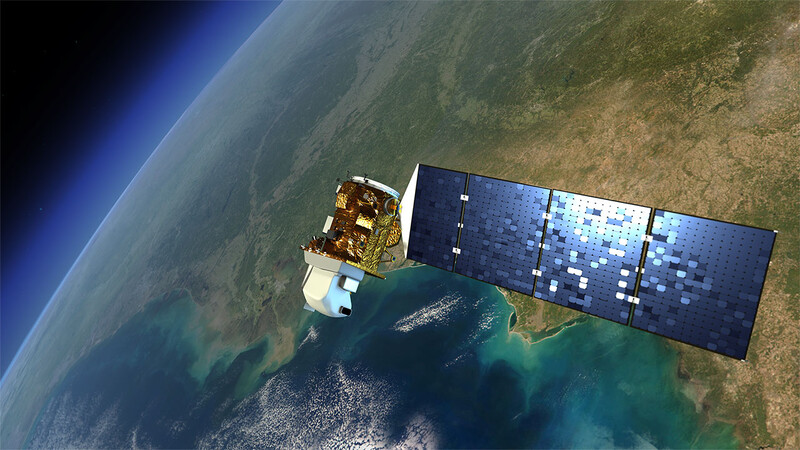
Speaking of launch costs, getting your expensive camera into orbit will run anywhere from $10 million to $400 million, depending on the rocket and orbital requirements. SpaceX's rideshare program offers the "budget" option at around $325,000 for a 50 kg payload, which in space photography terms is like buying a used Honda Civic when you really needed a Ferrari. The launch process is essentially paying someone to strap your million-dollar camera to a controlled explosion and then crossing your fingers that physics works the way it's supposed to.
Companies build these imaging systems with sensors that make terrestrial cameras look like disposable film cameras from the 1990s. The Phase One iXM-SP150 space camera, designed specifically for satellite applications, incorporates radiation-hardened electronics, precision optics, and enough redundancy to survive both the journey to space and years of operation in an environment that would instantly kill any Earth-based photographer. The camera is so tough it could probably survive a nuclear war and still complain about the lighting conditions.
The absurdity reaches peak levels when you consider that these billion-dollar imaging systems often capture photos that end up on Google Maps, where they're viewed by people who are primarily looking for the nearest Starbucks.
It's like commissioning Michelangelo to paint your garage. It's undeniably impressive craftsmanship, but nobody's going to appreciate the artistry while they're looking for parking directions. The satellites dutifully orbit Earth, capturing images with precision that would make Ansel Adams weep, only to have their masterpieces used by teenagers trying to find their house on satellite view so they can see if they're on the camera.
The most expensive satellite cameras are used for classified military applications, with costs that are literally state secrets. Rumor has it these systems can read the expiration date on a milk carton from 200 miles up, but we'll never know for sure because admitting you spent that much money on space-based grocery shopping surveillance would probably cause a congressional investigation. The military-grade satellites are so advanced they probably have better cameras than most professional photographers, but instead of capturing weddings and portraits, they're taking pictures of strategic assets and making sure nobody's building unauthorized nuclear facilities in their backyard.
The real kicker? Even if you somehow scraped together the money for a satellite camera system, you'd still need approval from multiple government agencies, insurance that costs more than most people's houses, and a ground control system that requires a PhD in rocket science to operate.
But hey, the photo quality is literally out of this world. Plus, you'll have the ultimate conversation starter at parties: "Oh, this photo? I took it from space with my billion-dollar camera. The rocket fuel alone costs more than your mortgage."




.jpg)
Join the Fstoppers community for free
-
Post comments and join in the discussions
-
Browse the site ad-free
-
Share your work and get featured in the community
-
Compete in the photo contests for fun and prizes
2 Comments
I'll stick with the Phase One.....
And here I thought bird photography was expensive.