
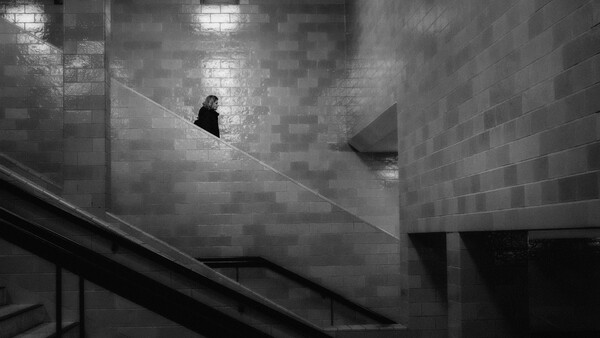
Street photography is a deeply personal pursuit that somehow produces a shocking number of identical results. If you’ve ever wondered how so many photographers end up making the same choices, here are twelve easy steps to help you join them.
Everyone swears their work is intentional and distinctly their own, at least until you start noticing how familiar it all looks. This isn’t a conspiracy. It’s what happens when certain habits get rewarded, and blending in feels safer than standing apart. Here are twelve easy steps to help you master the art of looking exactly like everyone else.
Step 1: Always Shoot in Black and White and Add Copious Amounts of Noise
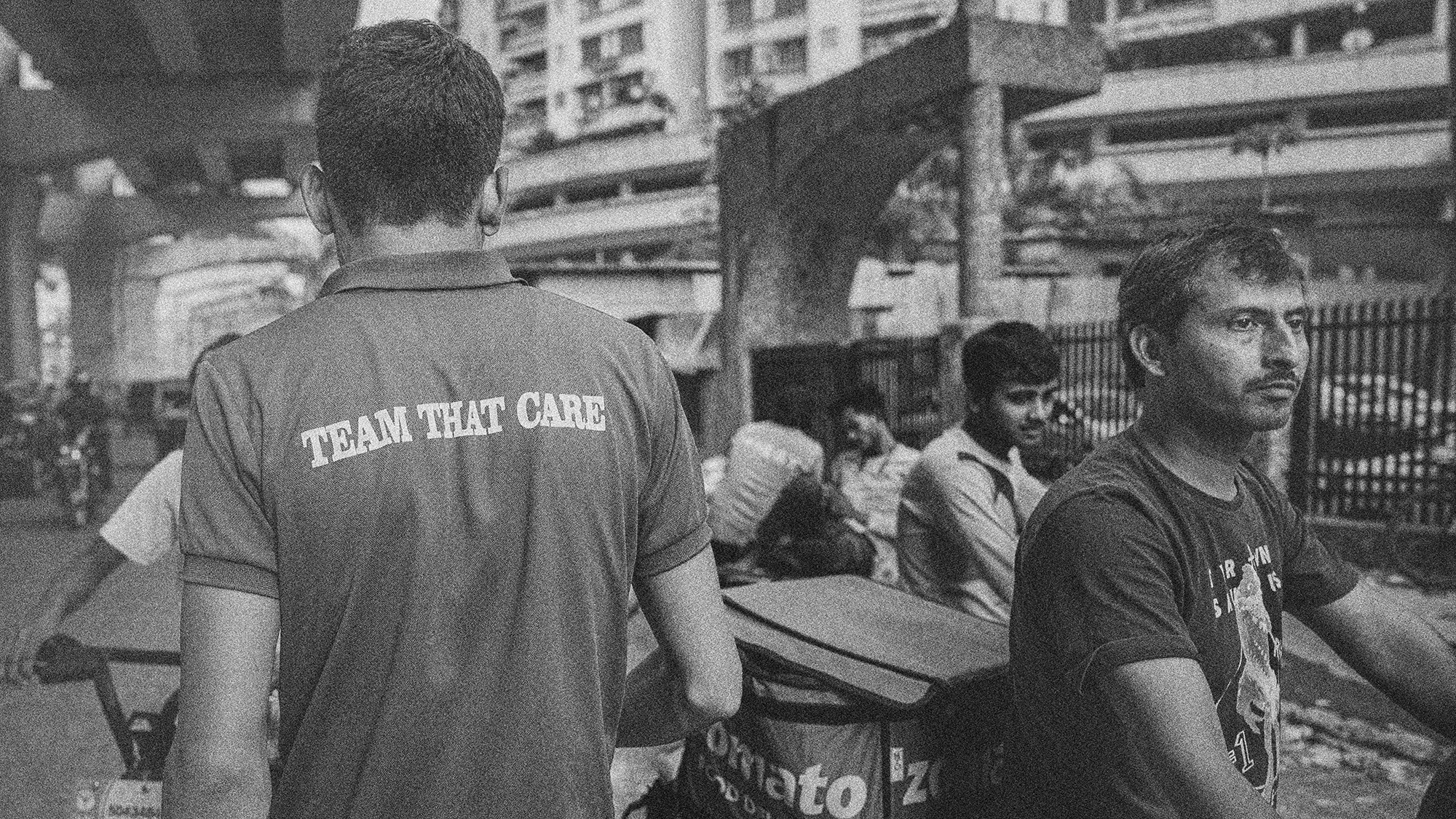
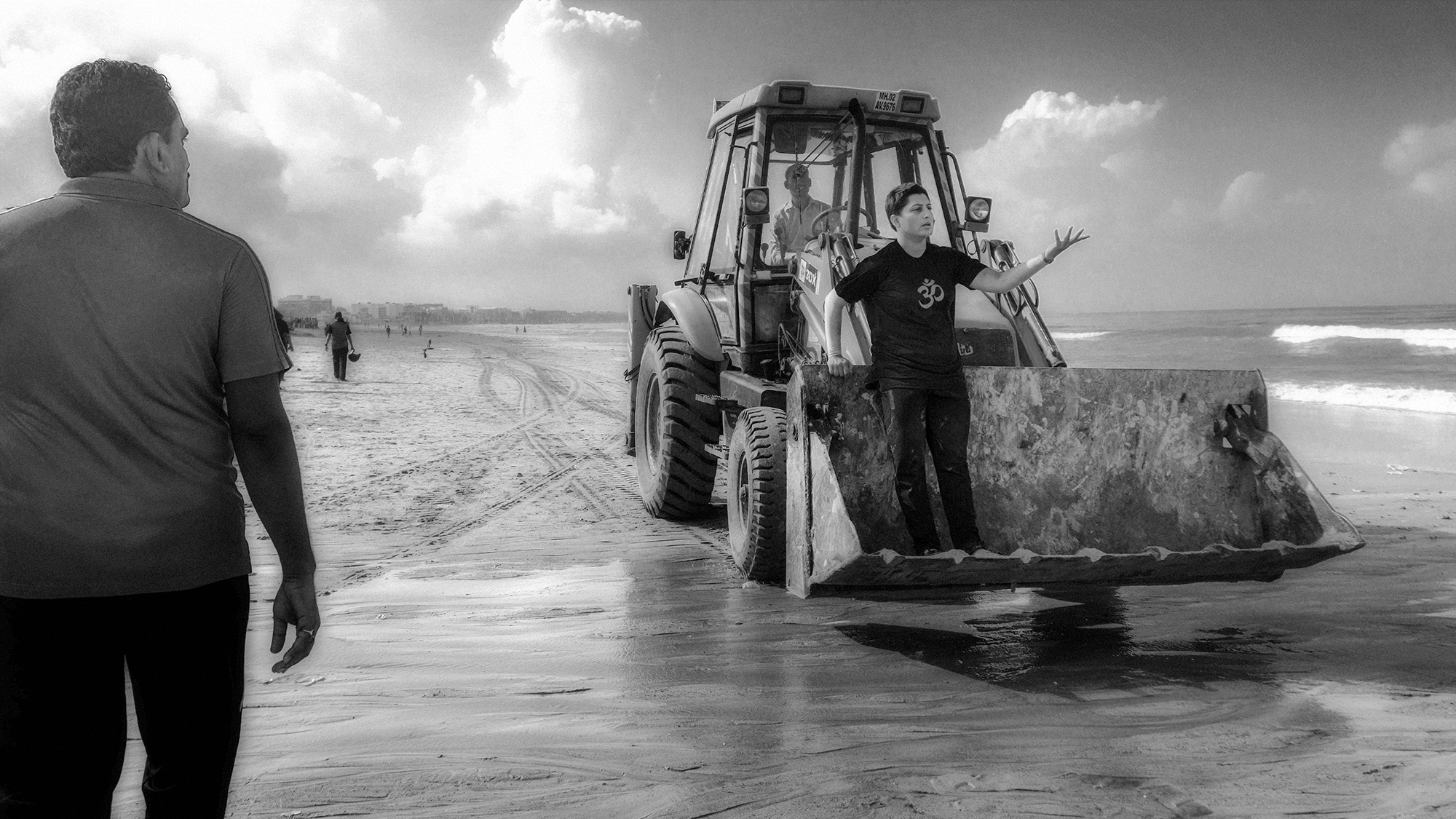
Nothing shouts “iconic street photographer” like shooting in black-and-white with plenty of noise (or grain, for you film-shooting legends) added for good measure. I’m certainly not bashing color, but come on, right? Everybody with a smartphone shoots in color. There’s so much color out there on the internet that, if you stacked these images end to end, they’d reach from your camera to the edge of the Milky Way galaxy and back. This is more color than anyone reasonably needs.
Black-and-white images with plenty of noise, on the other hand, are the perfect way to set yourself apart from everyone else while also showing the world that you’re just like all the great street photographers on Instagram and fully deserving of an audience. This is also where shooting raw can really get in the way. Just shoot film simulations and JPEG presets instead. Got a high-contrast preset? You’re set. Do you have a basic photo editor in case you need to spiff things up with a little extra noise? Bingo. You’re already well on your way to becoming a cliché street photographer.
Pro tip: If your images look too clean, just crank the ISO to 12800 in broad daylight. The camera will think you're crazy, but Instagram will think you're Daido Moriyama.
Step 2: Never Crop, Not Even a Finger or Half a Foot
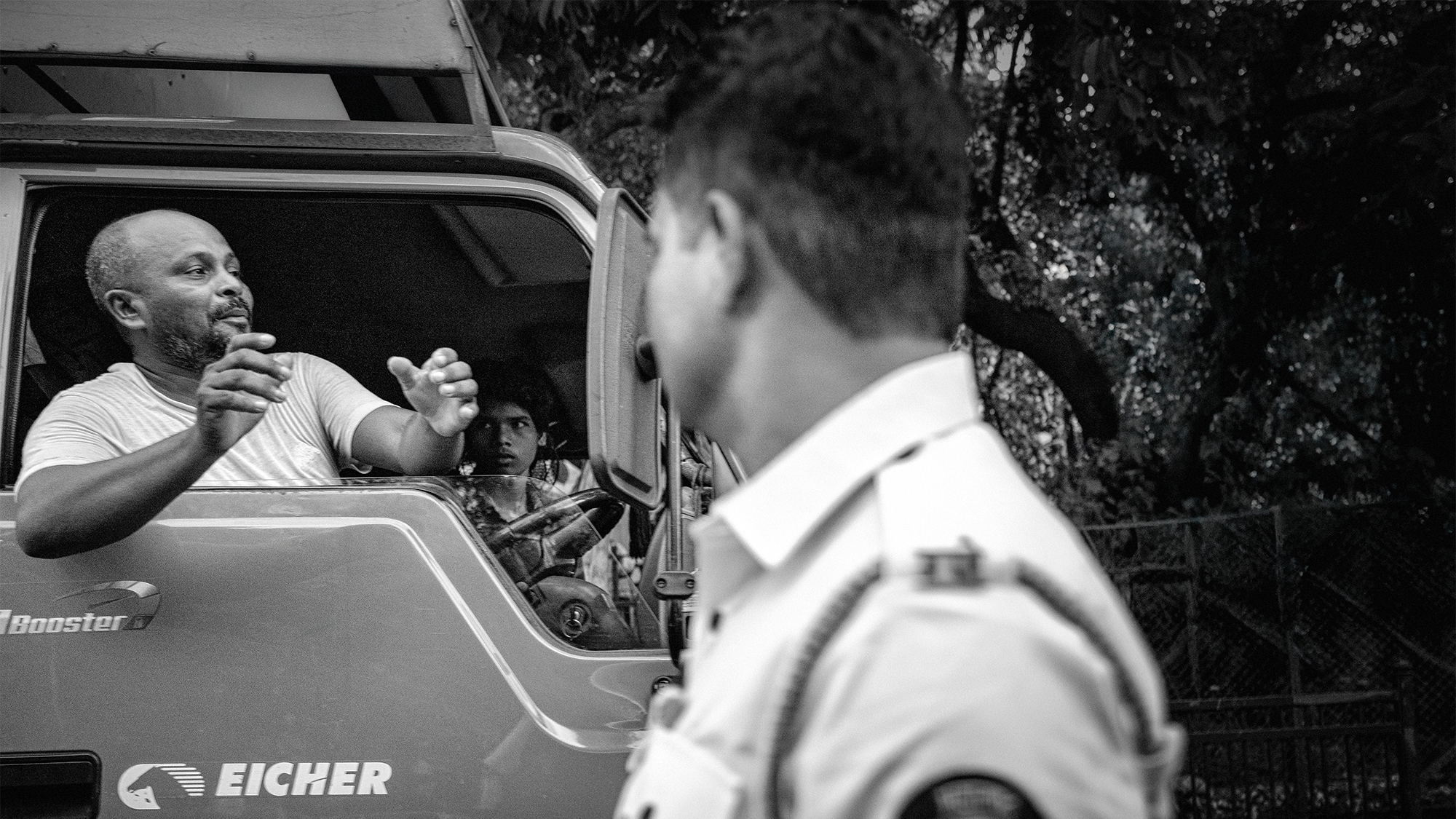
What did Henri Cartier-Bresson say about cropping? Don't do it. Well, he never actually said that, but every other street photographer seems to believe he did. Cropping is widely regarded as a mortal sin, one that should never be committed, even if it’s just to remove a half-captured finger or foot sneaking into the frame. Just leave the image alone. It’s perfect as it is.
Cropping an image after the fact is essentially an admission of failure. It’s like saying the camera, the lens, and the photographer all made a mistake. The frame produced at the moment of capture is sacred. It arrived exactly as intended, even if it didn’t.
If you happened to capture a once-in-a-lifetime moment but someone’s limb is awkwardly cut off, the correct response is simple: delete the image immediately. Better yet, post it to a forum asking if you should crop it, then argue with everyone who says yes. Great street photographers don’t rely on post-processing tricks to fix their work. Cropping is a crutch used by beginners who mistakenly believe it’s acceptable to remove distractions or correct alignment. Real street photography is reality as delivered directly by your camera and your ability to wield it properly in the field.
Step 3: Buy Presets From Other Photographers and Never Learn to Edit
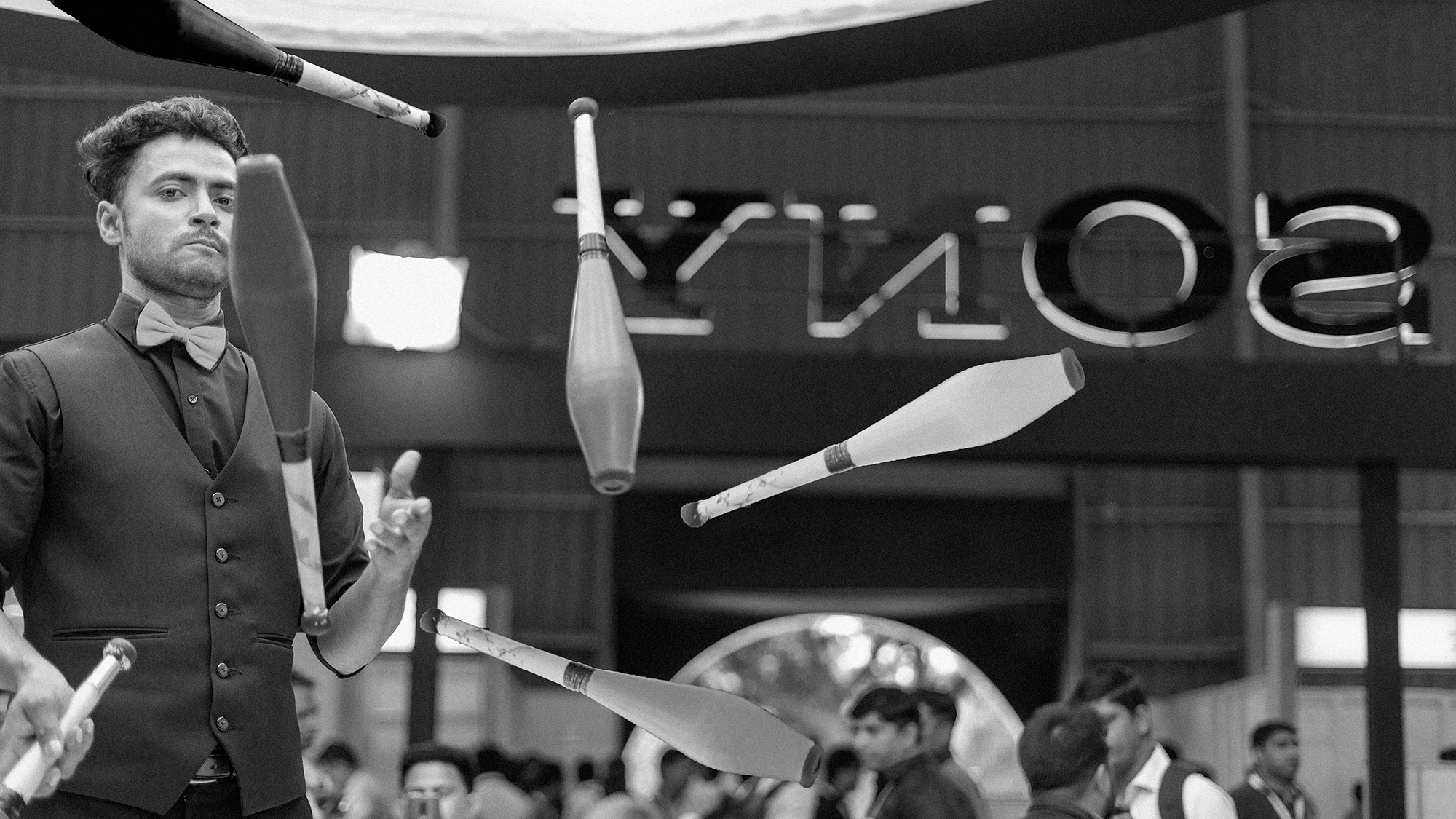
Have you got fifty bucks lying around? Perfect. That’s all you need to skip the tedious process of learning how to edit your own photos. Just buy presets from your favorite street photographer. The real pros buy presets from three different photographers and layer them on top of each other. If it looks like a car accident in Lightroom, you’re doing it right. If money’s tight, wait for Cyber Monday and grab them for the price of an overpriced cup of coffee. Either way, problem solved.
The logic here is simple. These photographers have already put in the work. They’ve spent years learning how to manipulate those pesky AI-powered sliders to make any scene look dramatic and meaningful. They’re experts. You’re not. Remember that. More importantly, they’ve already done the hard part, so you don’t have to.
Which brings us to post-processing itself. Learning to edit in the age of AI is a colossal waste of time. All those hours sweating over Photoshop and Lightroom tutorials now seem almost quaint. Why bother understanding curves, masks, or color theory when someone else has already figured it out for you? Presets exist specifically to fill in your knowledge gaps.
For less than the cost of a mediocre polarizer, you can save countless hours that would otherwise be spent learning post-processing techniques that took these veterans years to master. Make full use of their expertise. Buy their presets. And whatever you do, don’t learn post-processing at all. This will free you up nicely for the next step in your journey toward becoming a competent street photography cliché.
Step 4: Find One Preset and Abuse It Until You Call It Your Style
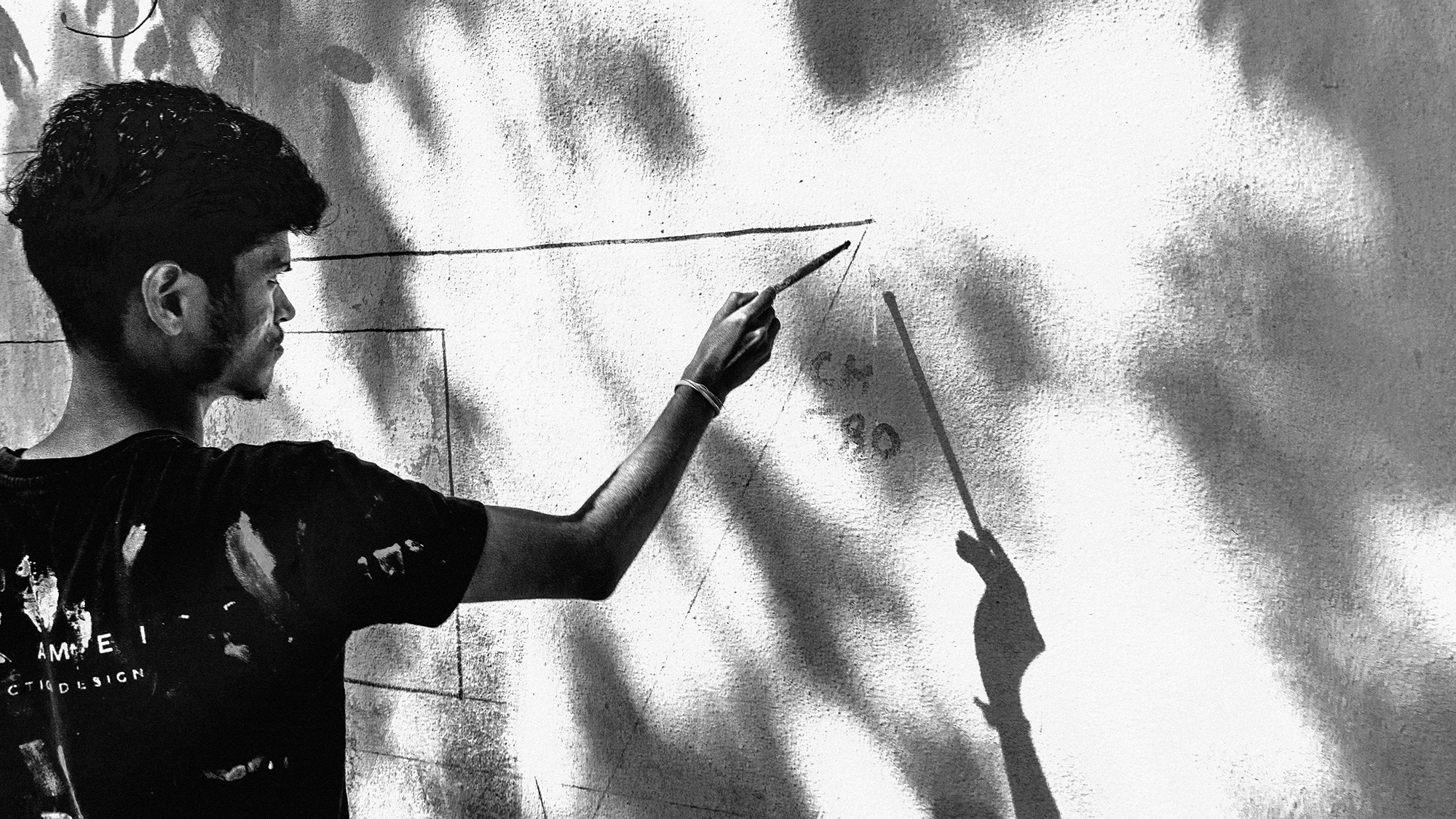
Style is the holy grail of street photography. Without a recognizable style, street photographers struggle to flourish outside the realm of trends and effective gimmickry. And since you didn’t pirate your presets (hopefully), you probably paid decent money for them, at least outside of Cyber Monday. Now it’s time to put that good decision to the test.
Out of the dozen or so presets you just downloaded, which one will represent you and your street photography legacy?
There are a few safe, time-tested choices that street photographers love. High-contrast black and white is always a favorite. And if it comes down to choosing between that and anything else, the answer is obvious. Pick the one that roughly 95 percent of all street photographers eventually land on when shooting monochrome: high contrast. It’s popular for a reason, so make it yours. Bonus points if you crush the blacks so hard that half your frame is a void.
If you play your cards right, you’ll bookmark this preset as your favorite and process every single frame you ever shoot from that point forward using it. Consistency is key. Hit the ground running on your new Instagram feed by posting thirty-six consecutive high-contrast, black and white street shots with the noise cranked up to eleven. Let everyone know you’re a serious street photographer with a clearly defined style, one that proudly screams classic.
Step 5: Shoot Wide, Get Close, and Call It Courage
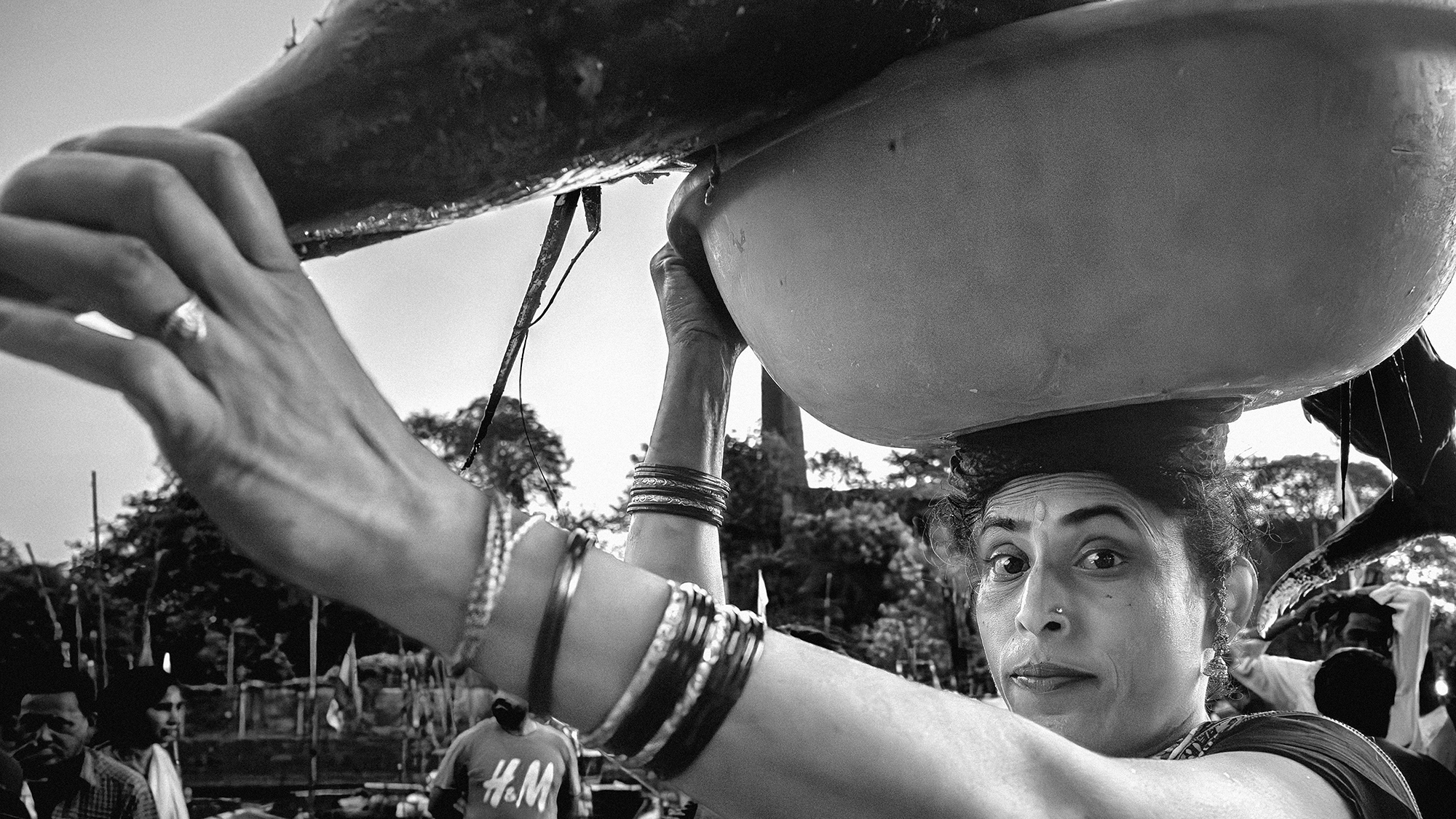
Nobody in the street photography community explicitly says you have to get so close to your subject that you might as well be shooting with a macro lens. But maybe someone should speak up for all the Bruce Gilden devotees of the world. His famous “the older I get, the closer I get” mantra has done a lot to cement the idea that proximity equals bravery. And to be fair, it does take guts. Getting close to strangers isn’t easy, and that discomfort reads as courage. If someone asks you to step back, that's basically a compliment. It means you're close enough to be doing real work.
So pack your wide angle lens and plan on getting uncomfortably close to your subjects. This is how you become known as a courageous street photographer. You don’t have to run and gun with a handheld flash, but bonus points if you do. At the very least, be prepared to work well within arm’s length, like a barber leaning in with a set of clippers.
Whatever you do, don’t be one of those street shooters lurking on the sidelines with a 600mm zoom, muttering about not being able to frame the scene properly. That’s not courage, that’s unbridled hesitation. Real street photography happens up close. Go wide. Get closer. Be brave.
Step 6: Assume Eye Contact Ruins the Photo Every Time
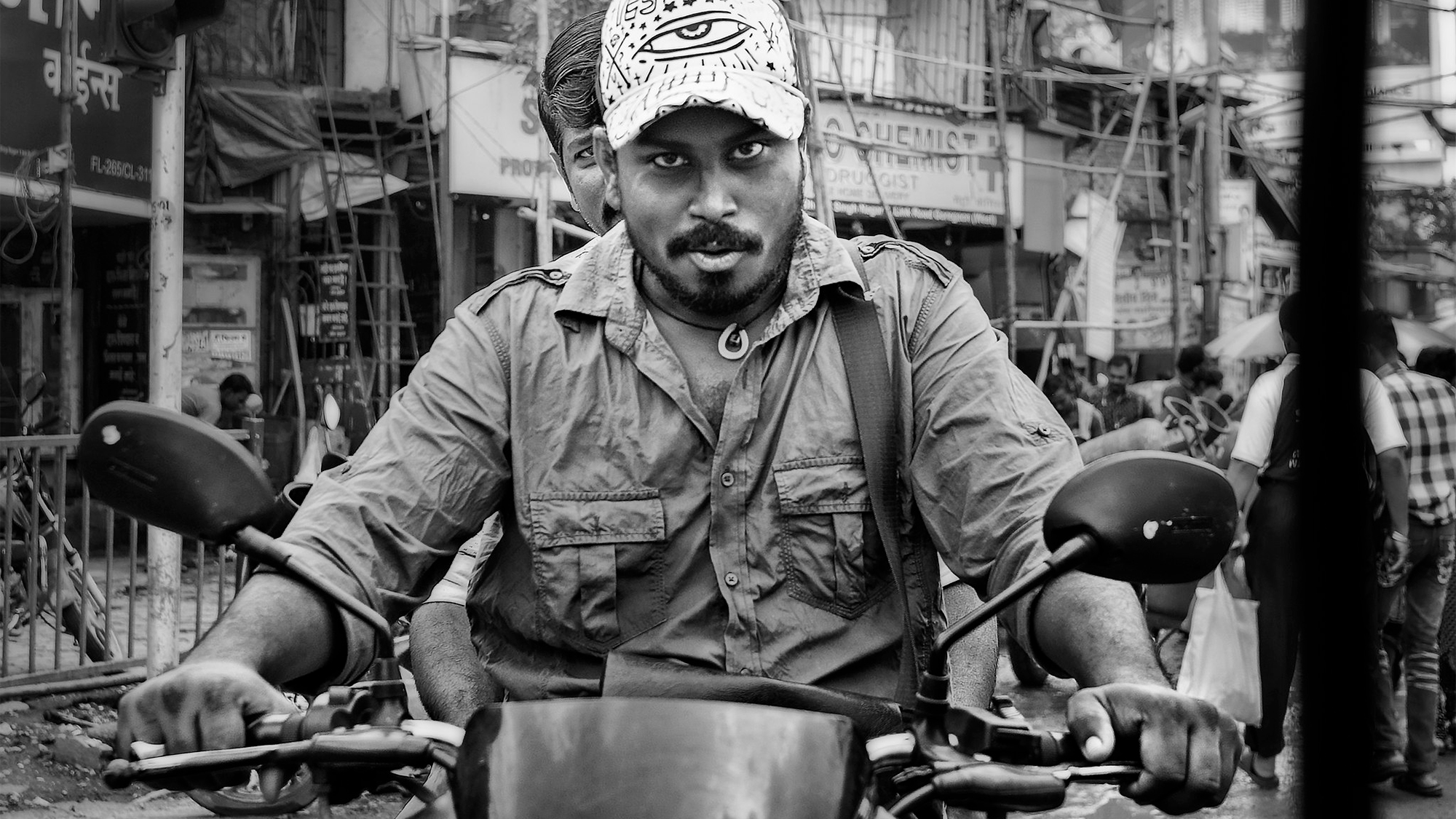
Do you enjoy your subjects staring back at you? Do you like that moment when you realize you’ve been found out while taking their picture without permission? That uncomfortable pause where you’re both locked in eye contact, and you’re still mentally applying your high-contrast black and white preset? Exactly. Eye contact ruins everything.
Once someone notices you, you might as well have hired a model and posed them next to a fire hydrant. Getting caught isn’t street photography; it’s amateur hour. Professionals don’t get noticed. You should aim to be the James Bond of the streets: sneaky and sophisticated. Your subjects should be looking anywhere except directly into your lens.
Let’s do better than this.
Step 7: Photograph People From Behind and Call It Mystery
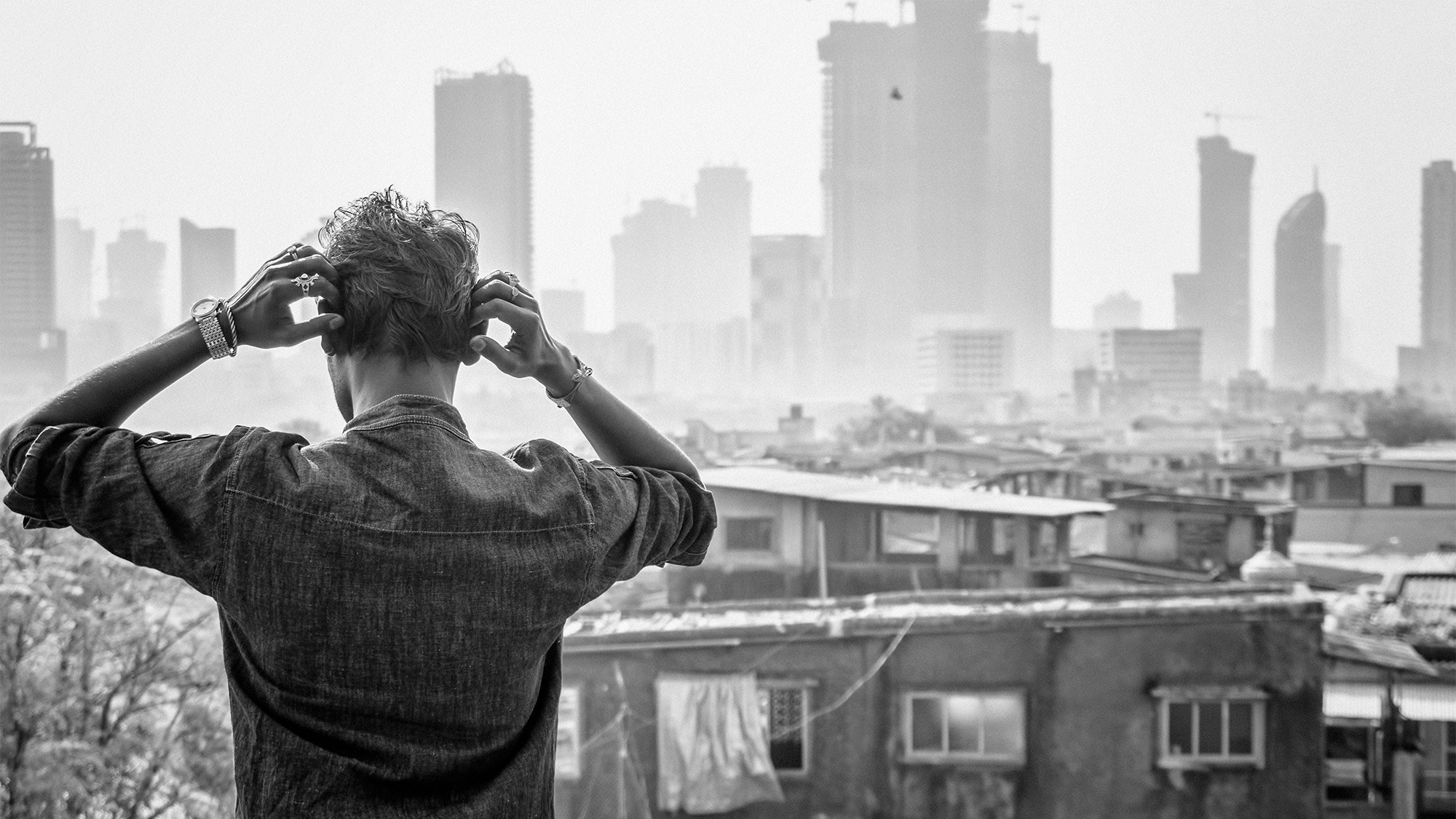
Photographing people from behind is easily the second-best kind of image you can make in all of street photography. Relax, we’ll get to the undisputed number one in the next step. For now, just know that this is a solid silver medal position. Everything else in the genre trails far behind, occasionally earning bronze if the other steps here are followed correctly.
Why photograph people from behind? Simple: mystery. Or at least the appearance of it.
When you hide a subject’s face, you invite the viewer to start filling in the blanks. Who are they? Where are they going? What are they thinking? None of this needs to be answered, or even intentionally suggested. The absence of information does most of the work for you. Composition, context, and intent become optional once mystery enters the frame.
This approach is so effective that it shows up everywhere, from lifestyle editorials to influencer photography. A faceless subject feels universal. Viewers can project themselves into the scene and imagine they’re seeing the world exactly as you saw it when you pressed the shutter. It’s an easy shortcut to meaning and a powerful tool in the pursuit of effortless, vaguely cinematic storytelling.
Step 8: Always Find Walls With Arrows and Wait for Someone To Line Up With Them
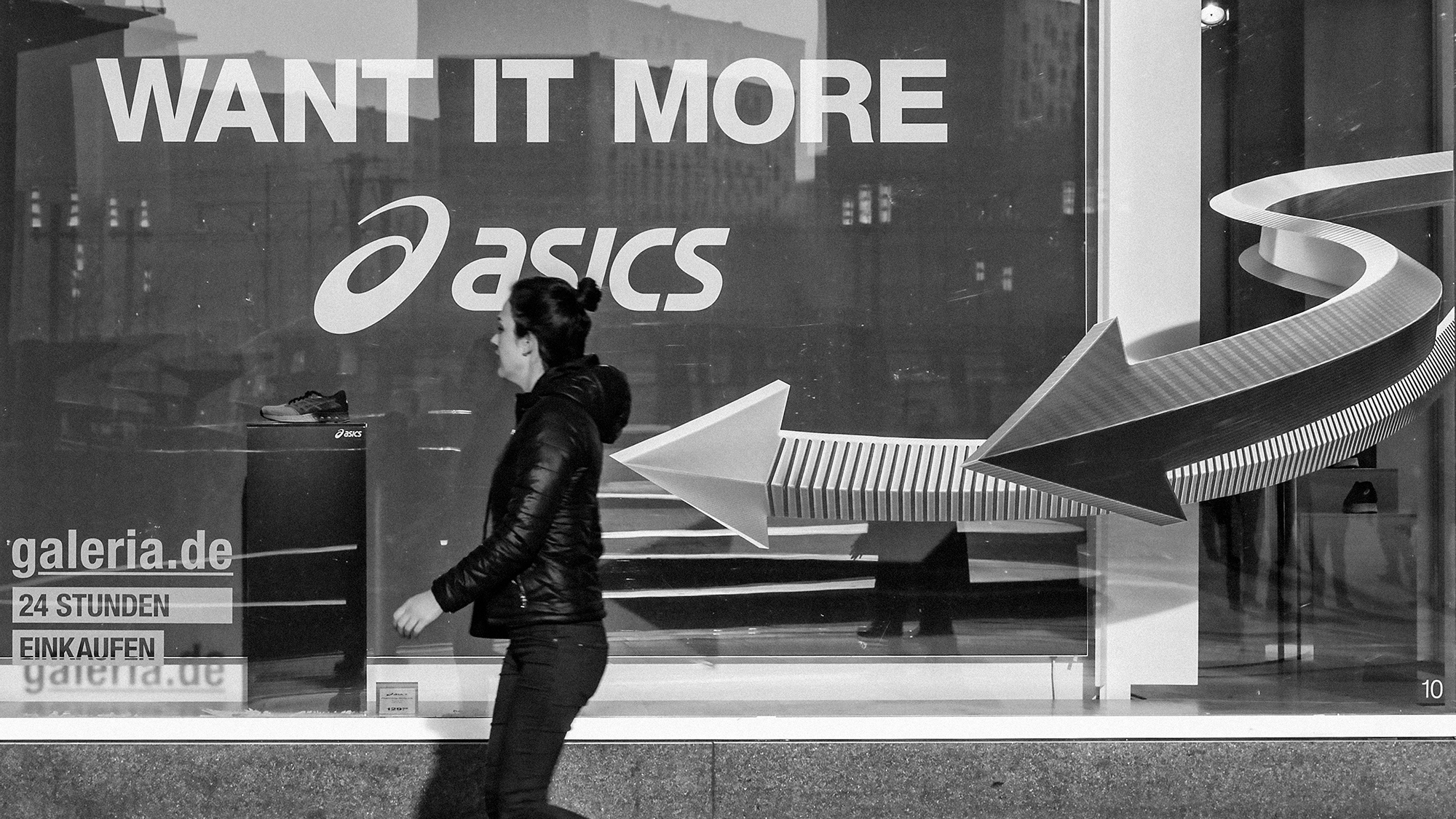
This is street photography gold. Any time you find arrows, leading lines, or directional graphics on walls, windows, sidewalks, or storefronts, you’re standing in front of a future classic. These images may not dominate the photo books of the old masters, but they absolutely dominate websites, portfolios, and social media feeds. And for good reason.
There’s something irresistible about the combination of clean, professional graphics and unscripted pedestrian movement. It’s a ready-made visual metaphor just waiting for someone to walk into it. When it works, it feels less like photography and more like destiny.
The best part is you don’t even have to limit yourself to arrows, though they are by far the most generous. Any line, shape, or pattern that clearly designates a “correct” place for a human subject will do. All that’s left is patience. Stand there. Frame it up. Wait. Eventually, someone will step precisely where geometry says they should. Or consider paying someone to do it. Who would know?
This kind of predictability isn’t a flaw; it’s a feature. In fact, it’s practically a requirement if you’re serious about building a strong street photography portfolio. Few things read as more powerful than commercial graphics layered with unsuspecting foot traffic passing through at exactly the right moment. These images don’t just look good, they look important. The kind of work destined for coffee table books of the next century, or at the very least, a solid run of likes this week.
Step 9: Assume Your Hometown Is Too Boring to Photograph
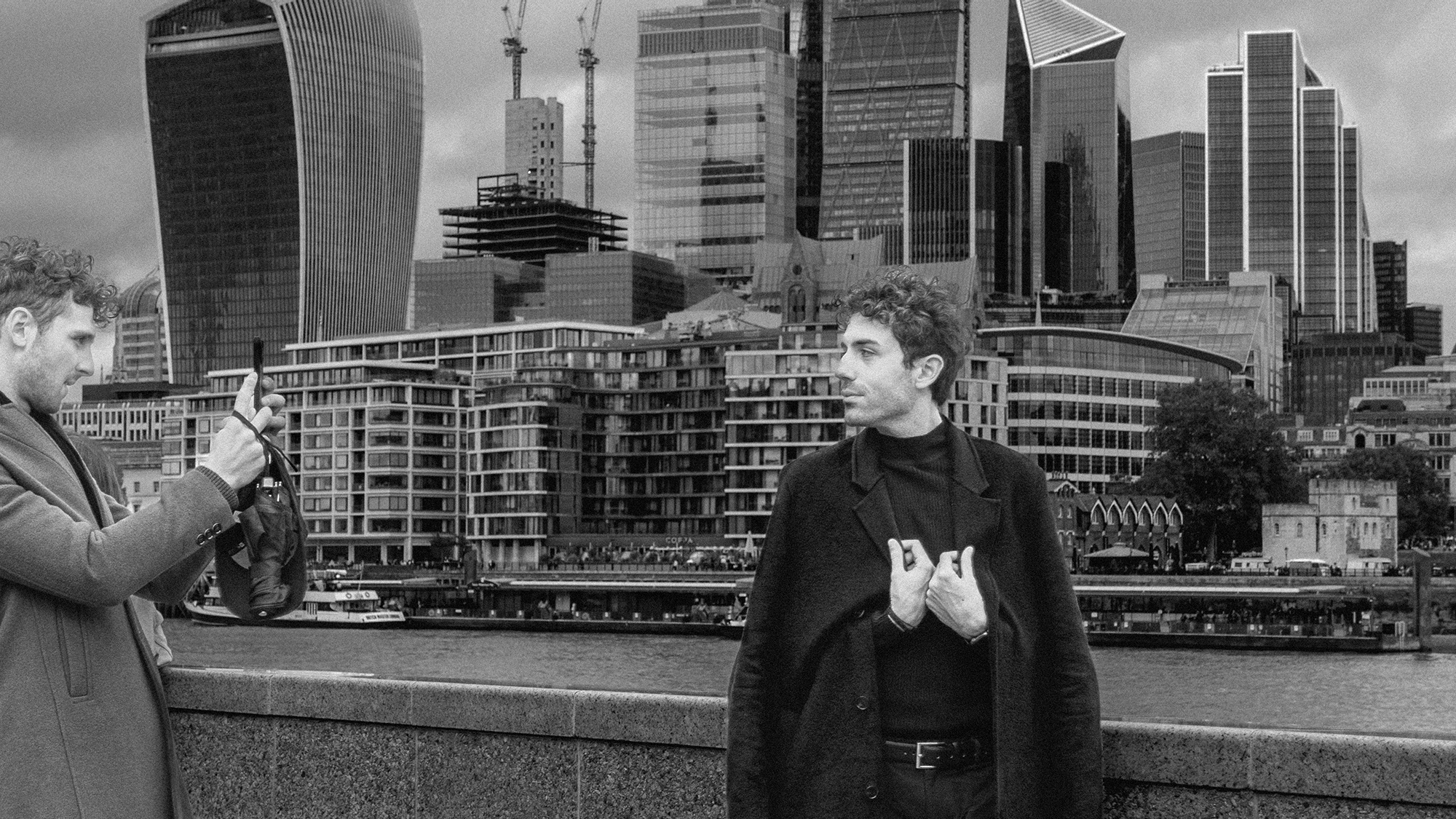
"The grass is always greener" might as well be the unofficial motto of street photography. Who wants to photograph the same streets they've walked their entire life? Familiar faces, predictable light, and buildings they stopped noticing years ago? Street photography is hard enough without the added burden of boredom.
What we want instead is new territory. Magnificent cities with glassy storefronts, reflective panels, and architectural details that feel important simply because they aren't ours. There's something deeply appealing about photographing places we don't belong to, watching hundreds of unfamiliar feet and swinging arms pass through a city that still feels exotic. That's where the real work happens.
Meanwhile, your hometown sits there being hopelessly dull. Sure, some photographers build compelling long-term projects by documenting the same neighborhoods and routines over years, watching how light and seasons transform familiar corners into something worth paying attention to. But that requires patience, and patience doesn't photograph well on Instagram.
For the more ambitious street photographer, real validation requires airline tickets and hotel reservations. New cities deliver excitement, legitimacy, and the comforting sense that the work matters more because it requires a layover. Why shoot the same boring people doing the same boring things when you could be in Tokyo, capturing a disheveled businessman crossing the street in a way that seventeen other photographers captured yesterday?
Let other people worry about documenting your city if they think it's interesting. You've got exotic ground to cover.
Step 10: Shoot Film to Prove You’re Serious Even If You Can’t Afford to Develop It
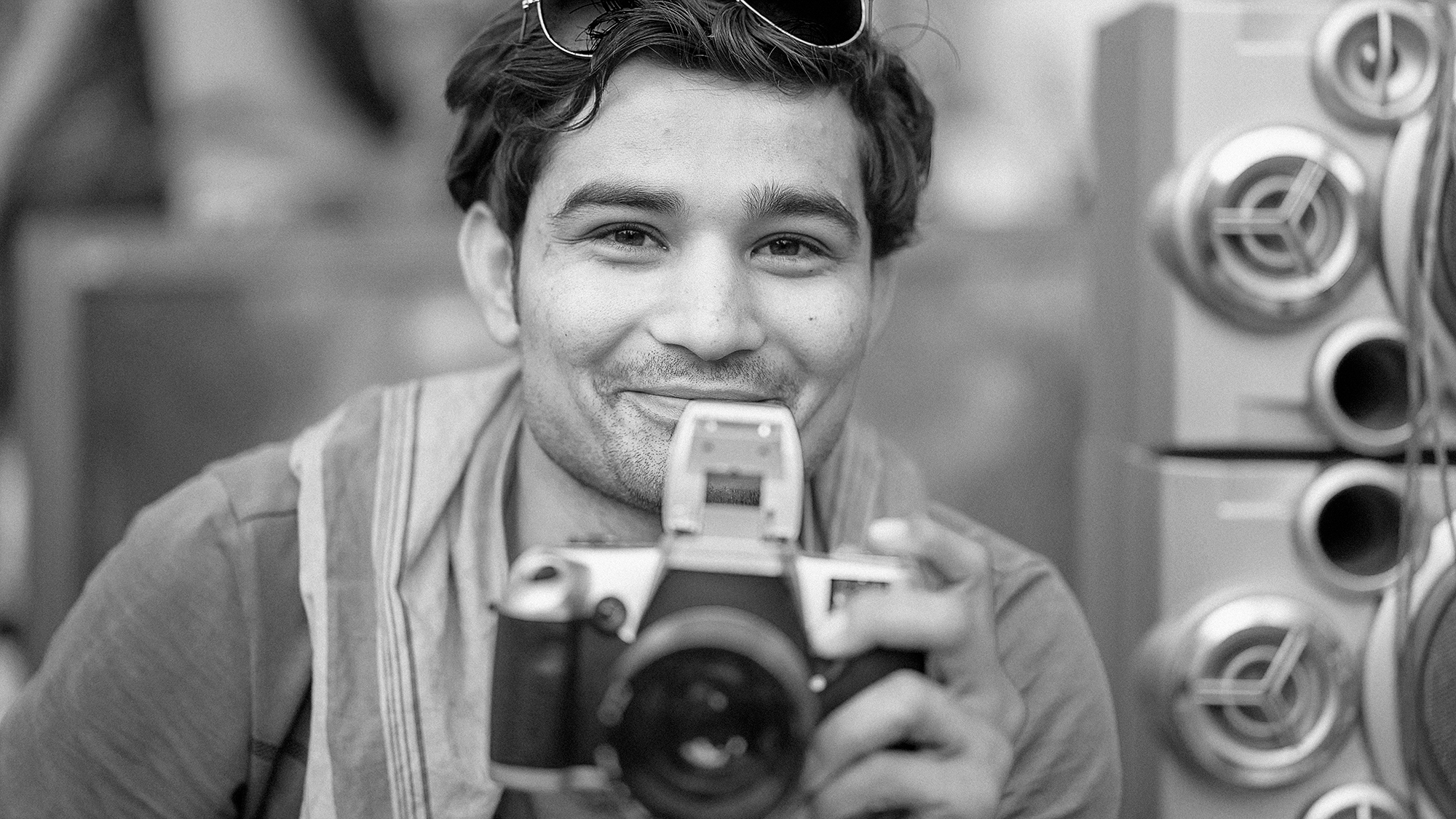
Street photography places a special kind of respect on film shooters. There's something noble about choosing a slower, more expensive, and less convenient process, especially one that doesn't let you immediately see whether you actually got the shot. The absence of an LCD screen alone feels like a statement. This is photography the way it was meant to be experienced: painfully, and with just enough uncertainty to feel important.
Film forces you to slow down and become more intentional. Never mind that nothing stops anyone from doing the same thing with a mirrorless camera or even a smartphone. Film makes the commitment visible to envious onlookers. The limitations are built in. Every frame costs money. Every roll demands restraint. Intention is no longer optional; it's baked into the architecture.
The fact that developing and scanning costs more than your monthly streaming subscriptions combined shouldn't discourage you. Separating yourself from the digital crowd requires sacrifice. Can't afford to develop your film? Stack those undeveloped rolls on a shelf and photograph them for social media. Nothing says "serious photographer" quite like a backlog of unprocessed work gathering dust while you save up for the next batch. Extra credibility points if you shoot expired film that costs more than fresh film. Nothing says 'artistic vision' like paying a premium for unpredictable color shifts.
If you're already shooting film, you understand how good this feels. If you're not, it's time to step back into a more uncertain era, one where mistakes were common, feedback was delayed by weeks, and success felt earned because it survived the wait. Film has a way of sorting things out. It makes you look serious about what you're doing. And if it costs more than you'd like, well, that's kind of the point.
Step 11: Confuse Discomfort With Meaning
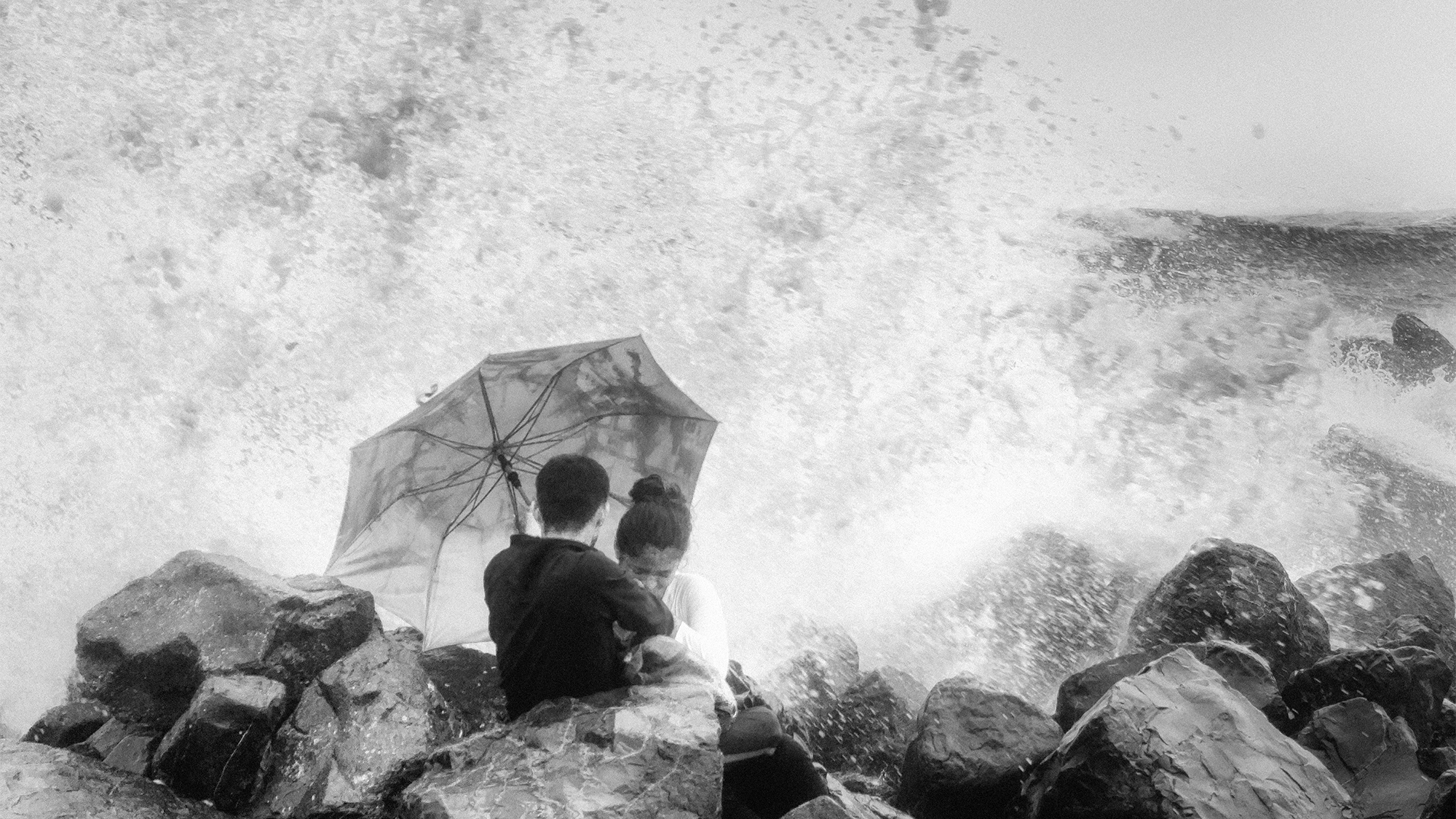
There's a certain kind of street photograph that feels important mainly because it was uncomfortable to make. The moment carried tension, and that tension tends to linger longer than the image itself. Over time, the unease attached to the experience begins to stand in for whatever the photograph fails to communicate on its own.
When discomfort enters the picture, meaning is often assumed rather than demonstrated. If taking the photo felt intrusive or socially awkward, the image is treated as if it must be saying something significant. What's actually visible in the frame becomes less important than how it felt to press the shutter in the first place.
This is where captions become essential. When the photograph doesn't quite hold up on its own, a carefully written story fills in the gaps. A few sentences about the risk involved, the fleeting connection you felt, or the raw authenticity of the moment can elevate an otherwise ambiguous image into something that reads as profound. The words do the explaining, and the photograph gets credit for it.
The best part is that no one can argue with your experience. You were there. They weren't. If the image needs three paragraphs of context to land, that's not a weakness; it's depth. And if viewers still don't get it after reading your mini-essay, they're probably not sophisticated enough to understand street photography in the first place. Remember: the harder it is to take the photo, the better the photo is. That's just physics.
Step 12: Announce You're Taking a Break From Instagram (Back in 3 Days)
Every street photographer eventually reaches a breaking point with social media. The algorithm doesn't understand your work. The engagement feels hollow. The likes don't mean anything anymore. When this moment arrives, post a long, heartfelt statement about needing to disconnect and remember why you started shooting in the first place.
Make it sincere. Talk about rediscovering your creative vision outside the pressure of constant posting. Mention "shooting for myself again" and "stepping back to focus on the work." Let your followers know this isn't goodbye, just a necessary pause.
Then schedule your return for Tuesday.
Bonus points if you check notifications the entire time you're away. Double bonus if you come back posting the same high-contrast black-and-white images you always have, now with captions about feeling refreshed and refocused. The important thing is you took time for yourself. Nobody needs to know you spent most of it wondering if your engagement dropped.
If anyone asks why you're back so soon, say that three days is basically a sabbatical in Instagram years.
Achievement Unlocked: Competent Street Photography Cliché
Congratulations. You've just learned how to make work that looks reassuringly familiar. Follow these habits long enough, and your photos will start to resemble those of countless other serious and widely admired street photographers. The look will make sense. The choices will feel justified.
Along the way, you'll discover new clichés. Some will be subtle, some obvious, and many surprisingly useful. Embrace the ones that work. Discard the ones that don't. Either way, you'll never run short on templates to borrow from.
On a More Serious Note
If you've made it this far, hopefully you didn't take all of this too seriously. The point isn't that clichés are evil or that imitation is pointless. Copying others is often how we learn what works and why. Most photographers start by borrowing ideas that resonate with them. That's normal.
But problems arise when imitation becomes the destination instead of the starting point. Eventually, you have to stop shooting like the photographers you follow and start paying attention to what's actually in front of you. The work doesn't become yours until you do.

Join the Fstoppers community for free
-
Post comments and join in the discussions
-
Browse the site ad-free
-
Share your work and get featured in the community
-
Compete in the photo contests for fun and prizes
70 Comments
Beautiful article, the writing style and humor really reminds me of Bourdain. Will be checking out your other articles!
Awesome compliment, Tommy. Thank you very much~
Aaarrrgh! You ruined for me at the end. I was taking seriously it's sarcastic side. Now I can see that it's more of a half 'n half kind of article 😉 I was enjoying the sarcasm ignoring the serious note as I rarely like any street photography especially because of these repetitive clichés. Not to disqualifiy the genre is just not to my like.
I will save this article as a guide for until I will get old enough (maybe in 10-15 years) to not care about anything or anyone's opinions and go out and make people uncomfortable by taking photos of them. 😆
It was a good read, thanks!
Most welcome and thanks, Gabriel. I knew there was potential to upset the flow of it all with the on-a-serious-note conclusion. But I have to save my more rant-filled pieces for other forums:) as far as waiting 10-15 years to start making people uncomfortable, I’d highly recommend getting out there and annoying the population with your street photography before AI steals this role...
😀 I'm telling you mate, as a genX I'm really afraid to raise the camera to take a photo when walking in the city. With these new generations I don't what is it and isn't politically correct anymore. So, yeah, nah! I'm sticking with non-human subjects. The closest to street photography I'm doing is Architecture photography. Ai can have it! 😁
Fellow Gen Xer here. I can tell you that even in the West, you can absolutely do candid street photography and even mix it with architectural work when the moment suits it. If you are curious about trying street, two things can help a lot. First, use the LCD screen and keep the camera away from your eyes. Shoot from chest level when you are reacting to moments or flip the screen and look down into it like you would with an old medium format camera. It feels much less confrontational. Second, try the fishing technique where you set up a composition and simply wait for people to move into it. You can chase moments, too, but that usually requires doing the things you are hesitant about, and honestly, that style is not everyone’s favorite. There are plenty of photographers out there working more casually and making small, subtle adjustments to get the shots without ruffling any feathers. But if you don't need any human subjects, no point chasing them anyway, I suppose:)
An excellent article, Craig. It’s made my career path so much easier, now that I know exactly what to do to join the growing legion of failed Carter-Bressom wannabees. Seriously, it helped me laugh at myself, which everybody needs to do from time to time.
Thanks a lot, Alex. And it's good to know you're on the right path:)
Thanks for a great article. One of the commenters nailed it: it's about what resonates with the viewer (or the artist) - just like any artform. I thought about my own photos, and realised that some of the best shots are in full colour, taking advantage of the colours (like the yellows in a city at a rainy night). So maybe colour as an effect could be a thing for me to continue working with.
Thanks for letting me reflect on what I am doing - and on what I am trying to achieve.
My pleasure. I'm always assessing and reassessing. I think it's natural after you've been doing anything passionately for some time. It goes with the territory. And color is always a good thing:)
Street photography is easy, as any poor down to basics for living can still pick up a camera and have internet fame...
Street photography is easy. You should see some of the commentators who can't even pull it off. They'll never be famous...
But on fb, you can acclaim fame for at least 15 minutes a day...
Those sweet, sweet Facebook dopamine hits. So much better than fame.
I always thought it was illegal to publish street shots in color. Damn.
Small print legalese: Check your local laws first! Better to be safe than in Color Jail.
It's not. But it is illegal to publish a street trash photograph that is appealing.
That's a joke. It's not illegal. It's just impossible.
I look for even a moment and see that nothing I do is unique. Might as well just freeze in place to avoid any further offending. On the other hand, I think I'll go out and take some pictures today.
Uniqueness might be a little overrated anyway. Your voice shows up over time, even if you can't always see it. We get so caught in the compare and contrast game that we convince ourselves nothing we do is original or that it doesn't really matter. But I think what you're getting at is true — just taking pictures is what matters most.
An excellent article. I've rarely come across a group of people with a more hyper-inflated sense of self-importance than street trash "photographers". They all seem to think of themselves as edgy and cool while producing the most overdone and cliché photographs that never show up in anything remotely interesting. I'm still trying to figure out what is so appealing about this form of "photography" to these people. I think part of it is cosplaying as a "photojournalist", part of it is the social media dopamine hits, and part of it is the thrill that they receive by non-consensually invading people's privacy. It's certainly not about the photos themselves.