
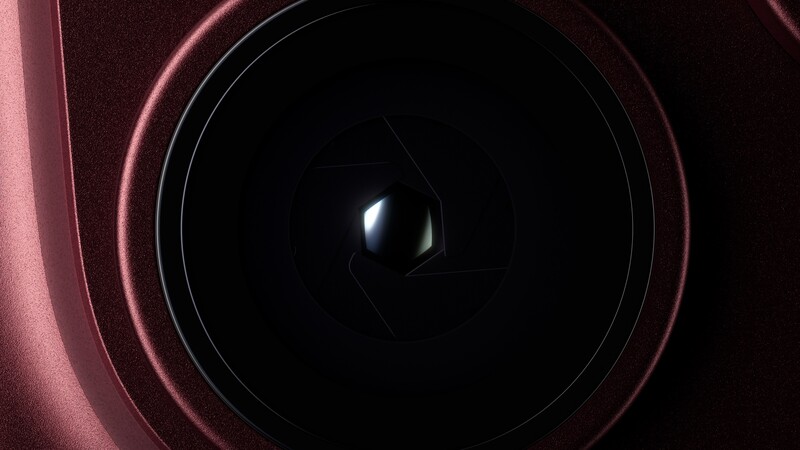
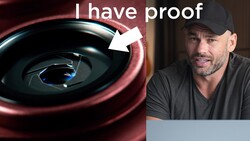
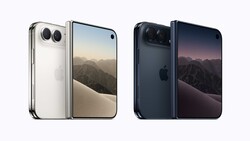
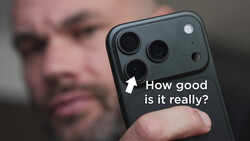
Apple announced the iPhone 18 Pro, and the headline camera feature this year is a physical variable aperture on the main camera. I have been shooting professionally for 20 years, and I sat through that entire section of the keynote thinking the same thing over and over: this does not make any sense. Why would anyone want or need a variable aperture on a phone?
So I went and did a pile of research, and I think I finally know why it is there. It has almost nothing to do with the reason most people online are giving.
Almost Everyone Has the F-Number Backwards
There are three ways to change exposure on nearly any camera. Shutter speed is the amount of time the sensor is actually collecting light. ISO is how much the signal coming off that sensor gets amplified, which is why pushing it brightens an image and adds noise at the same time. And aperture is a set of physical blades inside the lens that open and close to control how much light gets through. If you are still building your foundation on how those three work together, that is exactly the ground Patrick covers in Introduction to Video.
Here is the biggest misconception in photography: most people think the f-number is a depth of field setting. It is not. It is an exposure setting, exactly like shutter speed and ISO. Depth of field is a side effect of it, and how much of that side effect you get depends enormously on the size of the sensor sitting behind the lens.
That distinction is the whole story here. I can dial the same shutter speed, ISO and f-stop into my full frame camera and into an iPhone and get the same exposure out of both. I will not get anything close to the same depth of field, because the iPhone 18 Pro main wide sensor is a small fraction of the size of a 35mm frame, and every other camera on that phone is smaller still.
The Group Photo Argument Does Not Survive Contact With Math
The new aperture opens to f/1.48 and stops down to f/4, which is about 2.9 stops of range. Wide open it lets in 7.3 times more light than it does at f/4.
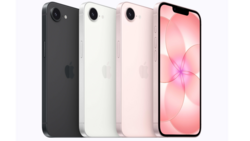
That number immediately clashed with the keynote, where the claim was that the aperture opens up in darker environments to gather around 50% more light. Those two figures are not describing the same comparison. The 50% is not the new lens wide open versus the new lens stopped down. It is the new lens measured against last year iPhone 17 Pro, whose main camera is fixed at f/1.78, roughly half a stop slower.
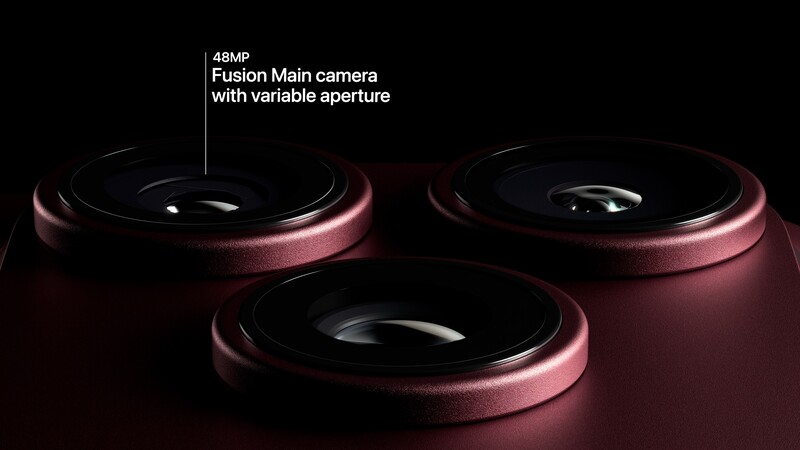
The reason none of this landed for me is that depth of field has never once been a problem on a phone. If anything it is the opposite problem. Everything is in focus all the time, which is precisely why Apple has spent years building software that fakes background blur so phone photos look like they came off a real camera.
I have read plenty of people online insisting that variable apertures exist so group shots come out sharp from the front row to the back, and every time I read it I think about how I genuinely cannot remember the last blurry photo I took with an iPhone.
We do not have to guess about this, because it is physics, and depth of field calculators will hand you exact numbers. Take the 18 Pro main camera wide open at f/1.48 and focus on something 12 feet away: everything from roughly 6 feet in front of the camera out to infinity is in focus. Stop it all the way down to f/4 and that becomes about 3.3 feet to infinity. Both of those swallow any group of people you are realistically photographing at a party. The group photo argument is not true at all.

Depth of field does start to shift once you get much closer to your subject, and that is a genuine, if narrow, win. But it is not why this feature exists.
What I Think Is Actually Going On
Huawei shipped the P60 Pro three years ago with a variable aperture and a main camera whose specs sit very close to what Apple just announced. I went digging through reviews of it, looking for the same scene shot across the full aperture range, and the answer was sitting right there in the sample images.
Wide open, the image quality is horrendous. That is not a Huawei problem. Every lens behaves this way, including professional glass that costs thousands of dollars. Wide open is where a lens is at its worst, and stopping down a stop or two is where it cleans up.
So here is my theory.
The camera is the feature. For most people buying a new iPhone, it is the only hardware spec that genuinely matters. My wife could not name a single other new feature on this phone, but she wants to know one thing: will it take better pictures of our son? Apple has to improve the camera every single year, without exception.
And it looks like we have arrived at the edge of what current phone sensor technology can do. As far as I can tell, the 18 Pro is running the same sensors as last year. So if no one can hand you a better sensor, the only lever left is the lens. Make it faster, gather more light, improve low light performance.
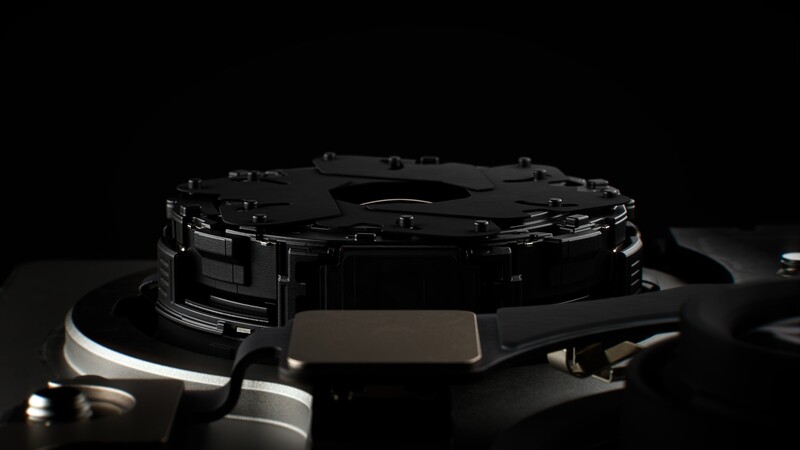
The catch is that a faster lens means noticeably worse looking images. So Apple bolted on a physical aperture that can stop down and block the light rays entering through the edges of the lens, which is where all the ugliness photographers hate comes from. In decent light the aperture closes and you get a clean file. In a dark room or at night it opens all the way and takes the sharpness hit in exchange for light, which still beats last year slower lens.
My Prediction
Roughly 90% of the time, I think the iPhone 18 Pro is going to produce images that look identical to the iPhone 17 Pro. The other 10%, shooting in genuinely dark environments, you will get slightly better performance. Call it about half a stop.
Is half a stop significant? Not really. But it is something, and it is very likely the only thing that was available to them this year.
I have a phone on the way, and I will put every bit of this to the test and find out whether I am right.

Join the Fstoppers community for free
-
Post comments and join in the discussions
-
Browse the site ad-free
-
Share your work and get featured in the community
-
Compete in the photo contests for fun and prizes
1 Comment
I'm sure it will take great photos, but here's why I don't use Mobile phones as we call them in Australia for photography because no one puts them in aeroplane or pause mode so as soon as you take a photo you're receiving an Instagram DM or you receiving a like on Facebook or some other notification and you immediately distracted away from what you were doing and this is why I don't encourage people to use them for photography because no one puts their phone into aeroplane mode even on aeroplanes.... So it's not about the quality the photo, but it's more about the experience. As for the explanation on the aperture I agree with you and I would also add that probably 95% of the people buying the phone don't even understand aperture and probably have no use for it either