
Chase the Light, Not Just the Leaves
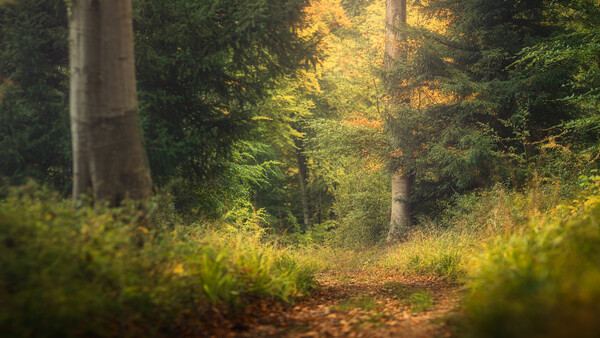
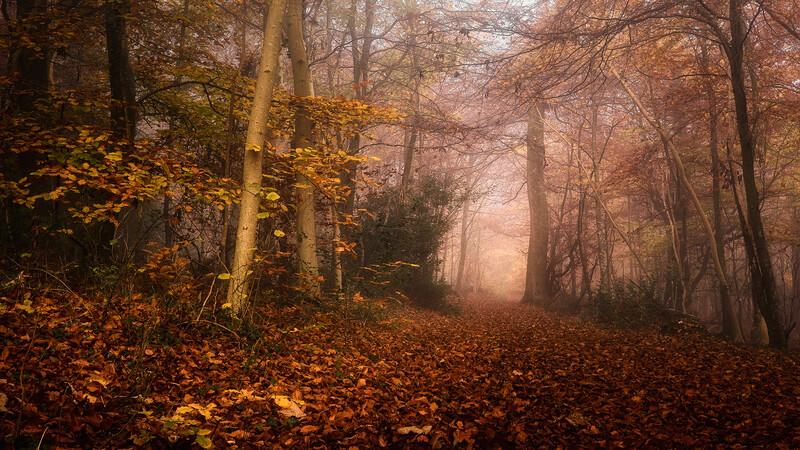
Autumn isn’t just about the brilliant colors. Don’t get me wrong—the colors are beautiful, but they’re nothing without good light. Midday sun will flatten the scene, and your photos will lack the depth and texture they need to really pop. What you need is light from a low angle, either 90 degrees from your subject or backlit. Unfortunately, that means getting up early in the dark and braving the crisp, cold air. Early mornings are also the best time to capture foggy forest scenes. It’s a fantastic element that helps soften contrast and create depth and atmosphere in your shots. So look for rivers, lakes, and low-lying valleys, as these will often have some fog after a crisp, clear night with no wind. If you’re dealing with overcast weather, don’t think it’s time to pack up yet. Diffused light is ideal for capturing intimate woodland scenes. So make sure your focus is on getting the right light first.
Using Layers and Depth to Your Advantage
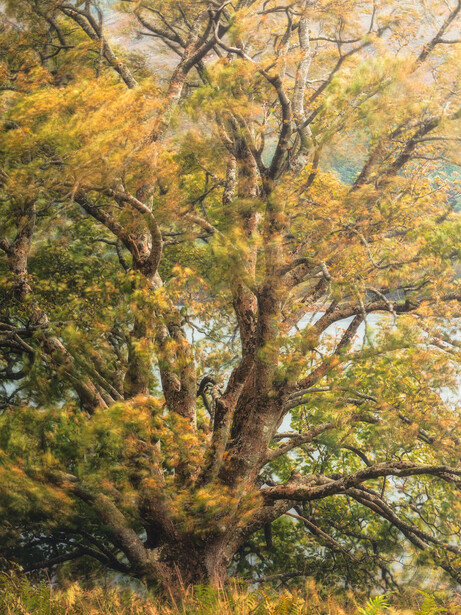
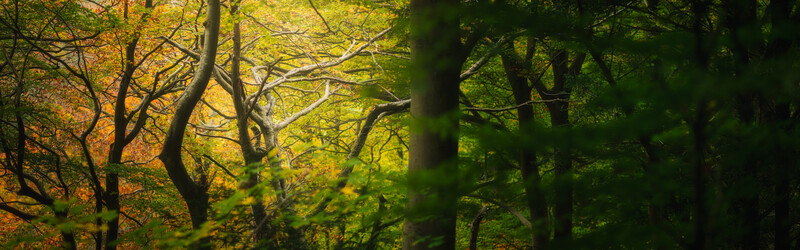
Forests can be chaotic and overwhelming, even for the most experienced photographers. There are leaves everywhere, branches sticking out, and the whole area is cluttered. The trick here is to use your composition to your advantage and tame the madness. Look for shapes that naturally frame your subject and then build the photo from there. A good autumn photo should immerse the viewer, so use a suitable lens, such as a wide-angle lens, to frame the foreground, and use shapes to create leading lines toward your subject. A foggy scene can easily provide layers that create depth. Alternatively, use trees, shrubbery, or any natural elements to create layers in the photo.
Controlling the Chaos
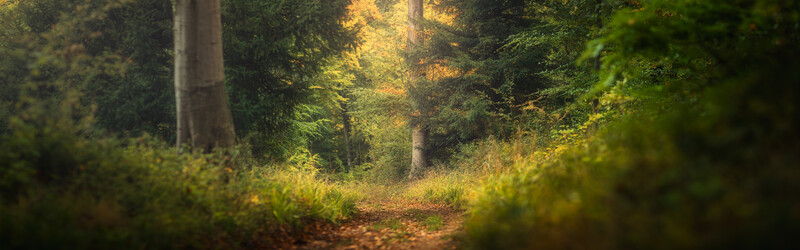
If the scene is too chaotic for a wide-angle lens, swap over to a lens with a longer focal length. A 24–70mm lens or a 24–105mm lens would work much better at simplifying the scene than a 16–35mm would. Using a lens with a longer focal length immediately blurs distractions in the foreground and background, creating a minimalist image with ease by isolating your subject. Alternatively, you can use the longer focal length to emphasize patterns and shapes.
Master Color Balance and Editing
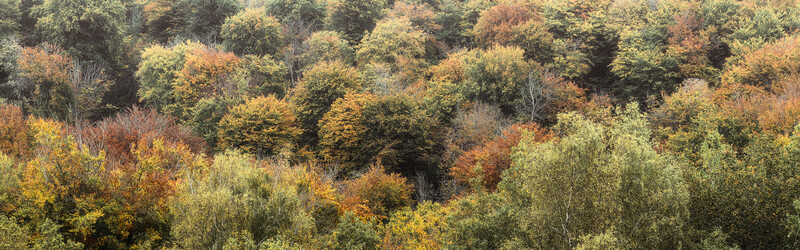
When editing your photos, it’s tempting to push the saturation into oblivion. Before you know it, you’re dealing with a radioactive-looking forest. While Instagram is filled with oversaturated, high-contrast, and highly saturated images, the trick is to be subtle. Use your Contrast and HSL sliders sparingly. I’m talking no more than a +10 or +10 shift here. Often it’s much less than that. Use some dodging and burning here and there to emphasize your focal point, and add a bit of clarity where needed. The best autumn photos are the natural-looking ones. It can be tempting to slap another artist’s autumn LUT package on there. Still, most of those introduce an incredible amount of contrast and oversaturation, so be careful if you decide to venture down that path.
Be Patient and Plan Your Journey
Planning is vital for any photographic trip, especially during autumn. Visit some locations early, before autumn reaches its peak, and find suitable compositions. Scouting will always help you plan and ensure you get the shots you want on the day instead of wasting time looking for them. Woodlands and forests change over the course of weeks, so visiting them multiple times throughout the year increases the likelihood of success when heading back during autumn. Remember, it’s wet primarily during autumn, especially here in the U.K., where I am based. Waterproof boots, a coat, and some gloves keep you warm as you wade through wet grass or extend the legs of your icy-cold tripod. Once you’ve found a good spot, spend at least an hour there before moving on. There are loads of details all around you. From the forest floor to the trees in the distance, you’ll find at least three to five usable shots in these locations—often more if you’re lucky enough to shoot in the fog.
Final Thoughts
Autumn landscape photography takes a bit of luck, a lot of planning, and knowing which gear to use in different circumstances. It takes timing and a bit of patience to get the right conditions and shots you want. But when all the elements line up, it yields incredible results for photographers. Don’t feel disheartened if the rain is persistent or there’s no fog. While the colors and light last, you’ll have plenty to shoot. Autumn doesn’t last long. At most, you have a few weeks to capture it. Get up early and go explore your local woodland or forests, and grab some of that autumn magic.



Join the Fstoppers community for free
-
Post comments and join in the discussions
-
Browse the site ad-free
-
Share your work and get featured in the community
-
Compete in the photo contests for fun and prizes
2 Comments
Focusing on the light is extremely important, sometimes the day looks gloomy and dark, but the light is just perfect for capturing bright leaves as they are almost shining. Not my case though, haha! I've been out and about hunting for some good shots for a smartshow 3d Halloween video and got some great pictures but still need to work on these colors.
Be playful and have a good time. This is supposed to be fun. Too many techniques, rules and directions harden the mood and lessen the opportunity for success......