Heading out with a camera in heavy rain feels reckless, especially near the coast with wind strong enough to shake a tripod. Yet those are the days when light turns moody, water comes alive, and ordinary locations shift into something raw and dramatic.
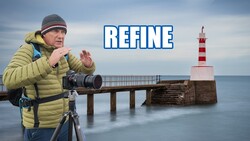
Coming to you from Jason Friend Photography, this wind-battered video follows Friend as he takes the Sony a7C and a 28-200mm superzoom out into pounding rain along the Northland coast. He does not pretend the conditions are comfortable. The wind cuts through him, the rain limits filming options, and even setting up a composition becomes a challenge. Instead of hiding from the weather, he works with it, aiming at a lone post in the sea and experimenting with shutter speeds to either freeze crashing waves or blur them into streaks. You see the trade-offs in real time. Faster shutter speeds give structure to the water but lose some atmosphere. Longer exposures bring mood, yet introduce a new problem: wind shake.
Friend makes a simple, almost crude rain cover out of a plastic bag and an elastic band. It looks rough, but it shields the camera from direct spray while still allowing access to controls. He positions himself behind a break wall and even a life buoy housing just to cut the wind hitting the lens. A 10-stop neutral density filter comes into play, stretching exposures to around 1 second at 200mm, f/5.6, and ISO 200. At 200mm, even slight movement becomes obvious, and the wind batters both lens and subject. He turns on image stabilization and uses a 10-second self-timer to avoid touching the camera. Every setting choice is practical, not theoretical. You watch him adapt rather than follow a preset formula.
There is a moment where he admits he underestimated the wind. The rain is manageable. The wind is what threatens sharpness. That alone shifts how you think about shooting in bad weather. Water on the filter can be wiped away. A vibrating telephoto setup requires shelter, weight, and patience. Friend repositions multiple times, changes angles from a distant lighthouse to a pier lined up with a life buoy for a pop of color, and uses beach huts as a windbreak to attempt another long exposure. He debates color versus black and white but leaves that decision for post-processing. That restraint feels honest. Not every choice has to be locked in on location.
You also see limits. The plastic bag works, but not perfectly. A larger elastic band would have sealed things tighter around the lens barrel. A lighter tripod would have failed in seconds, forcing him to switch to a sturdier option. These small adjustments add up when salt spray is flying and the tide is shifting. The final frames show how rough conditions can translate into images with tension and character, especially when you let motion blur suggest movement instead of fighting it at every turn. Of course, though, always prioritize your safety first. Check out the video above for the full rundown from Friend.


Join the Fstoppers community for free
-
Post comments and join in the discussions
-
Browse the site ad-free
-
Share your work and get featured in the community
-
Compete in the photo contests for fun and prizes
No comments yet