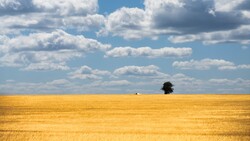
Landscape photography started as a practical workaround for early cameras, and it has quietly turned into something closer to a personal ritual. If you keep chasing big scenes but feel unsure what you are really chasing, this video puts language to that tension.
Coming to you from Michael Scott, this reflective video frames landscape work as less about the final file and more about what the process does to you. Scott starts with a simple historical idea: early cameras needed long exposures, and landscapes were cooperative subjects because nothing had to move. That small constraint shaped an entire genre, and it still echoes in the way you plan trips around light and weather instead of people and schedules. He also points out the uncomfortable truth that most people cannot name many working landscape shooters, even if they can name Adams. The subtext lands if you have ever wondered whether you are building a craft or just collecting outings.
Scott then pushes into motivation, and he does not pretend it is always noble. He talks about hobbies as a way to fill gaps you feel, not a way to prove you are special. He lists a few basic wants people circle around, then ties them to why you might keep going back out with a camera even when nobody is paying. The part about selling images is handled with more honesty than you usually hear, framed as a search for validation rather than a business plan. If you have ever checked likes, sales, or comments to see whether your effort “counts,” you will recognize yourself in what he describes, and it may change how you measure progress this season.
The video also gets practical in an indirect way, by naming benefits you might be taking for granted. Landscape work forces movement: hiking, climbing, walking a couple miles to a viewpoint, carrying gear, getting up early. You can call it exercise or you can call it the cost of admission, but it shapes your body and your patience. Scott connects that to how you see the environment, including the small choices you make on trails, like whether you pick up trash you did not drop. He brings up Adams again in the context of preservation, then hints that your work can be part of that conversation without turning into a lecture. He also touches on the mix that hooks a lot of people: love of technology paired with love of the outdoors, and how those two impulses feed each other when you are alone with a scene.
Scott circles back to the opening question about what came first, the landscape or the camera, and uses it to reframe what you are doing every time you set up a composition. If you are stuck bouncing between new spots and familiar ones, it is worth hearing in his own words. Check out the video above for the full rundown from Scott.




Join the Fstoppers community for free
-
Post comments and join in the discussions
-
Browse the site ad-free
-
Share your work and get featured in the community
-
Compete in the photo contests for fun and prizes
1 Comment
When you have great photos of places that need protection, I recommend making some of those photos available to not-for-profits, like land trusts and conservancies, who are working so hard on our behalf to keep natural places natural.
At the end of every camera presentation I make, I also compare outdoor photography to golf: we both like being in the outdoors, but rarely do photographers actually pay serious money for the opportunities we have. A day of golf can cost $50, $75 or #100 or more. What do we pay? Entry fees or parking may cost us $10 or $15, maybe even $25 for the day. Nature is not free! To ensure we have access to these amazing places and new ones, consider making a (tax deductible) donation to a land trust or conservancy. It’s in our collective best interest!!