
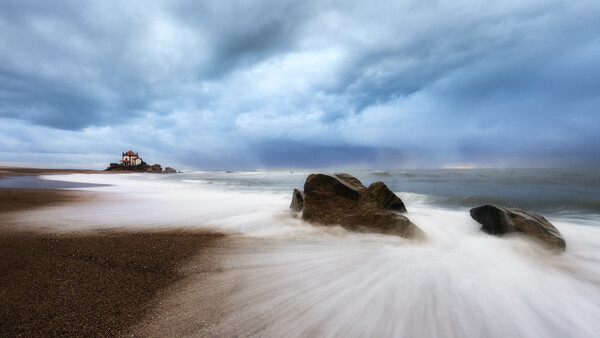
Being a landscape photographer usually consists of a set routine: check the weather apps, check PhotoPills, arrive an hour before golden hour to find your compositions, and shoot until the end of blue hour.
And yes, this is an absolutely magical routine and a truly beautiful time of day to shoot, but overlooking the rest of the day may be a detriment to your growth as a landscape photographer. Many photographers, particularly those just venturing into this genre, can be consumed by the notion that light during the “peak” hours is all there is. This predilection to shoot only at the “right time” can lead to frustration and a failure to grasp how light actually shapes an image. If you treat light purely as a beautiful, ambient color, you miss its deeper role as a sculptor of texture and a narrator of depth.
Beyond the Golden Hour: Light as a Sculptor
Before we begin, I feel it’s important to make a distinction between directional light and ambient light. Directional light comes from a specific point, leading to defined shadows—harsh or otherwise. Ambient light is more of a “blanket” effect, where light is so diffused that shadows vanish and scenes take on a flatter view.
I guess the spark for this article was the idea of constantly chasing “good light” while missing out on interesting light. There is no denying that when the morning or evening light performs, it is stunning. But there is a rugged beauty to be found in harsh, directional light, too. Directional light allows us to create three-dimensional form within a two-dimensional medium.
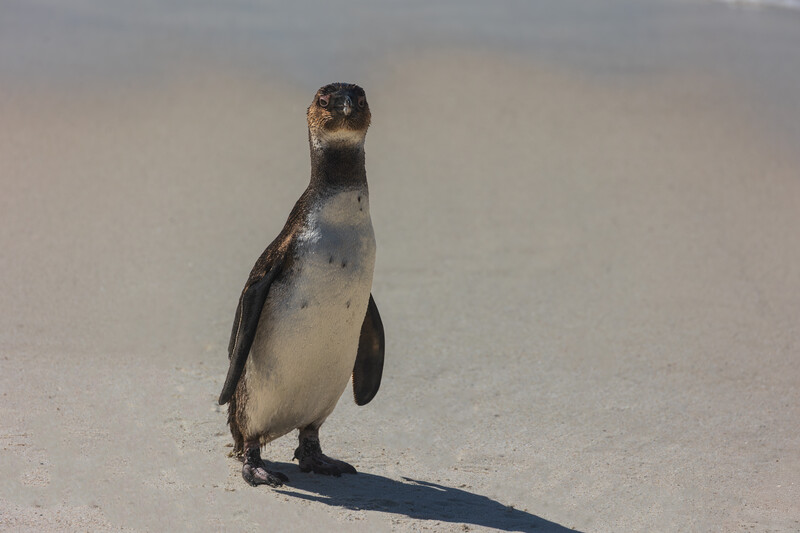
Side Light: Think of a strong side-lit scene. Defined shadows carve like a sculptor into the landscape. You can use these shadows as leading lines or to give a flat surface the depth of a topographical map. Here is a happy penguin I photographed while I was recently in Cape Town. Shot in the middle of the day. These ideas don’t just work in a landscape photography setting.
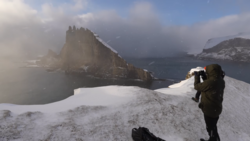
Back Light: One of my personal favorites. Here, the subject is etched into the frame, often creating a “rim lighting” effect. In wildlife photography, this separates the animal from the background with a halo of light. It’s also a wonderful way to capture the drama of mist or atmospheric haze.
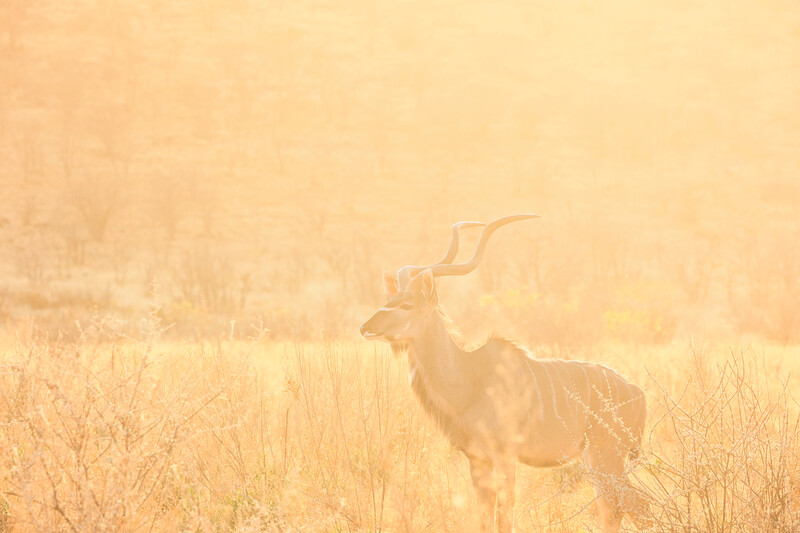
Technical Tip: I prefer exposing for the highlights. This preserves the bright details and allows shadows to deepen naturally, avoiding that "over-processed" HDR look.
The Cost of Waiting for “Perfect” Light
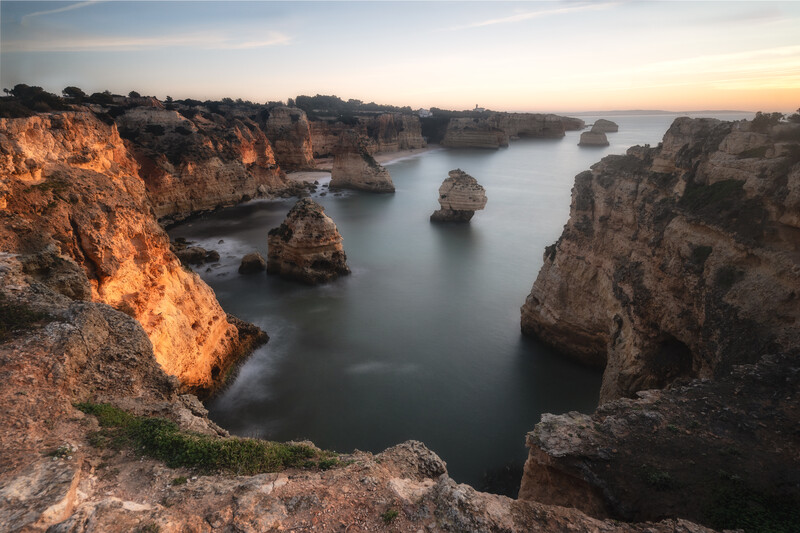
I remember standing on a cliff along the Algarve coast, watching the Atlantic stretch endlessly below me. I had arrived early, tripod planted, composition refined, mentally locked into what I thought was the image. All I needed was the “right light.”
As I waited, scenes kept unfolding in front of me. Waves detonated against the cliffs, throwing plumes of spray sideways in the wind. Pockets of cloud cast fleeting shadows across the water. A lone seabird crossed the frame, briefly illuminated against the darker sea. Each time something happened, I caught myself thinking, “Oh, that could be nice.” And then I did nothing.
I was so focused on what the light should become that I ignored what it already was. By the time the sun dipped low and the light finally softened into something classically beautiful, the scene had lost much of its energy. The wind had dropped. The waves had calmed. The drama I had been standing in for over an hour had quietly passed me by.
That moment stayed with me—not because I missed a shot, but because I missed a way of seeing. The light hadn’t been wrong; it had been demanding. It required a different approach, faster decisions, and a willingness to let contrast and shadow dominate the frame. Since then, I’ve tried to treat those moments not as distractions while waiting for something better, but as invitations to respond to what’s happening now.
The Power of Absence: Why Shadow Is the Real Subject
I remember, as a child, seeing my first Caravaggio painting. I didn’t understand art, but the interplay of light and shadow astonished me. Later, I learned of chiaroscuro—the use of strong contrasts between light and dark to give the illusion of volume.
We can do the same in the landscape. By exposing for our subject and letting the shadows fall away, we add mystery and weight. Light can be construed as hopeful, but the shadow adds the narrative. The length and crispness of a shadow tell the viewer exactly when you were there and what the atmosphere felt like.
Managing these shadows is an art form. Knowing when to let them go to “true black” and when to lift them for a hint of texture comes with trial and error. But once you embrace the darkness, your work gains a deeper, more meaningful level of drama.
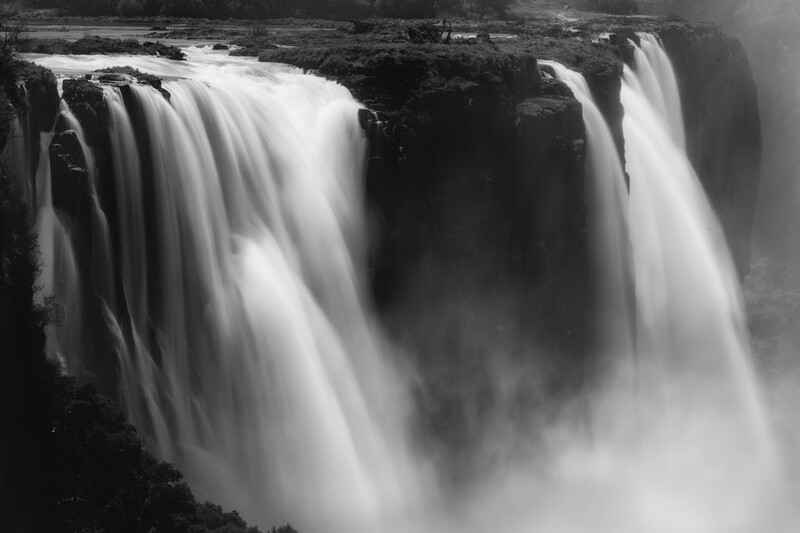
Finding Texture and Narrative in “Ugly” Light
I’m sure I’m not alone when I say I’ve often gone out to shoot, seen a flat overcast sky or a harsh “bluebird” afternoon, and thought, “No, not today.” But recently, I’ve stopped looking at these conditions as obstacles and started seeing them as teachers.
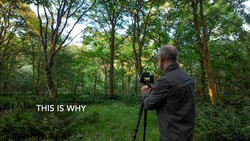
Overcast / Flat Light: This is a masterclass in color and composition. Without the “crutch” of dramatic shadows, you are forced to rely on the inherent structure of the scene. This is the perfect time for forest interiors or waterfalls. It eliminates hotspots and allows you to “craft” the light yourself during post-production.
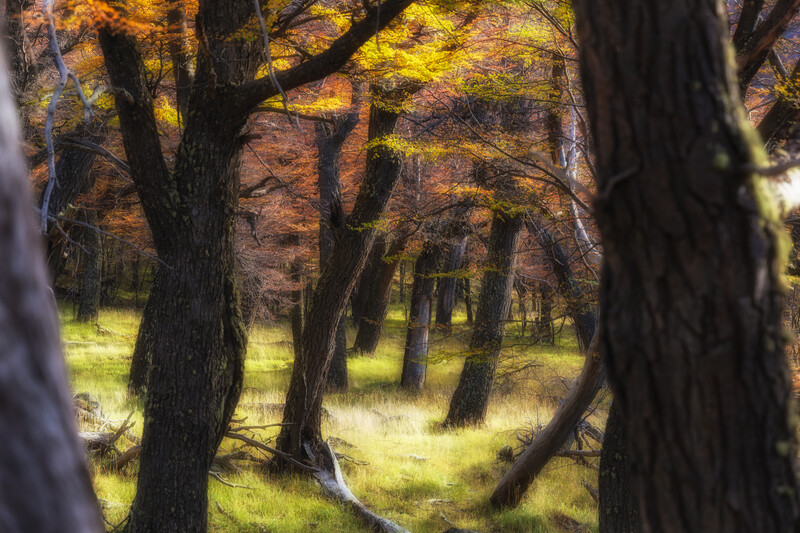
Harsh Midday: This is the big hurdle. The sun is splitting the sky, and the light is punishing. But hope isn’t lost. Approach this with a mindset of high contrast and minimalism. If you’re by the ocean, it’s the perfect opportunity for high-key or low-key abstracts. It’s about leveraging the contrast, not fighting it.
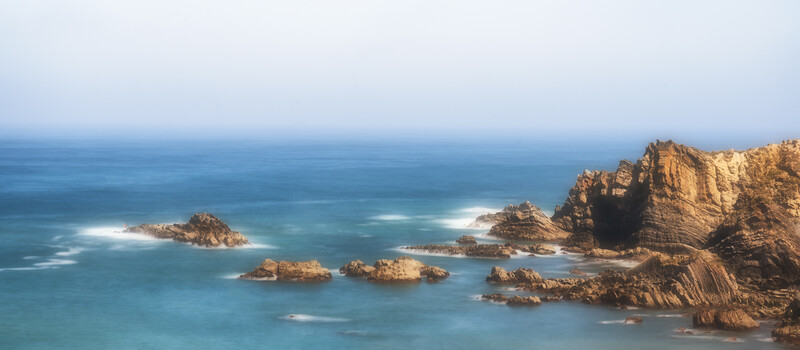
The Lesson of Imperfection: A willingness to shoot in “imperfect” light makes you a better problem-solver. Since these conditions happen more often than the “perfect” ones, learning to use them ensures you never come home empty-handed—or worse yet, unfulfilled.
The Intentional Relationship: Light, Location, and Time
To tie this all together, we need an intentional relationship between our location and the clock. This goes beyond generic scouting. When you look at a view, don’t just ask if it’s pretty. Ask: Where will the shadows fall? When will the light hit that specific texture? How will the mist change the light’s quality hour by hour?
Think of light as a narrative instructor. If a location is rugged and weathered, use harsher light to emphasize that grit. If the scene is serene, wait for the soft, ambient glow. Patience is a virtue, but observing the full cycle of the sun rather than rushing in for the “peak” moment allows you to create a body of work that reflects a journey, not just a highlight reel.
What Changes in Practice: Seeing Light as a Decision, Not a Condition
Once you stop categorizing light as simply “good” or “bad,” your entire approach shifts. Scouting becomes less about postcard viewpoints and more about understanding how a location responds to light throughout the day. A scene that feels uninspiring at sunrise might come alive under harsh sidelight. Another might only reveal its structure under flat, overcast conditions.
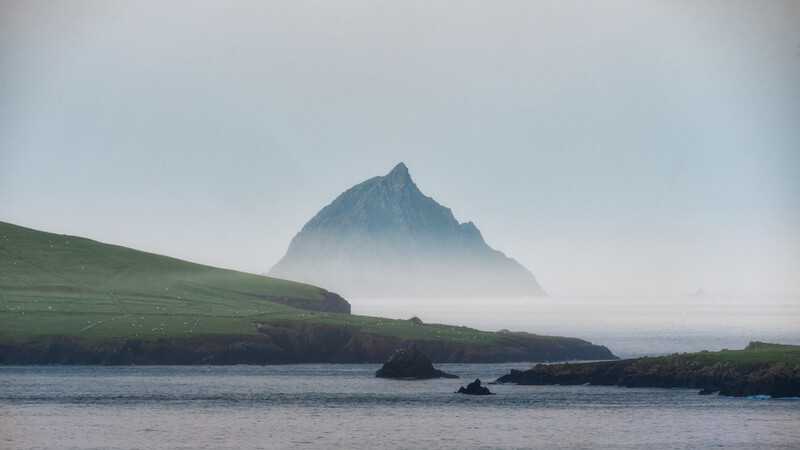
This mindset also changes how you shoot in the field. Instead of waiting passively for the light to improve, you begin making deliberate decisions—tightening compositions to isolate contrast, simplifying frames to emphasize form, or embracing negative space created by shadow. Your shot list becomes flexible rather than rigid, allowing the environment to guide you rather than the clock.
Even post-processing benefits from this shift. When you’ve made peace with shadow and contrast in the field, you’re less tempted to “fix” images later. You stop lifting every dark area simply because you can, and instead reinforce the intent you had when you pressed the shutter. The edit becomes an extension of your vision, not a rescue mission. If you want a structured, start-to-finish framework for that approach, Photographing the World: Landscape Photography and Post-Processing is a strong fit: Photographing the World: Landscape Photography and Post-Processing.
Ultimately, this approach builds confidence. You’re no longer dependent on fleeting moments of ideal light to validate a shoot. You trust your ability to interpret whatever conditions you’re given—and that trust shows in the final images.
The Recap
Phew, okay, we made it. If you skipped the middle and came straight to the bottom, light is not just a wash of color; it is a fundamental structural element. Settling for “pretty” two-dimensional beauty is a detriment to your growth.
Maybe the narrative should shift from “good vs. bad” light to “easy vs. difficult” light. Easy light gives you a beautiful image quickly. But difficult light—mastering shadows and midday contrast—is what deepens your visual language and defines you as a photographer.
Your Call to Action: I challenge you to a “Light Challenge.” The next time the elements aren’t “perfect,” go out anyway. Leave the PhotoPills app in your pocket and try to capture the character of a place using only the harsh, side-lit, or flat conditions you find. You might just find something more unique than the “classic” shot everyone else is waiting for.

Join the Fstoppers community for free
-
Post comments and join in the discussions
-
Browse the site ad-free
-
Share your work and get featured in the community
-
Compete in the photo contests for fun and prizes
4 Comments
What excellent insights and advice, Neil!
What you have to say may not always work with some subject matter, or help to accomplish the objective of some photoshoots, but it certainly seems to be great advice for photographing landscapes. Especially so when the outcome has not been pre-determined, and there is room for experimentation and personal growth.
Cheers Tom, I really appreciate the comment and insight.
I went on a hike once in the Rocky Mountains up to a lake near 11,000ft. It was the highest I ever hiked by far. Previously I've only gone up to about 6,500ft. Long story short by the end of it I was ready to collapse. Basically I was done for, the rest of the trip was all easy stuff. For me getting those photos was just that difficult, for others, it might be a lot easier. I joked about just hiring a helicopter next time... LOL. The reality of a photo is noone can see what really went into it...
Wow, 11,000 feet. That's amazing! I am about ready to collapse just thinking about that 😅 id been keen to see the results of that adventure, if you'd like to share?