
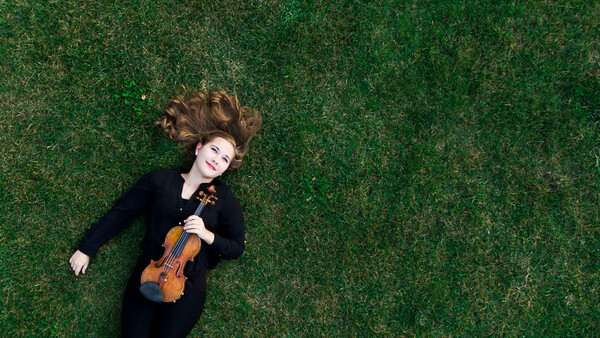
The gear keeps getting smarter, but that doesn’t make photographers better. Here are the timeless skills no camera will ever master for you.
Modern cameras are marvels. Autofocus tracks eyes in the dark, processors stack exposures in milliseconds, and noise reduction algorithms make ISO 12,800 look cleaner than ISO 400 from just a decade ago. It is easy to believe the gear can do it all, that technology has finally lifted the burden of skill. But while computation and optics evolve, the soul of photography remains unchanged. At its core, great photography is still about fundamentals that no sensor, no firmware update, and no AI plug-in can replicate. This is not a rejection of progress. It is a reminder that tools are only as powerful as the hands and minds that wield them. Every new feature risks creating the illusion that photography has been “solved,” but history shows that the essence of the medium survives every technical leap, waiting for the human eye to guide it.
Seeing Light
The first truth of photography is light itself. Cameras measure it, sensors record it, and lenses shape it, but only the photographer interprets it. No camera can teach you how the warm glow of dusk transforms a portrait, or how harsh noon sun carves unflattering shadows across a face. Seeing light means understanding not only its quantity, but its quality, direction, and color. It is the difference between a flat snapshot and an image that feels alive. A beginner may marvel at sharpness or saturation, but seasoned photographers know that light is the ultimate subject, and everything else is just translators.

And light has personality. Morning mist diffuses it into softness, city neon sculpts it into harsh contrast, and stained-glass windows tint it into kaleidoscopes. These moods can’t be captured by sensors without a photographer making the conscious choice to embrace them. Training your eye to notice these nuances is what separates technicians from artists. Without that vision, even the most advanced camera is nothing more than a glorified light meter. Photographers often lean on fast primes like the 50mm f/1.2 not only for sharpness, but because they reveal light’s subtleties in ways slower glass never could: a reminder that gear can only amplify perception, not replace it.
Composition
Autofocus can identify a face. Scene detection can label a subject. But only the human eye decides where meaning lies in a frame. Composition is the language of photography, guiding the viewer’s attention through choices of placement, spacing, and relationship. The rule of thirds, leading lines, negative space: these are tools, but the artistry lies in knowing when to obey them and when to defy them. Good composition is not just about balance; it is about intention, shaping how an image feels and what story it suggests. A tilted horizon can communicate chaos, a centered subject can feel monumental, and an off-frame glance can imply something unseen.
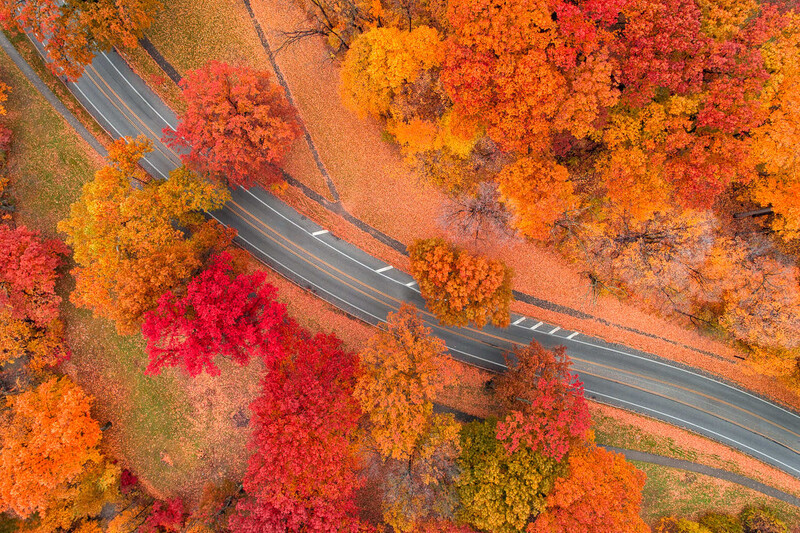
Composition is also deeply personal. Two photographers can stand in the same spot and capture entirely different truths. One might see geometry, the other emotion. This subjectivity is what makes photography art rather than measurement. A machine can only deliver averages; a human eye delivers interpretation. That is why composition remains one of the most sacred and irreplaceable skills in the craft. Some photographers intentionally limit themselves to fixed-lens cameras like the X100VI, because being “stuck” at one focal length forces composition decisions that zooms would have obscured. The constraint sharpens instinct in ways automation never will.
Timing and Anticipation
Henri Cartier-Bresson called it the decisive moment. Technology has tried to brute-force it: burst rates climb higher every year, with cameras spitting 30 frames per second like machine guns. Yet anticipation is not about volume; it’s about intuition. A seasoned photographer reads body language, senses tension, and knows when the climax is about to arrive. Sports shooters know the fraction of a second before the bat makes contact, photojournalists feel the hush just before events erupt, and wildlife shooters sense the instant a predator will leap. Timing is not luck; it is sensitivity, cultivated by practice and presence.
Even with unlimited frames, a missed instinct still produces empty pictures. Timing is about merging patience and speed — knowing when to wait, and when to strike. Sports photographers feel it when a pitcher’s arm coils just before release, or when a sprinter’s expression shifts mid-stride. Wildlife photographers sense it when a bird crouches to launch into flight. A computer can record thousands of moments, but only a photographer can predict the one that matters. Bursts may ensure you don’t miss the technical moment, but they cannot guarantee you capture the emotional one. That skill remains stubbornly human, even in an age of computational precision.
The truth is that anticipation is about connection. To sense the moment, you must immerse yourself in the scene, read its rhythm, and trust your instinct. No amount of algorithmic tracking will connect you to the pulse of a crowd or the silence before a storm. Anticipation demands empathy as much as observation. It’s a skill earned through lived experience, not menu settings. Tools can give you speed, but only your instincts will tell you when to press the shutter at the instant that matters most.
Storytelling
Every great photograph is more than pixels; it’s narrative. Storytelling weaves context, emotion, and meaning into the frame, making the image resonate beyond its technical qualities. A well-exposed but empty picture is forgotten instantly. A slightly blurred but powerful moment, on the other hand, can endure for generations. Photographs gain power not by perfection but by implication: what they hint at, what they leave unsaid. Storytelling is what makes images survive beyond their specs, becoming part of culture instead of just content.
Gear cannot invent story. A face in the crowd, a fleeting glance, a juxtaposition of symbols: these require human curiosity and intent. Computational photography can sharpen detail and correct perspective, but it cannot decide what is worth remembering. That judgment lies with the photographer, who brings their own history, biases, and imagination to the act of seeing. Without story, the most technically flawless images ring hollow. Think of Capa's D-Day photos: technically imperfect, but narratively perfect. No amount of machine learning will ever conjure the human empathy that makes such a frame unforgettable.
And story doesn’t always require drama. Sometimes it is the quiet gesture, the overlooked corner, the ordinary made strange. Photographers who can find narrative in the mundane elevate their work beyond technique. Machines will always optimize for spectacle, but humans can treasure the subtle. Storytelling is where intent eclipses technology, and it’s why photographs matter long after their specs are obsolete.
Patience
Photography often rewards waiting. Light changes, subjects move, conditions align. Patience is the silent skill — invisible in the final image, yet embedded in its DNA. Landscape photographers spend hours on windswept ridges, waiting for clouds to part. Street photographers linger on corners, anticipating human theater. Wildlife photographers endure cold, rain, and silence until the decisive moment arrives. Without patience, most of the world’s iconic images would not exist, because the universe does not always offer brilliance on demand.
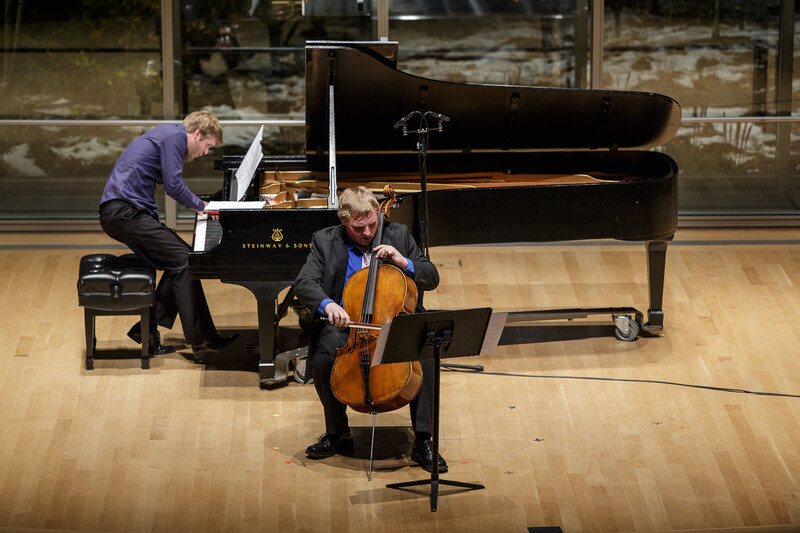
Patience is also what keeps photography tethered to reality. In a world where images can be fabricated instantly, waiting becomes a statement of authenticity. It says: I was there. I endured. I witnessed. That endurance is visible in the work, and it cannot be faked by an algorithm that knows only speed.
Editing Restraint
Editing software is more powerful than ever. Sliders stretch reality, AI fills skies with drama, and filters turn noon into midnight with a click. Yet the most overlooked skill in photography today is restraint. Knowing when to stop, when the image speaks without embellishment, is as much an art as editing itself. An over-processed image might dazzle for a moment but rarely endures. Editing restraint, by contrast, ensures an image remains timeless instead of trendy.
Computational tools don’t care about taste; they optimize for impact. They push saturation, crush blacks, and sharpen edges until everything screams. Restraint, by contrast, whispers. It respects subtlety, letting mood and story breathe. A photographer who edits with intention elevates their vision; one who edits without discipline erases it. No algorithm can enforce that line. Only human judgment can. And restraint has never been more critical, because the temptation to push too far is greater than ever. Knowing when to leave an image slightly raw, slightly imperfect, is often the difference between honesty and artifice.
And restraint is a discipline that extends beyond sliders. It includes deciding which photos to share and which to leave behind, curating with honesty instead of flooding with volume. Machines may generate endless outputs, but photographers must still choose what speaks. In that choice lies integrity, something no software can automate. Many professionals even choose deliberately simple cameras, not for specs, but because the minimalist shooting experience forces them to focus on vision and restraint.
Printing Knowledge
Digital culture has shrunk photography to screens, to glowing rectangles, endlessly scrolled. Printing is often dismissed as old-fashioned, but it reveals truths no monitor can. The translation from pixels to paper teaches lessons about resolution, tonal range, and viewing distance. It reminds us that photographs are objects, not just files. A 40-megapixel sensor might sound impressive, but printing at large scale teaches you whether those pixels hold substance or just marketing. Printing forces the photographer to think in physical terms: what survives ink, what reads at three feet away, what tones collapse when shifted from screen glow to pigment on paper.
Modern cameras boast huge megapixel counts, but few photographers ever push those pixels to their limits. Printing forces us to confront what “enough” really means. It also instills discipline: editing for print means balancing highlights for ink, not just for Instagram. While computational tricks may one day simulate print, the act of creating a tangible object remains a skill rooted in craft, not code. And for many, printing reconnects photography to its original purpose: making images that live in the world, not vanish in the feed. It restores weight and permanence, reminding us why the word “exposure” has always carried double meaning.
Moreover, printing slows us down. It requires the deliberation of choosing paper, size, finish, and framing. It forces intention at every step, and in doing so, it elevates the image. This ritual cannot be replaced by pixels flickering on a screen. It is a reminder that photography is not just about taking images but making them.
Curiosity
At the heart of photography is curiosity. The urge to look closer, wander farther, and see differently. No camera can teach wonder. No software can replicate the impulse to explore a new angle, chase a fleeting shadow, or notice beauty in the mundane. Curiosity is the motor that drives all other fundamentals, fueling the patience, timing, and storytelling that define great work. Without curiosity, photography collapses into repetition; with it, the world becomes endless material.
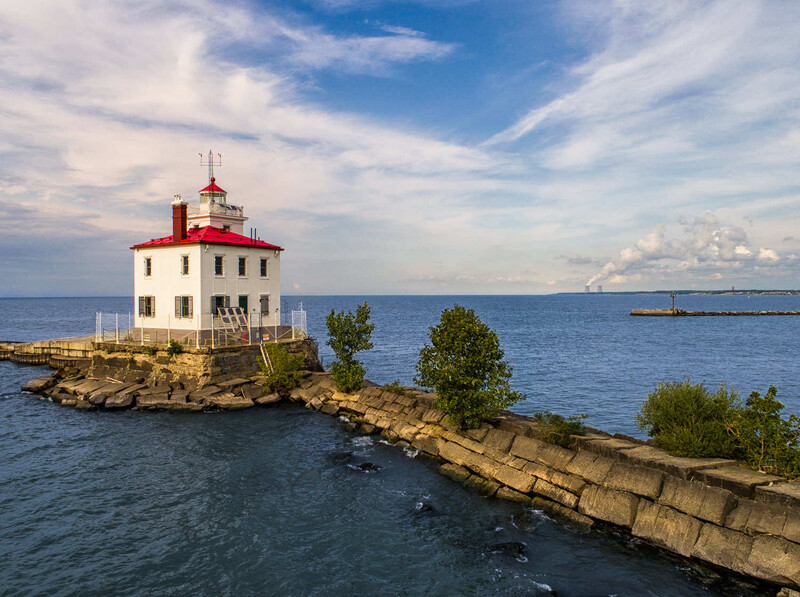
Curiosity is also the antidote to complacency. Cameras will always get smarter, but curiosity ensures photographers stay adventurous. It keeps us learning, experimenting, failing, and trying again. Without it, even the most advanced gear produces only clichés. With it, a disposable camera can yield magic.
Conclusion: Specs Fade, Fundamentals Endure
The future of cameras will be dazzling. Sensors will capture cleaner files, AI will compose smarter frames, and editing software will deliver results indistinguishable from magic. But none of it will replace the fundamentals that have defined photography since its birth. Light, composition, timing, story, patience, restraint, printing, and curiosity: these remain stubbornly human. They are not old-fashioned skills, but enduring ones, and they anchor photography to meaning rather than novelty.





Join the Fstoppers community for free
-
Post comments and join in the discussions
-
Browse the site ad-free
-
Share your work and get featured in the community
-
Compete in the photo contests for fun and prizes
8 Comments
Absolutely true imho.
Very good
Excellent article. Is the picture from the “Patience” section taken in Mixon Hall at Cleveland Institute of Music?
A great article balancing the human drive behind photography with the numerous other articles recently about modern technology... especially those pertaining to computational camera features. It's so refreshing to get back to the basics of what it means to be a photographer. Each of your points could make a nice article by themselves.
One of the finest articles I've ever read about "how" to take photographs effectively during four decades of taking photographs. I frequently respond to questions on the members site for my phone to people asking why it's fairly decent cameras don't give them the pictures they "expect" and after the detail I always say "be the artist yourself". I regularly read fstoppers articles but was driven to join so that I could celebrate this article's accuracy, relevance and importance to anyone who wants to try taking good photographs.
An excellent article that reminds us of the essentials, thank you.
Another thoughtful and well written essay, a real treat. So much better than the talking heads on youtube.
Thanks You for this article!