
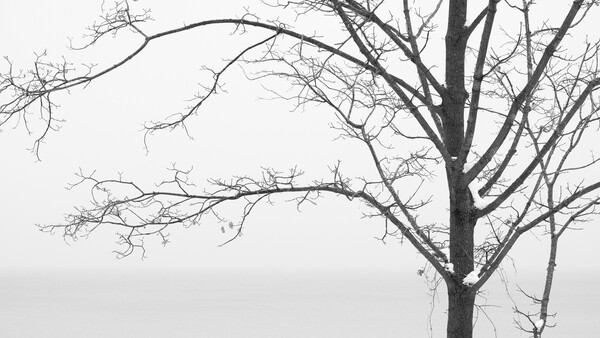
At the end of 2024, I committed to a simple project for 2025: one photo per week, taken at midday, every week of the year. What sounded straightforward quickly became harder than I anticipated, and by the end of the year, it had changed how I think about consistency, pressure, and personal work.
Background
The idea for this project came together slowly. Having watched a webinar about personal photography projects in the fall of 2024, I started to feel compelled to try one. I knew I wanted something structured rather than conceptual or thematic, since that made it more approachable for me. After turning it over for a while, I landed on a single image each week, shot on the same day during a defined midday window. Midday was intentionally broad enough to allow flexibility, but narrow enough to enforce consistency.
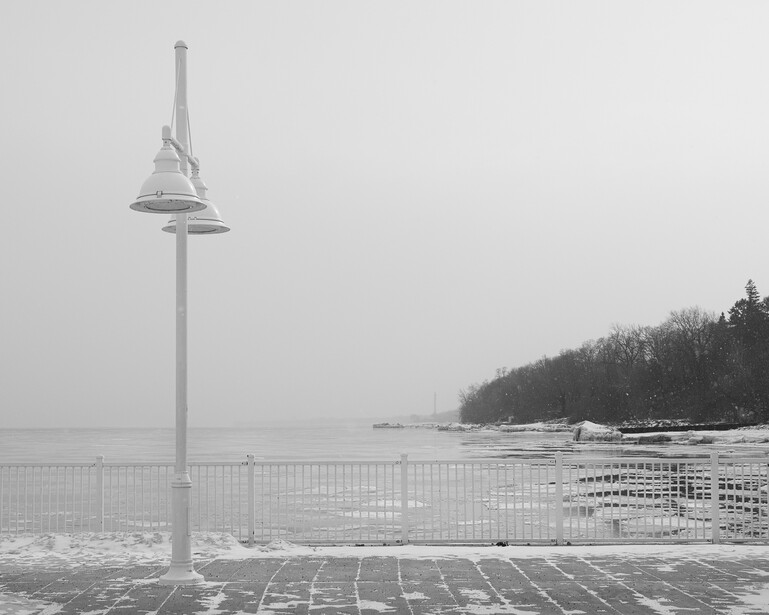
The only true constraint was time. Content was completely open, and didn’t even need to be consistent week to week. Early on, I decided everything would be black and white, partly to simplify decision-making and partly because it suited the range of conditions I might encounter during midday photography. I also committed to a 4 x 5 aspect ratio. It is my preferred crop, and more importantly, it helped the images feel cohesive when viewed together.
Once the constraints for the project were set, the question became simple: How would it actually feel to live with them for a full year?
The Pressure to Produce
With a 90-minute window each week to walk away with “the” photo, there were moments when the process felt less like making photographs and more like producing output. Some weeks I was energized and ready to enjoy being out with the camera. Other weeks I showed up because the calendar said I had to.
That pressure was unfamiliar in my personal work. Photography has always been something I do when the mood strikes or when I have a spare moment. This project removed that luxury, in a sense. If the light was flat or my head was somewhere else, it did not matter. Wednesday at midday was non-negotiable.
At times, that weight felt heavy. I caught myself thinking less about exploration and experimentation, and more about simply not failing the assignment. As the weeks rolled by, that weight became heavier. Walking away from one photo is different from walking away from 30.
The Gift of Constraints
I am no stranger to constraints. I have worked in creative disciplines for nearly two decades, and limitations are often where the interesting and compelling work happens. The difference here was that the constraint was purely temporal. The project stipulated when I had to photograph, but not what I photographed.
Oddly enough, that became a relief. I always knew exactly when I needed to be out with the camera. There was no debate about weather, light, finding spare time, or whether this was a “good” day to shoot. The decision had already been made in advance.
That clarity removed a surprising amount of mental friction. I stopped negotiating with myself and just showed up.
The Motivation Toward Consistency
I have never photographed this consistently. Even during periods when photography was a bigger focus, my planning was still reactive. I went out when the photographic urge aligned with free time.
This project created discipline where I previously relied on motivation. I was out with the camera every single week, regardless of how busy life felt or how uninspired I thought I was. Over time, that consistency reshaped my relationship with the act of photographing. It stopped being a special occasion and started feeling more like a practice.
The Unanticipated Side Effects
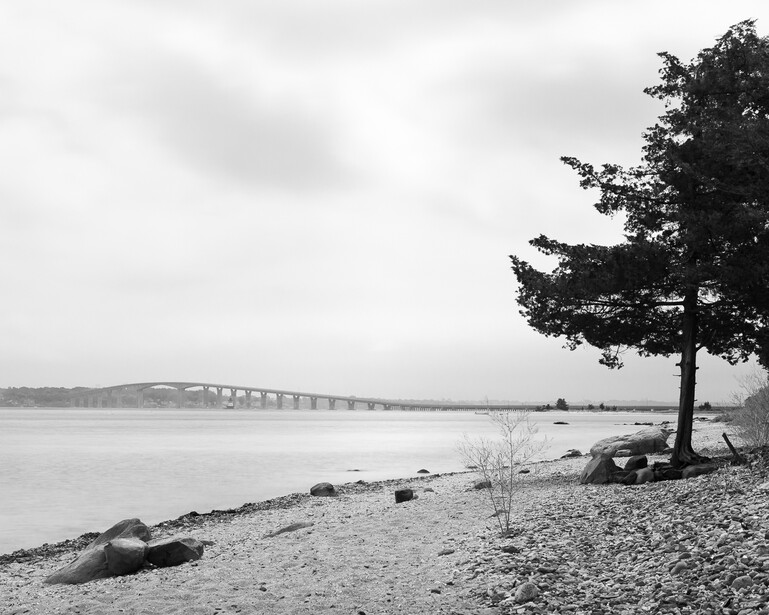
Because of the timing constraint, most of the photographs for this project were taken close to home. Extremely close to home. Just over half came from the same forest preserve about five minutes from my house. Many others were within a 10-minute drive.
Family trips became a bit more complicated. Wednesdays had to be planned around making this photo, since the project constraints still applied even when I was out of town.
The project ended up changing how long I stayed out photographing. Knowing I would be back out within a week made me less concerned with extracting everything I could from a single outing. For the first time, I found myself stopping simply because I felt done—not because I needed to rush off to something else or get back home, but because the work felt complete for that day.
Creative Burnout
This was something I had never really had to manage before. The sheer number and frequency of outings needed for this project, paired with other photography—such as trips and general family time—sometimes led to feeling a little overwhelmed. As a result, I often skipped other opportunities to photograph, like weekend mornings, simply because I was tired.
There were weeks when I felt mentally dragged along by this project rather than energized and driving forward. Editing all the photos added another layer of pressure. I am relatively bad at staying on top of post-processing, but I felt compelled to finish each image quickly so the project could end cleanly at the close of the year. Sometimes that meant editing an entire shoot just to figure out which single frame belonged to the project. Even at one outing per week, that added up. The obligation to keep everything current increased the creative strain more than I anticipated.
A Way of Seeing
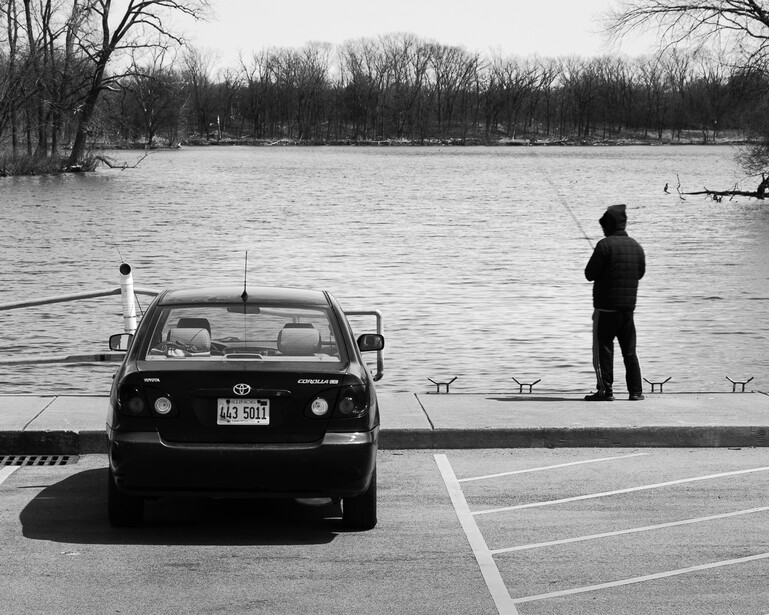
Looking back through the full set of project photos has been unexpectedly meaningful. The images act like markers, showing how I was feeling week to week, even when I did not consciously put my emotions into a given photo.
I can see moments when I was going through turmoil, restlessness, distraction, and calm. I can also see my photography wandering, tightening, and occasionally circling familiar ideas. And while I believe in the quality of each image, as a collection it’s less a pure highlight reel and more an honest record. That perspective alone made the project worthwhile.
Final Thoughts
There were elements of the project that really worked for me. I loved the clarity of knowing exactly when to shoot, removing that decision or question from the equation. I do not think I would have been as successful with a subject-driven project, since it was easier for me to commit to the strict timing. Given this was my first clearly stated and planned personal project, I think a subject-based approach would have paralyzed me and given me too many chances to avoid going out.
Having a clearly defined end date mattered, too. It gave the entire year a sense of direction and focus. While the pressure to produce never fully disappeared, knowing that the project had a clear end date made it easier to handle over time. There was an initial burst of excitement, periods of struggle punctuated the year, and eventually I ended up with something resembling a habit.
My relationship with my photography shifted over the course of the project. I found myself going out more often with an intention in mind, rather than simply to wander and see what caught my eye. Watching that evolution unfold through the finished images was fascinating, even if the nuance is only visible to me. I’m curious if this will become a more habitual aspect of my photography outings, if it will be an occasional element, or if I’ll revert more to simply exploring the world.
And maybe that is the point. The project left me wanting to start another one—another challenge, another way of pushing myself and committing to my photography in a tangible way. So I already have the next one lined up. If you want a structured way to broaden what you shoot while keeping a consistent practice, The Well-Rounded Photographer: 8 Instructors Teach 8 Genres of Photography is a strong complement to a yearlong constraint like this.
Have you ever taken on a long-term photography project that changed how you think about your work?




Join the Fstoppers community for free
-
Post comments and join in the discussions
-
Browse the site ad-free
-
Share your work and get featured in the community
-
Compete in the photo contests for fun and prizes
11 Comments
No long-term projects... but on a couple occasions during the darkest part of winter, I've taken on a project of photographing an amaryllis every day from its budding flower to its last gasp before totally disintegrating, about two weeks. The purpose was to look at something in a different way every day... different camera angle, different camera height, different focal length, different lighting, different background. Gets you in the habit of looking for a composition beyond the obvious. But as far as a long-term project, no, I don't need the pressure, especially of the self-inflicted variety.
Lovely photos Deleted User ! I hear you about the self-inflicted pressure of longer term projects. I've settled on a much looser structure for my next one to relieve a lot of that...and over a much longer time frame as well.
I prefer a loose structure for organizing my day-to-day activities. As in "no" structure. But that's my reward for living to as old as I am. We're all wired a little differently. My wife needs a busy calendar. I need time and space for spontaneity. My photography tends to wander without focus on subject or genre, but that's okay.... no pressure.
Makes sense! And honestly, most of the time I just wander, too. I mostly have myself a theme because I've enjoyed creating a zine (and eventually a book) related to my Midday Wednesday project, and so I want to start collecting material for another one. But day-to-day? I mostly just head out with the camera and see what I see.
An insightful article, Adam. I can relate to the creative burnout part of it, having done a 365-day project once. And your point about shooting close to home more and more rings so true:)
Thanks Craig Boehman ! How did the 365-day project go for you? I'm not sure I could handle that level of commitment 🙂
It was absolutely insane because I set the very naive goal of three street images per day. I did it, but it wasn't always a joy, as you could imagine. What I learned, in hindsight, are the kind of images I don't ever want to shoot again.
Oh wow, that's a lot of pressure on each day! But learning what you don't want to shoot is a positive outcome, at least. Hopefully you didn't burn out too hard, or at least you were able to recover after the 365 days wrapped up.
Hey Adam! Enjoyed the article. Do you have any recommendations for travel photography projects? I typically struggle for theme and come home with thousands of pictures to cull through that are fine enough by themselves, but they are just random photos that tell zero story.
Oh that's a good question, Jarrett Teel ! I struggle this too. I'm putting together a zine from a trip to Vancouver (BC) I took a year ago, which is a collection of images I didn't necessarily create with the intention of creating a story. What I've realized is that they're about the feeling of being back in my hometown area.
So I think some ideas to play with might be around how a place feels for you, or what it means to you. Is it about the history of the area? The landscapes? Unique aspects of the people or culture? Or maybe about all of that interacts with some distinctive aspect like a river. Once you have that north star, the key is to give yourself options for when you're back and pulling the thread of the story together. Get broader, more environmental shots; some tighter, more detailed aspects. For example part of my Vancouver zine is the impact of industry, so I have photos of the exterior of a mine paired with interior ones, along with some stumps and felled trees that collective show the results.
Last thought: It can be worth getting some photos that might not really draw you in at the time. I've realized that if I simply photograph what stands out to me, I miss some of the "connective" photos that can help set the stage, or help to show transition from one place to another. You might choose not to use them if you put together a book of the trip, but I know I've kicked myself for not taking them on a few occasions.
Thanks! I’ve got this week to research the history of places for my next trip.