
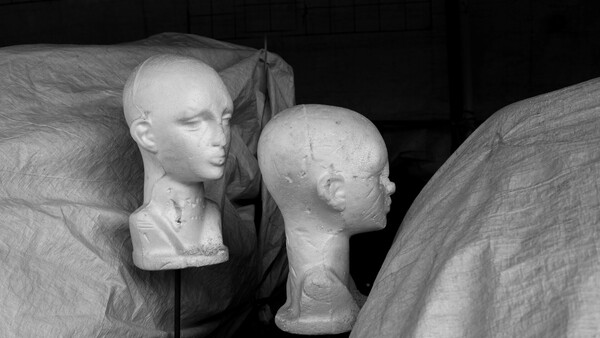
There is a peculiar type of confidence that thrives in photography today, and it usually arrives wearing the expression of a man who has just discovered absolute truth through a combination of autofocus charts, affiliate links, and an aggressively edited YouTube thumbnail. He speaks with conviction about lenses as if discussing racehorses or religious doctrine. One focal length is cinematic. Another is immersive. One possesses "magic." Another is dead on arrival. And somewhere in this increasingly theatrical courtroom of photographic opinion sits the 50mm, quietly accused of the gravest crime modern photography can imagine: being boring.
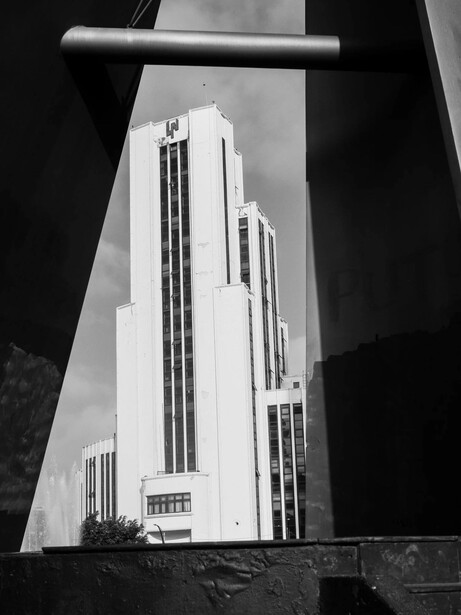
Boring Lens
I have heard this declaration so many times that I no longer argue with it. In fact, I have developed a certain affection for it. There is something wonderfully revealing about the insult, because nobody ever says the 50mm is incapable. Nobody claims it cannot produce professional work or beautiful images. Nobody accuses it of technical failure. The criticism is emotional, almost existential. The lens is judged not for what it does poorly, but for what it supposedly refuses to do theatrically enough.
And perhaps that is where the conversation becomes interesting, because the accusation says far more about us than it does about the lens.
Photography has become strangely addicted to stimulation. Somewhere along the road, perhaps between social media and the industrial-scale production of gear culture, we stopped talking about equipment as tools and began speaking about it as if it carried emotional responsibilities. We expect lenses to provide identity now. We ask them to manufacture atmosphere, originality, and drama before we have even decided what we want to say with a photograph.
The language surrounding photography gives the game away. A lens is no longer merely sharp or practical. It is cinematic. Dreamy. Moody. Aggressive. Clinical. Organic. Characterful. Entire ecosystems of marketing and commentary revolve around assigning personalities to glass, as though we are selecting dinner companions rather than optical instruments.
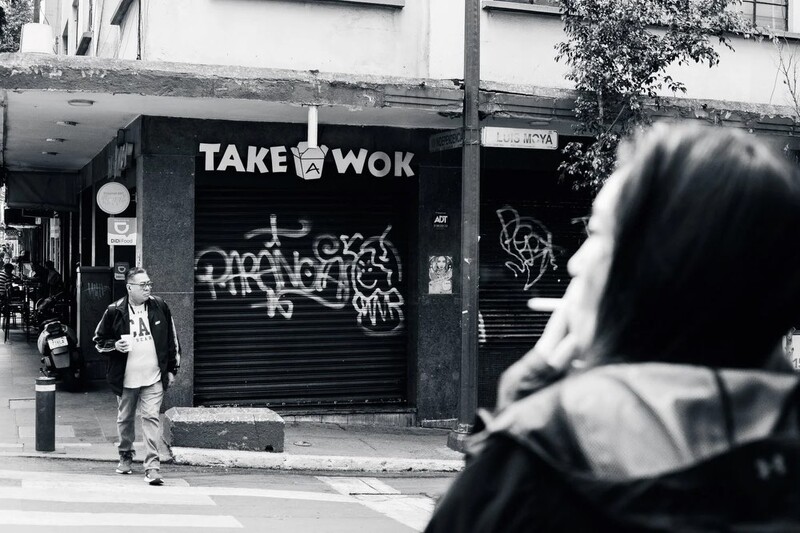
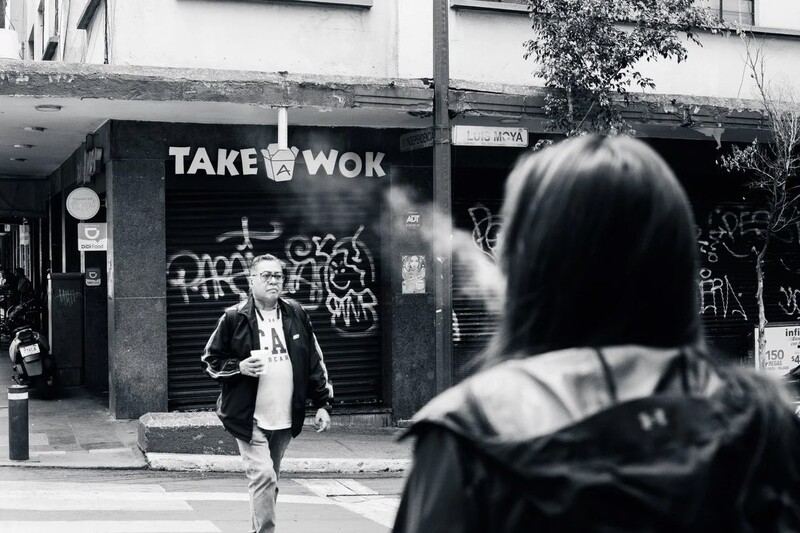
50mm Is Not Special Effects
I understand why this happened. Photography can be intimidating. Vision is uncertain. Taste develops painfully and without instruction manuals. The promise of gear is seductive precisely because it offers certainty where creativity refuses to. Buy this focal length and perhaps your work finally acquires distinction. Mount this lens and perhaps the photographs begin resembling the ones you admire online. The industry understands this desire perfectly and feeds it with admirable efficiency.
The result is that photography occasionally resembles a dating service for equipment, with photographers swiping through focal lengths searching not for utility but chemistry. And this, I suspect, is exactly where the 50mm commits its unforgivable offense: the lens refuses to flirt.
A dramatic wide angle lens announces itself immediately. Stand close enough and perspective stretches into tension. Buildings lean, foregrounds surge, and suddenly the frame contains energy before the photographer has contributed much beyond proximity. Telephoto lenses can be equally seductive, compressing space with cinematic generosity and delivering order to visual chaos from a comfortable distance. There is nothing inherently dishonest about any of this. I use different focal lengths and admire photographers who use them brilliantly. Photography would be unbearably dull if reduced to doctrinal purity.
But the 50mm occupies different territory altogether. It does not arrive with fireworks. It does not distort reality into spectacle or compress it into instant drama. It rarely performs visual acrobatics or insists upon itself inside the frame. The lens behaves with almost suspicious restraint, and that restraint unsettles photographers who have grown accustomed to optics doing part of the emotional labor.
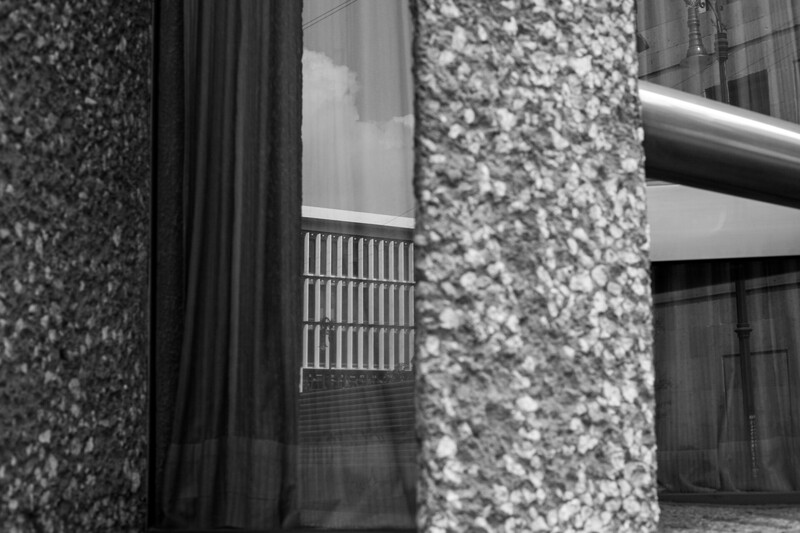
Uncomfortable Burden
The 50mm places an uncomfortable burden back where many of us least want it: on the photographer.
This is perhaps why I have always found discussions about the supposedly boring 50mm mildly entertaining. The complaint often sounds less like criticism and more like frustration directed toward a tool that refuses to flatter laziness. The lens does not rescue weak composition with exaggerated perspective. It does not disguise indecision with optical spectacle. It demands participation. You move. You adjust. You negotiate distance. You enter the photograph rather than observing it from technological safety.
And that requirement, uncomfortable as it may be, is precisely what makes the 50mm such an honest lens. I have often suspected that honesty is deeply unpopular in photography.
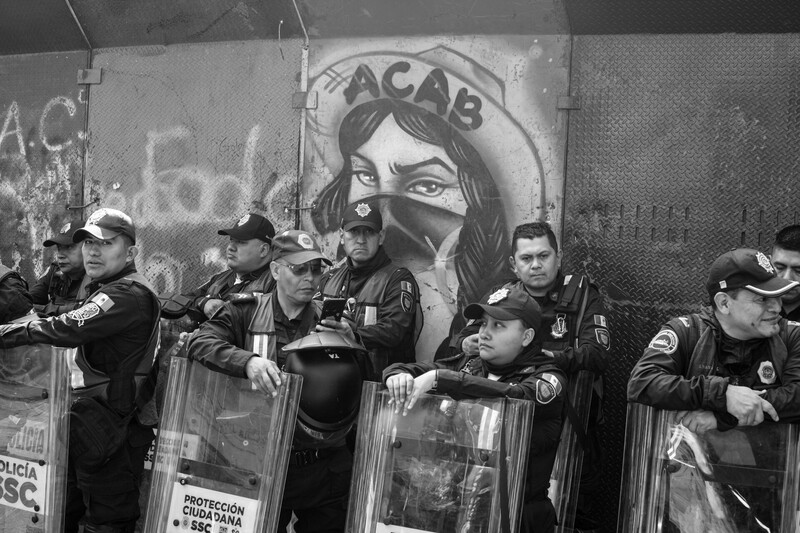
We Prefer Mythology
Photography culture produces mythology with astonishing efficiency. Cameras become legends. Sensors acquire supernatural reputations. Certain lenses are discussed with the reverence normally reserved for holy relics or suspiciously expensive wine. Entire communities dedicate themselves to defending equipment choices with the emotional intensity of medieval territorial disputes.
It is charming, absurd, and profoundly human. I am not immune to it either. I love cameras irrationally. I have purchased equipment with my heart while my bank account filed formal objections. I understand the romance of machinery and the pleasure of holding an object that feels beautifully engineered.
But romance becomes dangerous when it begins replacing responsibility, and the mythology surrounding the 50mm reveals something important about that danger.
People often describe the lens as too normal, which is a curious accusation when you stop to examine it. Normal compared to what? Compared to the increasingly exaggerated visual language dominating online photography? Compared to focal lengths designed to produce immediate impact on small screens where subtlety dies quickly and spectacle survives? The complaint begins to feel suspiciously cultural rather than photographic.
Because the 50mm is not neutral in the sterile sense people imagine. It is merely unwilling to shout, and we live in an age that frequently mistakes volume for personality.
I know this conversation well because my relationship with the 50mm has never been theoretical. I have heard the usual criticisms from photographers convinced that creativity exists somewhere beyond moderate focal lengths. Too safe. Too restrictive. Too ordinary. Interesting, because with a 50mm I have produced work that mattered to me and to others. I have made international magazine covers with that focal length. Editorial work. Assignments carrying pressure, deadlines, expectations, and consequences beyond internet discourse. Not because the 50mm possesses mystical properties unavailable to lesser glass, but because photography has never depended upon excitement alone.
This distinction matters. The camera industry often markets equipment as if photographs emerge from optical charisma rather than human intelligence. But deadlines do not care about mythology. Editors do not commission focal lengths. Real photographic work has a habit of reducing romantic theories to practical realities. The photograph still depends on timing, on proximity, on observation, on your willingness to remain attentive while the world briefly reveals something worth preserving. No lens performs that work for you.
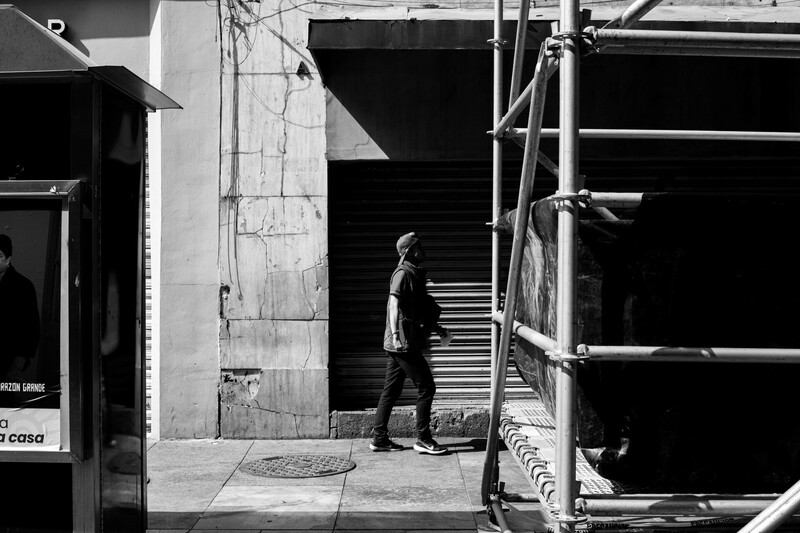
I Keep Returning to the 50mm
There is a brutal clarity to it that I appreciate more with time. Mounting a 50mm feels like entering an agreement stripped of loopholes. No dramatic distortion to manufacture urgency. No flattering compression pretending to be emotional depth. No optical theatrics encouraging me to confuse effect with substance. Just the scene. Just the encounter. Just the quiet and occasionally terrifying question of whether I can make something meaningful without relying on spectacle as camouflage.
This becomes especially significant in documentary and street photography, where the psychology of focal length matters almost as much as geometry. A 50mm neither hides nor attacks. It does not allow the comfortable detachment of long lenses, nor does it impose the aggressive intimacy of extreme wide angles. Instead, it asks for something less fashionable and considerably more difficult: presence. You must stand somewhere intentionally. You must accept physical and emotional distance as part of the photograph rather than avoiding it through optics. That requirement changes behavior, and behavior changes photographs. If you want to develop this kind of intentional presence across multiple disciplines, The Well-Rounded Photographer: 8 Instructors Teach 8 Genres of Photography is a useful place to start.
Too much photography today risks becoming visual tourism, the collection of impressive surfaces mistaken for engagement. We gather atmospheres the way travelers collect souvenirs, producing images that look dramatic while revealing remarkably little about our relationship with the world. The danger is not technological. It is psychological. Spectacle becomes a substitute for intimacy.
The 50mm is inconvenient in precisely the right way because it resists this temptation. It asks you to remain involved. No firmware update can automate that. No lens profile supplies it. Presence must be carried by the photographer, and when it is absent, the 50mm exposes the absence mercilessly.
Perhaps this is why some photographers experience the lens as boring. Not because it lacks personality, but because it refuses to perform personality on command. It behaves less like a special effect and more like a mirror, and mirrors have a nasty habit of revealing things we would rather negotiate around.
Now, before the tribal factions begin preparing ceremonial responses, let me say something obvious. This is not a religious war against wide angles or telephoto lenses. Photography is too rich and diverse for that sort of nonsense. A 28mm can be extraordinary. An 85mm can be lyrical. Different tools serve different purposes, and anyone who treats focal lengths as moral categories probably needs fresh air and less forum participation.
But I do think the hostility toward the 50mm deserves examination because it exposes an increasingly common misunderstanding about photography itself. We have begun expecting equipment to provide artistic identity. The lens becomes responsible for originality. The camera becomes responsible for inspiration. And somewhere in this arrangement the photographer quietly disappears. That bargain never ends well.
The irony, of course, is delicious. While increasingly elaborate equipment arrives carrying increasingly elaborate promises, the supposedly boring 50mm continues doing what it has always done with stubborn indifference to fashion. It makes photographs. Not louder photographs. Not trendier photographs. Simply photographs, waiting patiently for someone willing to bring curiosity and attention rather than expectation.
So yes, keep calling it boring. I mean that sincerely. Call it ordinary. Predictable. Safe. Uninspiring. The insult no longer troubles me.
If anything, I have grown strangely fond of it, because every dismissal reminds me of something photography occasionally forgets. Cameras and lenses are beautiful tools, sometimes inspiring tools, occasionally irrational tools, but still tools. The world remains infinitely more interesting than the machinery designed to record it.
And while photography culture continues searching for personality inside glass, some of us remain occupied with the considerably stranger and more difficult task of finding meaning outside the camera. The 50mm never promised to make that easier. Only honest. For me, that has never been boring.



Join the Fstoppers community for free
-
Post comments and join in the discussions
-
Browse the site ad-free
-
Share your work and get featured in the community
-
Compete in the photo contests for fun and prizes
10 Comments
Spot on! An excellent article.
I know it is highly unfashionable to say so, but 50mm images are closer to having a natural perspective than most other focal lengths. I think, however, many photographers find unnatural perspectives more exciting and interesting. Personally, my preference is sometimes strongly for the natural perspective.
Yes, you are right about unnatural perspectives sometimes can be more interesting for some photographers or depending the result to achieve. I can see how my preference has been always between 35m and 50mm. Despite I worked also with 24mm and 28mm lens and I know how to take advantage from those focal lenght, I can see how a closest vision to the human eye fits better to me. Thank you, Tom!
It has always been call a "normal lens"
Yes, but...for street photographers recently the 40mm is the new 50mm, or even the 40mm is the new 35mm. I am discovering how I love the 40mm focal lenght too, that is a little bit less narrow. New street photographers think a 50mm lens is almost a tele lens, and that is an evidence how depending on the photography genre but also the era we live the perception changes.
As I understand it, for technical reasons, the 50mm on full frame is the cheapest lens to make. That should make it the best value lens in terms of performance per dollar. There was a time when the 50mm was the favoured kit lens, probably for that reason. That it supposedly gave a "normal" perspective was a bonus.
Yes, I think you are right. In Italy is called "cinquantino".
I guess that corresponds to the English, "nifty fifty". It's pretty special that a lens has a terms of endearment in two languages.
Yes, I think we can consider it the corresponding affectionate term.
Excellent article and observations.
Creativity is never about the tools.
This is such a beautifully considered and written piece. Keep it coming!