
Two centuries of photography prove some pictures are timeless, but today photographers are forced to pick a lane. Or are we?
Johannes Brahms’ Sonata No. 1 vibrates from the speakers. Opus 38. I’m told it’s in E minor. Any unsuspecting passersby down below can surely hear it leaching out from these open windows.
His genre may have been classical, but that style sure as hell is Brahms.
The oldest known surviving photograph made with a camera is nearly 200 years old now. It’s a faded pewter plate housed in a massively thick, gold-gilded frame. The image is barely discernible.
I’ve viewed it firsthand at the Ransom Center down at the University of Texas in Austin.
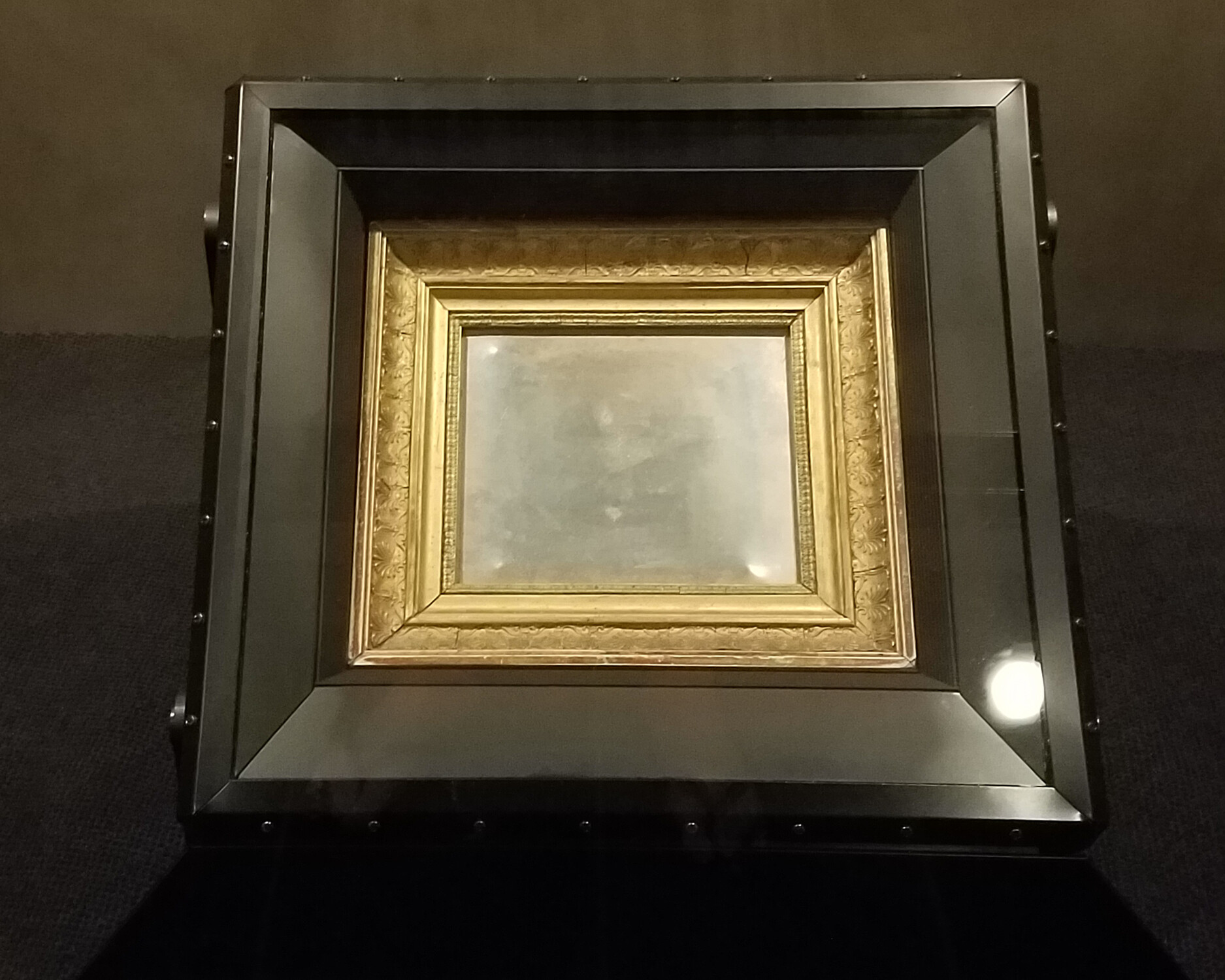
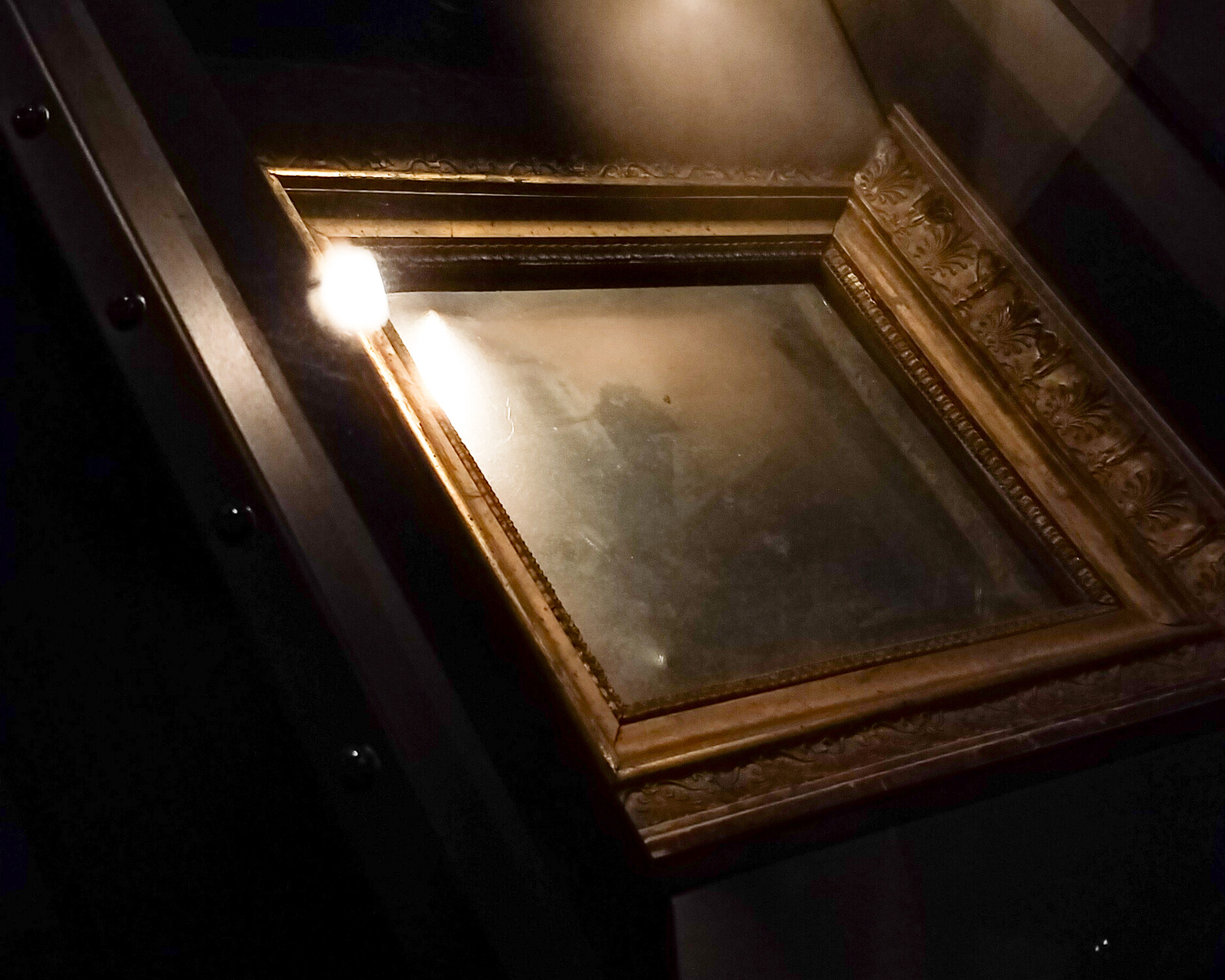
Earliest (known) surviving photograph made by Joseph Nicéphore Niépce, 1826-27. On display at the Harry Ransom Center, University of Texas, Austin, TX.
To be honest, it’s wholly underwhelming. That is, unless you have a good handle on what you’re looking at and what it means to this thing we call photography.
The Wild West
I think about the early days of photography as the “rules” themselves were being written; the Wild West days of full-bore beta testing when the medium itself was akin to magic.
Whether or not those times were better isn’t for me to say, but one thing I certainly notice is that many pioneering photographers photographed, well… anything… everything.
The foundations of photography were laid down by the generalists; they had to be.
I’ve been to Point Lobos and I’ve been to Yosemite. Carmel-by-the-Sea is fine in summer.
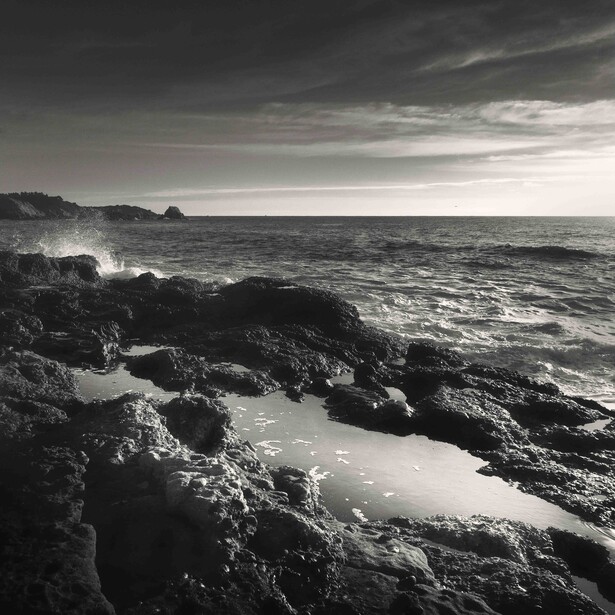
These were the places of Ansel Adams and Edward Weston, of Imogen Cunningham and Dorothea Lange.
Those photographic giants seemed to be taking pictures of as many rocks as they did faces.
You’ll find pictures of Weston’s landscapes alongside his peppers and seashells. Ansel made photos of eggs. Cunningham's lilies occupy the same museum walls as her painterly nudes.
For them, photography was relatively new, and new technologies always find their natural level, eventually.
In light of these savage thoughts, I pose a question for us in our immensely vast photographic world of 2026: is there still a place for the generalist photographer?
The Rise of Genres
All things evolve. Refinements are made. Subsection upon subsection stack atop original ideas and technologies. When it comes to photography, evolution manifests in infinite ways.
Most notably, we see how the fragmentation of the generalist approach to making photographs brought about the rise of photographic genres.
Genres are nothing new, especially in the world of art, visual or otherwise. For photographers, we like what we like and photograph what we like… usually.
In a strictly subjective sense, it could be argued that true expression through photography arises directly through enjoyment or, in some extreme cases, raw creative compulsion.
From this constantly morphing directional pull rose subcategories of a once globular medium.
Make a lot of photographs of the natural landscape? Boom. You’re a landscape photographer.
Take a lot of pictures of people? You’re a portrait photographer.
Find yourself stomping the pavement through the concrete jungle with your camera? Congratulations, you’re a street photographer.
And the beat goes on.
Whatever a photographer happens to have in front of their camera most often must be the type of photographer they are, yes? This is an enormously dangerous idea. It’s a quiet danger, and it’s slow and creeping, but it’s real. I’ve seen it.
I’ll say it now and I’ll say it as loud as a keystroke can speak: the easiest way for a photographer to lose interest in the craft they once loved is by thinking they have to shoot within the ring of a singular genre.
Photographic genres themselves are absolutely wonderful; they are self-chosen and wholly natural offshoots of a love that most photographers can’t verbalize. That’s why we make the pictures.
However, the trap opens when we feel as if our pictures must be made within a particular genre simply because that’s what we’ve done for so long.
This is not to say an absolute juggernaut of a wedding photographer should be expected to throw away a booming business because one morning they wake up feeling like photographing rocks in the moonlight.
As someone who cut their teeth covering weddings three lifetimes ago, I simply don’t know how you noble heroes do it. My hat is off to you all.
The point to be clamped onto is that you are allowed to make photographs of anything, everything, whatever you want, even if that goes against an established brand.
For a broader exploration of working across photographic disciplines, The Well-Rounded Photographer: 8 Instructors Teach 8 Genres of Photography examines eight different genres through eight instructors.
How public you wish to make that deviation is wholly up to you. Big fires still catch from the smallest sparks.
Saturation… No, Not That Kind
Modern market saturation can make it feel nearly impossible to “be” a photographer. The reason: there are so, so, so many of us out in the world now.
It’s a weird sensation to be part of a profession, or an obsession, that has become so widespread among visual mediums.
A camera is a camera is a camera, and if the chisel chooses its stone, then it must be the same for photography. Right?
Yes? No?
Not every person with a brush is a painter, but anybody with a camera is a photographer. It’s an interesting thought.
High-grade digital cameras and lenses, at least from a standpoint of relative quality, ease of use, and affordability, are seemingly more attainable than ever.
My first DSLR was a Canon EOS 7D spitting a whopping 18 MP. I shot professionally with it for over three years. Today, my Sony a7R III packs 42.4 MP along with more technological wonders than I could have imagined 16 years ago.
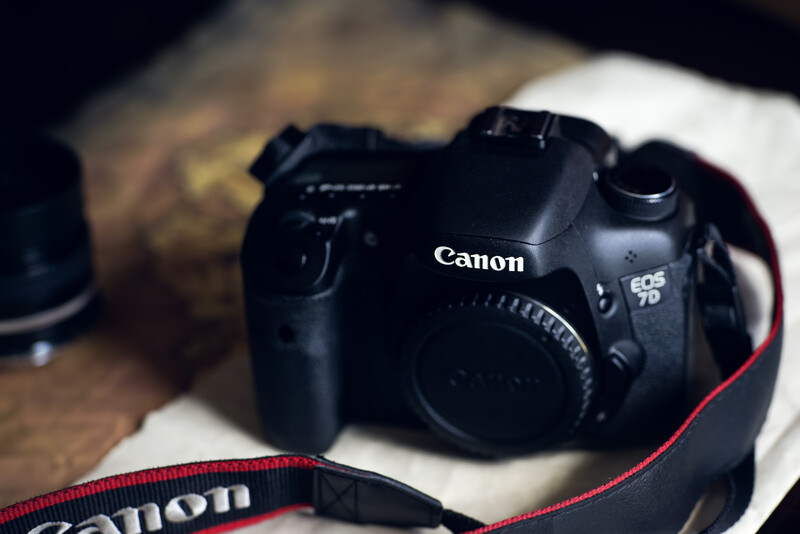
I paid roughly the same price for both cameras. Now, even my Sony is considered antiquated by some lofty standards.
Cameras that might have been the cream of the photo-making crop in terms of professional accoutrements a dozen years prior now pale next to even “consumer-grade” systems.
I suppose these things happen, but I see far over the horizon into the light and the darkness of such accessibility. A camera in every hand lends itself to marvelous and terrifying potentials.
In whichever direction, the ultimate outcome ends with the generalist choosing where to presumably nest their photography for all time.
We are left with a genre to pick, a brand to tailor, and a course to choose out of sheer need for survival.
In this wide world of photography we occupy, is there any room left for the photographer who shoots everything? I know there used to be, but these days the answer is less definable.
Is that even the question we should be asking? Or perhaps a more accurate query is whether or not the generalist photographer has evolved into the “hobbyist” photographer?
The craft is the same, the tools are the same, but somehow the title has morphed into something less than professional.
If a photographer shoots a real estate listing on Monday, a maternity session on Tuesday, then wraps the week at the base of a local waterfall on Friday, are they a professional generalist, or are they a commercial photographer who dabbles in portraits?
You Are Unique, Just Like Everybody Else
There’s something to be said about being first. One could argue that functioning as an originator, albeit imperfect, counts as much as being a more efficient practitioner later.
Given enough time, what was once fresh and new can become stagnant and ordinary. This is a problem faced by many artists and creative types, especially photographers.
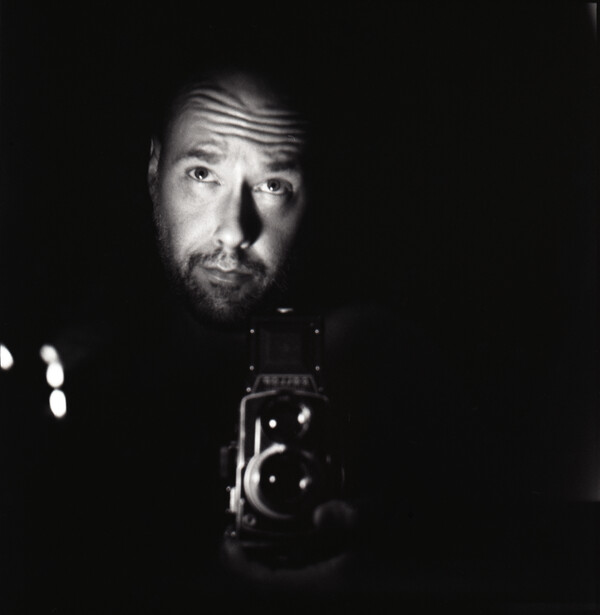
Perhaps that’s what lies at the heart of the question concerning the uncertain place generalists find themselves in today: the necessity of being viewed as unique, or at least presenting yourself as such.
Be it through sheer luck or earnest effort, arriving first in line at the onset of any artistic medium often proves beneficial, at least in the long run.
Unfortunately, this doesn’t mean that each new idea will start a movement, yet a select few can when gifted enough time to stew. Van Gogh might have an opinion on this.
There was a time when a stable, visible, reproducible photograph was a feat unto itself, subject matter be damned. In the beginning, everyone was a generalist because being a generalist was all there was; uniqueness baked into every plate, every frame a new experience because the act of making a photo was precisely that: new.
Have some of us lost sight of that childlike joy in making pictures?
Generally Speaking
Brahms is winding down. It’s raining now, but the windows are still open. The music creeps between those early-morning drops.
I am still a generalist photographer. There’s nothing else I feel right being because that’s how I started.
My earliest photographs weren’t made because I was dying to work, and they weren’t born from some injected desire to fit into a category, not at first anyway. I just felt the music in everything around me, and a camera felt right for sharing what I felt with other people.
Nothing else mattered. I suspect some among you feel the same.
Regardless of where you happen to be in your own photographic trip through life and no matter how long you may have been on your particular road, I urge you to allow yourself to become a generalist again, if only briefly.
It doesn’t matter if you’re a career professional or simply enjoy making pictures with your phone.
Lean into those hard corners. Remember to reserve some fuel for what you truly enjoy from time to time. It’s why most of us started and why many of us continue to sling these cameras.
There’s still room.
Join the Fstoppers community for free
-
Post comments and join in the discussions
-
Browse the site ad-free
-
Share your work and get featured in the community
-
Compete in the photo contests for fun and prizes
12 Comments
Excellent observations. The world, however has changed quite a bit. The times when photography was a hobby and - if you became really good at it - you could turn pro and sell photographs to whoever wanted a picture of themselves or some other thing.
I have always been a bit sceptical of photography schools, because I value a person's true motivations and interests outside of photography higher that some kind of formal education on technicalities or formalities of the image making process. If you are a marine biologist you sure could become a great marine photographers. The same is true for dedicated rock climbers, soccer enthusiasts, classical ballet nerd or what have you. You better be a romantic person or someone that can truely relate to brides in order to be a great wedding photographer. etc.
Search algorhythms and social media reward a clear positioning in the market. If you do some landscape, some weddings and some business portraits, you will never be one the first couple of pages of the search, at least if you do work in a metropolitan area.
The only question that is left, is how narrow your specialisation has to be. Can you offer business-portraits and business events on one website? Or do you need to specialise in "on location-portraits for lawyers"?
For most, I guess, it is a sensible idea to either have multiple websites for multiple genres or have just one genre that you promote in public and then - once people have booked you for your speciality - tell these people that you can take care of all of their photographic needs.
You've hit on some extremely interesting points here, Frank. Foremost being the need/un-need of formal photography training. I suppose really, that too is an evolution of the craft. So much information is available now that a person truly can self-educate themselves from incredibly knowledgeable practitioners.
I suppose an overarching idea of this piece is the notion of essentially niche marketing, it's benefits and it's drawbacks. Hell I sort of wish I would have included more on that end.
I greatly appreciate the comment.
“Is there room for a generalist photographer?” There must be, because that’s what I consider myself. About the only criteria I have is “outdoor”. As a non-professional who only posts to antisocial media, I take pictures to please myself - as a means of being more mindful about what I’m walking through when hiking. My pictures may or may not be crap, but they’re honest.
Always something to be said about an honest photograph, man. I've caught myself a few times advising people that if you truly produce the photographs you want then it's impossible to make a mistake.
I am living proof that it is indeed possible to make MANY mistakes producing the photos that you want - hence my two step editing workflow: “Select All” -> “Move to Trash”.
I started taking photos as a means of getting out of my own head and actually seeing what’s around me. Since I am taking photos of whatever subject catches my interest, it kind of means that my photos are generalist by their inherent nature. (Some might call it “schizophrenic”)
I have the freedom to do that because I am not a professional whose income depends on people buying what I’m selling. I am also not chasing “likes” on social media.
So I guess that makes me a narcissistic jack-of-all-trades-master-of-none who lives in his own bubble, but dammit, I like it here.
As an amateur I think it’s the case that if your output is varied in theme it’s hard to get any sort of traction on social media. Probably even more so for professionals. But it must be so dull ploughing one furrow endlessly. You mention Van Gogh. How about Picasso. Endless creativity in a multitude of styles.
Very true. And I mentioned Van Gogh in the context of him (at least for the most part) finding no wide recognition during his lifetime... and also his excusing himself from a pesky ear haha
In a relatively small city, social media and search engine rankings are far less valuable than referrals and community involvement. Too much sales and marketing advice is written as a one size fits all, but that's not necessarily the way things work. It's not unusual to sell business headshots and decorative wall landscape photographs to the same customer. And then they might ask for you to do a family portrait, or photography of his 73 Corvette. Just say yes. Photography is not terribly difficult. With a little imagination you can diversify your skills. You don't have to be the best at every genre.
Some big concepts you bring up here. The pros and cons of boots on the ground marketing, the conversion of the social media slop factors to real money, and especially the notion of what it means to specialize and the power of saying 'yes'.
You really hit it about the size of the fish bowl playing an enormous role in the dynamic as well. I'm currently settled in a map dot North Carolina town. Just had a conversation with a friend of mine who truly pounds the pavement around here sniffing out photo jobs. He ranges from weddings and engagements to still life and landscapes to video spots for local restaurants. For me, I'd rather take a spoon full of Drain-o. However, the leg work and being a flexible camera hand breeds great opportunity when word of mouth is the commercial juice grinder.
I think of the great Mitch Hedberg's bit about people asking him to write screenplays for TV since he was a standup comedian. "Oh, it's like if I worked all my life to become a really good chef, and since I'm a really good chef somebody comes along and says that's cool, do you farm?"
A lot of truth in that.
I'm sure some people, especially wedding and senior portrait photographers, leverage Facebook to get work. That would be my drinking Draino moment. Virtually everything about social media is repulsive to me, but I started my business before the internet was invented, so I feel perfectly comfortable walking into businesses around town and introducing myself. The enjoyable part is that I always carry a few really good prints with me, and nine times out of ten, they're a great conversation starter. Kind of like third grade show and tell... no more difficult than that. I'm really sort of an introvert, but I'd much rather be out and about talking photography than sitting inside an office all day.
I think statement only applies to a professional photographer, and as @Edward Wayne mentioned, market size drives your ability to specialize. A number of years ago when I shot professionally (on film) I was able to specialize because I lived in a large market. A good friend and fellow photographer became a generalist when he and his wife moved to a much smaller market. If you are not doing this for money then take pictures of whatever you want.