
Hunter S. Thompson is certainly one of my references — not because he ever cared about photography, but because he understood something most photographers avoid.
Thompson wasn't just a journalist. He was the fracture inside the story, the man who erased the polite distance between observer and event and replaced it with something far more unstable. Gonzo wasn't a style. It was a position. A refusal to stand outside. He didn't look at the world — he entered it and let it deform him.
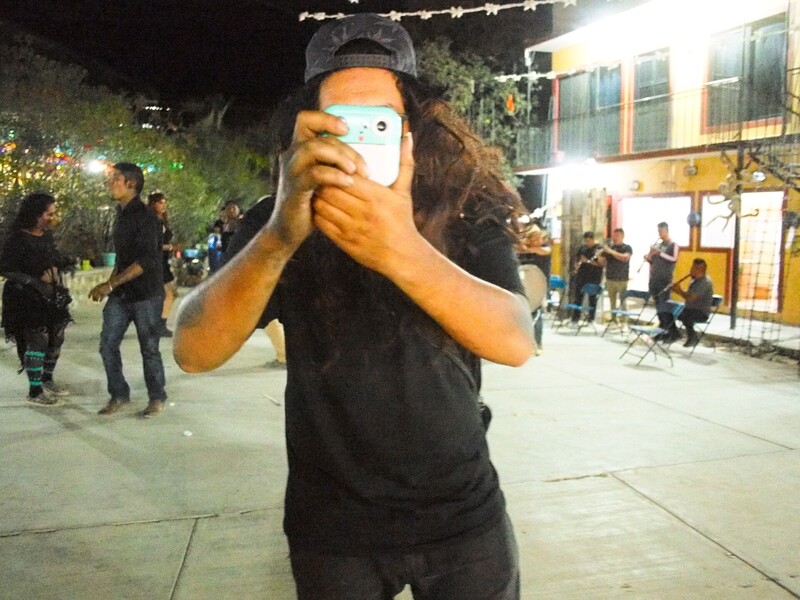
There is a quiet fiction that runs through photography: that you can be present without being involved, that you can witness without consequence, that you can take without giving anything back. It's a comfortable idea. It keeps the photographer clean — too clean. That way you are not dancing with reality, and you can feel it through the photos, because you are not involved, you are not in the game.
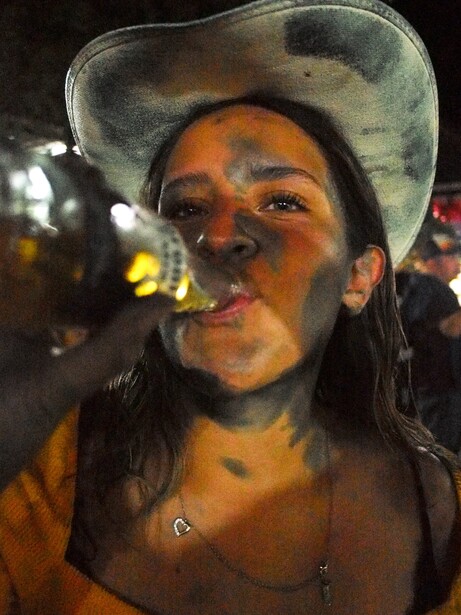
I've felt that distance more times than I'd like to admit. In the streets here in Mexico City, there are moments that seem to offer themselves easily — light falling in the right place, bodies aligning, a gesture hanging just long enough to be taken. You raise the camera and take the picture. Later, looking at it, you realize something is missing — not technically, not formally, but something human has been kept out of the frame. Or worse, kept out by you. I can see that happening a lot of times. It happens when you are not really engaged and you are making photos only as a stylistic exercise.
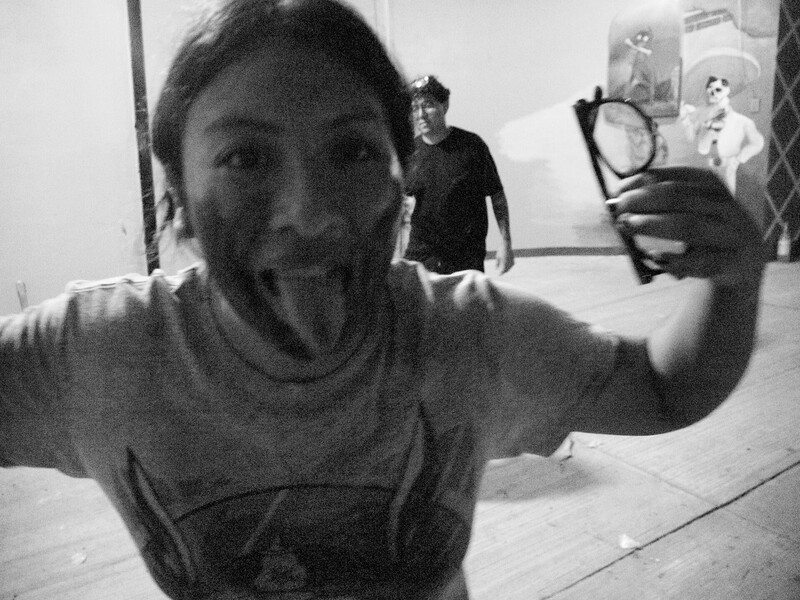
Thompson would have called that out immediately — not as a failure of skill, but as a failure of position. Because where you stand is never neutral. It is a declaration. And most of the time, photographers choose the safest version of that declaration: close enough to extract, far enough to remain untouched. A perfect distance for producing images that work and say very little.
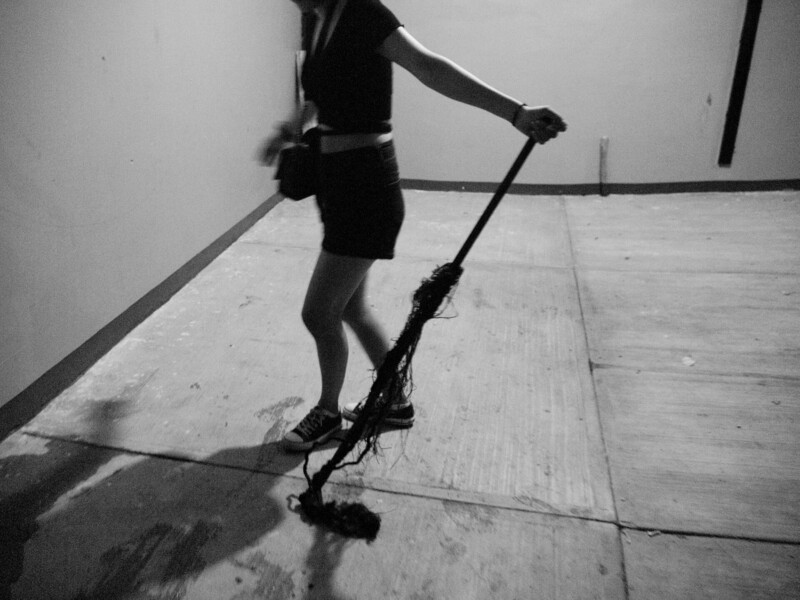
There's a particular kind of image I see everywhere now: confident, composed, visually resolved. It circulates well, gets approval, fits. But it doesn't linger, doesn't disturb, doesn't leave a trace beyond its own surface. It feels like a photograph that has already agreed with its viewer — the photographer was in the scene, but only to photograph, not to participate.
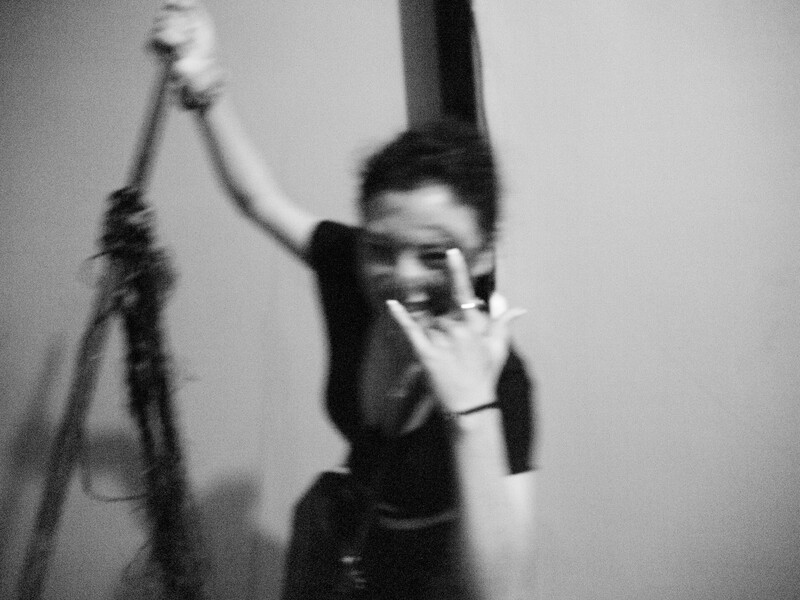
Thompson never agreed with anyone. Not even himself. His writing moved like something slightly out of control because it was built from inside the experience, not from a safe perimeter around it. He didn't translate reality into something digestible. He made you deal with it on his terms. That comes at a cost, and it always does.
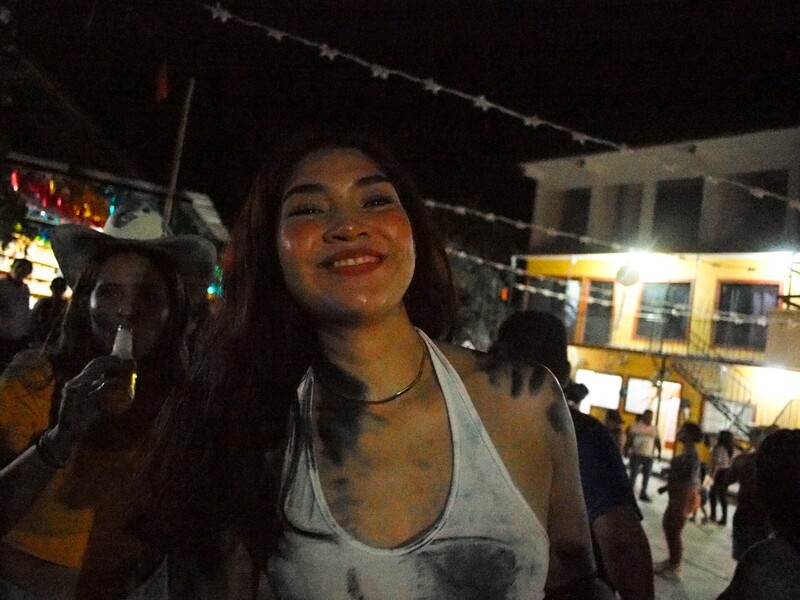
Photography, on the other hand, often negotiates. It smooths edges, removes friction, and frames the world into something that can be consumed without resistance — even when it pretends to be raw. Especially then.
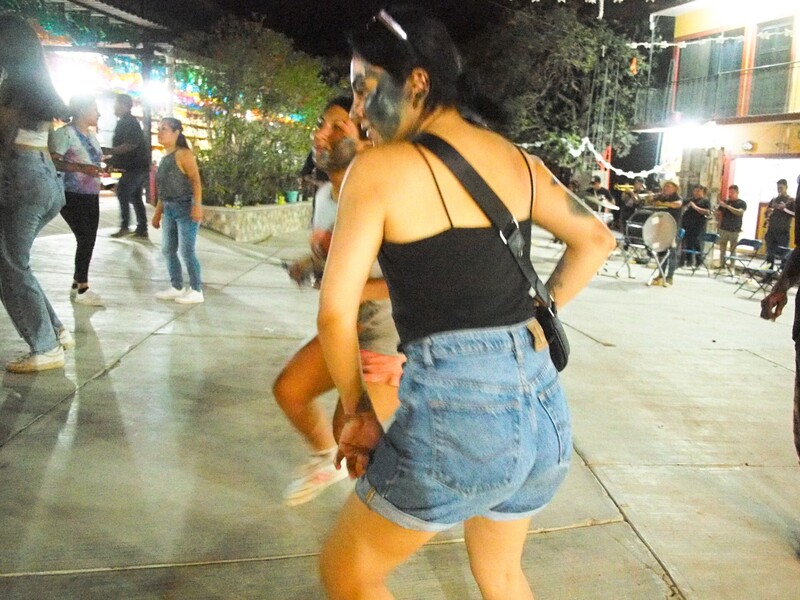
So the question is not whether photography can be more "honest." That word has been stretched to the point of meaning nothing. The question is whether you are willing to be affected, to let the situation alter you before you turn it into an image. Because if nothing touches you, nothing passes through the photograph.
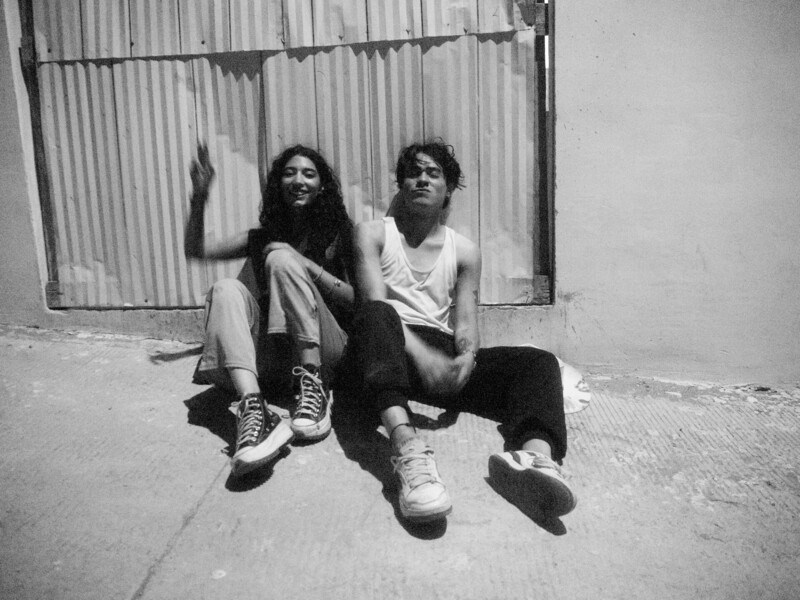
This is not even about getting closer in a physical sense. You can be one meter away and still be absent; you can be across the street and fully inside what's happening. Distance is not measured in steps — it's measured in risk and what you are willing to do to really get into the reality of the situation around you.
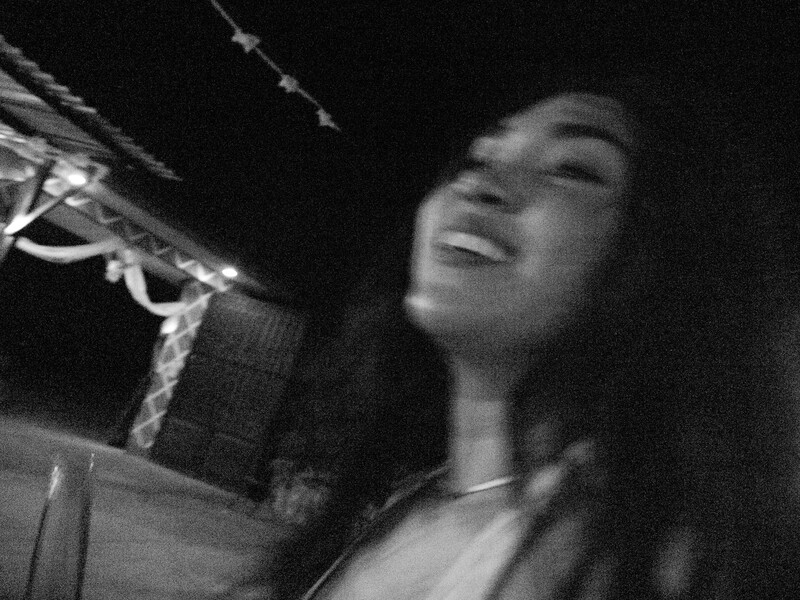
What Hunter S. Thompson leaves behind is not a method — it's a tension. A reminder that every act of observing is also an act of positioning yourself in relation to the world, and that position carries weight whether you acknowledge it or not. Most photographers try to minimize that weight, reduce it, neutralize it, make it invisible.
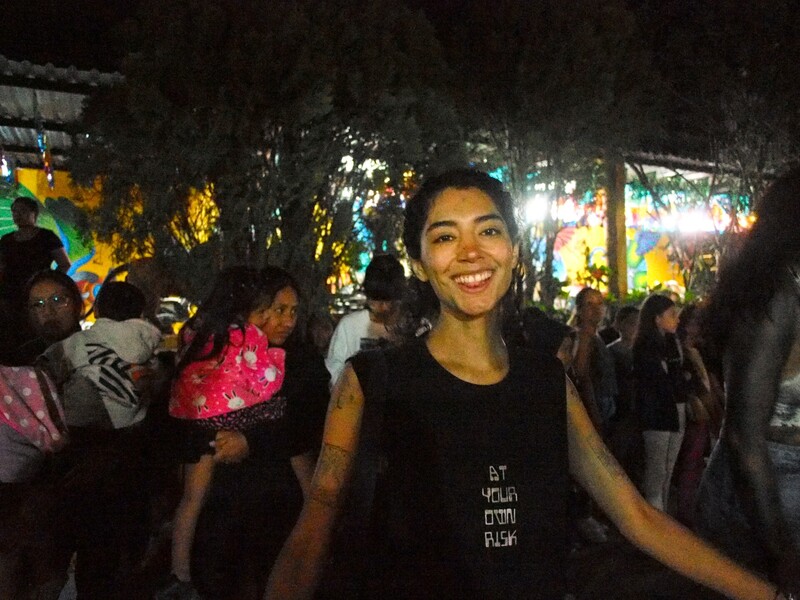
But maybe that's exactly where the problem begins. Because the moment you disappear completely, so does your point of view. And what remains is an image that could have been taken by anyone — or worse, by no one in particular. Photography is about taking a position, especially in documentary photography.
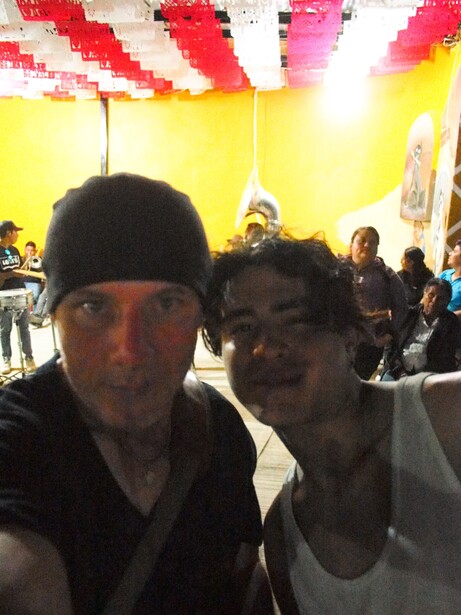
I'm not interested in safer photographs. I'm interested in photographs that feel like they had something at stake when they were made — even if that stake is small, even if it's barely visible, but real. And that, more than any camera, any format, any technical decision, is where the work either starts to breathe or quietly dies.

8 Comments
It looks more like snappers than planning and thinking about. Just a munch of people having fun enticing other to do the same, like you hold a camera up and all just want to show off a face or what is being done.
Look today it should be about the fun times but the times people work to make the extra $ to have fun. Remember the show Dirtiest Jobs filed with non college educated people. Also the kids of the 50's/60's maybe 70's had things like paper boys, mowing lawns with those spinning blades, bag boys, and girls learning to type but remained low on the pay scales. How about some photos of kids now grown up and at 30 or 40 still at home with Mom and Dad who still bust it to keep all still taken care of.
It all started when mom or someone picked up the pacifier and gave back to the baby and later a key to a car that is new or nearly new and even paying for insurance and gas those last years of high school. Then it comes to a job hunt and when on a job they can not stay off the social media, before their was no phone till getting home from work then the calls came asking one to buy while eating then most tv time BUT for the money makers out again doing something for some green backs.
At 10 I was selling Krispy Kreme Donuts door to door and cutting grass with my two brothers and many other things when 11 my dad got me a car from a junk yard with a valve cover full of grease a motor to tear apart and I had to work for the money to repair it like a week end working at a hotel janitor or week nights, gas money working at a gas station or fast food diner I learned to cook also. I was a Air Force brat of the 50's to 70's dad in Vietnam 5 tours I was the oldest of 4. I got money work in many places but with 40 moves and 30 schools i was always looking for the green and with help from Great Uncles of WW2 and their connections I got work in factories but even with Vietnam still going went Navy as a a Aviation Electronics Tech a fast advancement.
I was lucky or blessed whatever but the drive to do vs ride. Those are the photos that will help the young today to find a calling, make a set of job photos hard and easy but places to start not all the fun and games. Please bring back the want to work and not living in a house with four or more or even an apartment it is no different on a ship with 50 or more with three high bunks working some days more than one day. As a photographer a few images of things and not play or disaster to bring ideas!!!!
I understand what you mean, and honestly I think your comment touches something important: the dignity of work, responsibility, and the value of earning your place in the world. My article wasn’t meant to celebrate passivity or empty distraction, but rather to observe a certain chaos and hunger that has always existed in people and in society. Hunter Thompson looked at America from inside the madness, not outside of it.
What you describe though, the stories of labor, sacrifice, learning skills young, building character through work, that is also America. And yes, it deserves to be photographed too.
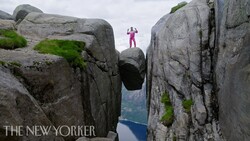
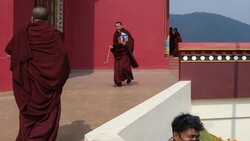
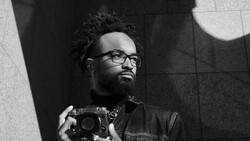
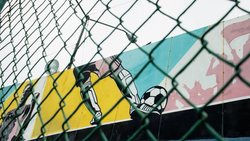
About my photos here: I need to give photos supporting the article...in some way...I am not making the portfolio here. If you want you always can take a look to my officla website alexcoghe.com that is always the best way to introduce myself.
Alex, there is certainly a style, a closeness / connection to your images. A feeling of being more than a witness - more like a co-conspirator who took a moment to step back and make an image. I think Hunter would appreciate this.
Thanks a lot, John!
What is a "professional street photographer?"
Hahaha, don't look at me for that. I didn't make the biography there. Maybe it helps you my real biography in the account that is a small: Documentary & Editorial Portrait Photographer.
Based in Mexico City. Working worldwide. To put it clear to make a living I am an editorial photographer, published in international mags. I hope this helps.
Thanks for the clarification. "Professional street photographer" might be the ultimate oxymoron.
I agree. Yes, a street photographer can yet raising money with his work (prints, books, workshops) but is very hard to do that, only that. Sometimes I even get hired because art directors requiere that "street style" but I am a documentary photographer. That is also funny because exactly because sometimes I play with that "street photography" definition thing and the street photography circle doesn't really get my photography. Currently street photography became visual jokes and funny stories, more and more even unrespectful and I don't feel connected with that at all. I have tattooed on my left arm "street photographer" because I think that more than a genre street photography is an essence and a way to experience photography. most of the time I find myself in a street and not in a studio, and to quote Joel Meyerowitz: there are two kinds of photographers, the ones going to a studio, and other going on the streets.