
One of the biggest changes in my photography did not come from buying new gear, learning a complicated editing technique, or traveling to better locations. It came from something much simpler. I stopped relying on the idea that I could fix everything later in editing.
That habit creeps in slowly for a lot of photographers. Modern cameras are excellent, Raw files are flexible, and editing software is more powerful than it has ever been. Because of that, it becomes very easy to stand in front of a scene and tell yourself that small problems do not matter. The exposure is slightly off, but it can be adjusted later. The composition is not quite right, but it can be cropped later. The colors feel strange, but white balance can sort that out afterwards.
I worked like that myself for a long time.
At first it felt efficient because it allowed me to move quickly in the field. The problem was that I started bringing home photographs that needed rescuing rather than refining. Editing sessions became longer, consistency became harder to maintain, and perhaps most importantly, I was not really improving as a photographer. I was improving at correcting mistakes instead.
That eventually forced me to rethink how I approached landscape photography altogether.
Getting it right in camera is not about avoiding editing. I edit all of my images and I always will. Editing is part of my workflow and part of my creative process. What changed for me was understanding that editing works best when it supports a strong file rather than trying to save a weak one.
Once I started approaching photography with more intent while standing in the landscape itself, everything became more consistent. My editing became faster, my images became stronger, and I started trusting my own judgment far more.
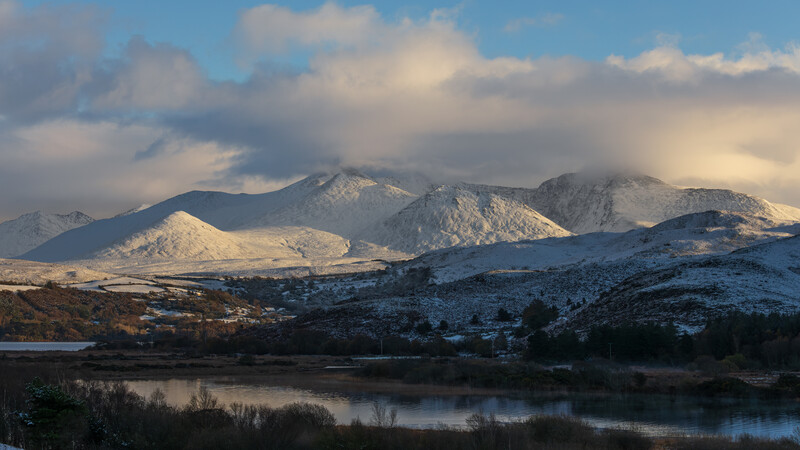
The Problem With "I'll Fix It Later"
There is nothing wrong with using editing software. The issue begins when editing becomes the plan rather than the final stage.
I noticed this particularly when shooting difficult conditions along the Irish coast. If the weather was changing quickly or the light was developing fast, I would sometimes rush the process because I did not want to miss the moment. Instead of slowing down and checking the frame carefully, I would convince myself that small issues could be solved afterwards.
Sometimes they could. Often they could not.
One of the hardest lessons to learn was that editing software still depends entirely on the quality of the information captured by the camera sensor. If detail is not there to begin with, there is only so much software can do.
Blown highlights are probably the best example of this. I remember photographing a sunrise scene where the foreground exposure looked fine on the back of the camera, but the brighter parts of the sky were completely clipped. At the time I assumed Raw recovery would solve it later. Once I got the file onto my computer, the reality was obvious. The color and texture in those highlights were gone.
The same thing applies to shadows. Underexposed files can often look acceptable on a camera screen, but once you start lifting shadows heavily in editing, noise appears quickly and tonal detail begins to fall apart.
Cropping is another area where I learned this lesson the hard way. There were images I liked compositionally, but because I had framed them poorly in camera, I had to crop heavily to make them work. Online, those files often looked fine. Years later, when revisiting older work or preparing prints, the lack of resolution became very noticeable.
That was when I started understanding that getting things right in camera was not some old-fashioned photography philosophy. It was simply a more efficient and sustainable way to work.
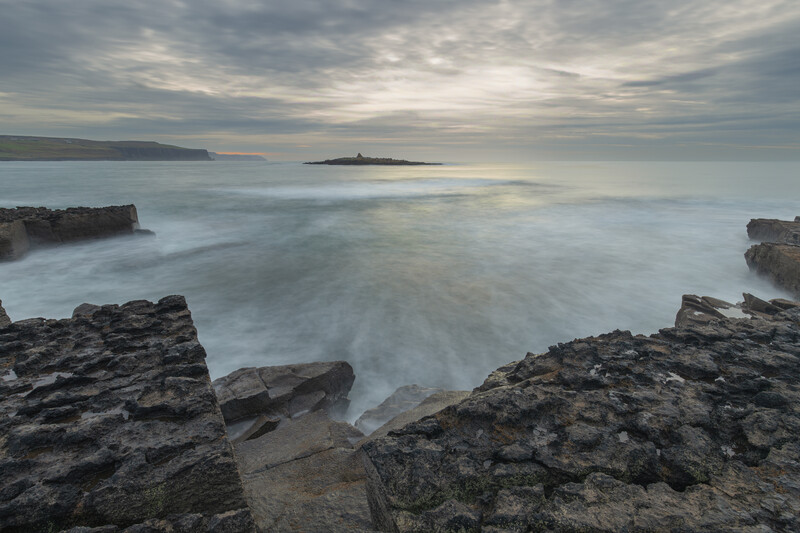
Intent Changed Everything
The biggest shift for me came from asking a different question while shooting.
Instead of asking myself, "Can I fix this later?", I started asking, "What do I actually want this image to be?"
That sounds simple, but it changes how you approach every decision in the field.
Exposure becomes more deliberate because you are protecting the parts of the image that matter most. Composition becomes more careful because you are thinking about the final frame rather than relying on cropping afterwards. Focus placement becomes intentional instead of rushed.
Even color temperature started becoming something I paid more attention to while shooting.
For years I left white balance on auto for almost everything. It was convenient, but I began noticing inconsistencies between images taken only minutes apart. Sunrise and sunset conditions especially would shift unpredictably depending on what colors dominated the frame.
Once I started setting white balance more deliberately, my files became much more consistent. Raw files still allowed flexibility afterwards, but the starting point was far closer to what I had actually experienced in the field.
That reduced editing time massively.
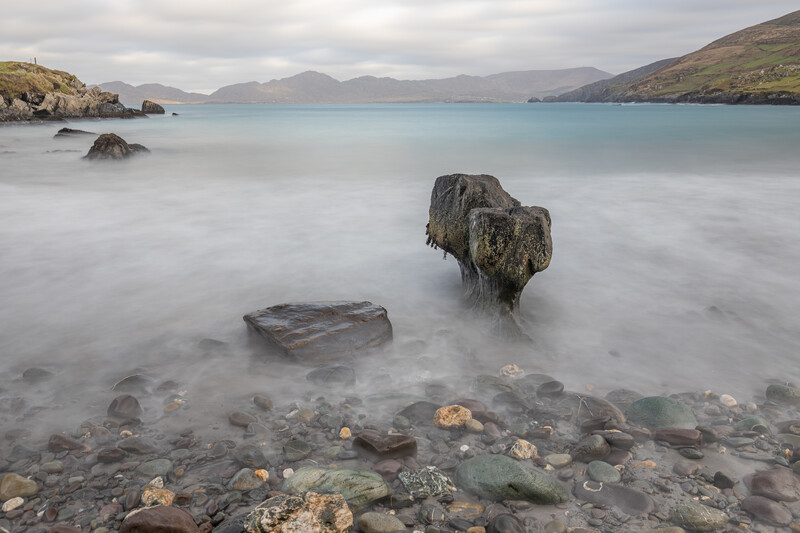
Why Exposure Matters So Much
Exposure is probably the most important technical decision we make in landscape photography because it directly affects how much usable data exists in the file.
I learned fairly quickly that protecting highlights is usually the safer approach in landscapes, especially around sunrise and sunset where contrast can become extreme. Recovering slightly darker shadows is generally easier than recovering clipped highlights.
The histogram became one of the most important tools in my workflow because it removed guesswork from exposure decisions.
Early on, I barely paid attention to it. I relied mostly on how the image looked on the LCD screen, which is not always reliable in changing outdoor light. Bright sunlight can make underexposed images appear normal, while darker conditions can make exposure look brighter than it really is.
Once I started checking the histogram properly, I became far more consistent.
I still expose differently depending on the scene, of course. Photography is never completely formulaic. But understanding what the histogram was telling me allowed me to make more informed decisions rather than simply hoping the exposure worked.
That confidence made a huge difference in the field.
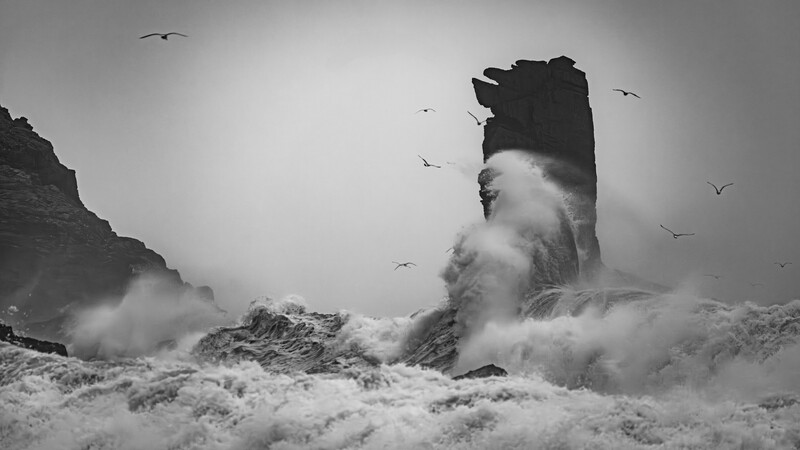
Composition Is Easier to Fix Before You Press the Shutter
Composition mistakes are another thing photographers often try to solve later, myself included.
The issue is that small framing problems usually become obvious once you are back at home viewing the image properly. Distracting overlaps, awkward edge placements, or unnecessary empty space suddenly stand out.
I used to crop aggressively to fix these problems afterwards, but over time I realized how much better it was to simply slow down slightly before taking the photograph.
Now I spend more time checking the edges of the frame than I used to. I look for overlapping elements, distractions, and areas that pull attention away from the main subject.
That process does not take long, but it prevents a huge amount of frustration later.
One thing I often tell photographers on workshops is that five extra minutes spent thinking carefully in the field can save an hour of trying to rescue the image afterwards.
That has certainly been true in my own photography.
Immediate Feedback Accelerates Learning
One of the most overlooked parts of getting it right in camera is how much faster it improves your skills.
When mistakes are discovered immediately on location, the lesson connects directly to the decision that caused it. That feedback loop is incredibly important.
If you realize at home that focus was slightly off or exposure was incorrect, you still learn from it, but the learning is delayed. The conditions are gone. The moment has passed.
When you identify the issue while standing in the landscape itself, you can adjust instantly and see the result straight away.
That immediate correction builds confidence much faster.
Landscape photography conditions change quickly, especially in Ireland. Light can shift within seconds. Weather can completely alter a scene in minutes. The more comfortable you become with making clear decisions in the field, the more prepared you are to react to those changes when they happen.
Editing Became Simpler and More Enjoyable
Ironically, learning to get more right in camera actually improved my editing as well.
Once my files became stronger at capture, editing stopped feeling like damage control. Instead of spending huge amounts of time correcting exposure, rebuilding color, or fighting noise, I could focus on refining the image.
Small contrast adjustments. Subtle color grading. Gentle exposure balancing.
The process became faster, calmer, and far more repeatable.
I often joke that I am a lazy editor, but there is truth in that. I do not enjoy sitting in front of a computer for endless hours trying to rescue files that were poorly captured to begin with. I would rather spend that time out photographing again, scouting locations, or simply doing something else entirely.
Getting it right in camera gave me more freedom away from the computer because the work was already mostly done before I even got home.
A More Sustainable Approach to Photography
The longer I photograph landscapes, the more I realize that sustainability matters.
Not every scene can be revisited. Conditions rarely repeat themselves exactly. If you miss the shot because of avoidable mistakes, there is a good chance that opportunity is gone.
That is why slowing down and working with intent matters so much.
Getting it right in camera does not mean chasing perfection or removing creativity from the process. It simply means taking responsibility for the photograph while you still have the ability to influence it properly.
For me, that mindset changed photography from a reactive process into a deliberate one.
And in the long run, that has probably improved my photography more than any piece of gear I have ever purchased.
What are your thoughts on this? Let's continue the conversation in the comments below.

Join the Fstoppers community for free
-
Post comments and join in the discussions
-
Browse the site ad-free
-
Share your work and get featured in the community
-
Compete in the photo contests for fun and prizes
6 Comments
For exactly the reasons mentioned here, I've never understood why people shooting raw would want to set auto ISO. I set mine permanently to 5600k (any fixed ISO will achieve the same result). That way there is no inconsistency between similar shots, and because they're all set to the same ISO, they can be batch corrected in post.
" I stopped relying on the idea that I could fix everything later in editing." LOVELOVELOVE this part! This was the turning point for me as well. Being intentional with your photography is what gets you to better results. I used to heavily rely on "fixing it in post" approach, spent a ton of time and hated a lot of my own work. Now I try to spend more time working with the actual scene and less with the images later and the editing process mostly shrinked into quick color and light adjustments in Photoworks by now, but I like my works much better than before!
Thank you very much. I’m delighted to read that. This approach has also transformed your photography.
For me switching to Fuji medium format was the biggest change a slower system which required much more thought process in where to focus.. what to focus on depth of field composition ...everything and also getting the settings right especially with the handheld photos because if you mess up on a high mega pixel camera it really does show up so actually going to assist them that was more difficult to use actually benefited my photography.
Excellent point Nev, love the light and comp with the walkway
The other little tip that I gave people and I saw this on a YouTube video so it was not my idea is you take like a four or an 8 GB SD card so you only get say 30 shots or thereabouts and you put that in your camera, so you can only take 32 photos also when you go out for a shoot that way you make them count