Gesture in the landscape sounds like a soft, artsy idea until you start noticing it and realize it can fix the stiff, random feel that shows up in a lot of your frames. If you care about making landscapes that feel alive instead of assembled, this will change what you look for before you ever touch the tripod.
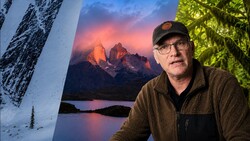
Coming to you from Adam Gibbs, this thoughtful video takes a concept most people keep boxed inside portrait work and drags it into trees, rocks, mountains, and water. Gibbs frames “gesture” as nature’s body language, where posture and direction carry the emotional weight. A tree is not just a vertical shape, it is leaning, reaching, bracing, or collapsing. The practical payoff is simple: once you see those cues, you stop composing like you are arranging objects on a shelf. You start composing like you are responding to what the land is already doing.
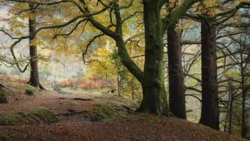
Gibbs starts with trees because they broadcast intent in a way your eye can’t unsee after you spot it. A bent trunk can read as pressure or endurance, and a cluster can look like a quiet huddle instead of “a bunch of trees.” He points to Baxter as a reference for treating trees like characters, not props, which is a useful nudge if you tend to photograph trunks as texture and move on. From there, the advice turns concrete: a leaning tree often needs room in the direction it leans, and an arched canopy can become a frame that feels earned instead of decorative. You are not copying a rule, you are making space for a posture.
The video then shifts away from the obvious and into places where “gesture” is easier to ignore, which is where it starts paying rent. Rocks and shorelines carry a quieter kind of expression: sharp angles can feel tense, rounded stones feel worn and calm, fractures introduce conflict, repeating shapes create rhythm. Gibbs suggests asking a blunt question while you scout: “What direction is this pointing?” That alone can change where you put the camera and which edges you allow into the frame. He also touches on mountains as big, theatrical posture, and hints at how ridge flow sets the emotional tone, but he does not spoon-feed a checklist.
Water gets treated as pure movement, and the framing stays practical without turning into gear talk. Rivers bend and carve, waves either crash or glide, waterfalls can feel like a shout or a whisper, reflections stretch and distort in ways that either support the mood or fight it. Gibbs ties that to decisions you actually make on location, like how you frame a flow so it leads somewhere, and how the energy of water pushes you toward a shutter speed that matches the feeling you want. Late in the video, he connects all of this back to why two people can stand in the same spot and make completely different photographs, because they notice different “attitudes” in the same forms. He also offers a simple field exercise built around pausing and interrogating the subject with a couple of uncomfortable questions, the kind that sounds corny until it starts steering your compositions into better choices. Check out the video above for the full rundown from Gibbs.
And if you really want to dive into landscape photography, check out our latest tutorial, "Photographing the World: Japan II - Discovering Hidden Gems with Elia Locardi!”


Join the Fstoppers community for free
-
Post comments and join in the discussions
-
Browse the site ad-free
-
Share your work and get featured in the community
-
Compete in the photo contests for fun and prizes
No comments yet