
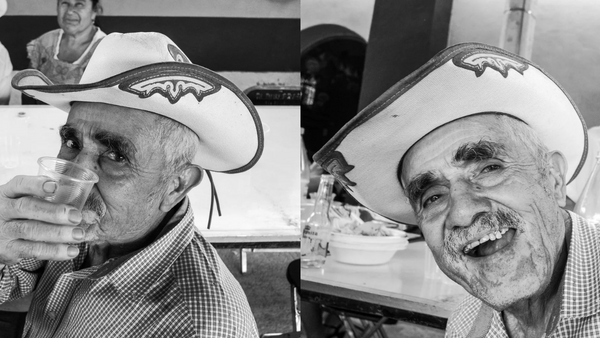
You know, there is a difference between a good photograph and one that stays. Not louder, not more dramatic, not even technically better. Just… harder to forget.
As a journalist covering stories, this is a topic I keep present and clear all the time. We often call them "iconic," but that word can be misleading. It suggests something rare, almost accidental, as if those images happen only to a chosen few in the right place at the right time. In reality, what separates a forgettable frame from one that lingers has less to do with luck and more to do with intention, specifically, the mental approach you bring before you even raise the camera.
It Starts With What You're Looking For
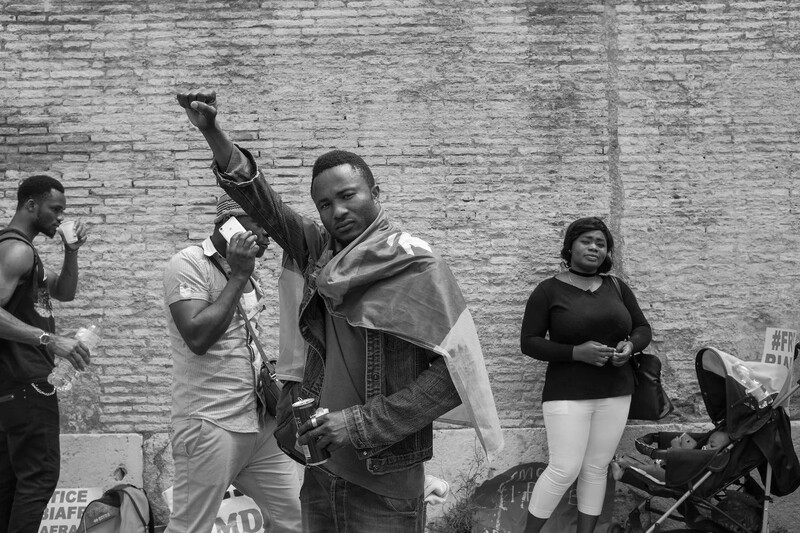
If you go out to "take pictures," you'll find pictures everywhere. Shapes, light, gestures, endless material. But most of it will dissolve quickly in the viewer's mind. If instead you go out looking for something that means something, however small, however ambiguous, you begin to filter differently. You become less interested in what is merely happening, and more attentive to what resonates. Not every scene needs to carry a grand narrative, but there has to be a tension, a presence, a suggestion that there is more than what is immediately visible.
Emblematic, Not Explanatory
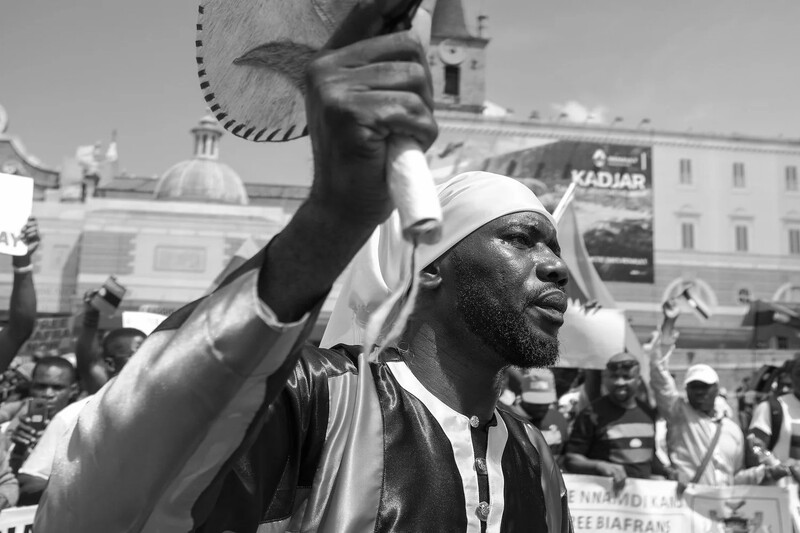
Images that last tend to resist over-explaining themselves. They don't tell you everything. They give you just enough to enter, and then they hold something back: a gesture frozen mid-action, a gaze that doesn't fully resolve, a contradiction inside the frame. When a photograph becomes too clear, too descriptive, it often loses its grip. The viewer understands it quickly, and then moves on just as quickly. An emblematic image works differently. It doesn't close. It stays slightly open, and that's exactly why it stays with you.
Proximity Matters, but Not Only Physical
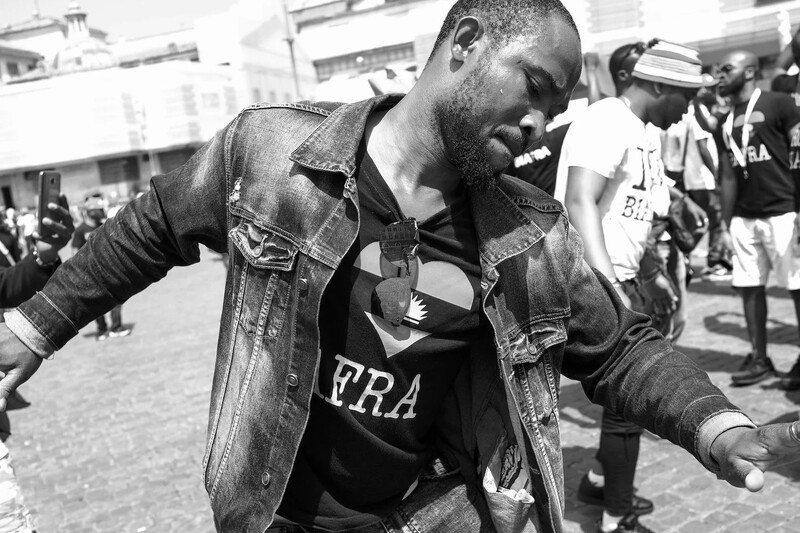
Getting close is often discussed as a physical act, but the real shift happens mentally. You can be one meter away and still be distant, or you can be embedded in the moment, even from the edge of the scene. What makes an image feel immediate is not just distance, but involvement, the sense that the photographer didn't just observe, but recognized something in that instant and committed to it. That recognition is subtle. It's not always rational, but it's decisive.
Simplicity Is Not Minimalism
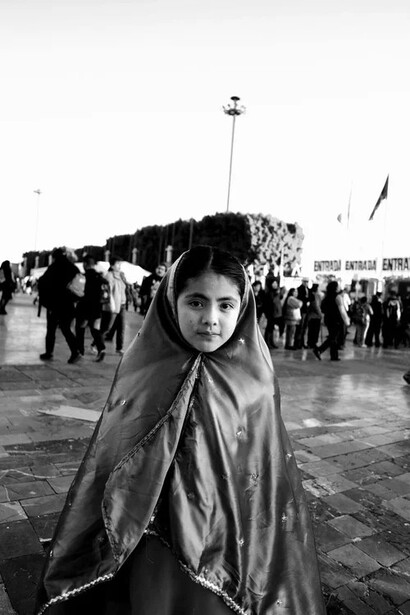
Many memorable photographs feel simple. Not because they are minimal in a formal sense, but because they are clear in intention. There is usually one dominant idea, one emotional center, and everything else either supports it or quietly fades. This doesn't mean stripping the frame down. Complexity can exist, layers can exist, but they need to orbit around something solid. If the photographer is unsure about what matters in the frame, the viewer will feel it immediately.
Timing Is Meaning
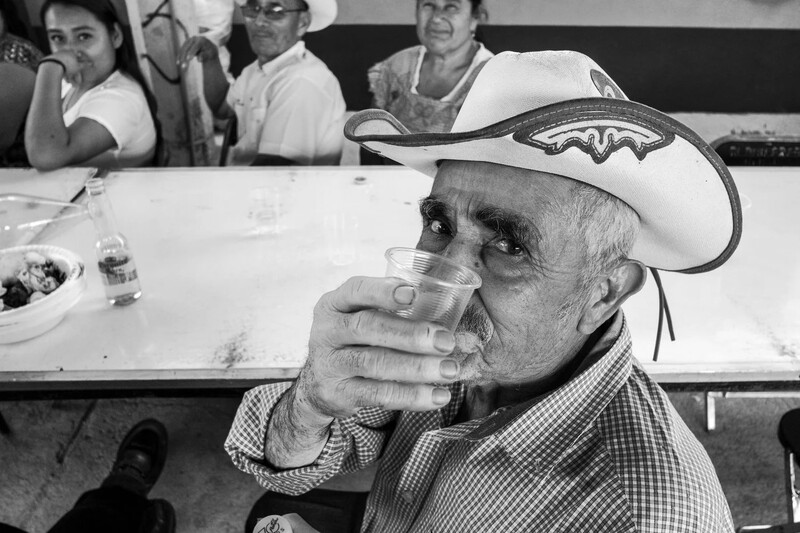
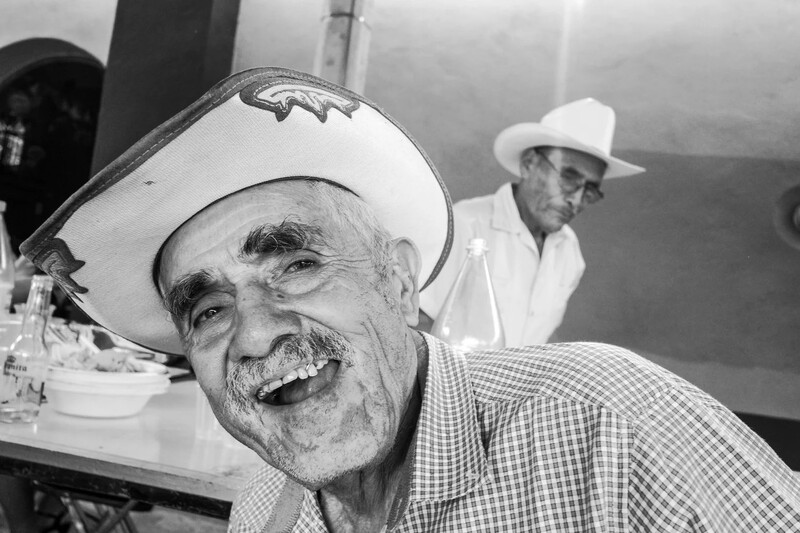
We often talk about timing as precision, but in these kinds of images, timing is more about meaning than perfection. A fraction of a second earlier or later can completely change what the image says, not just how it looks. The raised arm, the turning head, the fleeting expression: these are not just visual elements. They define the emotional direction of the photograph. And that's where patience comes in. Not passive waiting, but an active readiness to recognize when form and meaning align, even briefly.

Let the Photograph Breathe
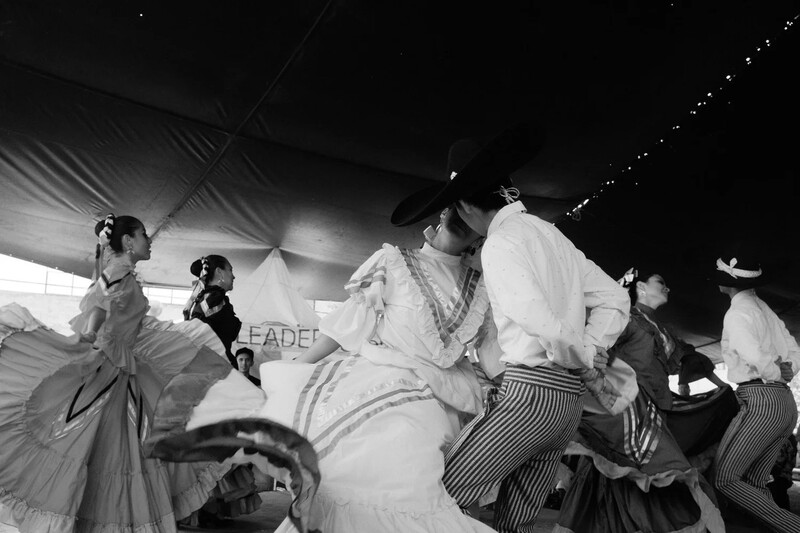
There's a temptation to resolve everything inside the frame: perfect composition, perfect balance, perfect clarity. But images that stay often leave room for interpretation, for ambiguity, for the viewer to participate. This doesn't mean being careless. It means accepting that a photograph doesn't need to answer every question to be complete. Sometimes what makes it memorable is exactly what it refuses to explain.
A Different Kind of Goal
Beware: aiming to create "iconic" images can easily become a trap. It can push you toward imitation, toward chasing what has already been validated. A more useful goal might be simpler: to create photographs that you feel are worth remembering. Not because they are impressive, but because they carry something that doesn't fade immediately after you've taken them. Most won't. Some might. And over time, those few images, the ones that hold their ground, begin to define your work far more than the hundreds that came and went without leaving a trace. To that end, live life (real life) and translate into images what is important to you.


Join the Fstoppers community for free
-
Post comments and join in the discussions
-
Browse the site ad-free
-
Share your work and get featured in the community
-
Compete in the photo contests for fun and prizes
No comments yet