


DXO ViewPoint 6 Offers Image Correction Without Crops
DxO has been busy lately, updating its collection of apps, giving them new capabilities and gently using AI to keep the photographer in control while making editing easier.
DxO has been busy lately, updating its collection of apps, giving them new capabilities and gently using AI to keep the photographer in control while making editing easier.
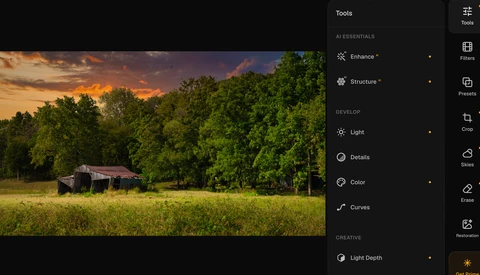
Luminar is now offering something pretty unique for photo editors who want a powerful yet portable web-based editor. It's called Luminar on Web, which certainly describes its functionality.
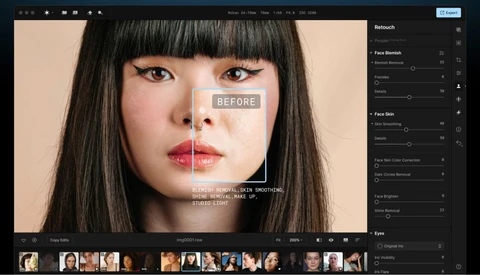
Aperty, the portrait editor from Skylum, will be discontinued November 4th. We reviewed Aperty in 2024 and found it a capable editor for portrait photographers. Using a mix of the usual develop sliders and some AI, I had heard positive reviews from people who purchased it.
In a note to users, a Skylum spokesman said:
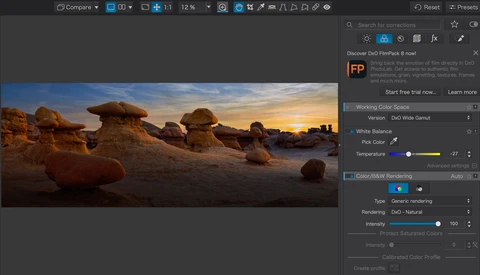
DxO is making PhotoLab 10 available today, with some solid new features and improvements to the existing ones. PhotoLab has become increasingly popular among raw editors because of its power and the inclusion of the DxO technology that adjusts for specific lens and camera combinations.
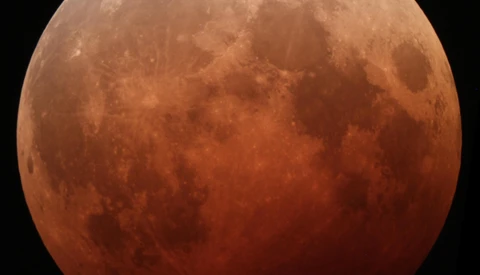
If you missed the big solar eclipse earlier this month, you have a shot tonight and early tomorrow morning at seeing a deep partial lunar eclipse, where about 96% of the Moon will be covered by the Earth's shadow. The result should be a very reddish, blood-moon-like appearance.
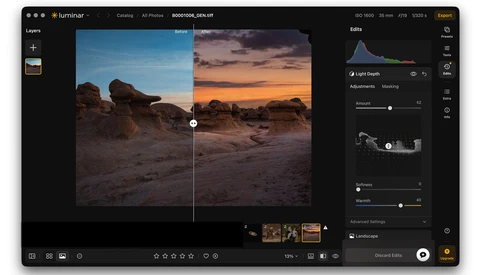
Luminar Neo users will see an update to their app today. It’s version 1.28.0. Skylum is also moving toward a new name for the app, which is actually the original name. Neo will be dropped, leaving just Luminar.
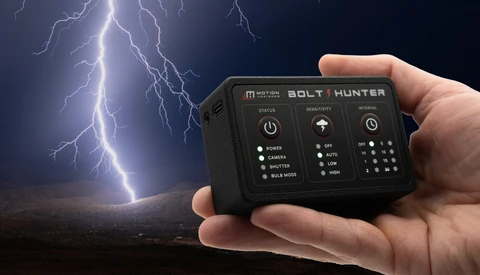
Living in Southern Arizona means spectacular lightning is around at certain times of the year, especially during our monsoon season, which runs from around June 15 to September 30. We get some great storms, and I'm always thrilled to capture some of nature's fireworks.
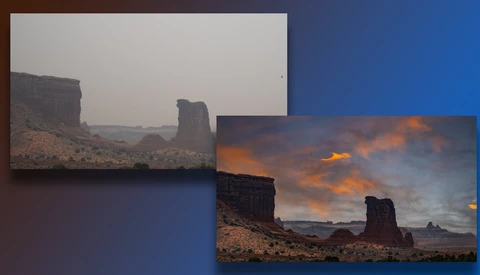
In one of my great examples of bad timing, a friend and I headed to southern Utah a few days ago. We were aware of spreading wildfires in the eastern part of the state, but where we were going, SE Utah, things were reported to be good.
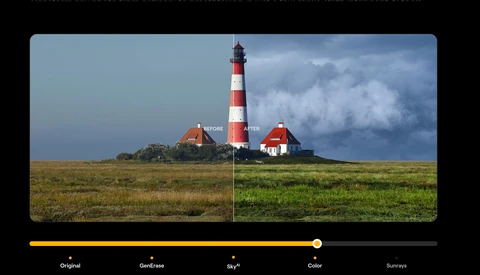
There's a lot of competition out there for photographers' attention with recent updates of editing software. The big target for competitors is Adobe's ecosystem of programs, and many of my pro photographer friends are pretty locked in on Adobe Lightroom.

After some false starts, Apple has gone all out for the upcoming iOS 27, due this fall. There's a greatly improved Siri, based on Google's Gemini, and a host of AI features. Our readers will be most interested in the new photo-taking and editing features in iOS 27, and I was able to download the developer beta for a quick look around.
The Nik Collection of software tools goes way back to when Nik introduced some editing plug-ins for Photoshop in the 90s. Google bought the tools in 2013 and brought several of the tools together into a collection.
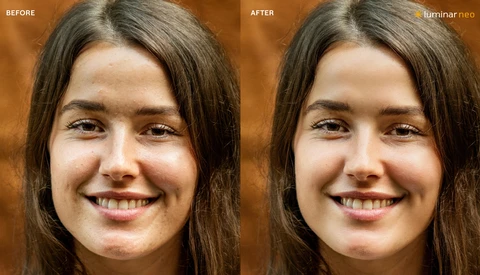
In a significant update to Luminar Neo, Skylum is focusing on AI-based portrait tools, as well as improving some of the included masking tools. This update is version 1.27.
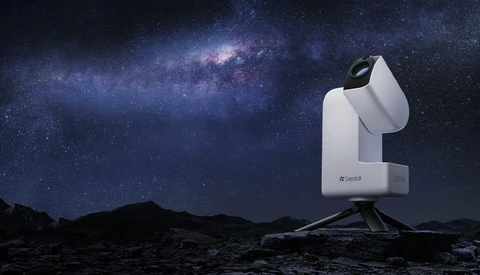
It seems smart telescopes are taking off, bringing more and more people into the astrophotography hobby. I've reviewed a few of these new categories of products, most recently the Dwarf Mini. 3, a low-priced entry in the computer-driven portable telescope offerings.
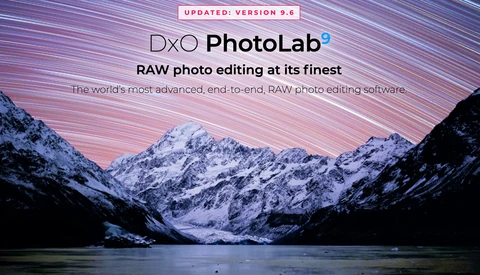
DXO had a big announcement a few weeks ago with powerful new features in their raw image processor PureRAW 6. Now those features have been folded into their powerful image editor, PhotoLab, which gets a version bump to 9.6.
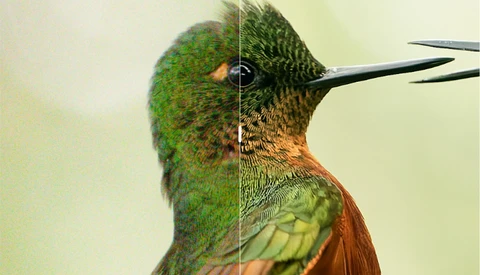
DxO PureRAW has been a go-to item in the workflow of photographers for years. PureRAW launched back in 2021, designed as a tool to preprocess Raw files before they go into an editor. The software de-noises your image, then corrects for defects in your optical path or the sensor.
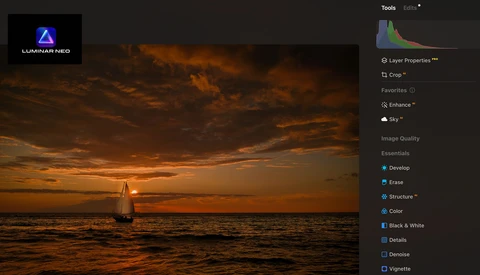
Skylum has released an update for its popular Luminar Neo editor that is incremental but will please owners. It follows a major fall update that brought many new features to the editor.
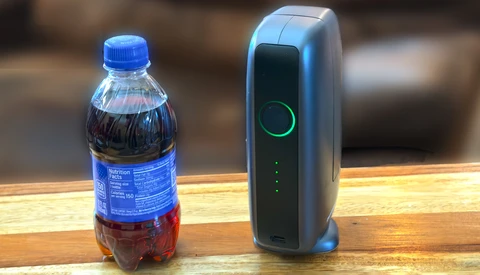
When I first heard about the Dwarf Mini Smart Telescope, I have to admit I was skeptical. A smart telescope you can carry in a pocket (albeit a large pocket like a photographer's vest), plop down, and produce decent astrophotos seemed like a stretch. Smart telescopes have certainly evolved over the last few years, and I've reviewed a few of them.
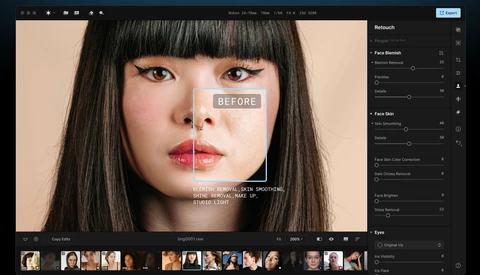
Aperty, professional portrait retouching software, has released a new update designed to integrate more seamlessly into photographers’ existing workflows. Here are the details from Aperty.
The update reflects months of direct collaboration with users and marks a strategic shift toward deeper plug-in support, improved performance, and long-term workflow stability.
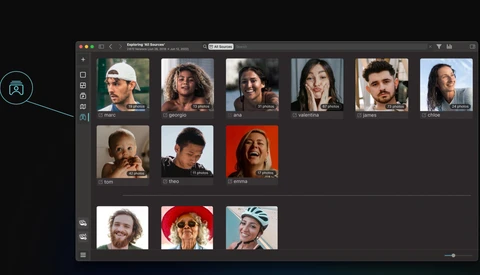
CYME has just announced Peakto 2.6, the latest version of its AI-powered media manager for Mac, introducing what is now the most comprehensive AI-driven culling and deduplication tool available for photographers and visual creators.
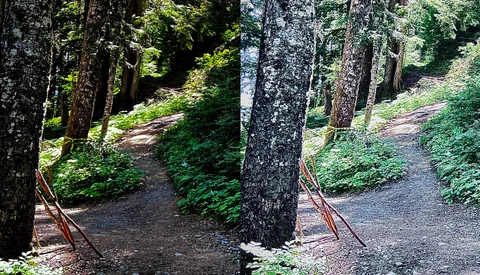
We’ve looked at products from Radiant Imaging Labs before, and they’ve always offered an interesting and fresh software approach for photographers.
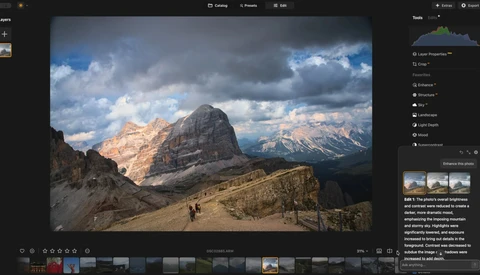
Current owners of Luminar Neo are getting a holiday update with some new and unique features. Besides the usual bug fixes and some speed increases, Neo has added what they call an AI Assistant.

It’s been a long time coming, and it finally hit on Tuesday, with the U.S. banning new models of Chinese-made drones effective immediately.

Astrophotography has been having somewhat of a renaissance over the last few years. Part of that may be the addition of high-quality digital cameras and also computers that can take away the drudgery of aligning the telescope and finding and capturing faint objects.
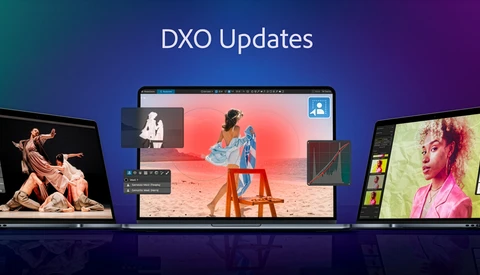
DxO has been very active this year, and this month will not be an exception. The company is pumping out new, enhanced versions of three of its most popular photo-editing applications today.

I've gotten my hands on a beta of the new, and I have to say improved, Luminar Neo fall release from Skylum. It keeps everything that's good in the current version and adds a couple of new features that will likely get non-owners of the current product on board.
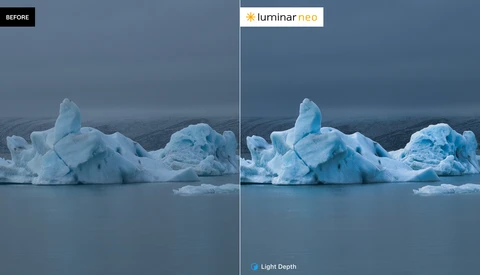
Skylum has announced a significant fall update for Luminar Neo coming in early November.
This version includes powerful enhancements to existing features as well as innovative new additions such as a Luminar Neo ecosystem, restoration, and an AI editing assistant.
Luminar Neo Ecosystem and Spaces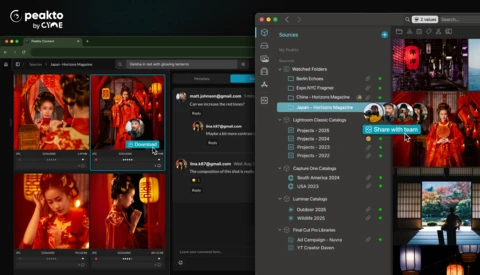
Peakto is releasing a 2.5 update to its excellent media management tool that frees it from the cloud while allowing robust search of all your media assets and enabling team sharing.

DxO has updated its film emulation package to version 8, and it's a major update. This latest version introduces two standout features: Time Warp Mode, a new interactive way to explore photography’s past, and full integration with Adobe Photoshop, giving photographers direct access to FilmPack’s creative palette.
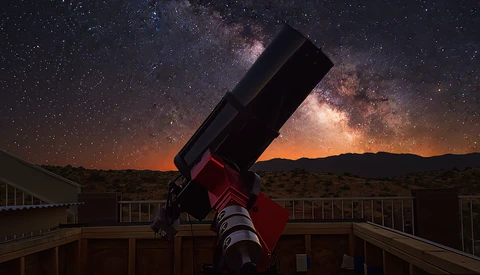
Astrophotography is growing rapidly in popularity. Better and more reasonably priced equipment, computer control, and a heightened interest in what is in the night sky have all combined to expand the number of photographers who do night sky imaging. Some create landscapes, better termed “nightscapes,” while others focus on capturing planets, nebulae, and galaxies.
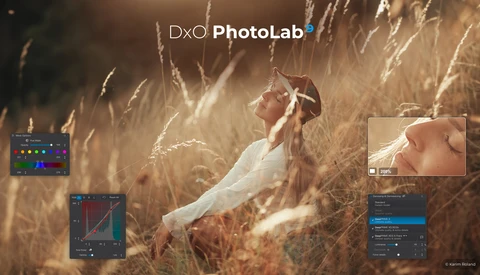
DxO PhotoLab has been the editing choice for many photographers since 2017, specializing in correcting optical defects in camera bodies and lenses. It has a large following, but Adobe, with Photoshop and Lightroom, has always been the 800-pound gorilla commanding much of the market.
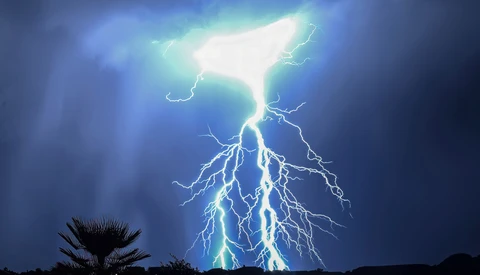
This is lightning season for large parts of the U.S. and Europe and the rest of the world, especially in the Northern Hemisphere.
Where I live in Southern Arizona, we're in the monsoon season, with heavy rains and lots of electrical activity in our skies.

I reviewed PanoVolo last year and found it excellent Windows or Mac software for creating panoramic images, even 360-degree ones.
Now, PanVolo is back with some much-desired improvements and enhancements.
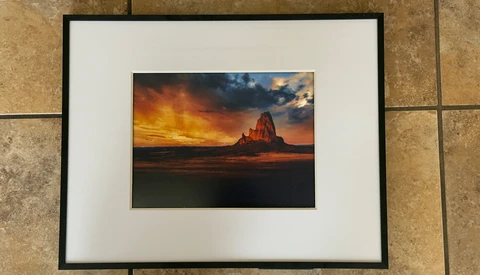
Here's something a little different to display your photos. It's the Aluratek ePaper frame. Photos look like printed photos, and this 13.3" Wi-Fi-connected frame can run for about a year after a charge through its built-in USB-C port.

Disk Drill has been around a long time. Its job is to recover files from damaged disks such as hard drives and SD cards—pretty much anything that holds media files.

Adobe has released, without fanfare, a work-in-progress camera app for iPhones that shows tremendous promise, and I think it will excite photographers. The app is part of Adobe's Indigo Project.
Here are some Adobe-provided sample images: