
Laowa's new probe zoom lenses are finally here, and they might be some of the strangest lenses ever made. For the last two months, I've been shooting with the most unusual of the bunch—the 15-35mm T12 Periscope Lens—and the shots it produces are unlike anything I've ever captured before. Let's dive in and see what makes this lens so unique.
Product photography has always been about storytelling, and a great image doesn't just show a product, it communicates what the product does in an emotional and desirable way. The challenge with any still product image, though, is that you have to portray this story in a single frame.
Today, brands and advertising agencies are often looking for something more dynamic than traditional still imagery. Short-form product videos dominate social media feeds, advertisements, and e-commerce listings. And that demand for motion has pushed creators to search for new ways to make their visuals stand out.
One of the most interesting tools I've ever used to accomplish that is the Laowa 15–35mm T12 Periscope Lens.
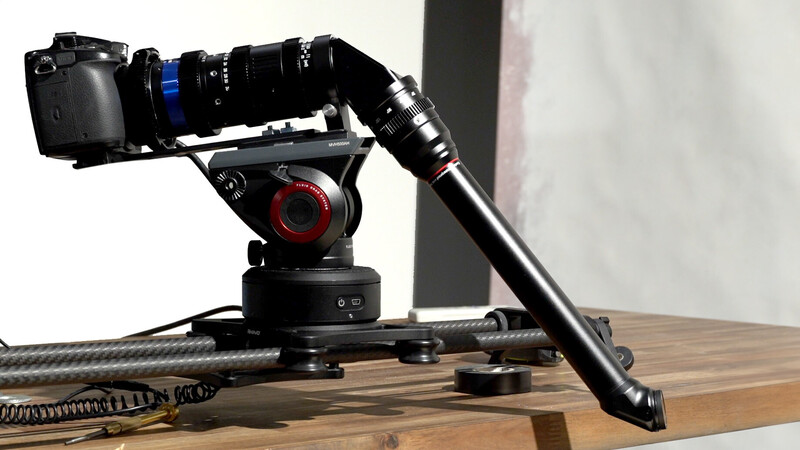
This lens is unlike almost anything else available today. It combines the characteristics of a probe lens, a macro lens, and an ultra-wide zoom into a single package that allows you to capture shots that simply aren't possible with traditional optics.
A Probe Lens That Actually Zooms
Probe lenses are already known for their unusual abilities. Their long, narrow barrel allows the front element to reach into extremely tight spaces, letting the camera capture perspectives that would otherwise be impossible.
However, most probe lenses come with a major limitation: they are fixed-focal-length lenses.
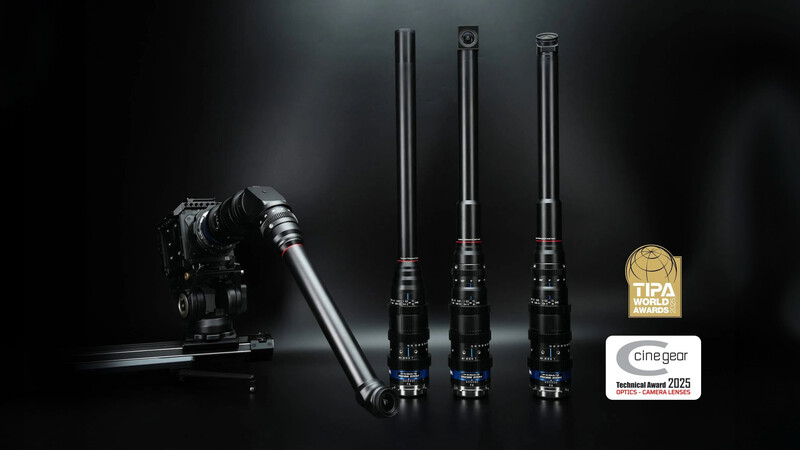
The Laowa 15–35mm T12 breaks that rule. This new lens is one of the first macro probe lenses that can actually zoom, giving filmmakers the flexibility to change framing without repositioning the entire camera rig. That one feature alone makes it an incredibly useful creative tool.
The 15–35mm range also means this lens delivers an extremely wide field of view, which is unusual for macro lenses. Most macro lenses compress perspective. This one exaggerates it. The resulting image from a wide angle macro perspective is a visual style that feels immersive, dramatic, and often claustrophobic. Objects close to the lens appear enormous, while the background stretches away dramatically behind them. When combined with camera movement, these Laowa lenses create a cinematic effect that feels almost impossible to replicate with standard lenses.
The Unique 45-Degree Periscope Design
Most of us have seen the crazy footage shot with a traditional straight probe lens, but the unique design of the 45-degree periscope lens allows you to place the viewer's eye in a wildly different location. Instead of extending straight forward from the camera, the lens bends downward at a right angle. This allows the camera body to remain elevated while the front element sits extremely close to the ground or tabletop.
For tabletop product work, this is incredibly useful. You can place the lens just millimeters above a surface while still having plenty of room to rig the camera and support system above it. It also allows the camera to travel through scenes in ways that feel almost impossible to achieve with traditional setups. Those movements create an almost miniature-world perspective that adds depth and energy to product footage.

The reason I wanted to test this lens out was because for the last two years I've been developing a brand-new baby bib design called The Suction Cup Bib. As a professional photographer, designing a baby product felt a little outside my usual world, but now that the bib has launched, I want to use my photo and video skills to create fresh, exciting marketing content.
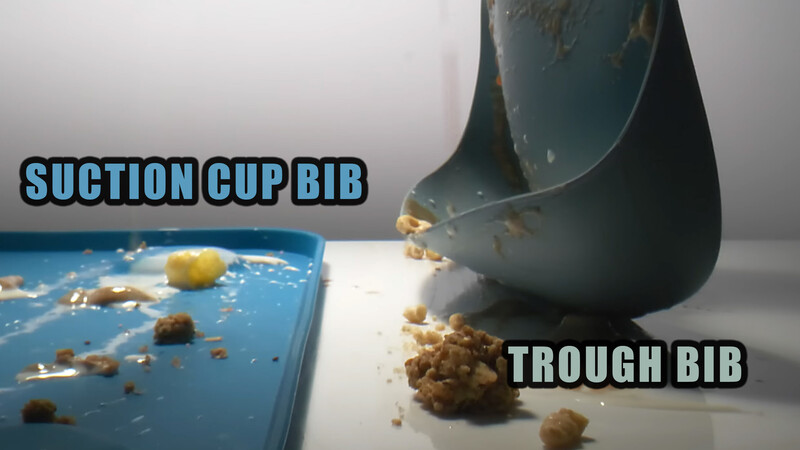
My idea for the Laowa probe lens is to capture tight product shots of the Suction Cup Bib in action as it catches and contains the messy spills every parent knows too well. I also want to show just how messy things can get with competing bib designs. Since most marketing today happens on social media, where you only have a moment to stop the scroll, a lens like the Laowa probe lens is the perfect tool for creating dramatic, eye-catching visuals.
Ultra-Wide Macro With 2x Magnification
Another standout feature is the lens's ability to combine wide angle framing with macro magnification. Typically, macro lenses produce extremely tight compositions. But with this lens, you can place the camera just inches away from a subject while still seeing a wide environment around it. That combination produces a very distinctive look that most people have never experienced.
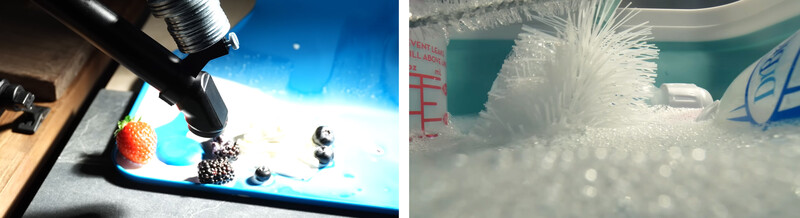
Some examples I wanted to capture were close-up shots of milk sliding down my baby bib as well as top-down shots showing how the Suction Cup Bib can catch fruit and liquids as they roll towards the retention lip on the edge of the bib. Currently, the most popular baby bib on the market is what I call the "trough bib," which has a little pouch that attempts to catch everything a baby drops. Unfortunately, this design doesn't work as well as it should. By using an ultra-wide-angle lens paired with a small probe design, I can literally place the viewer inside this trough and show how ineffective it can be.
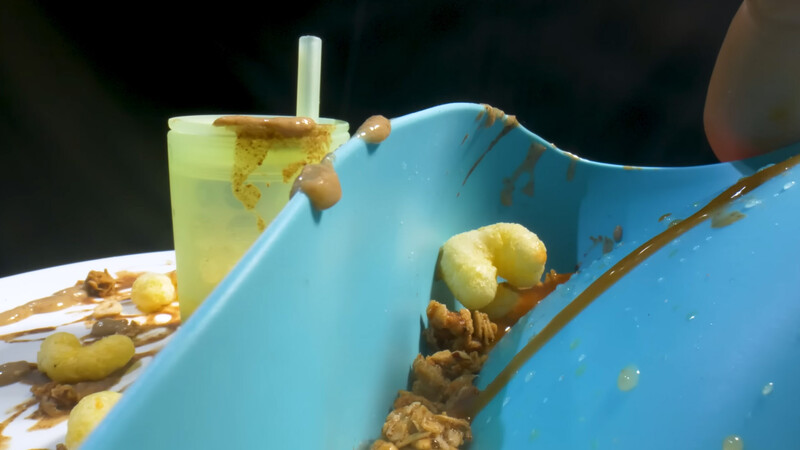
The effect feels immersive, almost like the viewer is physically inside the action. This is particularly powerful for food, beverage, and product advertising, where movement and texture are important visual elements.
A Lens Designed for Motion
While the lens can work for still photography, it truly shines with cinema, especially when paired with motion. Slider movements, push-ins, and parallax shots become incredibly dramatic with this lens. That means you are going to want to use some sort of automated slider system to get the most dynamic images out of this lens.
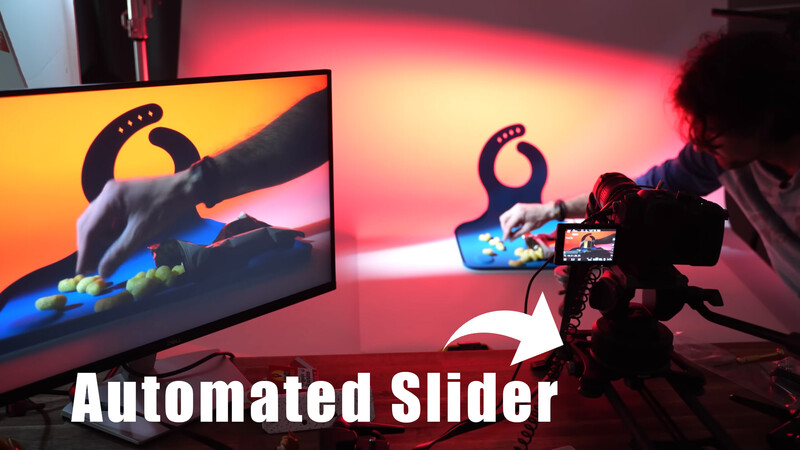
Because the camera can move through tight environments, it can travel past objects that are extremely close to the front element. This creates strong foreground motion while the background stretches away dramatically. It's this parallax movement effect that gives footage a high-production feel that's difficult to achieve with conventional lenses that need to be placed further away from the subject.
In many cases, the viewer may not immediately realize what lens was used—but they instinctively know the shot feels different. And in advertising, having an asset that feels different, even if the viewer doesn't know why, can make a huge impact on the effectiveness of the creative.
The Importance of Rigging
One thing you quickly discover when working with a probe lens like this is that rigging becomes critical. These lenses are long, heavy, and at times awkward compared to standard lenses, which means you don't want all the weight resting on your camera mount.
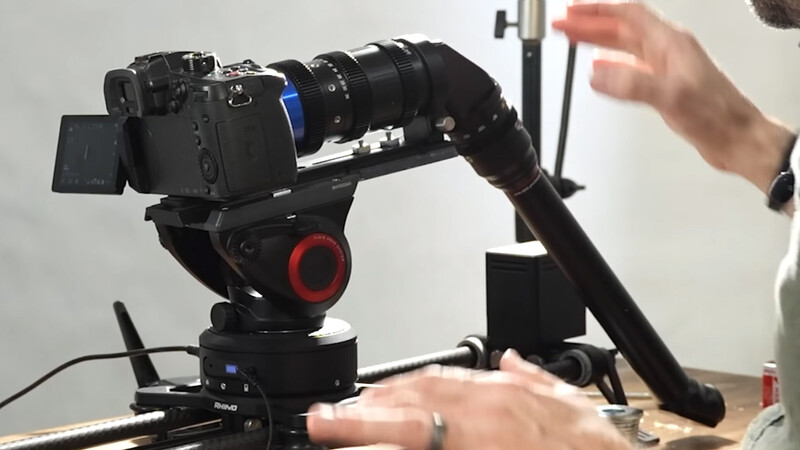
The solution is to support both the camera and the lens using mounting points along the barrel. Using the supplied ring collars and extended tripod plates helps distribute the weight more evenly across the rig. This not only protects your camera mount but also improves overall stability during movement. Because many shots involve precise slider movements, stability is extremely important, especially if you try to increase the speed of your slider's movement. The faster the trolley moves the camera, the more any small vibration becomes noticeable, especially when shooting macro footage.
Why Lighting Matters With Probe Lenses
Probe lenses typically require a significant amount of light. Because depth of field gets ridiculously shallow when shooting at macro distances, many times you are going to want to stop the lens down to increase that depth of field. The Laowa 15–35mm has a T12 aperture, which is fairly typical for probe lenses but still relatively slow compared to many photography and cinema lenses that have faster f/2.8 and T2.0 apertures, respectively.
That means strong lighting is often necessary to properly expose scenes. For product videos like I'm making here, this isn't necessarily a drawback, though. In fact, the need for controlled lighting often results in more intentional lighting setups that help shape the final look of the footage. Directional lighting can emphasize textures, splashes, reflections, and details that might otherwise go unnoticed, and as a photographer who understands dynamic product photography lighting well, I wanted to use this to my advantage.
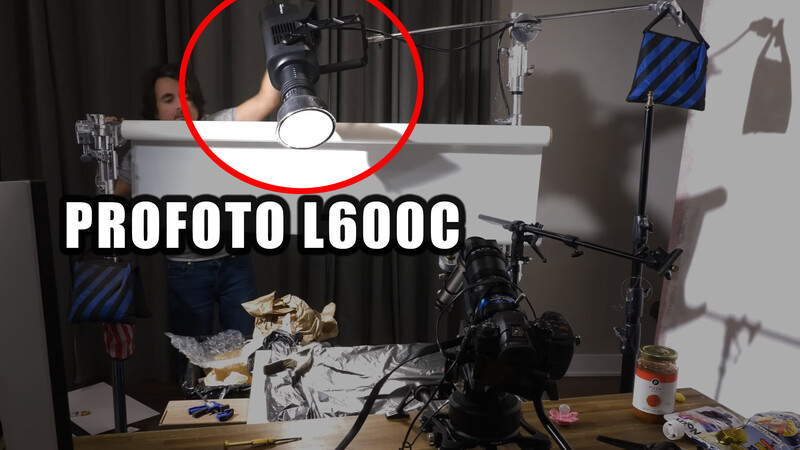
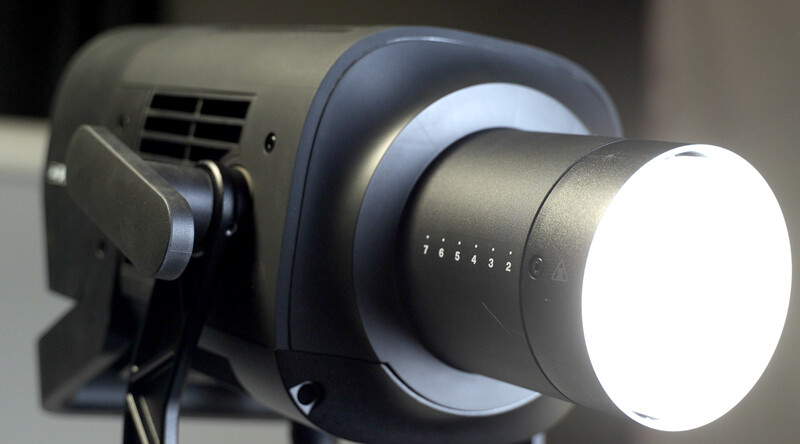
For this video, I wanted to use a new cinema constant light that was in our studio: the Profoto L600C RGB Mono-LED Light. Photographers are well versed with Profoto lights, but until recently, Profoto was not a very big player in the constant light world. The L600C is their answer to videographers wanting a mid-powered "do it all" sort of constant light that was previously reserved by brands like Aputure, Nanlux, and Arri.
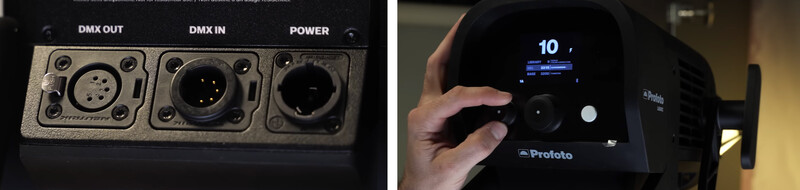
The L600C is a 600 W RGBWWW full-color LED light that can output 2,000–15,000 K in white balance as well as produce 16 million different RGB colors. One of many unique features is it uses a water cooling system in conjunction with a single variable-speed fan to help cool the LED's heatsink, which can get quite hot on any 600 W light like this. This water cooling system allows the L600C head unit to be smaller and lighter weight than other comparable lights while also remaining dead silent when in use.
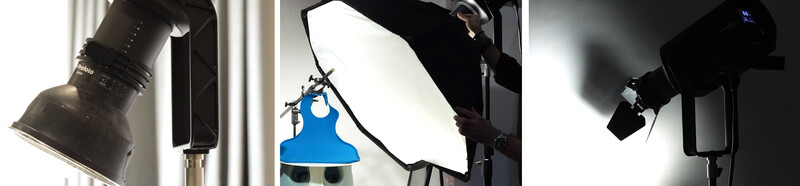
My favorite aspect of using a constant Profoto light like the L600C is it allows me to use all the same light modifiers and speed rings that I already own and use when shooting still photographs. The tension barrel mount is exactly the same, and for this shoot I used a mix of modifiers such as the Profoto Softbox 1x4' Strip, a Profoto Zoom Reflector 2 Profoto 1x4 Strip Box, a Profoto Zoom Reflector with Profoto 20-Degree Honeycomb Grid (older 30-degree, to be exact), and a Profoto Octa Box 3' White.
Regardless of what constant light you use, if you find yourself shooting with the Laowa probe lens, the key takeaway is that all probe lenses work best when paired with consistent, powerful lighting sources.
Waterproof and Ready for Messy Scenes
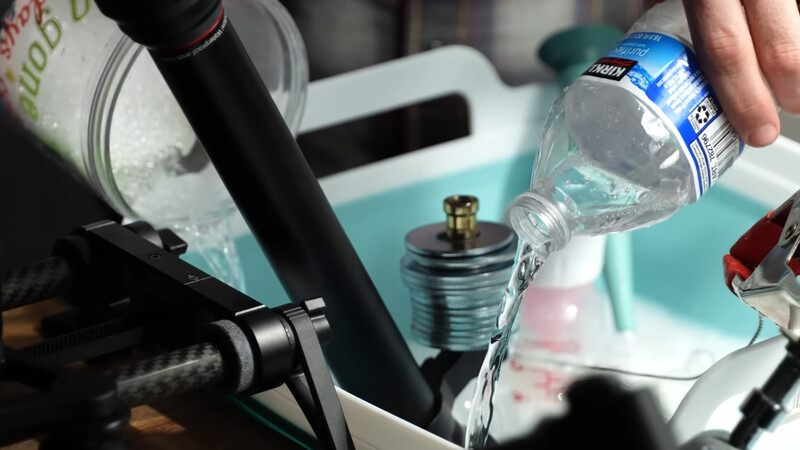
Another useful feature of the Laowa Periscope 15–35mm probe lens is that the front "scope" section is waterproof. This opens up a range of creative possibilities. The lens can push through liquids, capture underwater bubbles, or film splashes at extremely close distances without worrying about damaging the optics.
For food or beverage advertising, this is a huge advantage, and it came in handy when shooting the Suction Cup Bib. Shots involving liquids, sauces, or spills suddenly become much easier to execute. I wound up shooting one or two shots that required placing the lens underwater, but honestly, I wish I had taken advantage of this feature with more of my shots.
When to Choose the Periscope Version
Laowa actually released several versions of their probe lenses, including a straight probe design, one with a 90-degree lens, and a 35-degree angled lens as well. Each version has its own advantages, so picking out the correct one for your project, or to buy, is going to be a super important decision. The straight probe lenses are often easier for simple push-in shots, while the periscope version excels when you need the camera extremely close to surfaces that are near the ground. For tabletop product work or using the lens out in nature where you want the movement to go through grass, dirt, or anything towards the ground, the periscope design can be particularly useful. The periscope design allows the camera to remain elevated while the lens explores the scene below.
However, as mentioned in my video, the periscope design can also make it difficult to achieve long slider pulls because the articulated lens is likely going to hit the slider rails as it moves backwards. This is where the straight probe design might be best because you can achieve shots that span the entire distance of your slider system. The longer lens and mounting arms might also make the entire lens easier to stabilize since the fluid head can attach at the exact balancing point.
Having used the periscope version for over two months, I was left wanting both systems so I could achieve different shots while also limiting the number of complex rigs needed to perform the camera movements.
Creating Cinematic Product Shots
The biggest advantage of this lens isn't just technical, it's creative. Because the lens allows the camera to travel through spaces and perspectives that are normally impossible, it encourages experimentation, and that is what makes using this lens so fun. Instead of static product shots, creators can design scenes where the camera moves through objects, reveals products dramatically, or interacts with liquids and textures. This type of movement transforms simple product demonstrations into cinematic experiences, and in today's crowded advertising environment, that level of visual impact can be extremely valuable.
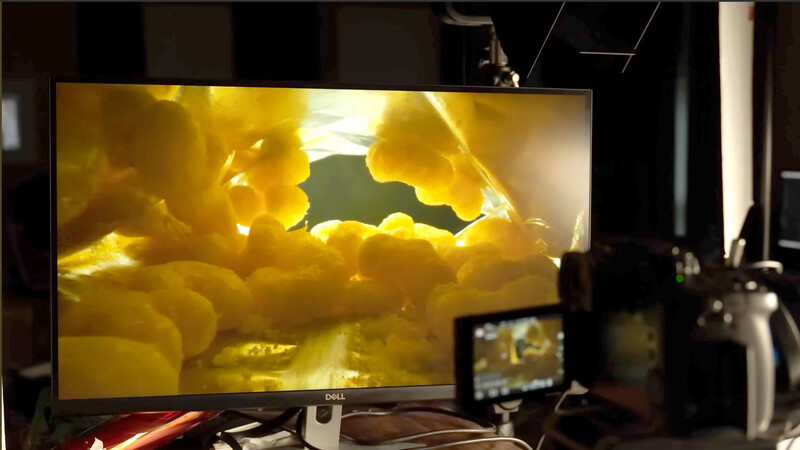
It's very rare that I pick up a new lens and immediately feel a level of inspiration. Usually a new lens means I can shoot wider, or more telephoto, or perhaps blur out the background a bit more. Rarely does a new lens make me stop and completely rethink the way I might creatively approach a scene. With the Laowa probe lens, though, I found myself dreaming of new shots throughout the day. Instead of using a lens as a tool to complete a task, the Laowa Periscope Lens forced me to think outside the box in a way that I rarely do anymore. It was both refreshing and inspiring while simultaneously challenging and at times frustrating, but in a fulfilling way.
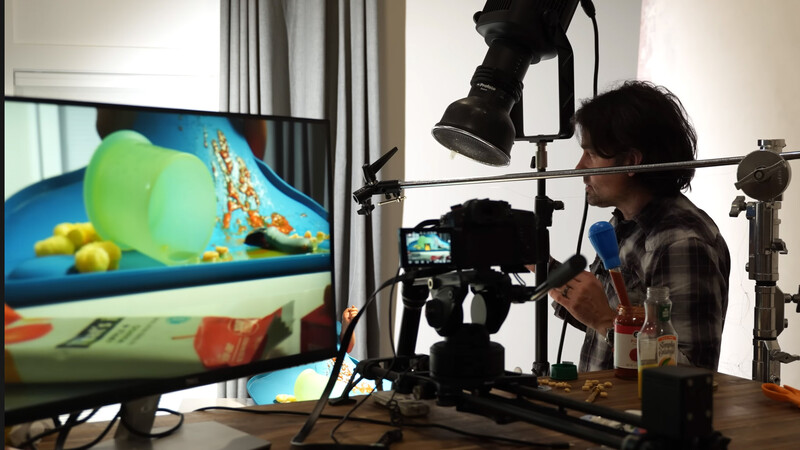
One of the joys about being a photographer or videographer is having to problem-solve in order to get the most impressive result that you, your client, and the viewer will all appreciate. I enjoy this facet of being a creative, and using a lens like the 15-35mm Periscope lens reminded me, in many ways, why I was so drawn to photography nearly two decades ago. For that, I want to thank Laowa.
If you're looking to level up your product photography skills, Fstoppers offers The Hero Shot: How to Light and Composite Product Photography, a comprehensive tutorial on lighting and compositing techniques that pair perfectly with creative tools like probe lenses.
Conclusion
The Laowa 15–35mm T12 Periscope Lens is not a lens most photographers or videographers will use every day. But for creators working in product videography, commercial advertising, or creative filmmaking, it offers something extremely rare: a completely new visual perspective.
Its combination of:
- Ultra-wide macro capability
- Zoom functionality
- Unique periscope design
- Waterproof front element
makes it one of the most versatile probe lenses currently available. More importantly, it allows filmmakers to create shots that feel fresh and visually surprising, and in a world where viewers scroll past thousands of images and videos every day, that ability to capture attention might be the most valuable feature of all.
For more technical information about this lens as well as some truly inspiring video work shot on this lens, head over to Laowa's website showcasing the 15-35mm T12 Periscope Prob Lens.
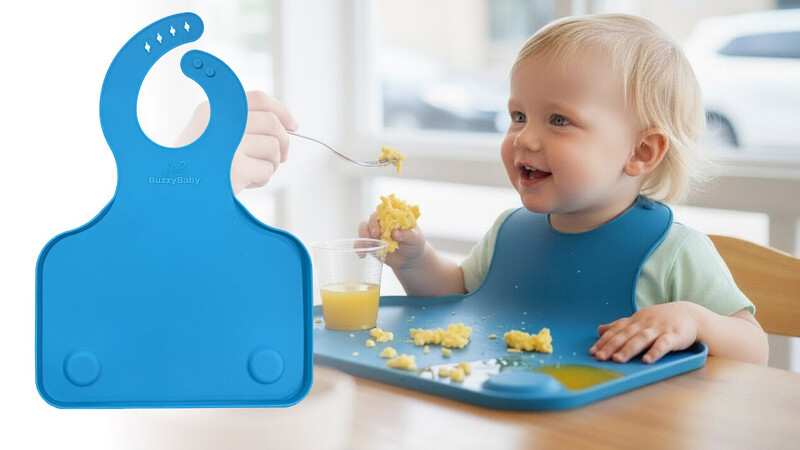
In the odd chance you are the parent of a baby or toddler, or know someone with a baby or toddler, check out my totally not photography-related side project, The Suction Cup Bib.


Join the Fstoppers community for free
-
Post comments and join in the discussions
-
Browse the site ad-free
-
Share your work and get featured in the community
-
Compete in the photo contests for fun and prizes
No comments yet