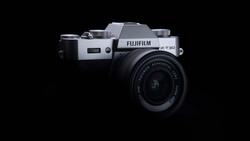
A compact body with a viewfinder, the X-T30 III lands as the most affordable way into Fujifilm’s X line with an EVF and a familiar, dial-heavy layout. You get the proven 26.1-megapixel sensor paired with the latest processor, plus smarter autofocus and film simulations that actually change how you shoot on the street or while traveling.
Coming to you from Gordon Laing, this practical video zeroes in on the Fujifilm X-T30 III mirrorless camera. Laing explains why Fujifilm split the old X-T30 line into two tracks, with the X-T50 taking the premium slot and this model holding the entry price. You see what the X-Processor 5 brings to a body that keeps things small and light, including better subject detection and an auto mode that can pick a film simulation. The video also shows how the new Film Simulation dial replaces the drive dial, which changes muscle memory but puts looks at your fingertips. That matters when you want color and tone straight out of camera without digging into menus.
Laing walks through the control layout with clarity. You get a dedicated shutter dial to 1/4,000 second, a threaded release, and a real exposure compensation dial with a “C” option for expanded range. There’s a pop-up flash and a hot shoe at 1/180 second sync, which keeps casual flash in play. The EVF and 3-inch tilting touchscreen match the prior model’s specs, so you won’t find a selfie flip, and the body skips weather-sealing and IBIS, which is the trade that keeps weight and cost down. If stability is a worry, Laing shows where lens OIS and digital movie stabilization help, and where a faster shutter solves handshake without fuss.
Key Specs
-
Mount: Fujifilm X
-
Sensor: 26.1-megapixel APS-C (23.5 x 15.6 mm) CMOS
-
Processor: X-Processor 5
-
ISO: 160–12,800 native (80–51,200 extended)
-
Stills formats: HEIF, JPEG, raw, TIFF (14-bit)
-
Video (internal): DCI 4K/UHD 4K to 59.94 fps, 6.2K open-gate to 30p, Full HD up to 240 fps
-
Video output: 10-bit and 12-bit via micro-HDMI
-
Card: Single SD UHS-I (up to 2 TB)
-
Ports: USB-C (charge/data/headphone), 2.5 mm mic/remote, micro-HDMI
-
Screen/EVF: 3" tilting touchscreen (1.62 million dots); 0.39" OLED EVF (2.36 million dots), approx. 0.62x magnification
-
Wireless: Wi-Fi 4, Bluetooth 4.2, XApp support with smartphone GPS
-
Battery: NP-W126S, approx. 315 shots
-
Size/weight: 4.7 x 3.3 x 1.8 in, 13.3 oz with battery and card
You also get new Instax-ready image sizes for Mini, Square, and Wide that record JPEG or HEIF at resolutions tuned for printing, which saves you from cropping surprises when you send to an Instax Link printer. Shoot raw+JPEG if you want the full raw at native resolution alongside the Instax-sized file without any penalty.
Laing spends time on the new kit zoom and why its range changes the feel of the camera. The wider start helps vlogging and tight interiors, while optical stabilization keeps clips steadier when you’re walking. If you want to peek at that lens later, it’s the Fujifilm XC 13-33mm f/3.5-6.3 OIS, a compact option that keeps the combo well under 1 lb. You won’t see IBIS here, so plan on a touch of crop with digital stabilization in video, or keep the shutter up for stills in low light.
What stands out is how much of the shooting experience rests on the physical controls. The Film Simulation dial gives you six direct presets plus three custom slots, and the Auto lever unlocks automatic subject detection and an auto film sim choice. You can hand the camera to someone and still get sharp faces and a pleasing look without explaining settings. If you care more about feel and speed than spec sheets, this layout favors you in a real-world way.
There’s open-gate 6.2K up to 30p using the full sensor height, which makes reframing for vertical and horizontal output easier in post. You also get 4K to 60p, Full HD up to 240p for slow motion, and a mild crop at 50/60p that you should plan around when shooting tight interiors or vlogs at the wide end. Check out the video above for the full rundown from Laing.


Join the Fstoppers community for free
-
Post comments and join in the discussions
-
Browse the site ad-free
-
Share your work and get featured in the community
-
Compete in the photo contests for fun and prizes
No comments yet