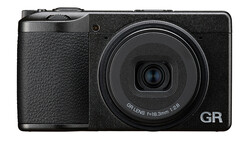
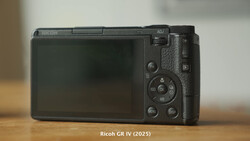
The Ricoh GR IV is small, pocketable, and aimed at being the kind of camera you always have with you. Street photography demands speed, sharpness, and reliability, and this release promises to step up from the older GR III with a new sensor, better autofocus, and improved image stabilization. The question is how much those changes actually matter when you’re out shooting.
Coming to you from Robin Wong, this practical video puts the Ricoh GR IV under pressure on real streets and shows where the upgrades pay off. Older GR models often fell short when it came to fast, reflexive shooting. Wong shows that the GR IV’s autofocus is far more dependable, with a near-perfect hit rate even in quick street situations. The redesigned 18.3mm f/2.8 lens holds sharpness across the frame, making it a reliable option wide open without worrying about distortion or chromatic aberration. The camera also gains a new sensor sourced from Sony, giving it strong dynamic range and flexibility in difficult lighting.
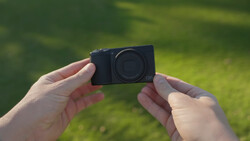
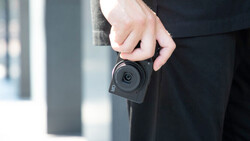
Wong also spends time on stabilization, an area where the GR III lagged. In testing, the GR IV’s sensor-shift system made it possible to handhold down to four seconds and still get sharp results. That is a major step up for a compact camera of this size. Handling is another positive. Despite being small and lightweight, the GR IV feels comfortable to hold thanks to a deep grip and rubberized texture. Responsiveness is quick, both in menus and in shot-to-shot use, making it well suited to spontaneous street moments.
Key Specs
-
25.74 MP APS-C CMOS sensor (6192 x 4128)
-
Redesigned 18.3mm f/2.8 lens (28mm equivalent)
-
Sensor-shift 5-axis stabilization, effective up to 6 stops
-
Native ISO 100–204,800
-
1920 x 1080 video at up to 59.94 fps
-
53 GB internal memory + microSD support
-
3" fixed touchscreen LCD
-
Built-in Wi-Fi 6 and Bluetooth 5.3
-
Weight: 8.0 oz (body only), 9.2 oz with battery and card
Not everything is perfect. Wong points out that battery life is limited to around 300–400 shots, meaning you’ll likely need spares for longer outings. The thumb grip area is cramped with too many controls, leading to accidental presses. He also calls out the choice of plus/minus buttons for exposure compensation instead of a dial, which slows down adjustments. Another limitation is the total blackout during burst shooting, which makes it hard to track moving subjects. And while the LCD is usable in bright sunlight, its resolution and brightness trail behind other modern cameras in this price range.
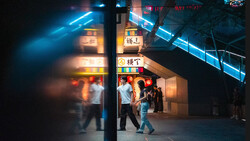
Still, features like 53 GB of built-in storage stand out, letting you shoot without relying on a memory card. Combined with reliable autofocus and stabilization, the GR IV feels like a genuine tool for street shooters who want a small but capable package. Wong shares plenty of image examples that back up these impressions, showing the sharpness, tonality, and responsiveness in real-world use. Check out the video above for the full rundown from Wong.

Join the Fstoppers community for free
-
Post comments and join in the discussions
-
Browse the site ad-free
-
Share your work and get featured in the community
-
Compete in the photo contests for fun and prizes
No comments yet