Street shooting puts any compact camera to the test, and this one gets pushed in fast-changing light, dense crowds, and constant motion. You’ll see how it actually behaves in the places you use a pocket camera instead of a studio chart.
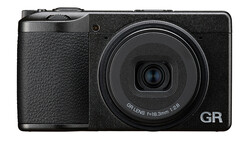
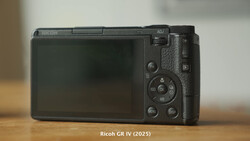
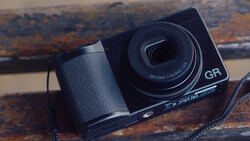
Coming to you from Lukasz Palka with EYExplore, this candid video puts the new Ricoh GR IV digital camera through real street work next to the GR III. Palka calls out the control changes first: the rear dial is gone, the exposure rocker returns, and the main dials feel looser and faster to spin, which speeds up on-the-fly adjustments. Autofocus looks snappier when you’re working single-point in low light, and startup and shutdown are clearly quicker. Expect cleaner files at the same ISO compared to the GR III based on his side-by-side frames, though you’ll want to watch to judge the noise yourself.
Palka pays close attention to the new battery and card setup. The larger DB-120 fits thanks to a microSD slot replacing full-size SD, and internal storage jumps to 53 GB, which saves a shoot if you forget a card. Battery life varies with behavior, screen use, and temperature, so plan on smart power habits and don’t assume miracles. Ergonomics get the real win: the revived exposure rocker and smoother control flow make quick exposure trims mid-composition feel natural.
Autofocus tracking still isn’t the star, but single-point hits more reliably in dim scenes like crowds under giant LEDs. Image stabilization stays impressive for a pocketable body, with hand-held one-second exposures possible if you’re steady and subject distance is reasonable. The lens remains a sharp 18.3mm, 28mm-equivalent at f/2.8, with rendering that will feel familiar if you’ve used earlier GR bodies. If you rely on face detect or deep tracking, temper expectations and stick to the decisive-focus style that suits this camera.
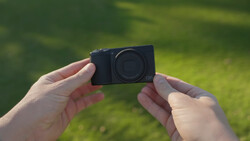
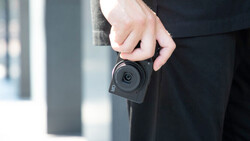
Other quality-of-life tweaks matter in the real world. Snap Priority gets its own spot on the mode dial, making zone-focus shooting faster to access. The camera stays pocketable and discreet, and the grip and strap-around-thumb hold still click into muscle memory. Heat can nudge battery indicators and performance, so give the body a breather between long stretches and keep the screen off when you can. If you’re coming from the GR III, the change feels evolutionary rather than dramatic, but that’s the point of a tool you already know how to use.
Key Specs
-
Effective resolution: 25.74 megapixel (6,192 x 4,128)
-
Sensor: 23.3 x 15.5 mm APS-C CMOS
-
Stabilization: 5-axis sensor-shift
-
Lens: 18.3mm (28mm equivalent), f/2.8 to f/16
-
ISO range: 100 to 204,800
-
Video: H.264/MPEG-4 AVC, 1920 x 1080 at 23.98/29.97/59.94 fps
-
Storage: 53 GB internal, microSD/microSDHC/microSDXC (UHS-I) slot
-
Wireless: Wi-Fi 6 and Bluetooth 5.3 control
-
Display: Fixed 3" touchscreen LCD, 1,037,000 dot
-
Battery: DB-120, 1,800 mAh, approx. 250 shots
-
Dimensions: 4.3 x 2.4 x 1.3 in (without protrusions)
-
Weight: 8.0 oz (body only), 9.2 oz (with battery and card)
If you chase the cleanest high-ISO files or want faster handling, you’ll notice the difference. If your GR III already fits your flow and you don’t miss the exposure rocker or extra storage, you can keep making the same pictures and wait. Check out the video above for the full rundown from Palka.
Join the Fstoppers community for free
-
Post comments and join in the discussions
-
Browse the site ad-free
-
Share your work and get featured in the community
-
Compete in the photo contests for fun and prizes
No comments yet