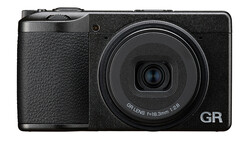
The release of the Ricoh GR IV digital camera marks an important update to this lineup, bringing changes that go deeper than its familiar exterior might suggest. If you work fast, in unpredictable conditions, the updates here matter.
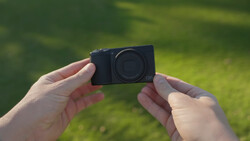
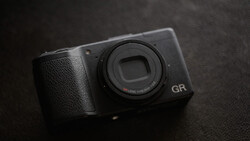
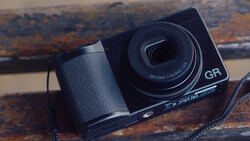
Coming to you from Samuel Lintaro, this detailed video offers a first look at the new Ricoh GR IV digital camera. While the body shape hasn’t strayed far from the GR III, Lintaro points out key refinements that give it a different feel in the hand. The grip is slightly sharper and more pronounced, making the slim body easier to hold securely. The back controls have also been reworked: the old toggle is gone, replaced by a true dial that both turns and presses in, giving quicker access to settings. The return of the plus-minus rocker switch from earlier GR generations will stand out to anyone who missed it in the GR III. These may sound small, but the sum is a more fluid handling experience.
One of the biggest improvements comes from autofocus speed and responsiveness. Testing side by side with the GR III, Lintaro demonstrates that the GR IV locks on noticeably faster, with tracking that is smoother and more consistent. While it still may not rival top-tier mirrorless systems for action, the gap has narrowed. He also highlights the addition of new aspect ratios, including 4:3, which broadens creative flexibility. The redesigned lens maintains the familiar 28mm equivalent focal length, but the promise of improved rendering and clarity makes it worth watching for full reviews when real-world sample images are available.
Key Specs
-
Effective resolution: 25.74 megapixels (6192 x 4128)
-
Sensor: 23.3 x 15.5 mm APS-C CMOS with sensor-shift 5-axis stabilization
-
Lens: 18.3mm f/2.8 (28mm equivalent)
-
ISO range: 100–204,800
-
Video: 1080p at up to 59.94 fps (H.264/MPEG-4 AVC)
-
Storage: single microSD slot, plus 53 GB internal memory
-
Wireless: Wi-Fi 6 (2.4/5 GHz), Bluetooth 5.3
-
Display: 3-inch fixed touchscreen LCD
-
Battery life: approx. 250 shots per charge
-
Dimensions: 4.3 x 2.4 x 1.3 inches
-
Weight: 8 oz body only; 9.2 oz with battery and card
Lintaro also notes one detail that will matter for fast shooters: blackout time between shots has been shortened. On the GR III, waiting for the screen to come back meant missed opportunities, a frustration for street photography. The GR IV improves this noticeably, making it possible to capture more fleeting moments. It still isn’t on par with full frame systems like the Nikon Zf, but it narrows the gap enough to make a difference in practice. Check out the video above for the full rundown from Lintaro.


Join the Fstoppers community for free
-
Post comments and join in the discussions
-
Browse the site ad-free
-
Share your work and get featured in the community
-
Compete in the photo contests for fun and prizes
No comments yet