The Sony 16-35mm f/2.8 GM II promises better sharpness, lighter weight, and faster autofocus than the original. When a lens costs $2,300, those claims need to show up in real use, not just on a spec sheet.
Coming to you from The Bergreens, this practical video takes a close look at the Sony 16-35mm f/2.8 GM II next to the original Sony 16-35mm f/2.8 GM. Bergreen has used multiple copies of the first version for years, so this is not a casual comparison. The new lens is 20% lighter and 10% smaller, and that difference shows up the moment you mount it. It extends less when zooming, which helps on a gimbal and keeps the setup balanced. If you travel or carry one lens all day, that reduced size changes how often you reach for it instead of a prime.
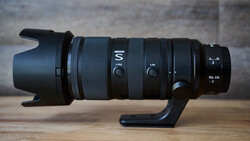
The GM II adds a manual aperture ring with a de-click option and a lock to prevent accidental changes. You get two customizable buttons instead of one, useful when switching between horizontal and vertical shooting. The lens hood is smaller and easier to pack, which sounds minor until you try fitting the older one into a tight bag. It still takes 82mm filters, so existing polarizers or ND filters fit without adapters. These details affect daily use more than lab charts ever will.
Autofocus is one of the main reasons Bergreen upgraded. The GM II uses four XD linear motors, and in practice, it locks on faster and tracks more confidently. Paired with high-resolution bodies like the Sony a7CR, that extra precision becomes noticeable. The lens is sharp corner to corner at f/2.8, even in low light, where the older version showed softer edges. Vignetting and distortion are reduced, which helps for video where in-camera corrections do not always save you. Focus breathing is also better controlled, a quiet improvement that matters if you shoot hybrid work and rely on smooth focus pulls.
Close focusing improves from 0.28 m to 0.22 m, letting you get tighter without switching lenses. Bokeh is slightly cleaner, with less cat’s-eye effect in the corners and fewer onion-ring artifacts. The zoom and focus rings feel smoother, removing the slight stiffness some users noticed in the first version. None of these changes alone justify an upgrade, but together they shift the experience. You start to trust the lens more. You stop second-guessing edge sharpness at f/2.8. You spend less time fixing small flaws in post.
Price remains the sticking point. If that number feels high, alternatives exist. The Sony 16-35mm f/4 G PZ offers a lighter option with power zoom. The Sigma 16-28mm f/2.8 DG DN Contemporary trims cost and weight if you can live without the 28-35mm range. Tamron’s 17-28mm f/2.8 Di III RXD is another strong value. Bergreen is clear that the improvements in the GM II are incremental, not revolutionary, and that honesty helps you weigh the decision without hype. Check out the video above for the full rundown from Bergreen.





Join the Fstoppers community for free
-
Post comments and join in the discussions
-
Browse the site ad-free
-
Share your work and get featured in the community
-
Compete in the photo contests for fun and prizes
No comments yet