If you want a compact cinema body that can shoot serious 6K while still fitting in a travel bag, the Nikon ZR hits a very specific need. It lets you rethink whether you actually need something like a more expensive cinema camera once you factor in raw codecs, audio, and how easily it fits around everything else you already carry.
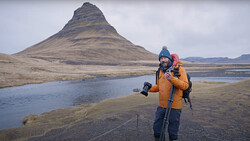
Coming to you from Stefano Lombardo, this detailed video walks through what it is like to live with the Nikon ZR 6K cinema camera after a long trip, not just a weekend test. Lombardo explains why he wanted a small, flat cinema body that feels like a run and gun tool and why this one made him pause on buying a Sony FX3. You see how the thin body slips into a bag more easily than a traditional deep grip, yet still feels comfortable enough in the hand for long shooting days. The big 4" rear screen becomes a major part of the experience, since you can actually judge focus, exposure, and composition without squinting at a tiny LCD. You also get to hear how the internal 32-bit float audio and adjustable pickup patterns work for talking to camera at close range, which matters if you want to travel light without committing to a full external audio rig.
Lombardo spends a lot of time on codecs, but in a way that connects to how you actually work. He shoots Red raw, N raw, ProRes raw, ProRes 422 HQ, H.265, and H.264, then talks about what each feels like once you sit down to edit. The Red raw files are his high-quality option, with extra flexibility for white balance and ISO tweaks in post, while the compressed formats still look good enough that you can use them for lighter projects and content pieces. He addresses all the chatter about H.265 from this camera and shows that it only really looks “bad” when you freeze frame against Red raw at 6K. You get a sense of which format you might want to rely on day to day and which ones you save for special projects where the client and the grade demand the extra data.
As you watch, you also see how adaptable the camera becomes if you already have gear from other systems. Lombardo uses an ultra thin adapter to run his existing Sony E mount glass on the Z mount body with full autofocus and aperture control, which means you do not have to abandon your lens kit if you are crossing over from a Sony setup. He leans on a large 1.6 TB ProGrade Aridium 4.0 CFexpress Type B card so he can shoot hundreds of gigabytes of Red raw without constantly swapping media. The ZR’s autofocus keeps up with adapted lenses in real use, so you are not forced into an all manual workflow unless you want that on purpose. Lombardo also touches on stills, showing that the 24.5-megapixel full frame sensor and Nikon color make it easy to leave another body in the hotel and use this camera for both video and photos on a trip.
Key Specs
-
Nikon Z lens mount with full frame 35.9 x 23.9 mm CMOS sensor
-
24.5-megapixel resolution for stills and video
-
5-axis sensor shift image stabilization with up to 7.5 stops of compensation
-
Dual base ISO at 800 and 6,400, native ISO 100 to 64,000
-
Internal ProRes raw 12 bit up to UHD 6K 6,048 x 3,402 at 24, 25, and 30 fps
-
Internal Red raw 12 bit up to UHD 6K 6,048 x 3,402 at frame rates up to 60 fps
-
ProRes 422 HQ, H.265 8 or 10 bit, and H.264 8 bit with frame rates up to 240 fps in 1,920 x 1,080
-
Articulating 4" touchscreen LCD with 3,070,000 dot resolution
-
CFexpress Type B main slot plus microSD secondary slot
-
Micro-HDMI video out, 3.5 mm mic and headphone jacks, and USB-C for power and data
-
Stereo internal microphones with 32-bit float audio recording and adjustable pickup patterns
The video does not hide the weak points. Lombardo notes that the camera lacks open gate and in-body anamorphic desqueeze, which may matter if you rely on those formats for social crops or anamorphic glass. He points out that the micro-HDMI port can be fragile if you are running monitors or wireless transmitters, and that the camera gives no clear external indicator that it is powered on if the screen is folded away. He also talks about bit rates being locked at the high end for many codecs, so you eat a lot of storage when you live in 6K Red raw or high frame rate ProRes 422 HQ. Check out the video above for the full rundown from Lombardo.


Join the Fstoppers community for free
-
Post comments and join in the discussions
-
Browse the site ad-free
-
Share your work and get featured in the community
-
Compete in the photo contests for fun and prizes
No comments yet