The Sigma 17-40mm f/1.8 DC Art lens is shaking things up. You don’t often get an APS-C zoom lens that promises both speed and versatility while still being aimed at serious users.
Coming to you from James Reader, this thorough video puts the Sigma 17-40mm f/1.8 DC Art lens through its paces. Reader compares it directly against familiar options like the Canon RF 35mm f/1.8, and the results may surprise you. The Sigma often outperforms Canon’s prime in sharpness while delivering what feels like a true full frame look, which is rare on an APS-C body. At the wide end, you get immersive environmental portraits, and by 40mm, you can achieve flattering headshots with plenty of background blur. Reader makes it clear that this lens isn’t just a replacement for a bag of primes; it’s also giving you the creative flexibility you need without compromises in image quality.
This video also digs into why the 17-40mm f/1.8 is more than a portrait tool. Reader shows how it works as a reliable everyday zoom for landscapes, travel, and even street photography. On the Canon EOS R7, the lens delivers about a 27 to 60mm full frame equivalent, which is close to what many full frame shooters rely on with a 28-70mm f/2.8 zoom. The character of the images holds up, too. Skin tones remain natural, backgrounds blur without distracting artifacts, and the bokeh stays pleasing across the zoom range. If you’ve been relying on the smaller Sigma 18-50mm f/2.8, this new lens is positioned as a clear step up—heavier, yes, but solidly built and part of Sigma’s Art lineup, which speaks to its premium performance.
Key Specs
-
Focal Length: 17 to 40mm (35mm equivalent: 25.5 to 60mm)
-
Maximum Aperture: f/1.8
-
Minimum Aperture: f/16
-
Lens Mount: Canon RF, Sony E, Leica L, Fujifilm X
-
Coverage: APS-C
-
Minimum Focus Distance: 11 in / 28 cm
-
Magnification: 0.21x (1:4.8 macro reproduction ratio)
-
Optical Design: 17 elements in 11 groups
-
Aperture Blades: 11, rounded
-
Focus Type: Autofocus
-
Image Stabilization: No
-
Filter Size: 67 mm
-
Dimensions: 2.9 x 4.6 in / 72.9 x 115.9 mm
-
Weight: 18.9 oz / 535 g
Where things get interesting is autofocus. Reader notes that on the R7, subject tracking can sometimes feel less confident, but on newer bodies like the Canon R50 V, performance is excellent—fast, silent, and more in line with pro-level lenses. For video shooters, the constant f/1.8 aperture is a gift in low light, giving you twice the light-gathering ability of a standard f/2.8 zoom. The footage shows sharpness, vibrant colors, and very little focus breathing, making it a true hybrid lens. The only drawback is the lack of optical image stabilization.
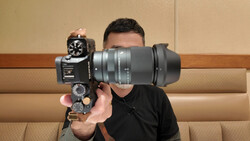
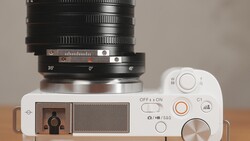
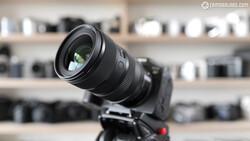
Build quality feels premium, with a solid all-metal design, internal zoom, and thoughtful controls like customizable function buttons and a command wheel. At just over 500 g, it’s lighter than many others options while still feeling robust and well-balanced on smaller APS-C bodies. Reader points out that Sigma has even stepped up its packaging, making the experience more refined. Check out the video above for the full rundown from Reader.



Join the Fstoppers community for free
-
Post comments and join in the discussions
-
Browse the site ad-free
-
Share your work and get featured in the community
-
Compete in the photo contests for fun and prizes
2 Comments
I wonder why there is no NIkon version of this lens..
Plays nicely with the Fujifilm X-S20's IBIS for video. In fact, aside from the opposite direction of the zoom ring function from Fuji's standard convention, I can't find any integration issues with this lens. Color, quality, and functionality are all right up three with Fuji's absolute best! It's my new favorite lens.