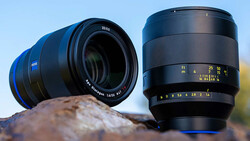
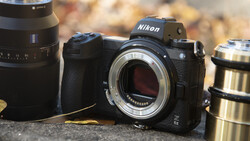
The Zeiss Otus ML 50mm f/1.4 brings the legendary optical quality of the Otus series into a mirrorless-friendly package. Here's a look at what you can expect.
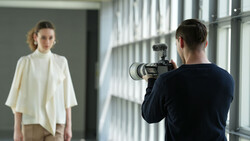
Coming to you from Ted Forbes of The Art of Photography, this comprehensive video breaks down the Zeiss Otus ML 50mm f/1.4. Forbes explains how this new mirrorless version maintains the exceptional "Zeiss look" while dramatically reducing size and weight compared to its DSLR predecessors. The original Otus lenses were optical marvels that came with a major portability penalty; they were simply too large and heavy for many real-world shooting scenarios. This new ML version changes that equation entirely, offering the same no-compromise optical philosophy in a package you can actually carry around. Forbes demonstrates the lens' remarkable ability to create immediate subject isolation through its engineered focus falloff, showing how it produces that coveted three-dimensional look that separates premium optics from the competition.
The video reveals some fascinating technical improvements Zeiss made during the redesign process. Forbes discusses how the company didn't simply shrink the original design but actually enhanced it, using more lens elements to reduce spherical aberration and coma compared to the DSLR version. He notes that his production copy eliminates the slight red fringing he observed in the pre-production model, suggesting Zeiss refined the optics between versions. The manual focus experience gets particular attention, with Forbes explaining his preferred setup for critical focusing and why he disables the automatic focus magnification feature. You'll learn about the lens's de-clickable aperture feature and how it benefits video shooters who need smooth aperture transitions.
Key Specs
- Focal Length: 50mm
- Maximum Aperture: f/1.4, Minimum: f/16
- Lens Mounts: Sony E, Nikon Z, Canon RF
- Optical Design: 14 elements in 11 groups (2 aspherical)
- Aperture Blades: 10 rounded blades
- Minimum Focus Distance: 1.6 feet / 50 cm
- Weight: 1.6 lb / 718 g
- Dimensions: 3 x 4 inches / 77 x 102 mm
- Filter Size: 67mm
- Focus Type: Manual only
Forbes addresses some practical considerations you won't find in typical spec sheets. He discusses how easily the aperture ring can shift during handling and why the absence of L-mount compatibility disappoints him given recent developments in that ecosystem. The video also positions this lens within Zeiss' broader strategy and hints at future focal lengths, including the upcoming 85mm version that has Forbes particularly excited. Check out the video above for the full rundown from Forbes.



Join the Fstoppers community for free
-
Post comments and join in the discussions
-
Browse the site ad-free
-
Share your work and get featured in the community
-
Compete in the photo contests for fun and prizes
3 Comments
I love that these exist, and if I had 10's of thousands for disposable income, I'd absolutely own them and they'd be glued to something like a Nikon Zf.
But as a professional photographer, I couldn't imagine using a manual focus lens for my job. Optical excellence means nothing when it's out of focus, and neither I or my clients have the patience for that shit.
Jon
Thats a hard sell. I know where you are coming from but what about the days before af.
I just tested this on a zf and it has become my favorite combo so far.
Read more here
https://www.zeissimages.com/messageboard/68
Days before autofocus? So like.. 40 years ago? Modern advertising takes way more risks now nad has much more energy in it than it did back during the Carter Administration.
Look, if it's studio product, architecture, or stop motion, sure. Manual focus is fine, or even preferred. I shoot a lot on a Nikon 85PC in the studio.
Lifestyle? Gimme a break. Anyone using a manual focus lens in 2025 for ATL lifestyle usage is either using an -extremely- specialized lens, or more likely just being a jerkoff.
Nobody in their right mind would use a manual focus lens for lifestyle. They'd get sick of their Digitech yelling out "numbers are bad" because it'd be out of focus 1/2 the time.