Dancers are among the most technically demanding subjects to photograph, and most of the challenge has nothing to do with dance knowledge. Understanding how a dancer's movement, positioning, and body lines interact with your camera, your light, and your background is what separates a compelling image from a wasted session.
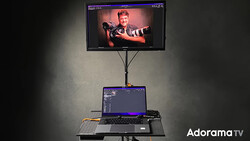
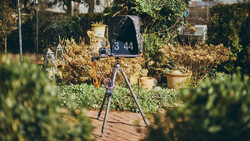
Coming to you from Lindsay Adler Photography, this practical video breaks down the specific decisions that shape a successful dance shoot, even if you have zero dance training. Adler opens with one of the most underused tools in this context: tethering. Because dance technique involves subtle details like hand shape, turnout, and extension height, things you won't catch in real time, letting the dancer see the images as you shoot turns them into a collaborator rather than just a subject. She uses the newest Tether Tools tether cable along with an external monitor rotated toward the dancer, so feedback is immediate and adjustments happen on the spot. One small correction to posture or line can completely change what the image communicates.
Adler also addresses foreshortening, which is one of the trickier technical problems in dance photography. When a limb extends directly toward or away from the camera, it appears compressed and shortened, which can make a technically perfect pose look wrong in the frame. A dancer trained for the stage may not realize their position photographs differently than it reads in person. Small positional shifts can restore the length and elegance of a line, but it requires clear communication on your part. She also covers the case where large movements push the dancer beyond the edges of your background, and her solution is to back up and use a longer focal length, specifically recommending zoom lenses, which gives the dancer room to move while keeping everything within the frame.
On the technical side, Adler walks through the difference between shooting dance with continuous light versus strobes, and the distinction matters more than most people realize. With continuous light, you're relying on shutter speed to freeze motion, and she recommends starting at 1/500 of a second or faster for jumps. With strobes, the variable that actually freezes motion is flash duration, not shutter speed. That means you need to know whether your strobe has a freeze mode or a way to shorten flash duration, and lower power settings sometimes help depending on the unit. She also pushes back on the habit of using burst mode, arguing that anticipating the peak of a movement and timing a single frame to it produces better results than spraying and hoping. Lighting choices matter here too, particularly how shadow placement can obscure a dancer's lines and undercut the entire image. Adler covers how to use rim lights and fill lights to preserve separation, and how repositioning your key light can keep shadows from competing with the subject. Check out the video above for the full rundown from Adler.

No comments yet