





Every Photographer's Worst Nightmare: How to Make Sure It Never Happens
The most expensive photograph you'll ever lose is the one you never backed up.
The most expensive photograph you'll ever lose is the one you never backed up.
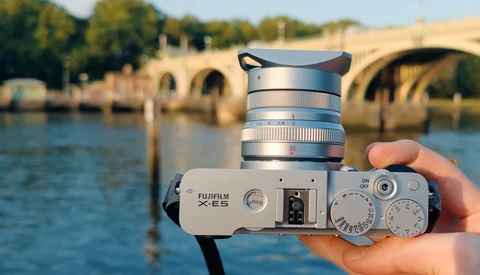
Fujifilm's new X-E5 mirrorless camera has arrived, bringing intriguing upgrades from the X-E4 and catching attention with a sleek form factor and enhanced capabilities. For those considering a compact, interchangeable lens camera, the X-E5's improvements offer compelling reasons to take a closer look.

Kase's entry into the autofocus lens market with the new Kase 85mm f/1.4 lens could shake things up, especially if you're into portraits or low-light photography. A company's first autofocus lens often reveals a lot about its potential, and Kase is making an ambitious statement here.
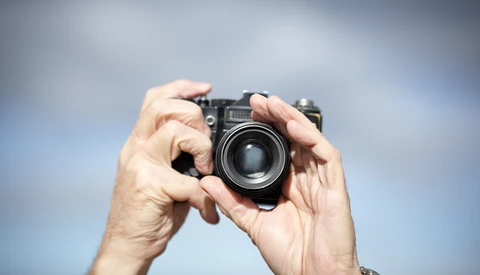
There's a lie we tell ourselves about photography equipment: that the camera doesn't matter. It's a comfortable fiction that lets us sleep at night, convinced that our artistic vision transcends mere machinery. But here's the uncomfortable truth that every photographer who lived through the transition from point-and-shoot to SLR knows deep in their bones: the moment you first wrapped your hands around a "real" camera, everything changed.
Sigma recently released what might be the most significant APS-C lens in years with their new 17-40mm f/1.8 DC Art. This lens updates the legendary 18-35mm f/1.8 that photographers and filmmakers have loved since 2013, promising the same cinematic look in a more refined package.
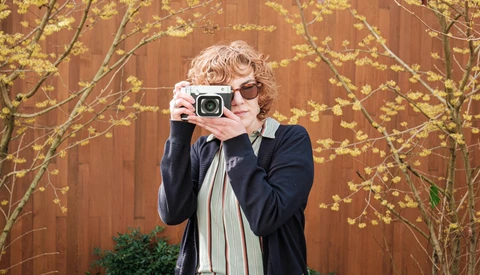
The Fujifilm GFX100RF marks a significant shift in medium format photography, combining the portability philosophy of the X100 series with the image quality of a 102-megapixel sensor. This camera represents Fujifilm's first attempt at creating a fixed-lens rangefinder in their medium format lineup, targeting photographers who want large sensor quality without the bulk of traditional medium format systems.

While the photography world obsesses over the latest mirrorless sensors and pixel-peeping debates, we've forgotten one of photography's most powerful features: its ability to make us laugh until our sides hurt. In an era where every Instagram feed demands perfection and every portfolio must demonstrate technical mastery, these irreverent collections remind us that some of the most memorable images are born from pure, unfiltered joy.

The Nikon NIKKOR Z 35mm f/1.2 S represents the pinnacle of wide angle prime lens engineering, but its $3,000 price tag raises serious questions about value and necessity. Understanding whether this ultra-premium optic justifies its cost requires examining both its exceptional capabilities and compromises.

The Voigtlander NOKTON 40mm f/1.2 Aspherical lens represents something truly unique in the lens world, as it's currently the only full frame 40mm f/1.2 optic available anywhere. For anyone seeking that perfect middle ground between the versatility of a 35mm and the slightly tighter framing of a 50mm, this manual focus lens promises an intriguing combination of ultra-wide aperture and compact size.

Every December, millions of American families would pile into their station wagons and head to Sears, JCPenney, or their local department store for an annual ritual as predictable as Black Friday sales: the family holiday portrait. What most people don't realize is that this seemingly mundane tradition fundamentally shaped modern portrait photography in ways that persist today, creating standards for lighting, posing, and customer experience that professional photographers still follow—often without realizing where these conventions originated.
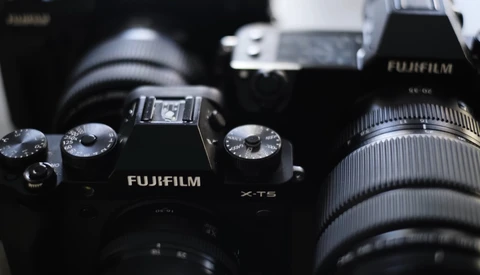
Fuji's GFX medium format cameras promise superior image quality over the company's APS-C X system, but that advantage comes with significant trade-offs in weight, lens selection, and cost. Most photographers considering the upgrade focus entirely on pixel counts and dynamic range while overlooking how these practical limitations affect real-world shooting scenarios.

Affordable lenses with professional-level quality can seem too good to be true, especially for portraits. Choosing the right lens can elevate your images, but it’s important to make sure you’re spending wisely and getting something that fits your photography style.

Remember when photography had rules? Not guidelines or suggestions, but actual rules that separated the pros from the amateurs, the trained from the untrained, the serious from the snapshot-happy masses. These weren't arbitrary dictates from some photography ivory tower—they were hard-won principles developed over more than a century of image-making, refined through decades of darkroom experimentation, and codified in countless photography textbooks that gathering dust on our shelves. Then social media happened.
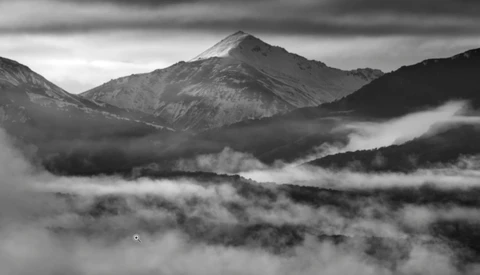
Black and white photography demands a different kind of approach. Knowing when and how to convert your images can mean the difference between a photo that commands attention and one that feels flat.

Posing portraits shouldn't be complicated, yet it's an area many find challenging. Getting poses right transforms your images from ordinary to powerful.
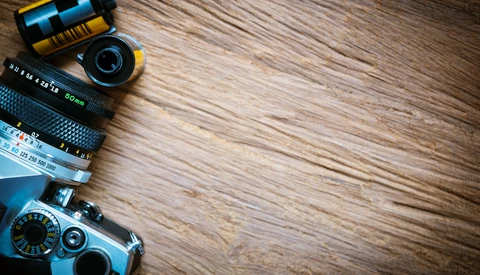
Sarah clutched the yellow Kodak mailer envelope like it contained state secrets. Inside, a single roll of Kodak Gold 200—thirty-six exposures of her life over the past three weeks, wound tight in its metallic canister.
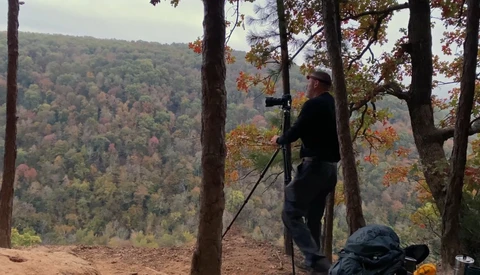
Choosing your first landscape photography camera isn't about specs alone—it’s about finding gear that suits you personally. The right camera can make the difference between thriving or getting stuck worrying about equipment.

The Meike 85mm f/1.8 Pro II, a fresh version of Meike's budget-friendly autofocus lens, is here, and it comes with some impressive upgrades. With portrait lenses often costing quite a bit, finding affordable yet capable alternatives is something every camera enthusiast appreciates.
The photography industry has a short memory. Every few years, we collectively forget the tools that once defined professional image-making, replacing them with newer technologies that promise greater convenience, better performance, or simply different aesthetics. But buried beneath decades of technological progress lie lenses that didn't just capture images—they created entire visual languages, established technical standards, and enabled photographic possibilities that seemed impossible at their time.

Choosing between Canon’s RF 28-70mm f/2.8 and RF 24-105mm f/4 lenses is tougher than it looks. Both offer exceptional quality, but figuring out which fits your needs best can make or break your experience in the field.
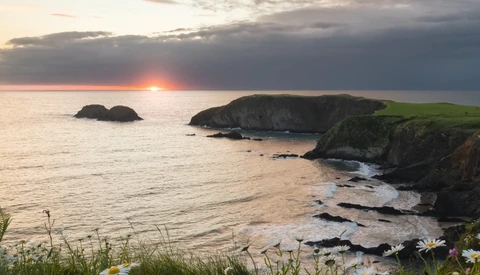
Understanding light isn't just about technical skill; it's about transforming ordinary scenes into standout images. Knowing how to read and use various types of natural light can help you create more interesting and satisfying photos, regardless of weather or conditions.
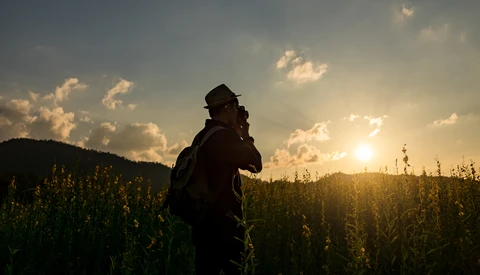
Remember when you could spot a "serious" photographer by the motor drive hanging off their Nikon F3? Or when the difference between ISO 800 and ISO 1600 capability could make or break a camera purchase decision? If you're nodding along, you've witnessed some interesting technological shifts in photographic history that completely obliterated features that once defined camera excellence.
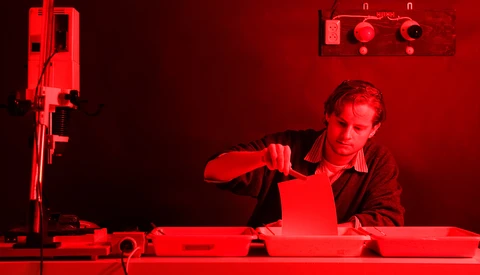
Picture this: You're standing in perfect golden hour light, watching a bride and groom share their first dance as married partners. Your light meter reads perfectly, your Nikon F4 is loaded with fresh Kodak Portra 400, and you've got exactly seven frames left on the roll. Seven. The pressure in your chest isn't just excitement—it's the very real anxiety that defined an entire generation of photographers who learned their craft when every single exposure had tangible, immediate value.

Removing glare from glasses is a constant challenge when editing portraits, especially if you want a clean, realistic look without losing facial detail. Whether shooting professionally or for fun, glare can detract from your photos, making mastering this skill valuable.
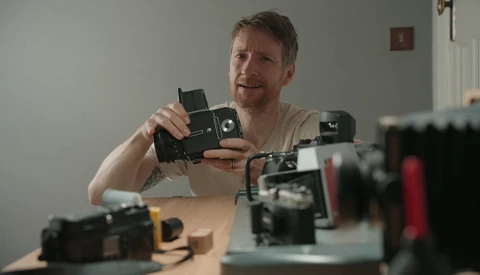
Film photography made a big comeback over the past decade, but where does it stand today, in 2025? The journey of film's revival and its current relevance is something worth understanding, especially if you're considering picking up an analog camera.
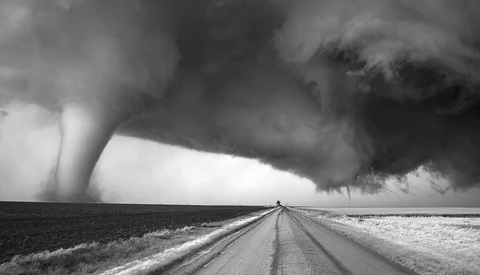
There's a moment in every storm chaser's career when they realize they're no longer just documenting weather—they're bearing witness to something far more profound. For Hank Schyma, better known as Pecos Hank, that realization came gradually over three decades of pursuing supercells across the Great Plains, but it crystallized into something deeper: an understanding that storms aren't just meteorological phenomena to capture, but windows into the very nature of scientific truth and human humility.
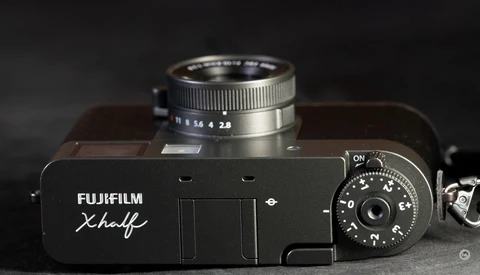
The Fujifilm X half isn’t your typical camera—it prioritizes a unique shooting experience over flashy specs. Its appeal lies in capturing a vibe, making it ideal if you're drawn to creative photography that goes beyond pixels and autofocus points.
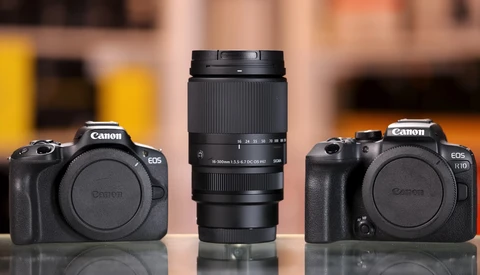
The Sigma 16-300mm f/3.5-6.7 DC OS Contemporary lens promises to be an all-in-one solution for crop-sensor camera users. With its exceptionally broad zoom range, it aims to appeal to users looking for convenience over outright quality.
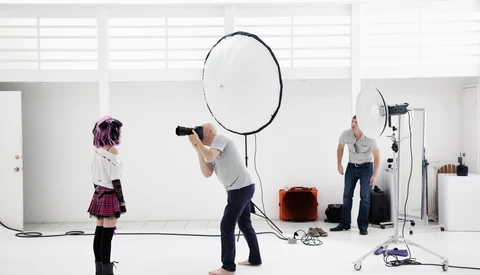
When Kodak filed for bankruptcy in 2012, it wasn't just the end of an iconic brand—it was the tombstone marking the grave of a centuries-old apprenticeship system that had been the backbone of professional photography education. Today's Instagram-famous photographers may command six-figure day rates, but they've never experienced the foundational learning that came from spending years in the trenches as a photography assistant, and the industry is weaker for it.
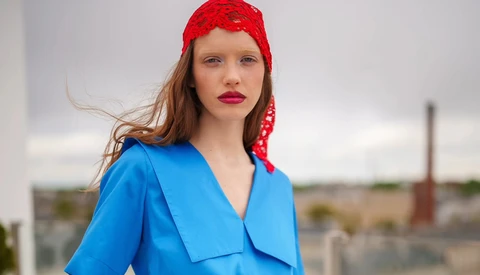
The Viltrox AF 35mm f/1.2 LAB FE promises professional-grade performance at a lower cost than comparable Sony glass. When you're looking at f/1.2 apertures in the 35mm focal length, you're typically facing eye-watering price tags that put serious wide-aperture photography out of reach for many, but not with this lens.
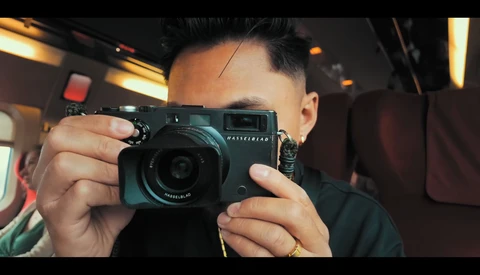
The Hasselblad Xpan remains one of the most coveted and controversial cameras in film photography, commanding prices between $4,000 and $7,000 for a body and lens. This panoramic 35mm camera promises a cinematic shooting experience that fundamentally changes how you approach composition, but the question remains whether it lives up to the massive investment.

When Lisa first picked up her camera to photograph newborn Emma, she thought she was simply documenting precious moments—but over eighteen years, that faithful lens became witness to something far more profound: the complete transformation of a helpless infant into a confident young artist ready to claim her independence.
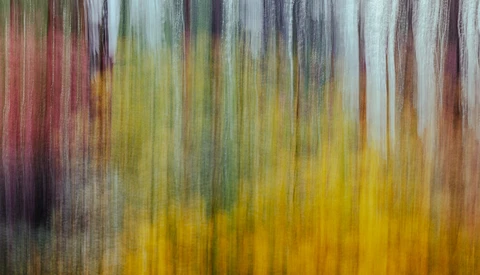
The Fstoppers community is brimming with creative vision and talent. Every day, we comb through your work, looking for images to feature as the Photo of the Day or simply to admire your creativity and technical prowess. In 2025, we're featuring a new photographer every month, whose portfolio represents both stellar photographic achievement and a high level of involvement within the Fstoppers community.
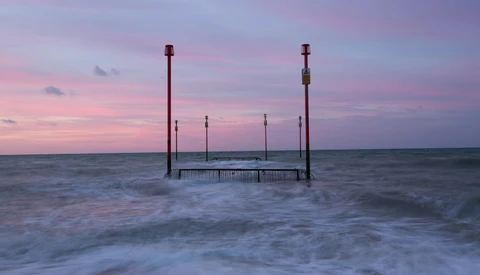
Many photographers fall into the trap of believing their hometown lacks photogenic subjects while envying images from distant locations. This mindset blinds you to compelling compositions that exist right under your nose, requiring a deliberate shift in perspective to rediscover familiar places.
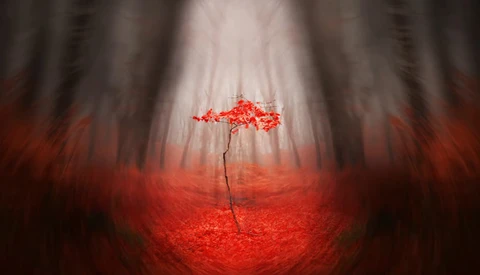
Creating compelling photography work often means thinking beyond the single image. When you approach your craft as a series of connected photographs rather than isolated shots, you unlock storytelling potential that individual images simply cannot achieve on their own.