





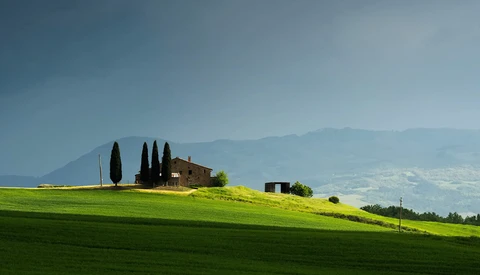
Moody Landscape Shots in Five Practical Steps
Moody weather changes everything. When you learn how to handle it, you can walk out the door with your camera no matter what the sky looks like, and come home with something powerful.
Moody weather changes everything. When you learn how to handle it, you can walk out the door with your camera no matter what the sky looks like, and come home with something powerful.

Cinematic photos have a certain draw. The way light, depth, and story come together can transform an ordinary scene into something memorable, and learning to create these effects will change how you approach every shot you take.
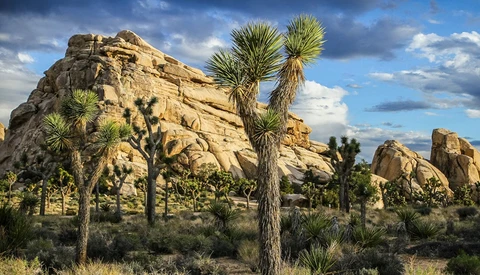
Lightroom’s new AI masking tools let you target areas like sky, mountains, water, and buildings in your photos without spending time painting masks by hand. If you’re working with images that mix natural and manmade elements, these features let you adjust only the areas you want. You can brighten a sky, sharpen a building, or bring out color in a patch of grass, without the usual hassle of doing it all manually.

Photoshop has a new tool for removing reflections from images, making it much easier to fix problems that used to be time-consuming. Glare and reflections on glass, water, or shiny surfaces can ruin an otherwise good shot, and fixing these has always required careful, manual editing.
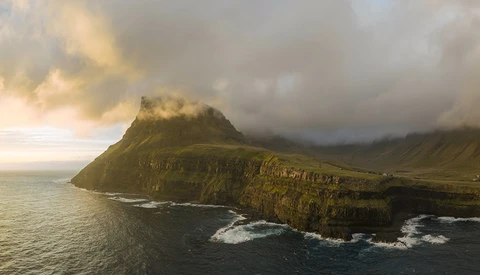
Drones have become essential tools for capturing unique perspectives, and DJI’s latest model—the DJI Mavic 4 Pro—is attracting attention for good reason. For those of you exploring ways to elevate your photography, understanding how this new drone performs in real-world conditions matters greatly.

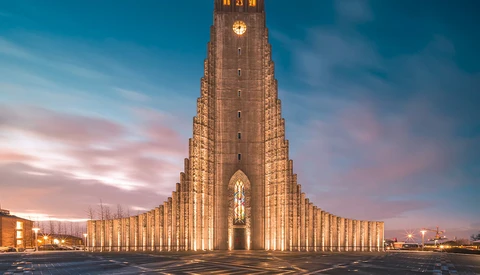
Capturing blue hour is rewarding, but the real magic happens during editing. Learning precise techniques to refine exposure and color helps your images resonate more strongly with viewers.
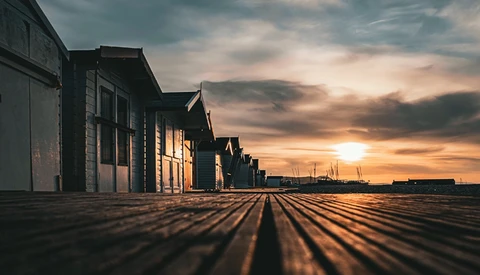
Most photographers learn Lightroom by experimenting on their own, but exploring how others retouch images can drastically improve your editing skills. Understanding someone else's process step-by-step is a powerful learning method that could significantly refine your approach and results.
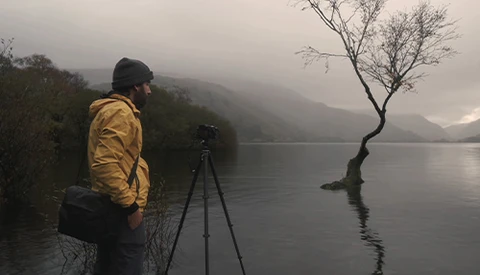
Daily photography practice isn’t just about quantity—it's about refining your eye and staying creatively sharp. Keeping your camera close and your skills fresh can deeply transform how you approach photography.

Adobe recently released a new removal tool in Photoshop beta, offering a streamlined way to eliminate unwanted objects without relying on generative fill. This update simplifies editing, saves your generative credits, and delivers cleaner results.
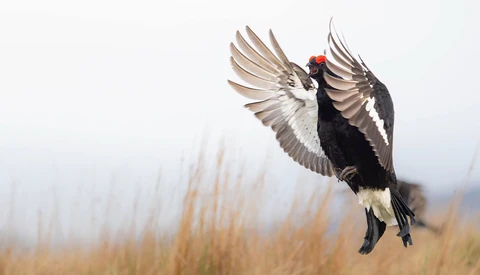
Photographing wildlife in low-light conditions can challenge even the most skilled shooter. Knowing how to manage these tough situations can dramatically improve your wildlife images.

After nearly a decade with Sony gear, this photographer shares what works—and what doesn’t—when it comes to using these cameras for both stills and video. If you’re deciding whether to buy your first Sony or considering switching to something else, this kind of hands-on, long-term insight helps you weigh real pros and cons without marketing fluff.
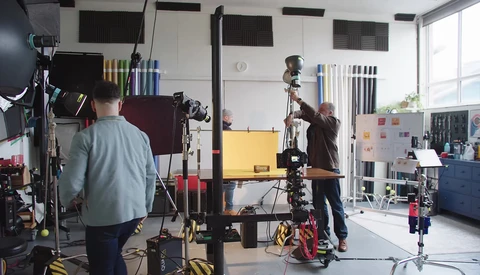
It takes years of struggle and experience to learn some lessons as a professional photographer. Knowing them upfront can make the difference between frustration and progress.

Every creative career faces a quiet threat: the moment when experience becomes a barrier rather than a stepping stone. Recognizing when you're hitting that wall is essential if you want to keep growing in photography.
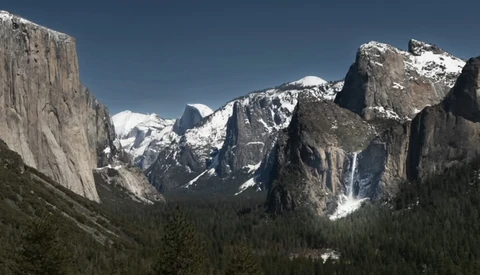
Masks in Lightroom Classic give you control over how precise your photo edits can be, offering a creative depth that’s hard to achieve using basic adjustments alone. Understanding how masks work is crucial if you want your images to look polished and professional without appearing heavily edited.

Capture One just released a new public beta version, adding AI-powered retouching tools designed to streamline your workflow. Here's a look at how it performs.
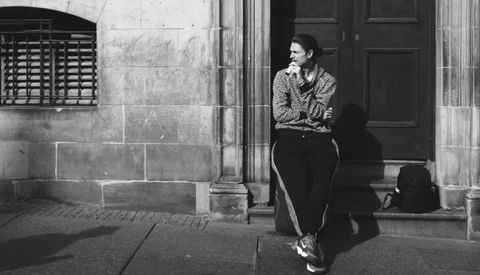
Editing in dramatic black and white images can elevate the impact of your shots significantly. It’s a way to strip away distractions and focus on the emotions and details that make scenes compelling.

You might often wonder why the final image falls short of your expectations. The disconnect between what you saw and what your camera captured can be frustrating, even discouraging.

Photographing sunrise can yield spectacular shots, especially when you're ready to adapt quickly to changing conditions. Knowing how to handle these moments effectively can make the difference between a good and an outstanding photo.
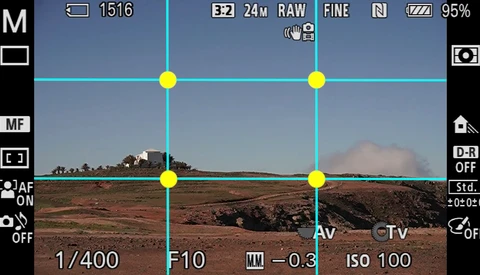
Composition changes how people react to your photos, and even tiny adjustments can completely shift a viewer's focus. Knowing exactly how to position your camera is often the difference between an okay photo and a great one.
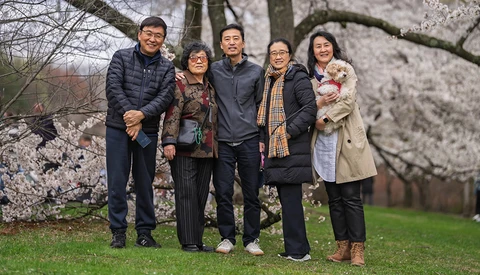
The Viltrox AF 135mm f/1.8 LAB lens is creating a buzz among Sony and Nikon shooters, offering a combination of excellent image quality and a fast aperture. Its potential to elevate portrait and sports photography makes it a lens worth considering for those looking to step up their game.
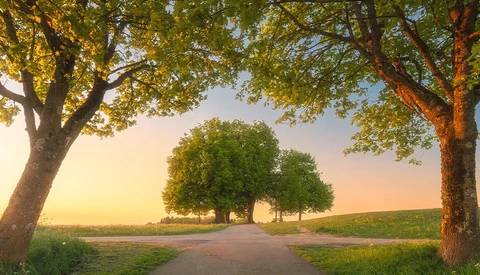
Lightroom recently introduced a landscape masking tool designed to simplify complex edits in landscape photography. This tool can drastically improve your editing workflow and give you precise control without extra effort or complicated techniques.

Knowing how to effectively use continuous LED lights and v-flats can greatly simplify your process, helping you capture professional results without excessive gear.
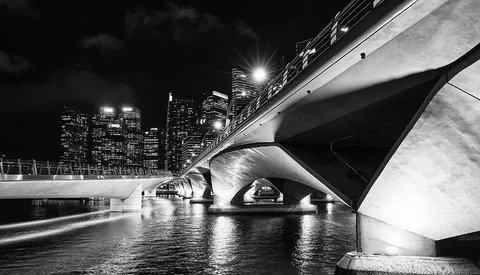
Fujifilm’s XF 16-50mm f/2.8-4.8 R LM WR lens is an updated kit lens that aims to bring higher-quality performance and usability to everyday photography. Whether you're scouting locations for clients, traveling casually, or needing a compact lens with reliable weather-sealing, this lens could become your preferred companion.
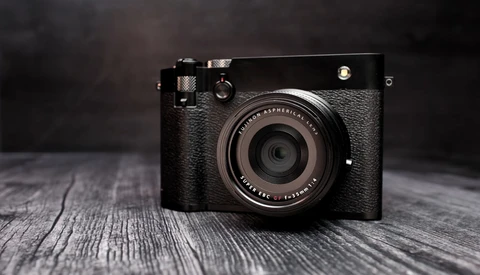
Sensors determine the look and clarity of your photos. Knowing the difference between Bayer and X-Trans sensors directly influences your camera choice, workflow, and the software you use to edit your images.

Adobe has updated Photoshop with an innovative new Actions Panel, making workflows faster and more intuitive.

Photoshop's generative fill and generative expand tools can seem impressive at first, but there's a critical limitation you need to know about before relying on them heavily. Understanding these tools' limits is crucial for anyone editing high-resolution images intended for professional use or large prints.
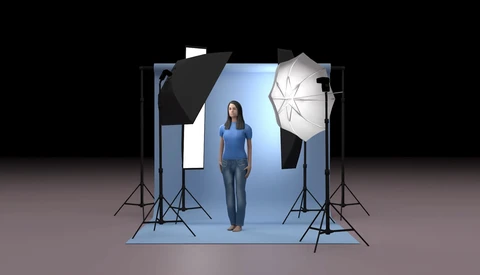
When you're starting out in photography, a few solid tips can shortcut your way through common frustrations. These pointers, grounded in practical experience, can change your approach and improve your results dramatically.

The Sigma BF mirrorless camera isn't typical; it's a piece of gear built around aesthetics, simplicity, and the joy of photography. If you're someone who values the experience of capturing images as much as the results, this camera might hold particular appeal.
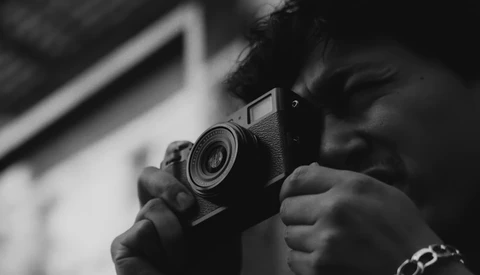
Black and white photography strips away distractions, leaving you with only the basics—form, shadow, and light—to shape your images. Mastering this simplicity helps you understand composition on a deeper level.
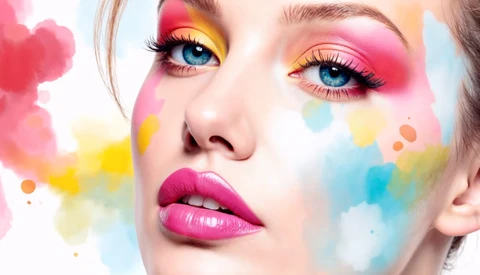
Adobe just rolled out a significant update to Photoshop’s Hue/Saturation (HSL) adjustment tool, and it’s something you'll want to know about.

Many introverts struggle to balance the demands of photography, a profession often dominated by social interactions. Understanding how to thrive despite this challenge is crucial to succeeding in your career.

Your pricing strategy could be the silent killer of your wedding photography business. How you present your rates to potential clients directly impacts your inquiries, your client quality, and ultimately your bottom line.

Third-party lenses are challenging established brands with impressive performance at lower price points, making the choice more complex than ever before. Here's a look at two fantastic 35mm lenses.

Creating exceptional photos requires more than technical skills or expensive equipment. The difference between good and great photography often comes down to fundamental creative principles that transform ordinary images into compelling visual stories.