







Five Mistakes to Avoid in Landscape Photography
When doing landscape photography, there are many things to keep your eye on and be aware of. Here are five mistakes to avoid.
When doing landscape photography, there are many things to keep your eye on and be aware of. Here are five mistakes to avoid.
As a photographer, you have probably been told to slow down and focus on your composition to make the best possible photo. What we also know is there are many fleeting moments and being ready for these are of utmost importance if you want to catch them.
Perfectionism is a trending topic in modern society, but can we not do without?
How do you improve as a landscape photographer? That question is very hard to answer. I am not talking about settings, composition, or light. I am talking about “landscape photographer” in the broad sense. There is much more to being a landscape photographer than great photos.
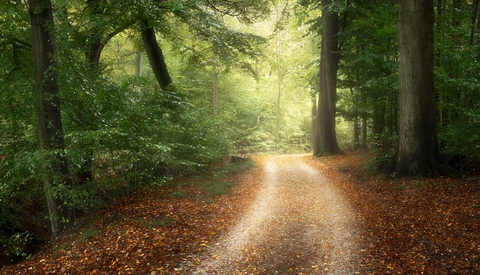
Are you struggling with photographing in forests? Here are five tips to get you started.
The best analogy for photographing well-photographed locations is to make covers of famous pieces of music. Just like a musician practices his guitar skills with “Nothing Else Matters” and makes his own version, a landscape photographer might do the same at Skogafoss in Iceland or Mesa Arch in Utah.
What is photography worth if we do not do it for our own wellbeing?
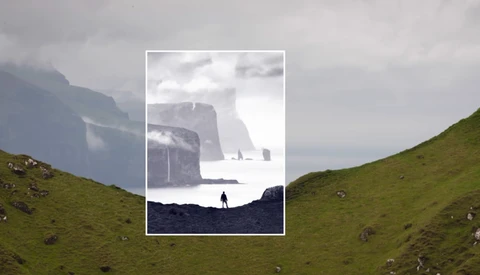
A strong composition is the holy grail of landscape photography, and there are always new things to learn.

Instagram is the most popular platform for photographers to display their work and reach an audience. If you know how, you can even turn it into a business and make a living off it. Imagine now, you wake up and Instagram has deleted all your family photos, favorite memories, connections, friends, and portfolio work?
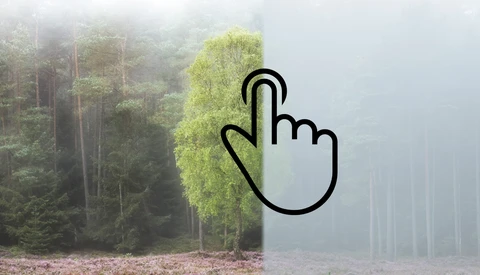
The Dehaze tool in Adobe Camera Raw and Adobe Lightroom is fantastic for landscape photography. Here are some examples of its use.
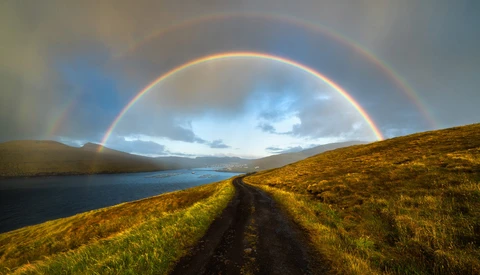
Composition is an essential part of any kind of photography. It is something many photographers struggle with, so why not do something about it?
In my latest video, I share a simple five-step guide on how to master composition in landscape photography. Even though I come from the field of landscape photography, these tips can be used in a wide range of photography fields.
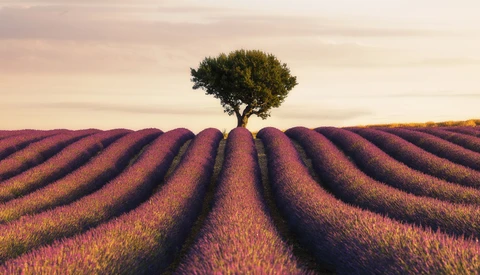
The 24-105mm lens is rarely the one you think about first when the subject is landscape photography. However, this lens is one of my most used lenses and has been for several years.
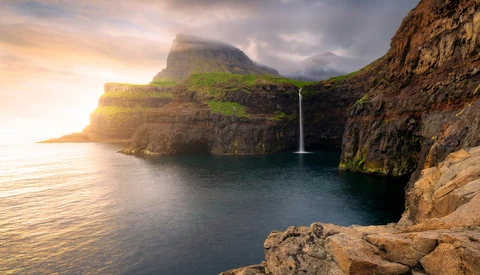
The combination of vastly increased living standards for many people around the globe, individualism and social media has created a boom in tourism never seen in the history of humanity. Towns, areas and countries such as Venice, Dubrovnik, The Isle of Skye, US national parks, Iceland, The Netherlands and The Faroe Islands are feeling it (and that is just to name a few).
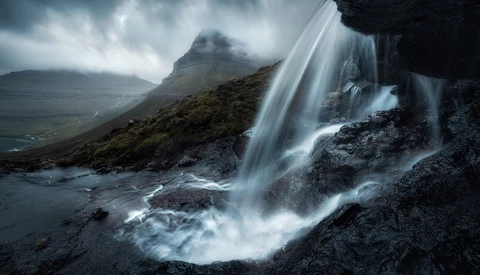
Even though you are cold, wet, and tired, it might be a great idea just to check what is around the corner. That was what I did, and I was rewarded with several photos.
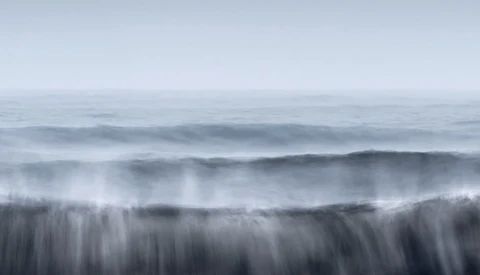
The most ridiculous claim I have ever heard about not going to Iceland was “it is over-photographed and it is not possible to get an original photo”. Challenge accepted. I got four in one day.
In my latest video, I set out to disprove the idea that Iceland is over-photographed and it is not possible to get an original photo.
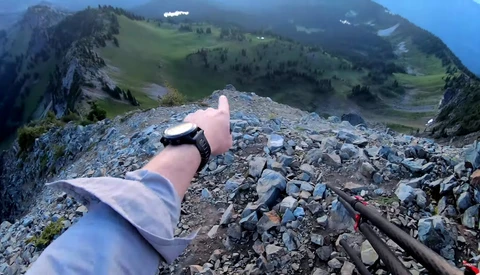
Have you wondered how it looks when a landscape photographer gets up early in the morning and hikes to the top of a mountain to photograph a sunrise?
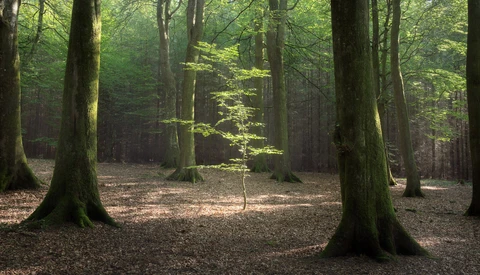
The inner journey of our photography careers are often more interesting than the outer. I experienced that first hand this summer, when I got one of my favorite photos of 2019 from my “backyard”.
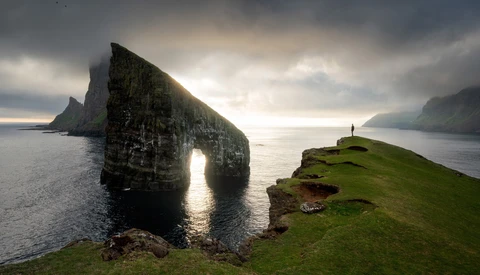
Returning to the same landscape photography location several times can vastly improve your photos. Here are three reasons to why returning is a good idea.
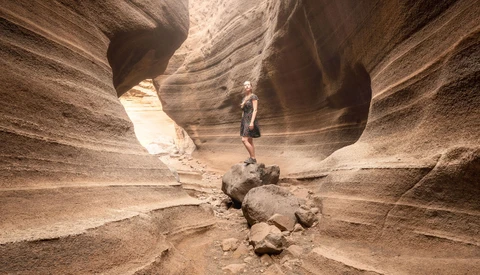
Gran Canaria is known for parties, booze, and family resort vacations, but this island in the Canary Islands archipelago has some amazing nature worth visiting for any landscape and travel photographer. Not to mention, it is easier to combine this with a family vacation than Iceland, The Faroes, or Norway is.
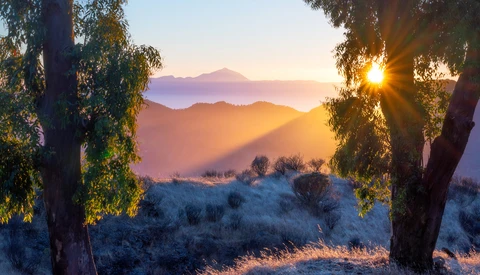
Summer has a bad rep among landscape photographers for being the worst season for photographing landscapes. However, as with everything else, it is not that black and white.
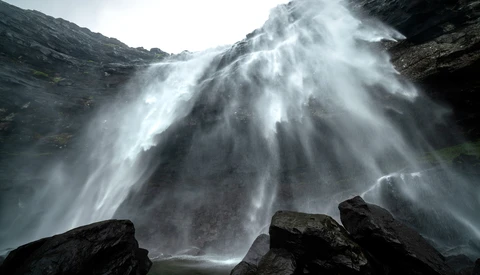
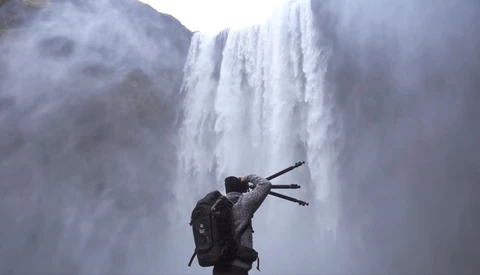
It is hard to photograph in both rain and around waterfalls. Here are five tips on how to get the shot.
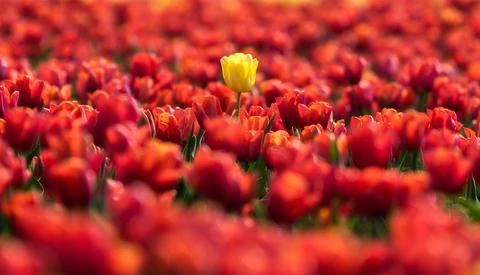
Is it possible to transfer whatever you have learned in one genre of photography to another?
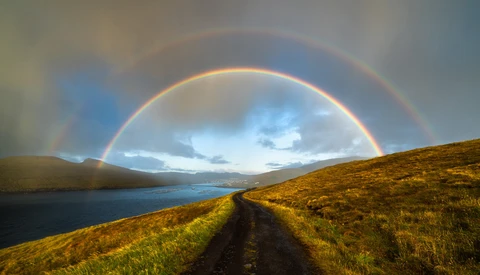
Symmetry is a basic aesthetic that you can use to greatly improve your composition and attention of the photo. In this article, I dive into different ways you can use symmetry in your photos.
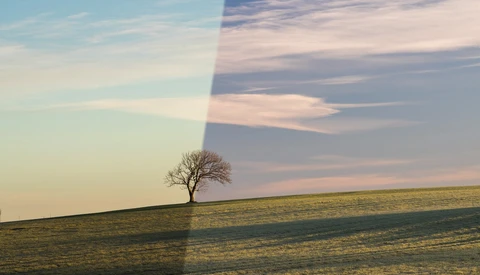
The polarizing filter is an essential part of the landscape photographer’s tool kit. It can make a huge difference to the final photo. However, there are a few things to be aware of.
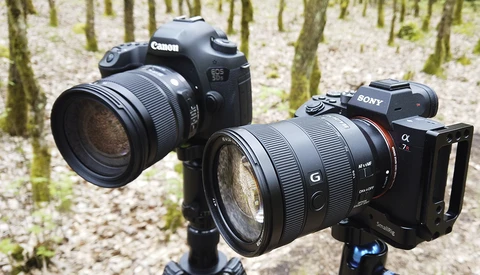
Does it even make sense to compare these high-megapixel cameras? Does it even matter which one you choose when it comes to picture quality? As it turns out, not really.
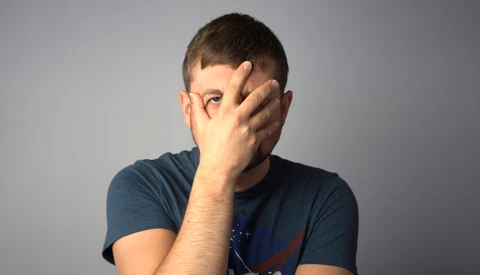
Predicting the weather is next to impossible, but you can optimize your chances of a successful shoot quite a lot. Do not be lazy about that optimization. I was lazy and it lead to one of my biggest fails in my career as a landscape photographer.
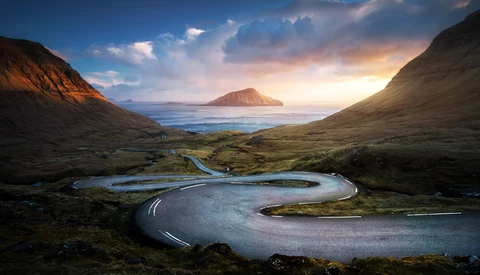
Landscape photography and wide-angle zoom lenses often go hand in hand. If you have ever used one of these lenses, you know there is a bit of the learning curve.
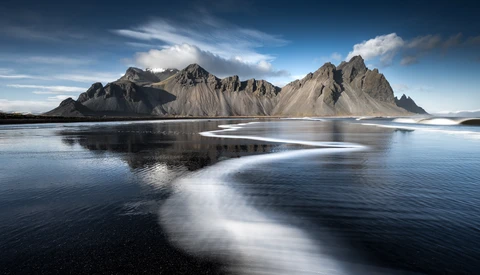
There is no doubt that the wide-angle zoom lens is the most popular for landscape photography and is my go-to lens in most of my work. It is however, not necessarily the easiest lens to use as it takes in a lot of the landscape.
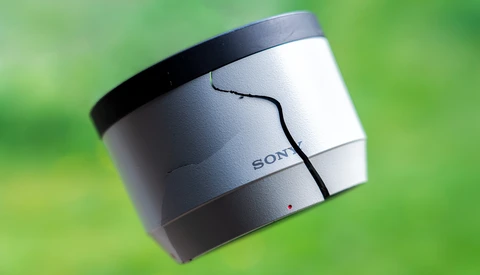
An argument for using either a UV filter or lens hood is for protecting the lens and especially the front element. Last winter, I experienced just how important a lens hood is.
Tips and tricks are thrown around left and right. Here are nine tips you want to ignore.
In his latest video, James Popsys share nine tips he thinks are worth ignoring.
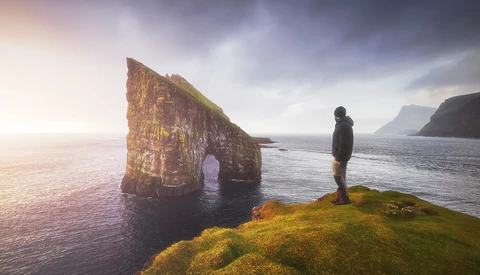
I have done photography for seven years and full time for the past three years. In that three-year period, I have mainly focused on landscape photography. I have learned a ton about photography in that period.
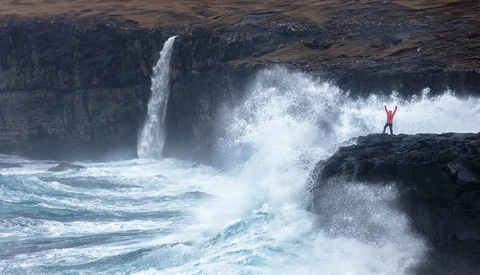
When you talk about landscape photography, chances are, you associate it with wide angle lenses. Telephoto lenses are probably the least used in landscape photography, but they do have some fantastic qualities to them.
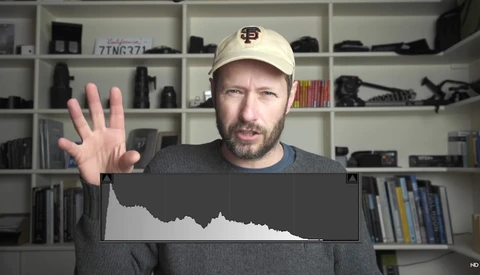
To expose a photo correctly is one of the most basic things to learn in photography. It can, however, be hard for even advanced photographers.
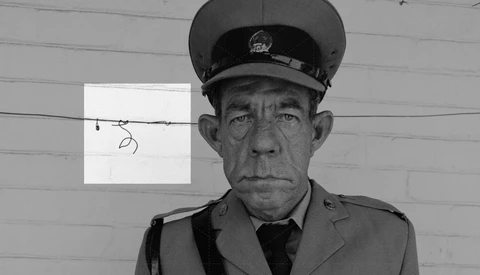
I personally want to learn. I want to learn how other creatives think and I want to draw upon their experience. I loved this video and you can pull so much out of it despite the photographs being kinda ugly. Everyone taking photos are photographers but are they artists? That is a whole other question. Here are seven thoughts to help you become an artist.
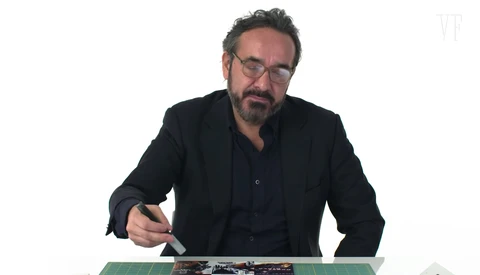
I do not think I have heard this many great tips for visual control and storytelling in such a short video before.