
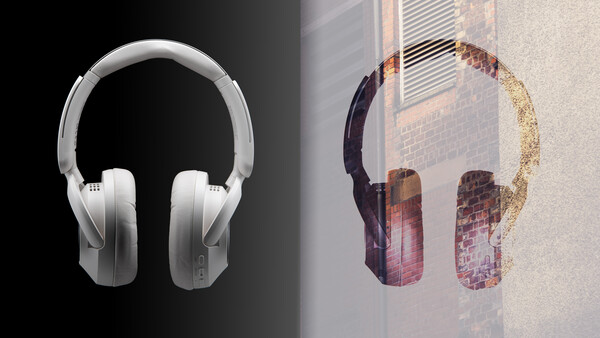
Photography is usually described as a visual medium, but a lot of the work around it happens in sound. Learning, editing, and reviewing work all benefit from being able to control what you hear — or don't hear — while you're working. That's where a good pair of headphones becomes less of a convenience and more of a practical tool.
For photographers, cutting out the world with headphones makes a noticeable difference to how work gets done. Add noise-canceling properties to that mix and you are now working at a level of productivity that is hard to beat.
Focus Is Part of the Job
Culling and retouching rely on sustained attention. It's not just about technical accuracy, but about judgment: choosing between similar frames, spotting small distractions, maintaining consistency across a set. Background noise makes that harder, as you are often drawn out of your focus by your surrounding environment. Active noise-canceling headphones create a quieter working space, which in turn makes it easier to stay visually focused for longer stretches.
Photography Isn’t Always Silent
Many photographers now work across stills and motion, even if video isn't their primary focus. Short clips, slideshows, behind-the-scenes footage, or simple interviews are common parts of a deliverable. In those situations, clean, reliable audio matters. Headphones let you hear problems early — such as background noise, uneven levels, or distortion — before they become something you have to fix later.
Learning Is Ongoing
Most photographers dedicate a fair amount of time to ongoing learning, which involves watching tutorials, listening to critiques, following courses, or keeping up with industry conversations. Clear audio makes this easier, especially when the material is detailed or technical. Wireless headphones with solid noise canceling are particularly useful here, allowing you to focus on the content without being pulled out of it by whatever's happening around you. Over long sessions, background noise can increase mental fatigue, even if you're not consciously aware of it.
My Noise-Cancelling Weapon of Choice
My own photographic work mainly sits within portrait photography, alongside more experimental personal projects. On top of this, I spend time teaching photography and, of course, writing articles on the subject. Those different contexts demand different kinds of attention. My portraiture editing requires being locked in to editing for periods of time; personal projects need space to breathe, where I have to pause in order to think through ideas; writing and teaching demand clarity and focus when preparing material or grading work. Across all of that, the common thread is the need for controlled focus — the ability to shut out what isn't relevant and stay present with the work in front of me.
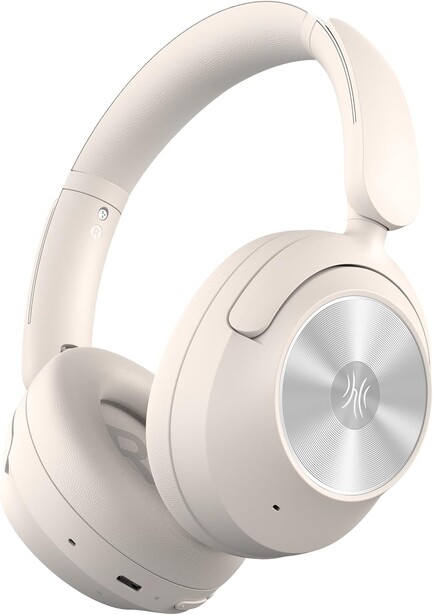
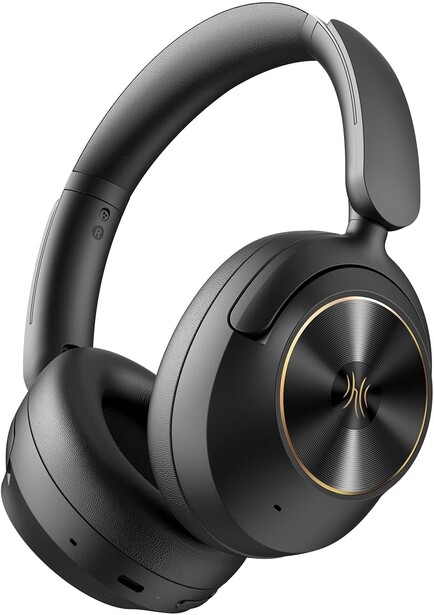
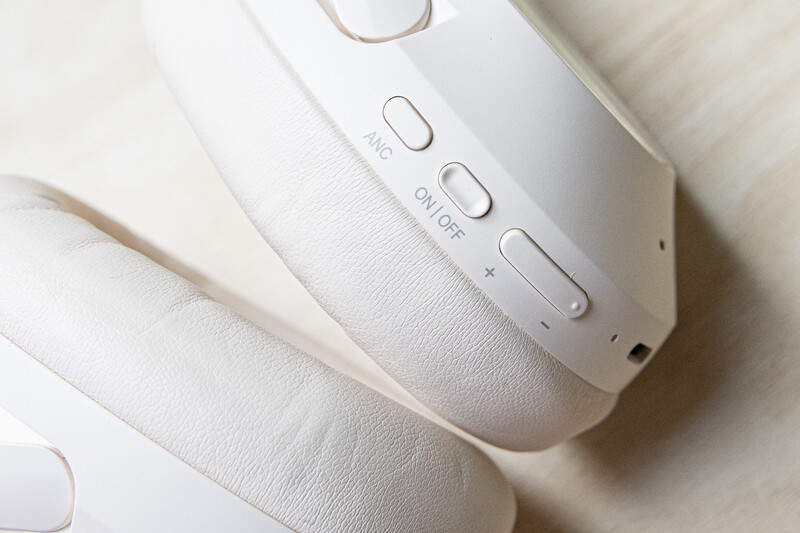
That's where my OneOdio Focus A6 headphones have become my default. I chose them because I was already familiar with the brand but needed a noise-canceling option. The Focus A6 headphones are effective, comfortable, and reliable. The noise canceling helps create a consistent working environment as I am moving between tasks, and the crisp, balanced audio is well suited across the entirety of my desk-based workflow. They fit into my practice in the same way most of my photographic tools do — by allowing me to immerse myself in what I am doing and enhancing my performance.
One of the most useful features is the ability to wirelessly connect to two devices simultaneously and quickly switch between them. They don't replace speakers or studio monitors, but they fill a gap that photographers often overlook: getting locked into your work and drowning out external distractions.
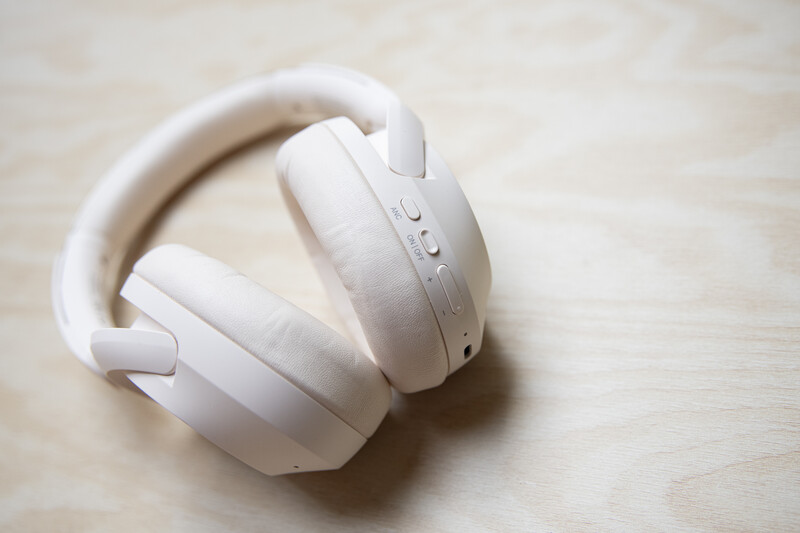
Key Technical Specs
- Type: Over-ear wireless headphones
- Noise Canceling: Hybrid Active Noise Canceling (up to 48 dB reduction)
- Bluetooth: Bluetooth 6.0 with multipoint pairing
- Battery Life: Up to 75 hours (ANC off), 40 hours (ANC on)
- Microphones: Built-in multi-mic system for ANC and clear calls
- Weight: 240 g
- Extras: App support for EQ and noise mode control
Headphones might not be the first thing on your wishlist as a photographer, but they shape the environment in which a lot of photographic decisions are made. In that sense, they're an essential, not an extra. Do you prefer sound or silence while you work?




Join the Fstoppers community for free
-
Post comments and join in the discussions
-
Browse the site ad-free
-
Share your work and get featured in the community
-
Compete in the photo contests for fun and prizes
8 Comments
Sounds like you have a noisy environment. Mine is so quiet that I'd go nuts without a little artificial noise... so I often listen to music while editing images in my office. Of course, I'm not creating videos with audio tracks which makes a difference. And working in a portrait studio, in a city perhaps, is different than working landscape, wildlife, or street photography outdoors. So I'm looking at the idea of sound vs. silence from a different side of photography than what you experience in your work.
Shooting landscapes in a deserted location, being aware of not just the sights but the sounds too, is helpful when there's a rustling noise hidden by some bushes. A rabbit or a mountain lion? Helps to know. In many places, the only sound might be from birds singing, maybe the sound of a rushing stream of water, or wind rustling through the trees. The sounds of the city might be preferable than isolation and silence for some people. I enjoy all of the sounds, and they're inseparable from the sights. I'd like to think that the photograph actually conveys something you might hear, as well as see. Think about it.... how often do we stop to imagine what we hear in a photo?
I work in a lot of mixed environments, and I am quite easily distracted by noises out of the norm. So, headphones help me a lot. In peaceful environments I like to soak in the sounds.
I don't take issue with the article, but the headline claim that "Headphones Are Essential for Photographic Workflow" is so broad, generalized, and overstated as to make me immediately doubt the credibility of what comes after.
I have a quiet workspace. For me, headphones are nice to have, and good ones let me really enjoy music while I'm working. But, in no sense are they "essential" for my photographic workflow. When I really want to work without distraction, I simply close the door to my home office.
I guess it depends on your practice. I work between my home studio, a desk in a shared office space, and on location. I'm flying long haul in a few weeks and will be editing and writing, so my headphones will be vital. Many photographers are diversifying their practice in changing times, if you are working in one fixed location in a controlled environment then this article might not be for you which is totally understandable.
Then, the headline should have read, "Why Headphones Are Essential for MY Photographic Workflow". Online discussions about photography and equipment are too often toxified by claims that what works for ME is best for EVERYBODY.
https://mastodon.social/[@https://mastodon.social/@GmusEq/1160336161841…
This is so vital spl for musician, a test validating headphones, based on the aspect of how impressive the sounding an approach perhaps for the first time ever in this manner of a ranking review in the world of music , also a task i would assign to explore whither AI could reach AGI to the level of human intelligence cognitive perception
Anyone interested to know how their head phone perform based on my ranking system than a review appear to be generic n common
gmuseq@gmail.com
Very much a valid point, my prosumer type sounds.. hopefully sounding as good that i used in my test than a studio referance headphone as monitor
Also From the perspective of generic consumer who would not be keen spending heavily on audio hardware when better sounding low cost IEM's in prevalent
Audio gear hits a performance ceiling faster than most buyers expect. Beyond a certain price point, improvements in amplifiers, DACs, and speakers become harder to hear. The differences narrow, and the cost of each incremental gain climbs steeply
My studio is in an old industrial building, repurposed for artists and craftspeople, and while there is some noise, it is quite tolerable. I always have jazz or chill music on in the background.
Music works, sometimes. During the pandemic I was teaching online classes whilst my daughter was participating in her Musical Theatre college assignments tap dancing upstairs in her bedroom. Ever since then, I have adopted headphones when I need to lock in.