The hardest part of buying your first real camera is that every model looks capable in the spec sheet, and almost all of them are. The choice is not between good and bad cameras. It is between a system that grows with you for a decade and one that quietly frustrates you into quitting. Three things decide that: autofocus you can trust on a moving kid or dog, a lens lineup you can afford to expand into, and controls that teach you exposure instead of hiding it behind an auto mode. Sensor size and megapixel counts, the specs beginners obsess over, barely move the needle at this level.
This guide is organized around who you are, not just what is cheapest. Someone who wants to shoot video needs a different camera than someone photographing their kids at the park, and a traveler who hikes needs something neither would pick. If your budget is the hard constraint rather than the use case, our budget cameras guide goes deeper on what a sub-$1,000 kit can do.
Two ground rules before the picks. Canon has sold through its entry-level RF bodies at its own store and refreshed models are expected in 2026, so we flag where that affects your decision. Where a camera has not come through Fstoppers for a hands-on review, we say so in its entry and write from published specs instead of pretending to a shutter count we do not have. Prices below are current B&H body-only figures and will move.
At a Glance
- Best Overall: Nikon Z50 II
- Best Value While Supplies Last: Canon EOS R50
- Best Budget: Canon EOS R100
- Best for Video and Vlogging: Sony ZV-E10 II
- Best for Travel and Bad Weather: OM System OM-5 Mark II
- Best for JPEG and Film-Simulation Shooters: Fujifilm X-M5
- Best Used Value: Sony a6100
Best Overall: Nikon Z50 II
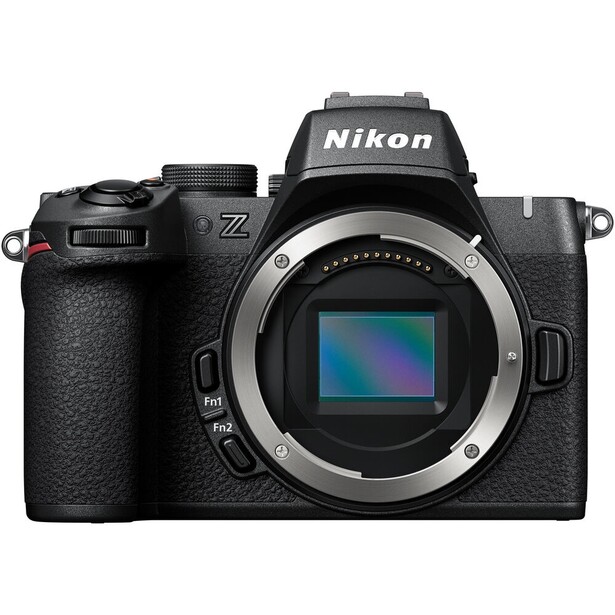
- Sensor: 20.9 MP DX-format (APS-C) CMOS
- Autofocus: 209-point hybrid AF with subject detection across nine subject types
- Stabilization: none in body, electronic VR in video
- Continuous shooting: 11 fps raw, 30 fps JPEG (electronic)
- Video: 4K/30p oversampled from 5.6K, 4K/60p with a 1.5x crop, 10-bit N-Log
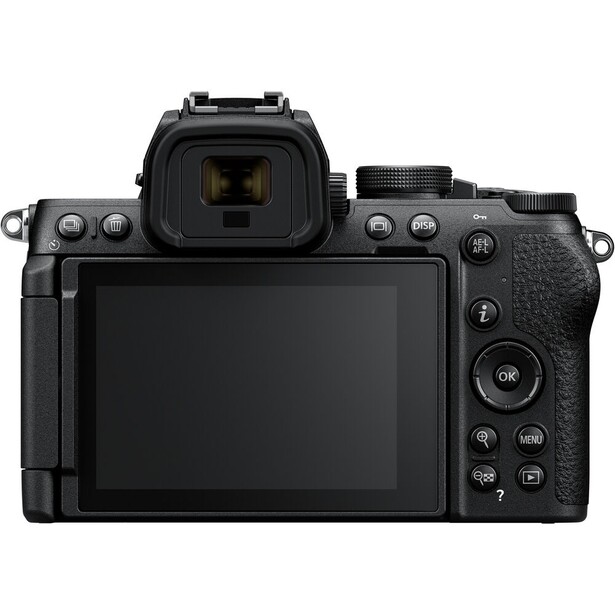
- Viewfinder and screen: 2.36m-dot OLED viewfinder, 3.2-inch vari-angle touchscreen
- Weight: 495 g with battery
- Price: $1,006.95 (B&H, body only)
The Z50 II is that rare entry-level camera that borrows its brain from a flagship instead of a cost-down parts bin. The EXPEED 7 processor inside it is the same one Nikon put in the Z8 and Z9, and it drags the entire autofocus experience up with it. Nikon rates the subject detection across nine subject types, people, dogs, cats, birds, cars, motorcycles, bicycles, trains, and planes, and that flagship-derived system finds the eye and stays locked on it. For a parent chasing a toddler or a new shooter learning to track a pet across a yard, that is the difference between a folder of keepers and a folder of near-misses.
No Z50 II has come through Fstoppers for a full review, so nothing here is a shutter count of our own. What the spec sheet makes clear is that it does not punish you for being new. There is a dedicated Picture Control button that lets you audition color looks in real time, which is a good way to learn how your images can feel different without touching a computer. The grip is deep for a body this size, the vari-angle screen flips out for low-angle and selfie work, and the 2.36m-dot viewfinder is bright enough for direct sun. Nikon's Z DX lens catalog is still the thinnest part of the package, though the full frame Z lenses mount and work perfectly, and the cheap primes that matter most to beginners, the 24mm and 40mm f/2.8 lenses, are excellent.
The limitations are real but narrow. The 4K/60p mode carries a 1.5x crop, so wide vlogging shots at high frame rates get tight, and there is no in-body stabilization, which means hand-held video leans on electronic correction and low-light stills lean on your technique. The 20.9-megapixel sensor is also the lowest-resolution chip in this guide, and it is not the tool you would pick for big landscape prints. None of that costs the target buyer much. If you are reasonably sure you will stick with photography past the first year, this is the body that will not hold you back as you improve, so check the current price of the Nikon Z50 II at B&H.
What We Like
- Flagship-derived autofocus and subject detection at an entry price
- Bright viewfinder and a genuinely comfortable grip
- Picture Control button makes learning color intuitive
- Full compatibility with Nikon's full frame Z lenses
What Could Be Better
- Native DX lens selection is still limited
- 4K/60p incurs a 1.5x crop
- No in-body stabilization
- Lowest resolution of any pick here
Best Value While Supplies Last: Canon EOS R50
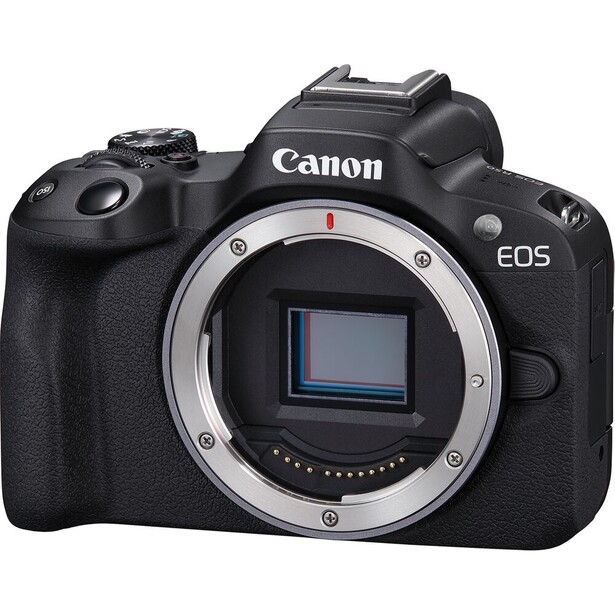
- Sensor: 24.2 MP APS-C CMOS
- Autofocus: Dual Pixel CMOS AF II with people, animal, and vehicle detection
- Stabilization: none in body, digital IS in video
- Continuous shooting: 12 fps mechanical, 15 fps electronic
- Video: 4K/30p uncropped, oversampled from 6K, 10-bit
- Viewfinder and screen: 2.36m-dot OLED viewfinder, vari-angle touchscreen
- Weight: 375 g with battery
- Price: $729 (B&H, body only)
For a long stretch the R50 was the default answer to "what should my first camera be," and on pure merit it still might be. It pairs Canon's Dual Pixel CMOS AF II, the same fundamental technology in far pricier bodies, with a 24.2-megapixel sensor and one of the friendliest menu systems in the business. Canon's guided interface explains what aperture and shutter speed do as you change them, the kind of hand-holding a beginner benefits from and can switch off later. It is small, it is light, and its 4K comes oversampled from 6K with no crop, so footage looks crisper than the numbers suggest. We reviewed the R50 in 2023, and this entry pairs that hands-on time with its verified specs and documented design.
The reason it is no longer our outright winner has nothing to do with the camera. Canon has sold through the R50 body at its own store, including refurbished stock, and a 2026 refresh of the budget APS-C line is expected. B&H and other retailers still have it, and at $729 it is a strong buy, but you are buying at the tail end of a product cycle. That is fine if you want a proven camera at a settled price and do not care about owning the newest thing. Just know it before you spend. If you shoot mostly video, the Canon EOS R50 V is the current, video-first variant, though it drops the viewfinder and the built-in flash to get there, which makes it a worse camera for learning stills.
Lenses are the other consideration. The RF-S lineup for Canon's crop bodies is still sparse, and Canon has been slow to open the mount to third parties, so your affordable options are narrower than they are on Sony or with adapted glass. For a beginner shooting the kit lens and maybe one prime, that will not bite for a year or two. If you expect to build out a serious kit quickly, factor it in now rather than later. For most people buying a first camera and one extra lens, it remains an easy camera to recommend and to live with, so check the current price of the Canon EOS R50 at B&H while stock lasts.
What We Like
- Class-leading, beginner-friendly autofocus
- The best guided menu system for learning exposure
- Uncropped, oversampled 4K/30p
- Small and genuinely pocketable with a pancake lens
What Could Be Better
- Late in its product cycle, with a refresh expected
- Thin RF-S lens selection and limited third-party support
- Single card slot and modest battery life
- No in-body stabilization
Best Budget: Canon EOS R100
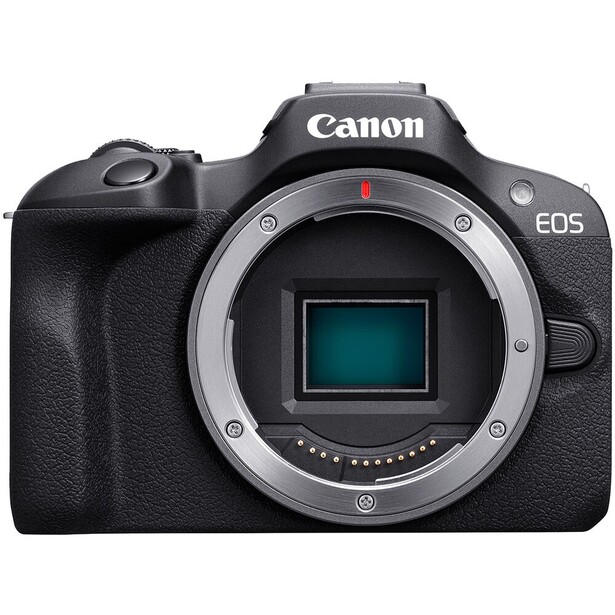
- Sensor: 24.1 MP APS-C CMOS
- Autofocus: Dual Pixel CMOS AF with face and eye detection
- Stabilization: none in body, digital IS in video
- Continuous shooting: 6.5 fps
- Video: 4K/24p with a heavy crop, Full HD/60p
- Viewfinder and screen: 2.36m-dot OLED viewfinder, fixed 3-inch non-touch screen
- Weight: 356 g with battery
- Price: $379 (B&H, body only)
One question decides this slot: what is the cheapest way into a real interchangeable-lens camera with a viewfinder? At $379 for the body, the answer is the R100. It gives you the same 24-megapixel resolution as cameras costing twice as much, a proper electronic viewfinder that most budget rivals delete to save money, and access to Canon's RF and RF-S lenses. For a student, a gift, or anyone who wants to learn on a viewfinder without spending real money, it does the core job. This is another we have not tested in house, and the spec sheet is refreshingly honest about where the money went.
You feel the savings everywhere else, and you should know exactly where before you buy. The rear screen is fixed and does not respond to touch, which in 2026 is genuinely dated and makes menu navigation slower and low-angle shooting awkward. The autofocus is an older, simpler version of Dual Pixel than the R50 runs, competent on faces but not in the same league for tracking action, and 6.5 fps is the slowest burst here by a wide margin. The 4K mode is cropped hard and capped at 24p, so think of this as a stills camera that shoots decent 1080p rather than a 4K machine. Like the R50, it has been cleared out of Canon's own store, so a successor may well arrive during 2026.
None of that changes what it is for. If your budget is firm and you want to learn photography with real controls and a viewfinder, spend the $379, put the savings toward an RF 50mm f/1.8 lens, and you will have a kit that punches above its price. If you can stretch to the R50, do, because the touchscreen and the better autofocus are worth the difference to almost everyone. For the buyer who cannot stretch, this is the honest floor of the market, so check the current price of the Canon EOS R100 at B&H.
What We Like
- The cheapest new mirrorless camera with a viewfinder
- Full 24 MP resolution and RF lens access
- Small, light, and simple to hand to a first-timer
What Could Be Better
- Fixed, non-touch rear screen
- Older autofocus and a slow 6.5 fps burst
- 4K is cropped and capped at 24p
- Late in its product cycle
Best for Video and Vlogging: Sony ZV-E10 II
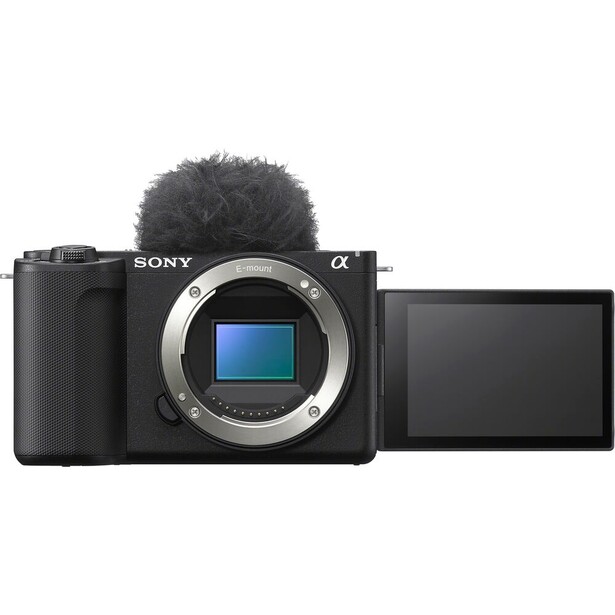
- Sensor: 26 MP APS-C BSI CMOS
- Autofocus: 759-point hybrid AF with real-time subject recognition
- Stabilization: electronic only, none in body
- Continuous shooting: up to 11 fps
- Video: 4K/60p with a crop, 4K/30p oversampled, 10-bit 4:2:2
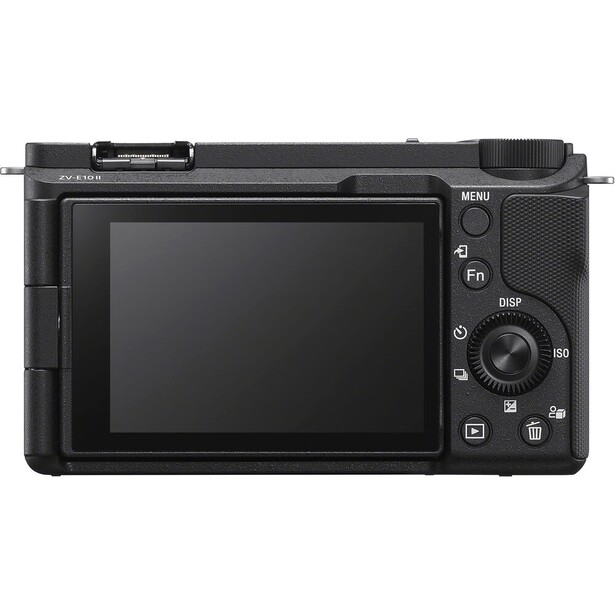
- Viewfinder and screen: no viewfinder, 3-inch vari-angle touchscreen
- Weight: 377 g with battery
- Price: $1,198 (B&H, body only)
If your first camera is really a tool for making videos, the calculus changes, and the ZV-E10 II is built precisely for you. Sony designed it around the way creators actually shoot: a fully articulating screen that faces forward, a three-capsule directional microphone with a bundled wind muff, a background-defocus button that opens the aperture for you, and a product-showcase mode that racks focus to whatever you hold up to the lens. They read like gimmicks on a features list. In practice they quietly remove most of the friction that makes solo filming annoying. Our 2024 review of the ZV-E10 II makes the case that it suits beginners well beyond vlogging.
Under the creator features sits a serious camera. The 26-megapixel sensor and Sony's autofocus are the real draw, because Sony's subject tracking remains the benchmark, holding an eye whether you are talking to the camera or moving through a scene. The upgrade that matters most over the original is the larger NP-FZ100 battery, which takes runtime from frustrating to all-day, along with 4K/60p the first model could not manage without heavy compromise. Sony's E-mount also gives you the deepest affordable lens catalog of any system here, including a wall of third-party glass from Sigma, Tamron, and Viltrox.
Two caveats keep it out of the overall slot. There is no viewfinder at all, so bright-day stills shooting means composing on the rear screen with the sun behind you, and there is no in-body stabilization, so hand-held walking footage relies on electronic correction that crops in and can look slightly processed. Neither is a dealbreaker for a video-first creator, and the things it does well are exactly the things that job needs. At $1,198 for the body it is also the most expensive pick in this guide, which is a real cost for a first camera, so check the current price of the Sony ZV-E10 II at B&H before you commit.
What We Like
- Best-in-class autofocus and subject tracking
- Genuinely useful creator tools and a good built-in mic
- Large NP-FZ100 battery and uncropped 4K/30p
- The deepest affordable lens ecosystem here
What Could Be Better
- No viewfinder for stills
- No in-body stabilization
- 4K/60p crops in
- The priciest body in this guide
Best for Travel and Bad Weather: OM System OM-5 Mark II
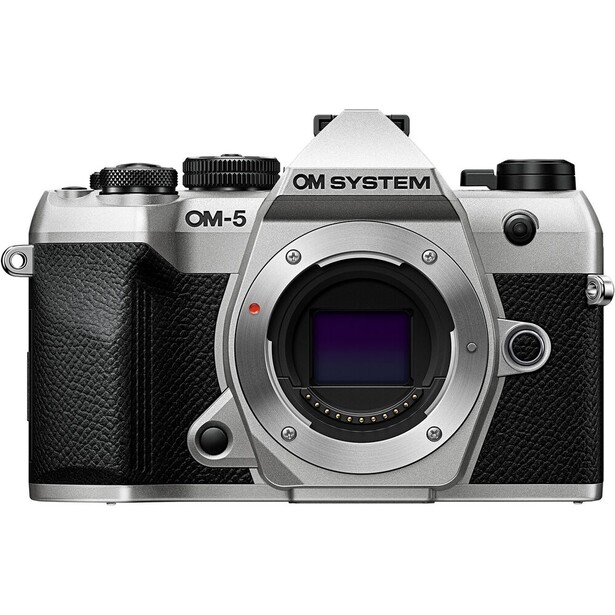
- Sensor: 20.4 MP Four Thirds Live MOS
- Autofocus: 121-point cross-type phase detection
- Stabilization: 5-axis in-body, up to 7.5 stops with sync IS
- Continuous shooting: up to 30 fps silent
- Video: 4K/30p, Full HD/120p
- Viewfinder and screen: 2.36m-dot OLED viewfinder, 3-inch vari-angle touchscreen
- Weight: 418 g with battery
- Price: $1,049.99 (B&H, body only)
Beginners who fall in love with photography outdoors run into the same wall: the good camera stays home when the weather turns or the pack gets heavy. The OM-5 Mark II exists for that specific problem. It carries a full IP53 weather-sealing rating, not the vague "weather-resistant" language most rivals use, and OM System rates it freezeproof to -10 degrees Celsius, so rain, dust, and cold stop being reasons to leave it behind. The whole system is small, because a Four Thirds sensor allows lenses a fraction of the size and weight of full frame equivalents, and a day-hike kit fits in a jacket pocket rather than a dedicated bag. We have not reviewed this body ourselves, and the sealing claim in particular is one worth holding OM System to.
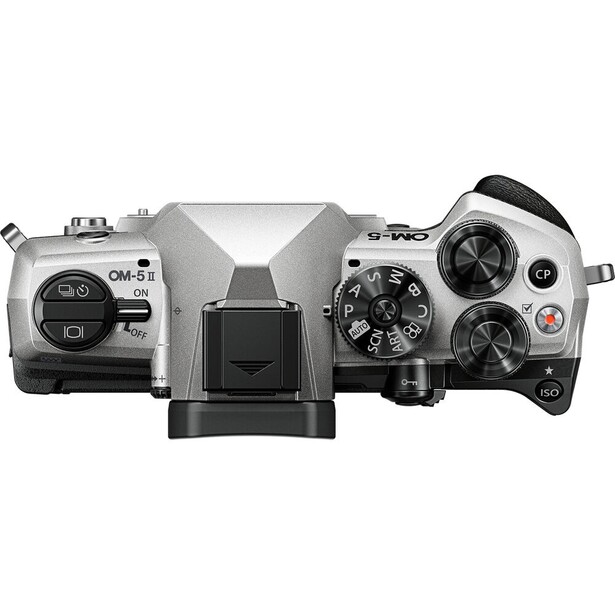
Its headline trick is stabilization. The in-body system is rated up to 7.5 stops with a compatible lens, which means hand-held frames at shutter speeds most cameras would need a tripod to hold. The camera then bundles computational tools that exploit it: a Live ND mode that simulates a long exposure for silky waterfalls without a screw-on filter, high-resolution multi-shot capture, and in-camera focus stacking for landscapes and macro. These are features enthusiasts pay extra for on other systems, handed to a beginner in a body they will actually carry up a hill.
The tradeoff is the sensor. At 20.4 megapixels on a smaller Four Thirds chip, it gives up low-light headroom and shallow-background potential to full frame and even APS-C rivals, and its autofocus, much improved as it is, does not match Sony or Nikon for fast action. This is not the camera for indoor sports or dreamy portrait bokeh, and at $1,049.99 it costs more than several picks here with bigger sensors. For the traveler, hiker, and landscape shooter who values a light, tough, endlessly capable kit over sensor size, nothing else here is close, so check the current price of the OM System OM-5 Mark II at B&H.
What We Like
- True IP53 weather-sealing, rare at any price
- Up to 7.5 stops of in-body stabilization
- Computational tools like Live ND and focus stacking
- Tiny, light lenses and a pocketable kit
What Could Be Better
- Smaller sensor gives up low-light and background blur
- Autofocus trails the best APS-C rivals for action
- Priced above several larger-sensor options
Best for JPEG and Film-Simulation Shooters: Fujifilm X-M5
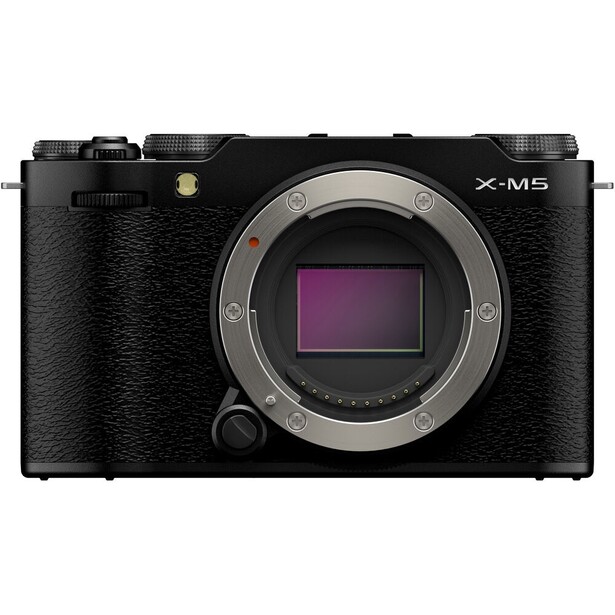
- Sensor: 26.1 MP APS-C X-Trans CMOS 4
- Autofocus: hybrid phase-detection AF with subject detection
- Stabilization: none in stills, digital only in video
- Continuous shooting: 8 fps mechanical, up to 20 fps electronic
- Video: 6.2K/30p, 4K/60p
- Viewfinder and screen: no viewfinder, 3-inch vari-angle touchscreen
- Weight: 355 g with battery
- Price: $899 (B&H, body only)
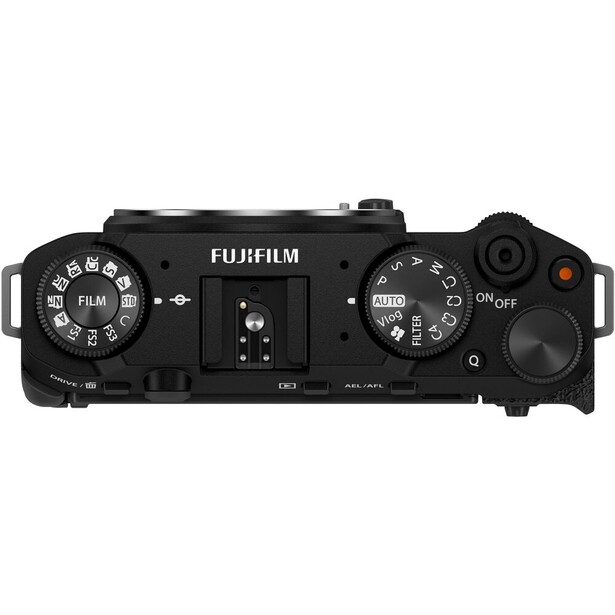
Some beginners do not want to edit. They want to shoot a photo that already looks good and post it, and the X-M5 is built for that person. Fujifilm's film simulations are the draw, 20 color profiles distilled from the company's decades of film chemistry, and the X-M5 puts them on a dedicated top dial, so you can spin from a punchy Velvia landscape look to a muted classic-negative portrait tone without opening a menu. Files come off the card finished. For someone who finds Lightroom intimidating, that is a more joyful way to learn, and if you would rather learn the editing side properly, Fstoppers' Mastering Adobe Lightroom course is the other road into the same destination.
At 355 grams it is the lightest camera in this guide, small enough to carry every day, and it doubles as a capable content camera with 6.2K and 4K/60p video plus an autofocus system inherited from Fujifilm's pricier bodies. The X-mount catalog is deep and characterful, with a strong set of affordable primes that suit the camera's street-and-travel personality. No Fstoppers reviewer has shot this one either, so the case rests on the verified spec sheet and on Fujifilm's color science, which delivers finished, distinctive color straight out of the camera that nobody else matches.
Be clear-eyed about what it omits. There is no viewfinder, so you compose on the rear screen, and there is no in-body stabilization, so low-light hand-held stills need a steadier hand or a faster lens. Fujifilm has also raised prices, and at $899 for the body it is no longer the bargain the original spec sheet suggested. If you shoot mostly in good light and love the idea of nailing color in camera, none of that will bother you, so check the current price of the Fujifilm X-M5 at B&H. Also consider the Fujifilm X-T30 III if you want the same sensor and the same film simulations in a body that adds a viewfinder and traditional dials.
What We Like
- Film-simulation dial makes great color effortless
- Lightest body here and easy to carry daily
- Strong 6.2K and 4K/60p video
- Deep, characterful X-mount lens catalog
What Could Be Better
- No viewfinder
- No in-body stabilization
- Price has crept up since launch
Best Used Value: Sony a6100
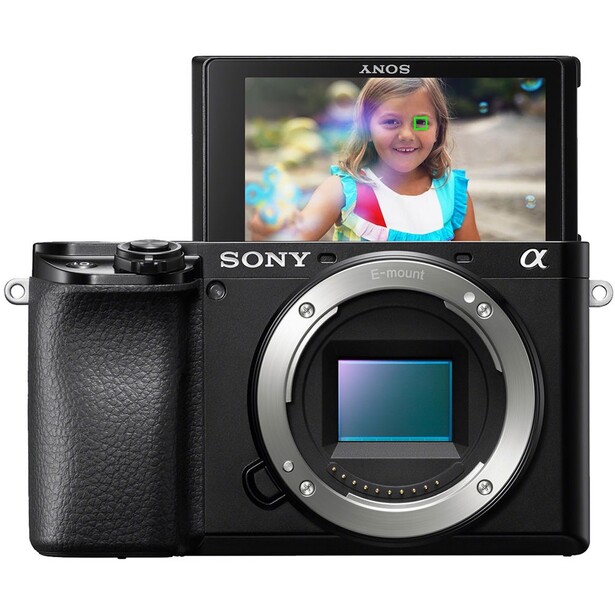
- Sensor: 24.2 MP APS-C CMOS
- Autofocus: 425-point hybrid AF with real-time tracking and Eye AF
- Stabilization: none in body
- Continuous shooting: 11 fps
- Video: 4K/30p, Full HD/120p
- Viewfinder and screen: 1.44m-dot OLED viewfinder, 3-inch tilting touchscreen
- Weight: 396 g with battery
- Price: $848 new (B&H, body only), less used
The smartest beginner move is often to buy last generation's good camera secondhand and put the savings into glass. The a6100 is our favorite candidate for that, and it is the one pick here we would tell you to hunt for used rather than buy new. It is several years old, Sony ended production some time ago, and it still carries the thing that made Sony famous, a fast, sticky Eye AF that locks onto a person and does not let go, paired with a 24-megapixel sensor and an 11 fps burst that outrun what a learner needs. It turns up on the used market regularly and cheaply, and every dollar you do not spend on the body can go toward a Sigma 30mm f/1.4, which will teach you more about photography than any spec upgrade. Our used cameras guide covers how to inspect a secondhand body before you pay for it.
It shows its age in the usual old-Sony ways, none of which we have tested in an Fstoppers review but all of which follow from a design of its generation. The menu system is convoluted, the grip is shallow for larger hands, the single control dial slows down manual shooting, and the 1.44m-dot viewfinder looks coarse next to anything current. There is no weather-sealing, so it is not the camera to take up a mountain in the rain. If you would rather have Fujifilm's dials and color, the Fujifilm X-T30 III is the newer alternative we would point you to, trading some of Sony's autofocus edge for a more tactile shooting experience at a higher price. Buying into a mature system used is how a lot of good photographers started, so check the current price of the Sony a6100 at B&H and compare it against what the used market is asking.
What We Like
- Sony's proven Eye AF at a used-market price
- Leaves budget for a fast prime lens
- Compact, with a huge affordable lens catalog behind it
What Could Be Better
- Dated, convoluted menu system
- Shallow grip and a single control dial
- Aging viewfinder and no weather-sealing
- Out of production, so new stock is finite
How to Choose a Beginner Camera
Start with the decision that actually matters, which is not the body at all, it is the system. Every camera here belongs to a lens mount, and the lenses you buy over the next few years will cost more and last longer than the body you start with. Before you fixate on a spec, look at the affordable lenses available for that mount, especially a cheap fast prime like a 50mm f/1.8 or a 30mm f/1.4, because that lens will do more for your photos than any sensor upgrade. Sony's E-mount and Fujifilm's X-mount have the deepest affordable catalogs. Canon's RF-S is the thinnest.
Next, be honest about what you shoot. If it is your kids, pets, or anything else that moves, prioritize autofocus, and the Nikon and Sony bodies lead there. If it is video, buy the camera designed for video rather than forcing a stills body to do the job. If it is landscapes and travel, weight and weather-sealing matter more than autofocus speed, which is the whole argument for the OM-5 Mark II. If you mostly want beautiful photos without editing, Fujifilm's color is a real reason to choose it.
Two features are worth insisting on for most people. A viewfinder helps you learn, because composing with the camera to your eye in bright light is easier and steadier than squinting at a screen, and it is the first thing the video-focused bodies give up. A tilting or articulating touchscreen is the other, because it makes low-angle shooting, selfies, and menu navigation far less painful. Beyond those, resist the megapixel race. Twenty to 26 megapixels is plenty for prints larger than most people ever make, and chasing a bigger number mostly fills your hard drive faster.
Finally, plan the whole purchase, not the body. Budget for a second battery, a fast UHS-II card, and the prime lens from the first paragraph, and shave the body budget to get them. A cheaper camera with a good lens and a charged spare battery will produce better photographs than an expensive body you cannot afford to feed.
What We're Looking For
Our picks weigh autofocus reliability, the depth and affordability of each camera's lens ecosystem, the quality of the controls and menus for someone learning, and how well the body suits its intended shooter rather than how it scores on a spec sheet. Every specification here was verified against current manufacturer and retailer sources at the time of writing, and prices are the current B&H figure for the body only. On testing, we are being straight with you: two of these seven bodies, the Canon EOS R50 and the Sony ZV-E10 II, have had a full Fstoppers review, and each entry says whether we reviewed it rather than implying a testing history we do not have. For the other five, where the text describes how a camera behaves, that comes from the manufacturer's published specification and the camera's documented design, and it is labeled that way. Most picks across our buying guides come from gear our writers have used and reviewed hands-on. Where we have not, as with those five, we say so in the entry.
Frequently Asked Questions
Do I Need a Full Frame Camera to Start?
No. An APS-C or Four Thirds camera is the right choice for almost every beginner. The smaller, cheaper bodies and lenses let you build a complete kit for the price of a single full frame body, and the image quality gap is invisible in normal use. Full frame matters for demanding low-light and professional work, not for learning.
Should I Buy a Camera or Just Use My Phone?
If you want to learn photography, a dedicated camera teaches you in ways a phone cannot, because it gives you real control over aperture, shutter speed, and focus, plus a viewfinder and interchangeable lenses. A phone is more convenient and its computational tricks are impressive, but it hides the decisions that make you a better photographer. Our camera phones guide covers the other side of that argument.
How Much Should I Spend on My First Camera?
Plan your budget around the whole kit, not the body. A sensible first setup is a body, the kit zoom, and one affordable fast prime, which lands most people between $600 and $1,200 depending on the system. Spending less on the body to afford a good prime lens is almost always the better choice.
Is It Worth Buying a Used Camera to Start?
Yes, for many beginners it is the smartest option. A previous-generation body like the Sony a6100 delivers most of the performance of a current model for meaningfully less money, which frees up budget for lenses. Buy from a reputable used dealer with a warranty, and check the shutter count and sensor condition before you commit.
Which Beginner Camera Has the Best Autofocus?
The Nikon Z50 II and the Sony ZV-E10 II lead this group. The Z50 II runs the same EXPEED 7 processor as Nikon's flagship bodies and detects nine subject types, while Sony's real-time tracking remains the reference point for holding a moving subject. Canon's Dual Pixel CMOS AF II in the R50 is close behind and easier to learn.
Fstoppers may earn a commission from purchases made through links in this article. Our picks are made independently by our editorial team.