

You've got 14 browser tabs open. Three YouTube reviewers are contradicting each other about the same camera. Your spreadsheet comparing megapixel counts, autofocus points, and ISO performance has grown to 17 columns. A credit card sits ready in your other hand. But you still can't decide, because there's always one more forum thread, one more comparison video, one more spec sheet promising to reveal which camera is truly "best."
Most first-time buyers do this, and it's backwards. The problem isn't insufficient research; it's starting with answers to questions you haven't asked yet.
The better framework flips everything around. Before you look at a single specification sheet, you need to understand what you actually need, how you'll actually use the camera, and what system you're committing to for years to come. Your first camera choice is really about choosing an ecosystem that you'll grow with, not just selecting a body based on today's specifications. This distinction matters more than any reviewer will tell you, and it's the key to making a decision you won't regret three years from now when you're buying your third lens.
The Three Questions That Actually Matter
What will you photograph most? This single question should drive 80% of your decision, yet most buyers skip right past it. A camera optimized for street photography has completely different requirements than one built for wildlife work. Street photographers need small, discreet bodies with fast prime lenses that disappear in a crowd. Wildlife shooters need advanced autofocus systems, long telephoto reach, and bodies that can handle being carried on ten-mile hikes. Portrait photographers care about lens selection in the 50-85mm range and how sensors render skin tones. Landscape photographers need excellent dynamic range and compatibility with ultra wide lenses. These aren't preferences; they're different tools for different jobs.
The second question cuts through more confusion than any specification can: How much are you willing to carry? Everyone wants a full frame camera with professional features until they actually carry one for six hours. A Sony a7 IV with a 24-70mm f/2.8 lens weighs about three pounds. That sounds manageable until you add a second lens, realize you need a bigger bag, and find yourself leaving the whole kit at home because you don't want to deal with it. An APS-C camera like the Fujifilm X-S20 with a 16-80mm f/4 weighs nearly a pound less and produces images that are indistinguishable in most real-world use. Micro Four Thirds systems go even lighter. The best camera is genuinely the one you have with you, and physics hasn't been repealed no matter what marketing materials suggest.
Your realistic total budget is the third essential question, and it's where most first-time buyers make their biggest mistake. You need at least one lens beyond the kit lens eventually, plus memory cards, spare batteries, a bag, a strap, perhaps filters, and potentially editing software. A reasonable starting framework puts 40% of your budget toward the body and 60% toward everything else. If you have $1,500 total to spend, that means a $600 body and $900 for lenses and accessories.
You're Not Buying a Camera, You're Joining an Ecosystem
Here's what no one tells you when you're agonizing over whether to buy the Canon R8 or the Sony a7 IV: you're not really choosing between two cameras. You're choosing between two lens systems, two service networks, two used markets, two sets of accessories, and two approaches to how cameras should work. In five years, you'll probably still have those lenses even if you've upgraded the body twice. In ten years, you might have six lenses representing $5,000 in glass. Switching systems at that point means selling everything at a loss and starting over. Your first camera body is the least important part of the decision.
Canon dominates in market share, which translates to the deepest used lens market and the most third-party support; their color science is pleasing straight out of camera and menus are intuitive. RF is opening up, but cautiously; innovation tends conservative rather than cutting-edge.
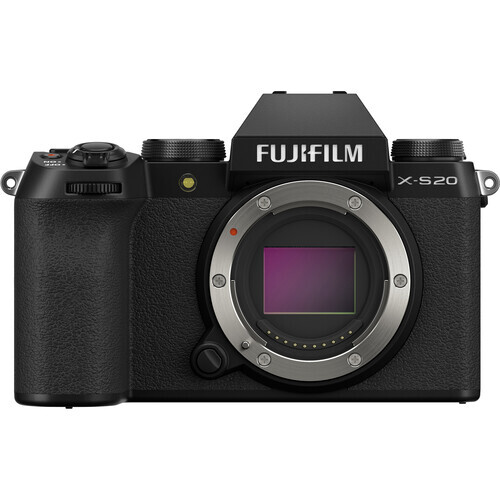
Nikon brings a century of optical expertise and legendary color science, particularly for portraits, with a Z-mount system that's maturing rapidly and cameras that feel substantial and inspire confidence. Smaller third-party pool currently, and bodies trend a bit larger and heavier.
Fujifilm committed to APS-C with smaller, lighter systems that punch above their sensor size, featuring physical dials and film simulations that produce excellent JPEGs straight out of camera; their X-mount has stellar small fast primes. You're committed to APS-C, and autofocus is "good now," not "best in class."
OM System (formerly Olympus) and Panasonic in the Micro Four Thirds world offer the lightest kits, excellent stabilization, and travel-ready systems with impressive image quality given the sensor size. You give up some low-light performance and shallow depth-of-field flexibility compared to larger sensors.
Matching Cameras to What You'll Actually Shoot
So what does this mean in practice? Different photography genres demand fundamentally different tools.
Street and documentary photography reward cameras that disappear. You need something you can carry all day without thinking about it, that doesn't announce itself when you raise it to your eye, and that operates fast enough to catch moments before they vanish. A Fujifilm X-E5 with a 23mm lens or X100VI weighs nothing and looks like a vintage camera rather than professional equipment. The Ricoh GR IV series takes this to the extreme: pocketable, APS-C, fixed 28mm equivalent lens beloved by street photographers specifically because limitations force creative thinking.
Portrait photography inverts these priorities. You want excellent eye detection because your subject's eyes being sharp matters more than almost anything else. You need lenses in the 50-85mm range with fast apertures for shallow depth of field. How the camera renders skin tones matters, which is where Canon's and Nikon's color science have traditionally excelled. A Canon R6 II with the RF 85mm f/2 or a Nikon Z6 III with the Z 85mm f/1.8 delivers the portrait look clients expect.
Landscape photography seems like it demands the highest resolution, but what actually matters is dynamic range for capturing details in both bright skies and dark shadows, lens sharpness across the frame, and compatibility with ultra-wide lenses. A Sony a7C II with the 16-35mm f/4 gives you 33 megapixels and excellent dynamic range in a body that won't kill you on trails. Weather-sealing becomes genuinely important here since landscape photographers actually shoot in rain and snow. Megapixels past about 24 matter primarily if you're printing large or cropping heavily, and even then, technique matters more than sensor resolution.
Wildlife and sports photography is where specifications start to really matter, but not the ones beginners focus on. You need fast, accurate autofocus that tracks moving subjects and a buffer that handles 8-10 frames per second bursts without choking. Most importantly, you need long telephoto lenses, which is where budget realities hit hard. A Canon R7 gives you excellent autofocus in an APS-C body that provides extra reach for distant subjects, but you still need the RF 100-400mm or adapted EF 100-400mm, both around $600-700 used.
Specifications: Separating Signal from Noise
The megapixel wars ended years ago, but marketing departments haven't gotten the memo. The difference between 24 and 26 megapixels is invisible in real-world use. Even the jump from 24 to 33 matters primarily for heavy cropping or printing beyond 16x20 inches. Unless you're shooting fine art prints, anything above 20 megapixels is sufficient. Your lens quality and technique will impact image quality far more than sensor resolution. The jump from 16 to 24 megapixels is noticeable; anything beyond that enters diminishing returns fast.
Video specifications suffer from similar inflation. Most first-time buyers don't need 4K, let alone 6K or 8K. If you're not currently editing video regularly, you're paying for features that don't benefit you. The exception is if you know you want to create serious video content, in which case look at cameras known specifically for video like the Panasonic GH7 or Sony a7S III. It's a similar situation for the number of autofocus points. Past a few hundred points, the count is marketing; tracking quality matters.
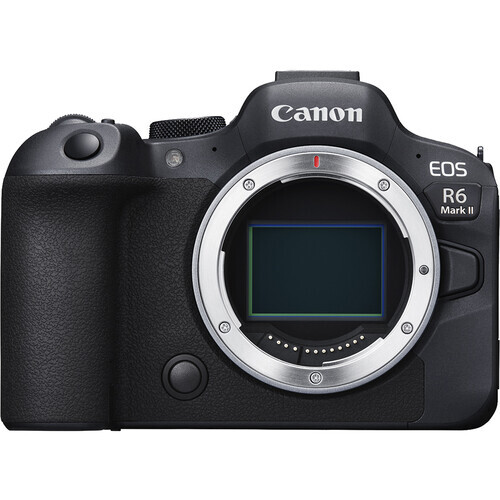
The autofocus system deserves deeper consideration than just point counting. Subject detection and tracking algorithms matter enormously for moving subjects, whether that's your toddler running around or a bird in flight. Canon's Dual Pixel autofocus, Sony's Real-time Tracking, and Nikon's 3D tracking represent genuinely different approaches that excel in different situations. This is where reading reviews and watching comparison videos actually helps, though you should focus on tests that match how you'll actually shoot rather than contrived lab scenarios.
The Practical Details That Actually Affect Your Experience
The used lens market reveals each ecosystem's maturity. Canon's EF mount lenses flood the used market because millions shot Canon DSLRs for decades. You can build an exceptional lens collection for a fraction of new prices. A used EF 50mm f/1.8 STM costs $75-100 and delivers plenty of image quality. Nikon's F-mount offers similar depth. Sony's E-mount used market is younger but growing with excellent third-party options. Fujifilm's X-mount has a smaller but enthusiastic used market where prices hold better.
Your friends' lenses are your lenses. What your friends shoot is possibly the most underrated factor in choosing a system. If three of your close friends all shoot Canon, you can borrow lenses for specific projects, get hands-on help learning techniques, and tap into their knowledge when you hit frustrating problems. You'll see their workflow, understand their post-processing, and benefit from their accumulated experience. If you choose a different system, you lose all of that. This matters most when you're starting out and everything feels overwhelming. Having someone who can physically show you how they set up their camera for certain situations accelerates your learning dramatically.
Resale value varies significantly between brands and should influence your decision if you know you'll upgrade within a few years. Canon and Nikon hold value well because their markets are deep. Sony depreciates faster specifically because they update models frequently, which is great for buying used but tough when selling. Fujifilm holds value remarkably well, with some cameras barely depreciating after several years. This matters less if you keep cameras for five-plus years, but it's worth considering if you're the type who upgrades frequently.
Where to Actually Spend Your Money
The entry-level tier around $1,000 includes cameras that would have been considered semi-professional a decade ago. The Canon R50 or R10 with kit lenses deliver 24 megapixels and excellent autofocus. The Sony ZV-E10, though marketed for video, makes an excellent stills camera. Used options open dramatically here: a Sony a6400 body runs $500-600 and offers performance that hasn't been meaningfully surpassed.
What you sacrifice is primarily durability and weather-sealing rather than image quality. These cameras have more plastic construction, fewer physical controls requiring more menu diving, and smaller batteries. Electronic viewfinders are serviceable but noticeably lower resolution. None of these limitations prevent excellent photographs.
The enthusiast tier from $1,000-1,500 represents the sweet spot where you get 90% of what professional cameras offer for 50% of the cost. The Canon R8 gives you full frame, excellent autofocus, and access to Canon's RF mount in the $1,000-1,300 body-only range. The Fujifilm X-S20 combines image stabilization and excellent video. Used options include the phenomenal Canon R6 or Sony a7 III, both professional-grade cameras just a few years ago.
This tier adds weather-sealing that works, more robust build, better ergonomics with dedicated buttons, higher-resolution viewfinders, and longer battery life. You get in-body stabilization for handheld low-light shooting. The value proposition is exceptional because these cameras won't feel limiting as your skills progress.
The advanced tier from at $2,000 and above enters diminishing returns where you're paying substantial premiums for incremental improvements. The Canon R6 II, Nikon Z6 III, and Sony a7 IV hover around $2,000-2,500 and deliver exceptional performance. But the improvements over enthusiast-tier cameras are specialized: faster burst rates for sports, better high-ISO performance, more robust video features, dual card slots for professional reliability. Working professionals who can't miss shots benefit from this tier. Sports and wildlife photographers need those faster bursts. Everyone else is paying for capabilities they'll rarely use.
Why Your First Lens Matters More Than Your Body
The dirty secret of camera marketing is that your lens matters more than your camera body for image quality. A cheap camera with an excellent lens will produce better images than an expensive camera with a mediocre lens, every time. Sharpness, contrast, and color rendering come from the glass, not the sensor.
Kit lenses deserve more respect than gear snobs give them. The Canon RF 24-50mm f/4.5-6.3 is genuinely sharp and very light. The Fujifilm 18-55mm f/2.8-4 is so good many photographers never replace it. Their main limitation is relatively slow maximum apertures, which matters in low light or when you want strong background blur.
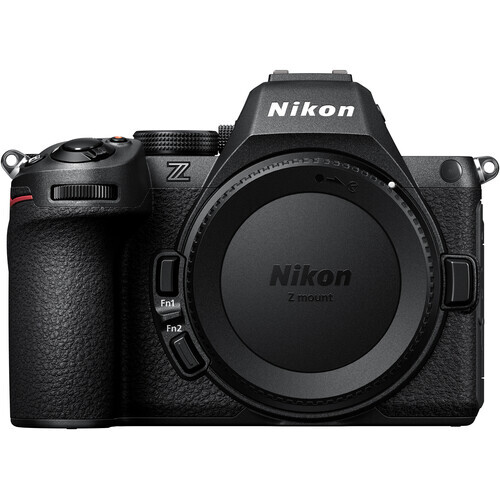
The prime versus zoom debate comes down to learning style. Primes force you to think about composition and move your feet, accelerating learning. But zooms offer flexibility for experimenting with focal lengths. Start with whatever lens comes with your camera, shoot for several months until you understand its limitations, then buy the specific lens that solves the problems you've actually encountered.
The Case for Yesterday's Technology
Here's a truth camera companies hate: the camera released three years ago takes photographs indistinguishable from the one released three months ago in 90% of real-world situations. A Sony a7 III, cutting-edge in 2018, sells used in the low four figures today. It has 24 megapixels, excellent autofocus, 10 frames per second, and produces files that print beautifully. The a7 IV that replaced it offers meaningful autofocus and video improvements but costs over $2,000 new. Unless you specifically need those improvements, you're paying a substantial premium for incremental gains.
The pattern repeats across every brand. A Canon R6 sells used in the low-to-mid four figures versus $2,500 new for the R6 II. A Nikon Z6, often available used in the high three figures, delivers full frame image quality that hasn't been meaningfully surpassed for still photography.
What do you give up buying used and a few generations back? The latest autofocus algorithms, which matter more for sports and wildlife. Newer connectivity features. More sophisticated video capabilities. Sometimes better battery life. You generally don't give up extreme amounts of image quality, which is determined more by sensor size and lens quality than camera generation.
Buying used safely isn't difficult. Reputable dealers like B&H's used department and KEH are great options. Check shutter counts if available. Buy from sellers with return policies.
Permission to Just Decide Already
Almost any modern camera from Canon, Sony, Nikon, Fujifilm, OM System, Panasonic, or Pentax will take excellent photographs in skilled hands. The differences are real but matter far less than your skill, vision, and willingness to actually shoot. The "best" camera doesn't exist because photographers have different needs, budgets, and shooting styles.
The real learning curve is photography itself: understanding light, composition, timing, and storytelling. These skills transfer completely between systems. Whether you learn on a Canon or Sony or Fujifilm changes nothing about your understanding of how to see and capture moments.
Making a decision means accepting that you won't have perfect information and that you might discover limitations after you've been shooting for six months. That's fine. The worst outcome isn't choosing the "wrong" camera but never choosing at all and missing a year of photographs while you agonize over specifications.
Here's the framework that actually works: Identify what you'll shoot most and choose cameras optimized for that. Set a realistic total budget that includes lenses and accessories. Choose an ecosystem you can grow with based on lens selection and what people around you shoot. Buy the best camera you can afford in that system, whether new or used. Then stop researching and start shooting.
The camera in your hands today, even if it's not perfect, will teach you more about photography than any amount of additional research.



Join the Fstoppers community for free
-
Post comments and join in the discussions
-
Browse the site ad-free
-
Share your work and get featured in the community
-
Compete in the photo contests for fun and prizes
3 Comments
This is an article that will surely help first time buyers. Good work
Reading or after reading your head is now dizzy as all. but right as rain that first is a starting point you will hold onto for a few years. There is one major reason old DSLR's and lenses are more plentiful is that when makers went mirrorless both camera and lens had to be sold because the lenses would not work on the new mirrorless cameras a big loss for all those who continued with mirrored cameras. The mirrored cameras of old are today just as good as they were back then. A camera and it's lenses are forever you can do today what was done many years ago never ever say "Cheap" for they were well built then just cost less $ today. You can find many cameras and lenses at Estate Sales where the kids of parents have no interest some time free for they are the last go.
One thing not mentioned is the old and new point and shoot cameras with lenses that extend out of the cameras and also have magnifications of 2x or more on top of that extended lens.
I still have and use my Fujifilm WP Z with the magnification function and is water proof. Also the Vivitar Vivicam 8300s both of the 2000's era of 5MP's that followed the film era but with SD cards of 1MP (yep). There are many others that were like a camera size like that also had the telephoto extending lens with Magnification X selection. There are many even today like the Sony RX100 VII but at todays price of $1600. New or used another choice.
Or even a return to film cameras as a new trend now where you capture develop and have a print with no editing some new film cameras but a lot of used with lenses at very low prices.
One thing not covered as the title stated is the "Megapixels" race today with most any software editor you can have a old 5MP image made to 100MP or anything in between. My old A7SM1 a 12MP camera made poster size prints that amaze friends thinking i PS'ed them. You can still Crop a 12MP image as you can a 60MP image. As far as image type Jpeg, TIFF, or DNG a printer company sees them all and your prints will look great as far as the digital world your Jpeg will be reduced so small for what ever social media page you put it on.
Today it is after the capture editing Software that really makes for a great image not the camera or the lenses and the computer you use it on that believe it will need to be replaced about every 3 years like the current change from Windows 10 to 11 and even a friend with a Apple says it is getting a little slower. The tools from capture to editing to a print is like a wheel rolling down hill but your dollars leaving your wallet. The thing in the article is what can you use the longest even if used at first but but other tools can still use years later is a gamble we all play.
#1 a 2015 image taken with my A7SM1 and a Rokinon 14mm f/2.8 using a bracketed of 3 at +/- 1 EV getting hot and dead pixels because i did not know Noise Reduction is off when below 1sec. But with better SW of the future I returned and got a very clean image poster size for my memories of a night. Also there was no lens corrections for 2 years so I had to wait!
?"went mirrorless both camera and lens had to be sold"... Not sure about all brands. But as regards Canon, one can still use old EF mount lenses on even the newest RF bodies, with an adapter. So you can buy a new mirrorless body and still use your old lenses in transition, generally.